
Navigating daily life with an infant or toddler in Singapore requires careful preparation, especially when managing soiled diapers, wet clothes, or damp swimwear. Whether you are heading to a local playground, visiting a shopping mall, or dropping your child off at infant care, a reliable wet bag is an indispensable tool for keeping your diaper bag clean and dry. Choosing the right option involves understanding how different capacities, materials, and construction details perform under the demands of a humid tropical climate. By focusing on practical design features and durability, you can find a solution that offers excellent value without risking messy leaks or lingering odors.
Identifying Your Capacity Needs Based on Daily Routines
Your daily routine is the most important factor when determining the size and quantity of wet bags you need to purchase. Singapore parents often balance multiple short outings with longer weekend excursions, each requiring a different level of storage. A small wet bag, typically measuring around 20 by 25 centimeters, is ideal for quick trips to the neighborhood supermarket or a nearby clinic. This compact size easily accommodates one or two spare disposable diapers, a small pack of travel wipes, and a soiled onesie, fitting neatly into a handbag or compact backpack without taking up excess space.
For full-day outings, such as a family trip to the Singapore Botanic Gardens or a full day at an infant care center, a medium-sized wet bag is generally the most practical choice. These bags usually measure approximately 30 by 40 centimeters and can hold four to six diapers along with a complete change of clothes. If your child is enrolled in full-day childcare, having at least two medium bags allows you to dedicate one to clean clothes and the other to soiled items, keeping your child’s belongings organized and hygienic throughout the day.
Products mentioned in this guide
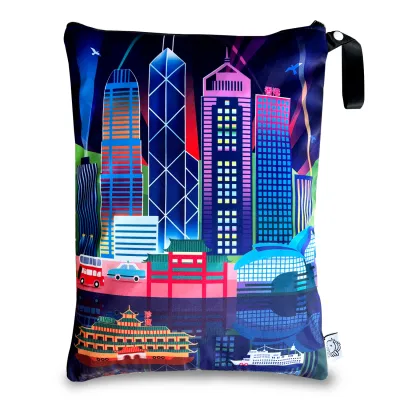
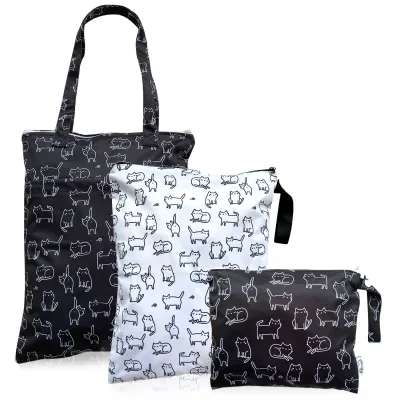
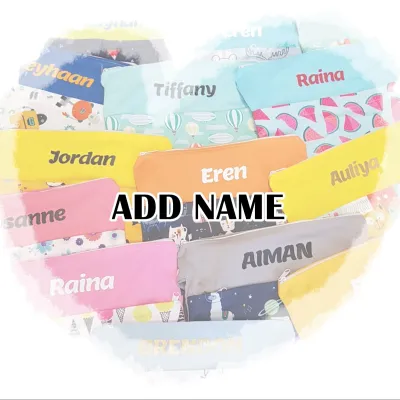
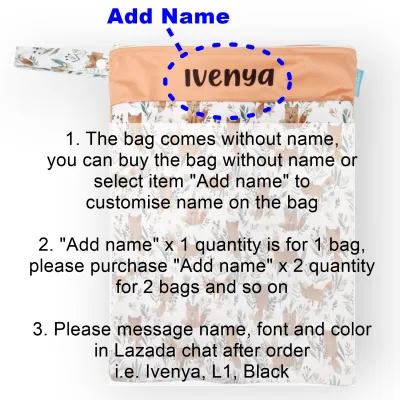
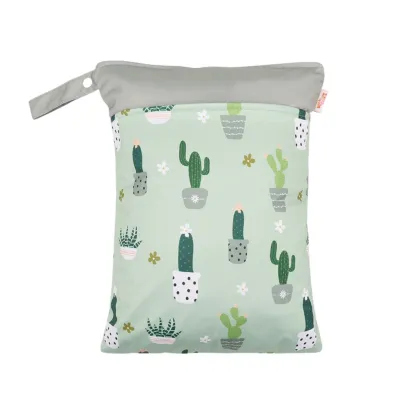
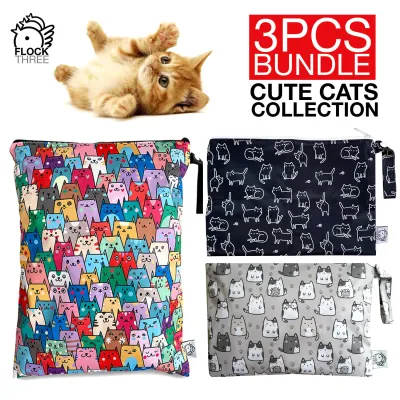
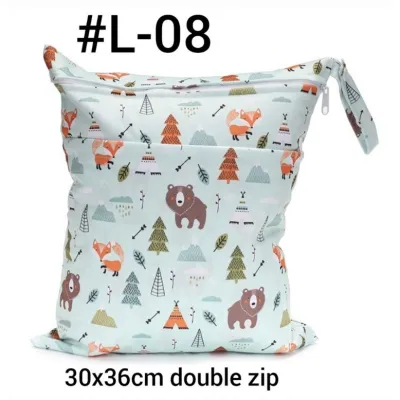
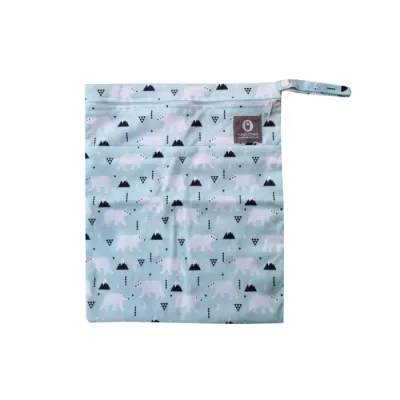
Prices are valid at publication and may change. Please refer to the product page for the latest price.
If you practice cloth diapering, your spatial requirements will be significantly higher than those of parents using disposable diapers. Cloth diapers, with their bulky waterproof covers and thick microfiber, bamboo, or hemp inserts, occupy roughly three times the volume of compressed disposables. A medium wet bag that easily holds six disposable diapers might only accommodate two or three soiled cloth diapers. For full-day cloth diapering outings, you will likely need a large wet bag (around 40 by 50 centimeters) or multiple medium bags to manage the volume safely.
Wet swimwear and towels from condo pool sessions or outdoor water play parks also demand careful capacity planning. Chlorine-treated pool water or saltwater can quickly degrade other fabrics if left in contact with them, and soaking-wet items require a bag with sufficient volume to prevent compression leaks. When selecting a bag for swim outings, choose a size that allows the wet items to sit loosely rather than being tightly packed, as compressing wet fabrics increases the risk of moisture escaping through the zipper track or seams.
To calculate your exact capacity needs before making a purchase, lay out your typical outing gear on a table. Group the items you expect to carry together, such as three diapers, a pack of wipes, a change of clothes, and a swaddle. Measure the overall footprint of this pile and compare it to the manufacturer’s listed dimensions, keeping in mind that the bag’s usable internal volume is always slightly smaller than its flat external measurements.
Evaluating Material Quality and Leak Prevention
The primary function of any wet bag is to contain moisture and odors, which depends entirely on the quality of its materials and construction. Most modern wet bags utilize either Polyurethane Laminate (PUL) or Thermoplastic Polyurethane (TPU) as their waterproof barrier. PUL is a polyester fabric that has been chemically or thermally bonded to a thin layer of plastic, creating a highly durable and flexible waterproof lining. TPU, on the other hand, uses a heat-bonding process that is often softer and more pliable, though both materials perform exceptionally well when manufactured correctly.

When reviewing product specifications, pay close attention to the thickness and weight of the fabric, which is sometimes indicated by a denier or GSM (grams per square meter) rating. Thicker fabrics generally offer superior resistance to punctures from diaper pins, sharp clothing snaps, or keys stored in your diaper bag. However, in Singapore’s humid climate, exceptionally thick fabrics can take significantly longer to air dry after washing, which may increase the risk of mildew if the bag is not dried in a well-ventilated area.
The closure mechanism is the most common point of failure for leak prevention. High-quality wet bags feature robust, smooth-gliding zippers that resist catching on the inner lining. To prevent moisture from seeping through the tiny gaps between the zipper teeth, look for designs that include a fabric storm flap or a recessed zipper track. This simple design detail ensures that even if the bag is tipped over in your stroller basket, dampness remains securely contained inside.
Seam construction is another critical factor that separates high-quality wet bags from cheaper alternatives. Standard sewn seams use a needle and thread, which creates hundreds of microscopic holes along the edges of the bag. Under pressure or when holding very wet items, liquid can easily seep through these needle holes. Premium wet bags often feature heat-sealed or taped seams, where a waterproof tape is applied over the stitching to seal the holes completely. If you choose a bag with standard sewn seams, make sure to wring out wet swimwear or heavily soiled clothes thoroughly before placing them inside.
Frequent washing is unavoidable for diaper gear, so the materials must be able to withstand regular laundering without degrading. Over time, high temperatures and harsh detergents can cause the waterproof PUL or TPU lining to crack, peel, or delaminate from the outer fabric. Always check the manufacturer’s care instructions to ensure the bag can tolerate your household’s washing routine. Bags that require hand-washing or strict air-drying may become a chore to maintain, whereas machine-washable options offer much greater convenience for busy parents.
Assessing Value: Balancing Price and Longevity
Wet bags are available at a wide range of price points on online marketplaces, typically starting from as low as S$5 for basic unbranded options and rising to S$40 or more for premium designer brands. While a low upfront price is highly appealing, evaluating the true value of a wet bag requires looking at its expected lifespan and cost-per-use. A cheap bag that delaminates, tears, or suffers a broken zipper after a few weeks of use will ultimately cost more in replacements than a single, high-quality bag designed to last for years.
To assess longevity, consider how many children will use the bag and how frequently it will be washed. A durable, well-constructed wet bag can easily transition from holding soiled baby diapers to carrying toddler swim gear, preschool spare clothes, and eventually wet umbrellas or gym clothes for older family members. Investing in a slightly more expensive bag with reinforced stitching and a robust zipper track often pays off over several years of continuous, multi-purpose use.
Multi-functional design features can also justify a higher price point. Many premium wet bags feature a dual-pocket design, commonly referred to as a wet/dry bag. These bags have two separate compartments: a waterproof zippered pocket for soiled or wet items, and a dry mesh or fabric pocket for clean clothes, clean diapers, or dry accessories. This dual-pocket layout allows you to carry all your changing essentials in a single, organized pouch, reducing the clutter in your main diaper bag.
Convenient carrying options, such as snap handles or adjustable stroller straps, add significant practical value. A snap handle allows you to loop the wet bag around your stroller handlebar, a closet rod, or the headrest of your car seat, keeping dirty items isolated and easily accessible. This is particularly useful in public restrooms or changing rooms where clean counter space is limited, allowing you to hang the bag securely off the floor while you tend to your baby.
Before finalizing your purchase, take the time to research the manufacturer’s warranty and return policies, especially when buying through ecommerce platforms. Look for brands that offer a clear guarantee against manufacturing defects, such as zipper failures or seam separation. Reading verified buyer feedback can reveal recurring issues with specific models, helping you avoid products that are prone to premature wear or performance failures.
Building Your Brand Shortlist: A Pre-Purchase Checklist
With numerous options available on online marketplaces, creating a shortlist of potential wet bags requires a systematic approach. Use this pre-purchase checklist to evaluate any brand or model before making your final decision:
- Verify Usable Internal Dimensions: Do not rely solely on flat product photos. Check the listed dimensions and subtract approximately two centimeters from the width and height to account for seam allowances, zipper curves, and the natural bulk of folded diapers.
- Inspect the Lining and Seams: Look for product descriptions that explicitly mention heat-sealed seams, taped seams, or double-layered waterproof linings. Avoid bags that rely on thin, single-layer plastic coatings that are prone to peeling.
- Check the Closure Design: Ensure the zipper is made from durable materials (such as heavy-duty plastic or rust-resistant metal) and is protected by a fabric flap to prevent moisture and odor leakage.
- Review Care and Washing Requirements: Confirm that the bag can be washed in your washing machine at standard temperatures. If you rely on a clothes dryer, verify whether the bag can be tumble-dried on low heat or if it must be line-dried.
- Evaluate Carrying Features: Look for a sturdy snap handle or strap that allows you to attach the bag to your stroller, diaper bag, or changing table for hands-free convenience.
- Analyze Long-Term User Feedback: Search online reviews for terms like "delamination," "zipper stuck," "leaking," or "odor." Pay close attention to feedback from parents who have used the bag for six months or longer to gauge its true durability.
By systematically checking these details, you can avoid common purchasing pitfalls and select a wet bag that meets your specific capacity needs while delivering reliable, long-term performance.
Frequently Asked Questions (FAQ)
How many wet bags do I actually need for cloth diapering?
For full-time cloth diapering, a minimum of three medium-to-large wet bags is highly recommended to maintain a smooth laundry rotation. This setup ensures you always have one bag in your diaper bag for active use, one bag in the laundry room holding soiled diapers or currently in the wash, and one clean, dry bag ready as a backup. If your child attends infant care or daycare full-time, you may want to increase this number to four or five bags, allowing you to leave one or two bags at the center while keeping your home rotation fully stocked.
Can I wash wet bags with regular baby laundry?
Yes, you can generally wash wet bags alongside your regular baby laundry, provided you follow a few simple precautions to protect the waterproof lining. Use a gentle, enzyme-free detergent and avoid fabric softeners, bleach, or vinegar, as these additives can chemically degrade the PUL or TPU waterproof layer over time. Wash the bags on a cold or warm cycle, keeping the water temperature below 40 degrees Celsius to prevent the heat-bonded seams from separating. To dry, hang the bags inside-out in a well-ventilated area away from direct, intense sunlight, or tumble dry on a low-heat setting if permitted by the manufacturer’s care label.
What is the difference between a wet bag and a standard waterproof pouch?
The primary difference lies in the specialized construction designed to contain heavy moisture, bacteria, and strong odors. Dedicated diaper wet bags feature thick, flexible PUL or TPU linings, heat-sealed or taped seams that prevent liquid from seeping through needle holes, and secure zipper closures with protective storm flaps. In contrast, standard waterproof pouches, such as cosmetic bags, travel organizers, or pencil cases, are typically designed only to resist light splashes. They usually feature standard sewn seams that leak under pressure and lack the advanced odor-blocking capabilities required to safely contain soiled diapers or soaking-wet swimwear for extended periods.

Community discussion
Share your experience or ask a question. Comments are reviewed before publication.