
Quick Answer: Evaluating Waterproof Wet Bag Options
When selecting a waterproof wet bag for daily baby care, the ideal choice depends on your specific routine rather than brand names alone. Reliable leak protection and long-term durability are determined by verifiable material compositions, seam construction methods, and secure closure systems.
To find a bag that prevents messy leaks in your diaper bag, you must look past marketing promises and evaluate how the product is built. Checking the manufacturer’s specifications for waterproof linings, closure designs, and washing instructions will help you select a bag tailored to your daily needs, whether for quick outings or full-day daycare storage.
Key Dimensions for Evaluating Wet Bag Performance
To compare wet bag options effectively, caregivers should focus on four primary design elements that directly impact performance.
Products mentioned in this guide
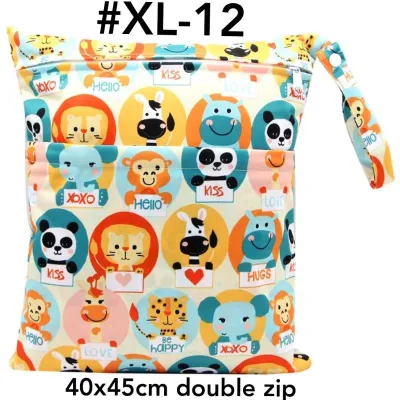
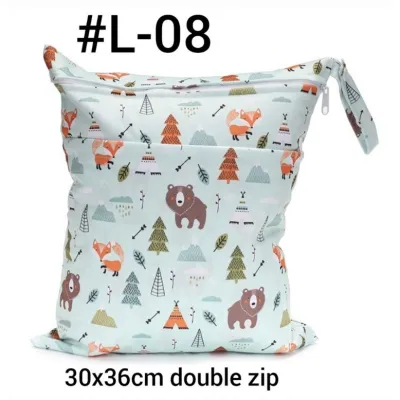
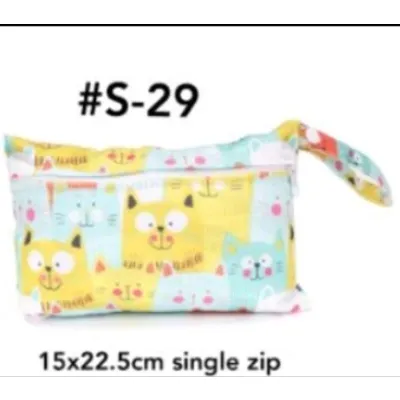
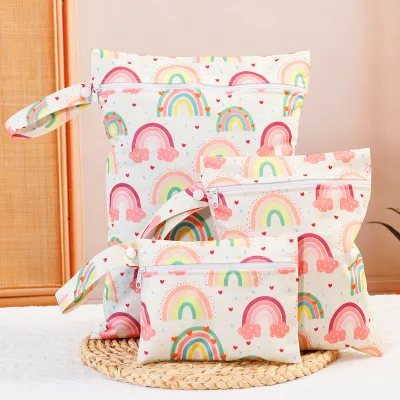
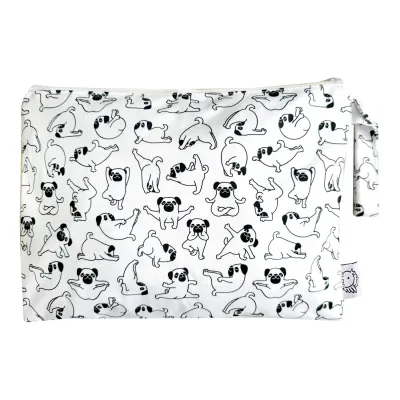
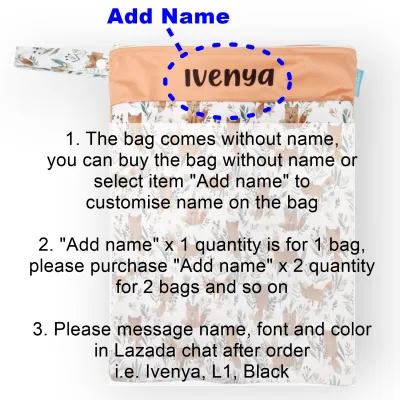
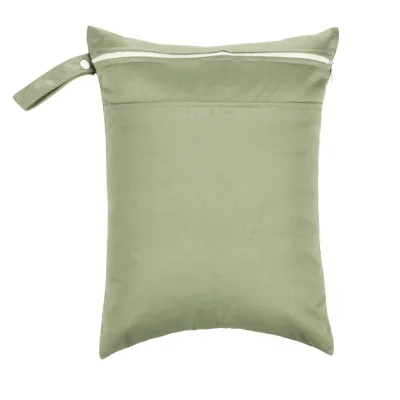
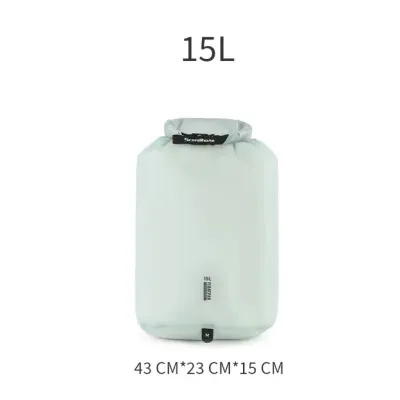
Prices are valid at publication and may change. Please refer to the product page for the latest price.

Material and Lining Most modern wet bags rely on a laminated fabric to provide water resistance. Polyurethane Laminate (PUL) and Thermoplastic Polyurethane (TPU) are the two most common materials. PUL is a polyester fabric heat-fused to a thin plastic layer, offering high durability and excellent moisture containment. TPU utilizes a chemical bonding process that is often softer and more flexible, though it may require gentler washing cycles to maintain its integrity over time. Both materials are designed to resist staining and minimize odor retention when cared for correctly.
Seam Construction The seams are the most common failure points for leaks. Stitched seams use a needle and thread, which creates tiny punctures in the waterproof lining where moisture can eventually seep through under pressure. In contrast, welded or heat-sealed seams bond the fabric layers together without punctures, creating a continuous waterproof barrier. If you plan to store heavily saturated items, prioritizing heat-sealed internal seams is crucial for preventing dampness from transferring to the rest of your diaper bag.
Closure Mechanisms A wet bag is only as secure as its closure. High-quality zippers with water-resistant tape or fabric flaps help contain moisture and trap odors inside the bag. Some designs feature roll-top closures with snap buckles, similar to outdoor dry bags, which provide a highly reliable seal against leaks but may take up more space. Snap buttons on handles or straps are also useful features, allowing you to secure the bag to a stroller handlebar or diaper bag strap for easy transport.
Capacity and Structure Matching the bag’s volume to your daily storage needs prevents premature wear. Overstuffing a wet bag puts excessive tension on the zippers and seams, which can stretch the stitching holes and lead to leaks. Many bags feature dual-pocket designs, allowing you to separate clean, dry clothes from soiled, damp items in a single compact package.
How to Verify Leak Protection and Durability Claims
Because you cannot test a wet bag’s performance before purchasing, you must rely on physical inspections and product labels to verify durability claims.
Reading Material Labels When browsing online marketplaces or local baby boutiques, examine the product specifications for fabric details. Look for clear indications of “PUL” or “TPU” rather than generic “waterproof fabric” descriptions. Additionally, check for safety certifications such as OEKO-TEX Standard 100, which verifies that the textile components have been tested for harmful substances and are safe for contact with baby items.
Inspecting Physical Build If you are evaluating a wet bag in-store or inspecting a home delivery, perform a quick physical check. Gently pull the fabric on either side of the main seams; if you see light passing through large needle holes, the bag may leak when holding very wet items. Run your fingers along the internal lining to ensure the laminate layer is smooth, uniform, and free of bubbles or peeling edges. Test the zipper multiple times to ensure it glides smoothly without catching on the lining.
Understanding Care Limits A wet bag’s lifespan is heavily influenced by how easily it can be cleaned. Before buying, check the care label to see if the bag is machine washable and dryer safe. Bags that require strict hand-washing or line-drying may become inconvenient for busy parents. Be aware that high heat can degrade waterproof coatings, so look for labels that permit low-temperature tumble drying or easy air-drying.
Reviewing Warranty and Return Policies Reliable manufacturers often stand behind their construction quality. Check if the retailer or brand offers a warranty that specifically covers manufacturing defects, such as premature seam delamination, zipper failures, or lining cracks. A clear return policy provides peace of mind if the bag fails to perform during its initial uses.
Decision Framework: Matching Wet Bags to Your Daily Needs
Selecting the right wet bag requires matching the bag’s specifications to your daily routine and environmental conditions.
Choose heavy-duty, high-capacity bags if: You need to store multiple soiled cloth diapers, wet swimwear, or heavily soiled outfits for full-day daycare. In Singapore’s warm and humid climate, damp fabrics left in a sealed bag can quickly develop mold and strong odors. For these scenarios, look for double-pocket bags with heat-sealed seams and thick PUL linings that can isolate moisture and contain odors effectively until you return home. For instance, while a basic bag might cost around S$10, premium options with dual compartments and reinforced seams can range from S$20 to S$40.
Choose compact, lightweight bags if: Your primary need is storing a few damp washcloths, drool bibs, or a single change of clothes during short trips to the shopping mall or playground. A single-pocket TPU bag is often sufficient for these light duties, offering a lighter, more flexible storage option that tucks easily into a compact diaper clutch.
Verify first if: You plan to store items with strong odors or significant amounts of liquid. Ensure the bag’s product description explicitly mentions odor-blocking properties or fully sealed internal seams. Standard stitched wet bags may allow liquid to wick through the sewing threads if saturated items are left inside for extended periods.
Neither may fit if: You require a container that can be fully submerged in water or used as a portable washing basin. Standard baby wet bags are designed to contain dampness and prevent external transfer; they are not built to withstand hydrostatic pressure from submersion or to hold standing water like a rigid bucket.
Maintaining Waterproof Performance and Fabric Durability
Proper maintenance preserves the integrity of the waterproof lining and extends the usable life of your wet bag.
Routine Cleaning Always follow the specific manufacturer’s washing instructions to avoid damaging the laminate layer. Generally, wet bags can be washed alongside your regular baby laundry or cloth diapers. Use a gentle, line-safe detergent and avoid fabric softeners, bleach, or vinegar, as these harsh additives can chemically degrade the waterproof coating over time.
Drying Methods Exposing wet bags to high heat is a primary cause of lining failure. Air-drying is the safest method to preserve the laminate; hang the bag inside out in a well-ventilated area away from direct, intense sunlight. If you must use a clothes dryer, select a low-heat or air-fluff cycle to prevent the waterproof lining from melting, warping, or cracking.
Storage Conditions When storing empty wet bags, avoid folding them tightly or placing heavy items on top of them. Sharp creases can weaken the internal laminate layer over time, leading to localized cracking and subsequent leaks. Instead, store them flat or loosely rolled in a cool, dry drawer.
When to Stop Using Inspect your wet bags periodically for signs of wear. If you notice the internal lining peeling away from the outer fabric, visible cracks in the laminate, persistent odors that survive washing, or dampness seeping through the seams, the bag’s waterproof barrier has compromised. At this point, the bag should be retired from holding wet items to prevent damage to your other diaper bag essentials.
Frequently Asked Questions (FAQ)
Can I use a standard waterproof wet bag for storing swimming gear?
Standard baby wet bags can be used for lightly damp swimwear, but they may not perform well with dripping wet swimsuits. Heavily saturated gear can pool water at the bottom of the bag, putting pressure on the seams and potentially causing moisture to wick through stitched areas. Additionally, chlorine and saltwater can degrade standard waterproof linings over time. If you frequently visit the pool, check the manufacturer’s guidelines to see if the bag is rated for swim gear, or look for bags specifically designed with heavy-duty, water-resistant materials meant to handle pool chemicals.
Are waterproof wet bags safe for storing food or baby bottles?
Most standard baby wet bags are designed for textiles and soiled clothing, meaning they are not certified as food-grade or safe for direct food contact. Storing food or baby bottles in a bag previously used for soiled diapers or clothes also presents a high risk of cross-contamination and bacterial growth, especially in warm climates. For snacks, breast milk, or baby bottles, always use dedicated, food-safe insulated bags that are explicitly labeled as BPA-free, PVC-free, and certified for food storage.
Community discussion
Share your experience or ask a question. Comments are reviewed before publication.