
Selecting the right waterproof pee mat for kids to fit your changing table is essential for maintaining a clean, safe, and comfortable nursery. A well-fitted mat protects your furniture from unexpected leaks, provides a stable surface for your baby, and simplifies the clean-up process after diaper changes. By focusing on precise measurements, material performance, and safety features, you can find a mat that integrates seamlessly into your daily routine.
With numerous options available, from contoured foam pads to portable fabric liners, the selection process requires a clear understanding of your specific changing table setup. Choosing incorrectly can lead to sliding mats, hazardous gaps, or materials that degrade quickly under frequent washing. This guide outlines the practical steps to measure your space, compare waterproof materials, and verify safety features to ensure a secure fit.
Measure Your Changing Table for the Correct Pad Size
To ensure a secure fit, you must obtain precise measurements of your changing table’s usable surface. Start by clearing the changing area completely of any accessories or temporary liners. Use a metal measuring tape rather than a fabric one, as metal tapes remain rigid and provide more accurate edge-to-edge readings.
Products mentioned in this guide
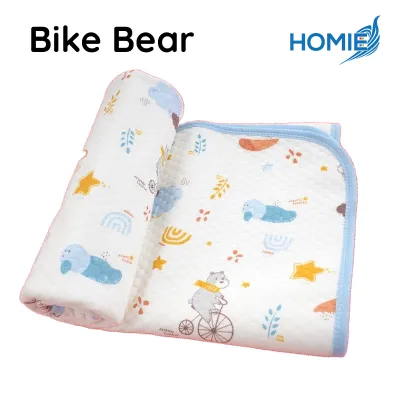
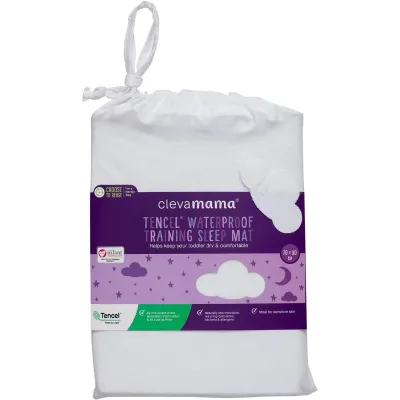
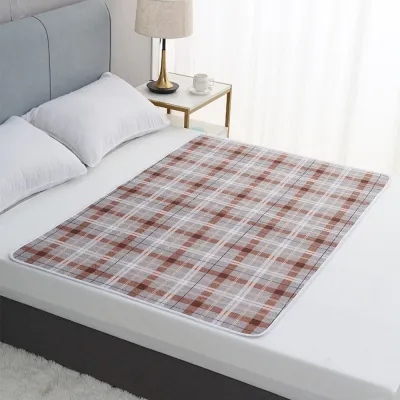
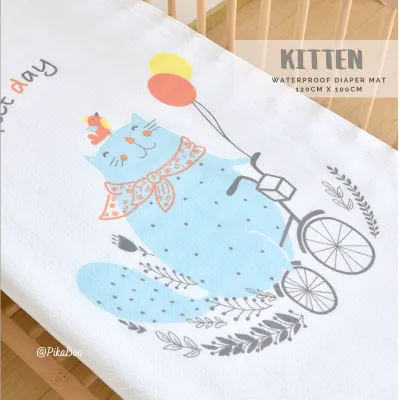
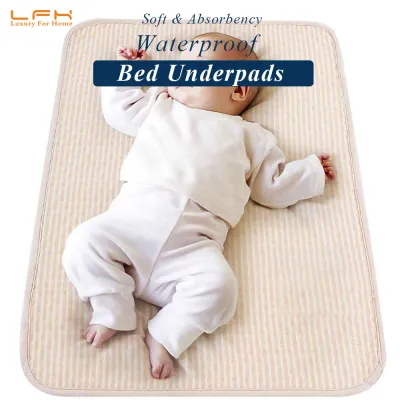


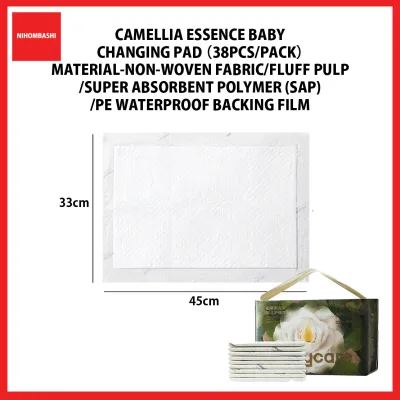
Prices are valid at publication and may change. Please refer to the product page for the latest price.
Measure the flat interior length and width of the changing surface. If your changing table features a wooden frame, safety rails, or a recessed tray, measure the space inside these boundaries rather than the outer dimensions of the furniture. The pee mat for kids must sit entirely flat within this area; any overhang can cause the mat to tilt or slide, creating an unstable surface for your child.
Next, measure the depth of the changing area or the height of the surrounding safety barriers. Many modern changing tables feature a shallow lip designed to keep the pad in place. The height of your chosen mat should not exceed the height of these protective barriers, as an overly thick pad can neutralize the safety benefits of the table’s raised sides. Ideally, the safety rails should remain higher than the top of the mat when your child is lying down.
Account for any unique design elements, such as curved ends, built-in dividers, or contoured table surfaces that reduce the usable flat space. If your table has a built-in compartment for wipes or diapers, measure only the section dedicated to the changing pad. Always cross-reference your measurements with the changing table manufacturer’s recommended pad dimensions and weight limits to ensure complete compatibility.
Compare Pad Types and Waterproof Materials
Waterproof mats are available in several structural designs and material compositions, each offering distinct advantages for cleanup and comfort. Understanding these differences helps you balance daily maintenance with your child’s comfort, particularly in warm and humid climates where heat retention can be an issue.

Wipeable synthetic covers, typically made from polyurethane (PUL) or vinyl-coated fabrics, offer the fastest cleanup. When accidents occur, you can simply wipe the surface clean with a damp cloth and mild, baby-safe soap. While highly convenient, some synthetic surfaces can feel cold or sticky against a baby’s skin, and they may trap heat in humid environments. To address this, many parents place a soft, washable cover over the synthetic mat.
Fabric-covered waterproof cores combine a soft, breathable outer layer—often made from cotton, bamboo rayon, or polyester microfiber—with an internal waterproof membrane. These mats are highly comfortable and absorb moisture quickly, preventing liquid from pooling under your child during a change. The trade-off is that the entire mat or its removable cover must be machine-washed after a significant mess, which requires keeping several backup mats on hand.
Contoured pads feature raised sides—typically two or three—that help keep your child centered on the mat. These are excellent for stationary home changing stations, as they provide a defined, secure space. Flat, universal-fit pads offer a lower profile and greater versatility, allowing you to transition the mat from the changing table to the floor, a playpen, or a bed as your child grows.
For specific scenarios, you may want to compare reusable cloth-backed options with disposable waterproof liners. Reusable mats are durable, cost-effective over time, and environmentally friendly. Disposable liners offer unmatched convenience during travel, illness, or outings, allowing you to discard the soiled layer immediately without worrying about storage or washing.
Select Essential Safety and Convenience Features
Safety must be your primary consideration when setting up a changing station. Even the most slip-resistant pee mat for kids requires careful installation and constant caregiver supervision. Never leave your child unattended on a changing table, even for a brief moment, regardless of the safety features built into the mat.
Evaluate the mat’s safety straps and harness compatibility. Many contoured pads include an adjustable safety strap with a buckle that secures around your child’s torso. Ensure the harness is easy to adjust and can be operated with one hand, leaving your other hand free to support your baby. Verify that the strap anchors securely to the pad’s core or directly to the changing table frame.
Check the bottom of the mat for reliable non-slip features. Look for mats equipped with textured rubberized backings, silicone grip patterns, or adhesive strips that prevent the pad from shifting during active diaper changes. Some mats also include security straps on the underside designed to screw directly into the back of your changing table frame, providing a semi-permanent, highly stable attachment.
Consider your lifestyle when choosing between stationary and portable designs. A heavy, contoured pad with a rigid core is ideal for a dedicated nursery setup. However, if you frequently change diapers in different rooms or travel often, a lightweight, foldable waterproof mat that fits easily into a diaper bag is a highly practical secondary option. Portable mats should fold compactly and resist creasing along the waterproof seams.
Verify Care Instructions and Replacement Conditions
Proper maintenance preserves the waterproof integrity of your mat and ensures a hygienic environment for your child. Always read the manufacturer’s care label before washing or sanitizing the mat, as improper cleaning methods can quickly degrade the waterproof barrier.
Avoid using harsh cleaning agents, bleach, fabric softeners, or vinegar, as these chemicals can break down polyurethane coatings, crack vinyl surfaces, or strip away water-resistant treatments. Stick to mild, baby-safe detergents and warm water for routine cleaning. If using disinfectant wipes, ensure they are approved for use on baby gear and wipe the surface with clean water afterward to remove any chemical residue.
If your mat or its cover is machine-washable, pay close attention to temperature limits. High heat in the washing machine or dryer can warp synthetic layers, melt waterproof backings, and weaken sealed seams. Air drying in a well-ventilated area is often the safest way to extend the lifespan of a reusable mat, though you must ensure it dries completely to prevent mold and mildew growth.
Inspect the mat regularly for visual signs of wear and tear. Look for peeling, cracking, or thinning of the waterproof layer, as well as loose stitching along the seams. If you notice any of these signs, or if the mat begins to retain persistent odors despite thorough washing, it is time to replace it to prevent leaks and maintain proper hygiene.
Frequently Asked Questions (FAQ)
Can I use a flat pee mat on a contoured changing table?
Using a flat pee mat for kids on a contoured changing table is generally not recommended unless the mat is thin and flexible enough to conform perfectly to the contours without bunching. A stiff, flat mat placed over raised contours can create an unstable, uneven surface, leading to sliding or rolling hazards. Always check the changing table manufacturer’s guidelines, as using an incompatible mat may compromise safety and void product warranties.
How do I know if the waterproof layer is failing?
You can identify a failing waterproof layer through several simple checks. Inspect the underside of the mat for physical damage such as cracking, peeling, or seam separation. If you notice moisture seeping through the mat onto the changing table surface during use, or if the mat takes unusually long to dry and retains a damp, musty odor, the waterproof barrier has degraded and the mat should be replaced immediately.

Community discussion
Share your experience or ask a question. Comments are reviewed before publication.