
Selecting a diaper changing table in Singapore requires balancing physical safety, caregiver comfort, and the unique spatial constraints of modern urban living. With diaper changes occurring up to ten to twelve times a day in a newborn’s first few months, this piece of furniture quickly becomes one of the most heavily used items in your nursery. To make a practical investment, you must prioritising space efficiency, robust safety mechanisms, ergonomic height, accessible storage, and climate-resilient materials.
While aesthetic appeal is always a consideration, the functionality of a diaper changing table directly impacts your daily routine and physical well-being. By focusing on key structural specifications and safety standards before comparing brands, you can narrow down your options to a model that fits both your home layout and your family’s lifestyle.
Evaluate Your Space and Layout Constraints
Before browsing designs, you must precisely measure your designated nursery or bedroom area. When measuring, do not focus solely on the static footprint of the furniture; you must also account for door swings, drawer pulls, walking clearance, and the space required for you to stand comfortably in front of or beside the table. A tight space can turn a standard changing table into a physical obstacle, disrupting the flow of the room.
Products mentioned in this guide
![【SG Happy Baby】 [diaper changing table]Baby Diapers Changing Table Foldable Newborn Multifunctional 0-3 Years Old Care Diaper Nursing Table LAPN 3445208002](https://img.lazcdn.com/g/p/cb8e257cb4999e10de1572619c195db0.jpg_webp_400x400q80.jpg_.webp)
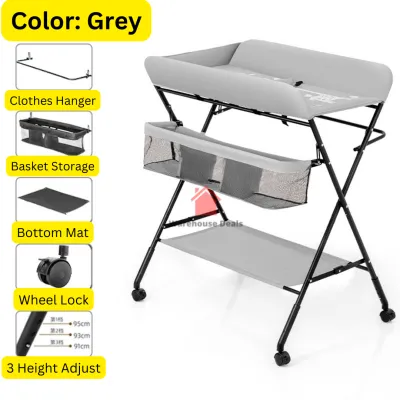
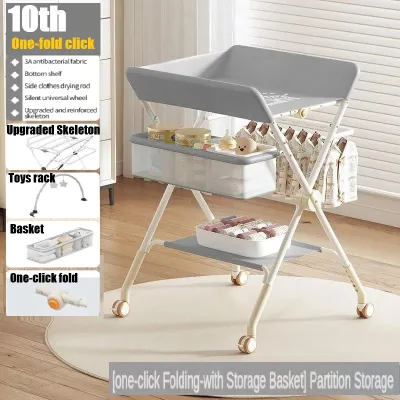
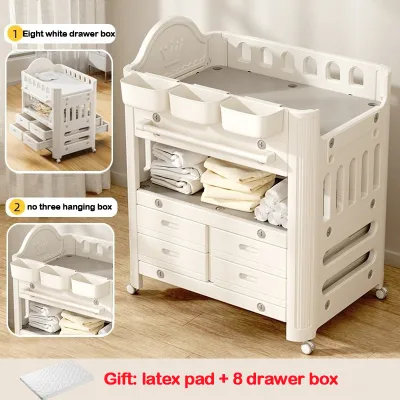
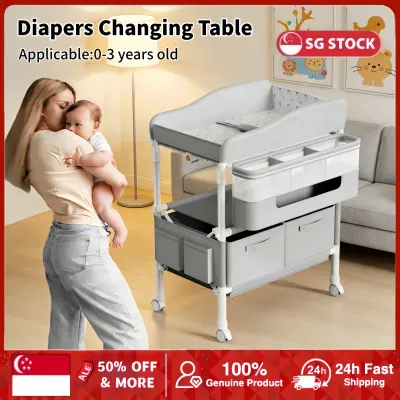
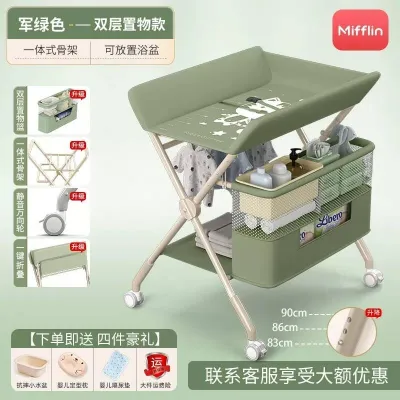
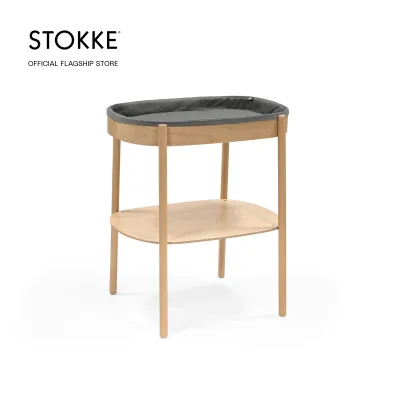
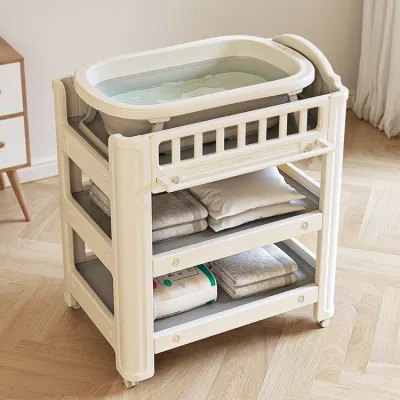
Prices are valid at publication and may change. Please refer to the product page for the latest price.
For compact living environments such as HDB flats and condominiums in Singapore, space-saving options are highly practical. Fold-down wall-mounted models offer a minimal footprint, folding flat against the wall when not in use to free up valuable floor space. Alternatively, narrow-profile designs or rolling changing frames that can be positioned over a cot or a compact chest of drawers can maximise limited square footage without compromising on usability.
Balancing the physical footprint with a comfortable working area is essential for safe diapering. You need enough room to stand squarely in front of the table, bend slightly, and move your arms freely without bumping into adjacent walls or furniture. If the space is too cramped, you may find yourself standing at awkward angles, which increases physical fatigue and limits your ability to react quickly if your baby wiggles.
Room layout also dictates safe placement. Ensure the changing table is positioned away from direct sunlight, which can quickly overheat a baby and degrade synthetic materials. Additionally, avoid placing the unit directly under air-conditioning vents to protect your baby from sudden drafts, and keep it well away from windows, electrical outlets, and window blind cords to eliminate strangulation and electrical hazards.
Identify Non-Negotiable Safety and Stability Features
Safety remains the absolute priority for any nursery furniture piece. A secure changing table must feature raised, contoured edges or physical guardrails on all sides to prevent accidental roll-offs. While some models feature barriers only on the sides, a fully enclosed changing surface with a barrier of at least five centimetres on all four sides offers the highest level of protection as your baby becomes more active.

Many changing tables come equipped with safety straps featuring a three-point or five-point harness to keep your baby secure during changes. While these straps provide an extra layer of security, they are secondary safety measures and must never replace active, continuous caregiver supervision. Always keep one hand on your baby at all times during the changing process, regardless of whether the harness is fastened.
Structural stability is critical to prevent tip-over accidents, especially as your child grows heavier and more active. Look for a unit with a wide, solid base and a low centre of gravity. For taller units or changing dressers, utilizing anti-tip kits or wall-anchoring hardware is essential to secure the furniture directly to the wall, preventing it from tipping forward if a child attempts to climb the drawers.
Before purchasing, verify the manufacturer’s documentation for safety certifications, maximum weight limits, and age recommendations. Inspect the unit physically or check specifications to ensure there are no sharp corners, exposed hardware, pinch points, or small detachable parts that could pose choking hazards. Always follow the manufacturer’s guidelines regarding weight limits to ensure structural integrity is maintained.
Check Ergonomic Dimensions for Caregiver Comfort
Changing a baby’s diaper occurs thousands of times in the first year alone, making ergonomic design a critical consideration for preventing chronic back, neck, and shoulder strain. The ideal table height is determined by the height of the primary caregiver. Standing for extended periods while bending over a surface that is too low can lead to lower back pain, while a surface that is too high forces uncomfortable shoulder elevation.
When calculating the working height, you must factor in the thickness of the changing pad. A thick, supportive changing pad can add five to ten centimetres to the overall height of the changing surface. Ensure the combined height of the table and pad allows you to change your baby with your elbows bent at a comfortable, slightly greater than 90-degree angle, keeping your spine relatively straight.
Lockable castor wheels offer excellent mobility, allowing you to roll the table between the nursery and your bedroom for nighttime changes. However, you must verify that the wheels lock securely into place to prevent any movement while the table is in use. If the wheels do not lock firmly, the table can shift when you lean against it or when the baby moves, creating a serious safety hazard.
Pay close attention to the edge profiles of the changing table frame. Smooth, rounded edges are far more comfortable than sharp, angular borders, which can press painfully against your forearms as you lean over to diaper your baby. Comfortable forearm support reduces physical fatigue, allowing you to focus entirely on completing the diaper change safely and efficiently.
Plan for Accessible Storage and Organisation
An organised diaper changing table keeps essential supplies within arm’s reach, allowing you to maintain physical contact with your baby at all times. When comparing storage configurations, consider the trade-offs between open shelving and closed drawers. Open shelves allow for fast, one-handed access to diapers, wipes, and creams, whereas closed drawers keep items dust-free but require you to open and close compartments while managing a moving baby.
Side caddies, hanging organisers, or built-in towel racks can significantly enhance usability by keeping frequently used items immediately accessible. These accessories allow you to store small items like diaper rash creams and hand sanitiser on the exterior of the table, saving the main shelving space for bulkier items and preventing clutter on the actual changing surface.
Evaluate the depth and layout of the storage compartments to ensure they can accommodate your preferred storage bins and bulkier items like jumbo diaper packs or extra clothing. Adjustable shelves provide excellent flexibility, allowing you to reconfigure the storage layout as your baby’s needs transition from small newborn items to larger toddler clothing and toys.
If you select a model with drawers, ensure the drawer glides feature soft-close mechanisms. Soft-close tracks prevent drawers from slamming shut, protecting curious toddler fingers from being pinched. Additionally, they eliminate sudden loud noises that could startle a sleeping baby or disrupt a peaceful nursery environment.
Select Hygienic and Climate-Resilient Materials
Singapore’s tropical climate, characterised by high relative humidity, presents unique challenges for nursery furniture. Materials must be highly resistant to moisture, mould, and mildew, while also being easy to sanitise. For the changing pad, prioritising waterproof, wipe-clean, and non-toxic materials such as polyurethane (PU) leather or medical-grade vinyl is essential to prevent liquids from soaking into the foam cushion.
While waterproof surfaces are easy to clean, they can feel sticky against a baby’s skin in warm weather. Using removable, machine-washable covers made from breathable, natural fibres like organic cotton or bamboo can enhance your baby’s comfort. Ensure you have several spare covers on hand to manage frequent spills, and always wash them according to the manufacturer’s care instructions to maintain their shape and hygiene.
When inspecting the main furniture body, look for durable, scratch-resistant finishes that can withstand frequent wiping with mild disinfectants. If the unit is made of wood or engineered wood, verify that the manufacturer uses non-toxic, low-VOC (volatile organic compound) paints, stains, or sealants. These finishes protect the wood from humidity-induced warping while ensuring indoor air quality remains safe for your newborn.
Examine the construction of the table for seamless joints and smooth surfaces. Deep crevices, intricate carvings, or rough joins can trap dust, lint, moisture, and diaper cream residue, making the unit difficult to clean thoroughly. A streamlined design with smooth, sealed surfaces allows you to wipe down the entire structure quickly, maintaining a hygienic environment with minimal effort.
Look for Longevity and Multi-Functional Transitions
To maximise your investment, consider how the diaper changing table can adapt to your child’s growth and extend its lifecycle beyond the diapering years. Convertible changing tables, such as dressers featuring a removable top changing tray, offer excellent long-term value. Once your child is potty-trained, the changing topper can be removed entirely, leaving you with a standard bedroom chest of drawers.
When evaluating dual-purpose furniture, inspect the structural integrity of the underlying dresser. Ensure the top surface is robust and will not be left with unsightly screw holes or permanent discoloration once the changing tray is detached. High-quality hardware and solid joinery are essential to ensure the drawers continue to glide smoothly after years of daily use.
Always check the maximum weight capacity of the changing surface in the product manual. Active toddlers can quickly approach the weight limits of lightweight folding tables, making a sturdier, solid-wood dresser option safer for older children. A higher weight limit ensures that the table remains safe to use even during the challenging toddler phase when children are heavier and more prone to squirming.
Choosing a timeless, neutral design with clean lines allows the furniture to transition seamlessly into other areas of your home. A neutral wooden or white dresser can easily find a second life in a study, guest room, or hallway. By planning for these future transitions, you can select a high-quality piece of furniture that serves your family for many years rather than just a few months.
Frequently Asked Questions (FAQ)
Do I really need a dedicated diaper changing table?
While a dedicated diaper changing table offers significant ergonomic benefits and keeps diapering essentials organised in one place, it is not strictly mandatory. A viable alternative is placing a secure, contoured changing pad on top of a sturdy, appropriately heighted dresser. However, standard dressers may lack built-in safety guardrails or immediate side-storage access, meaning you must be extra vigilant and ensure the pad is securely anchored to the dresser top to prevent sliding.
What is the ideal height to prevent back strain?
The ideal height allows you to change your baby while keeping your elbows at a comfortable, slightly bent angle without hunching your shoulders or bending deeply at the waist. Generally, a table height of 85 to 95 centimetres (including the thickness of the changing pad) serves as a comfortable baseline for most caregivers. To find your ideal height, test different models in-store or measure against your kitchen counters to identify a height that feels natural and strain-free.
How do I secure a changing table to prevent tipping?
To prevent serious tip-over accidents, you must secure the changing table directly to a wall stud using the manufacturer-provided anti-tip hardware. Before installation, check the manufacturer’s instructions and your wall type to ensure you use the correct anchors. Never rely solely on the weight of the furniture or place heavy items on the upper shelves, as this raises the centre of gravity and increases the risk of the unit tipping over if a child pulls on it.
Community discussion
Share your experience or ask a question. Comments are reviewed before publication.