
Selecting the ideal waterproof mat for your baby’s changing table is a critical decision that directly impacts daily nursery routines, hygiene, and infant safety. A mismatched mat can slide during diaper changes, leave hazardous gaps along the edges, or fail to provide the necessary support for your growing infant. To make an informed choice, you must evaluate the precise physical dimensions of your changing furniture, assess the safety of the materials, and verify how securely the mat anchors to the table frame.
In tropical climates like Singapore, where high humidity can accelerate the growth of mold and mildew, material selection becomes even more critical. A waterproof mat must not only repel liquids but also remain easy to clean and dry quickly to maintain a hygienic environment. By understanding how different mat designs interact with various changing table styles, you can select a combination that offers both practical convenience and peace of mind.
Measure for a Safe and Secure Fit
Before browsing online marketplaces or visiting local baby boutiques, you must obtain the exact measurements of your changing table’s usable surface. Do not rely solely on the external dimensions listed in the furniture’s product description, as these often include decorative trim, outer legs, or safety rails that extend beyond the actual flat area where the mat will rest. Use a metal measuring tape to record the precise length and width of the inner recessed platform.
Products mentioned in this guide
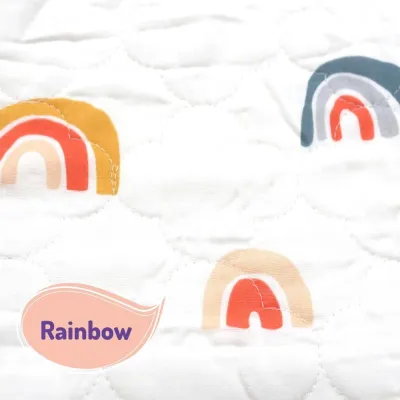
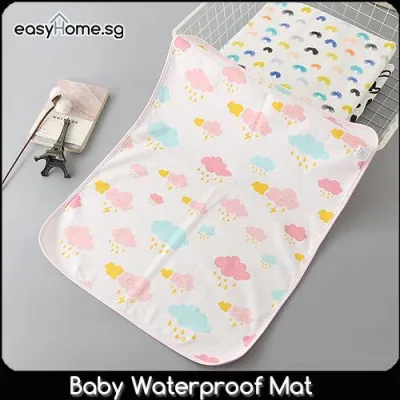
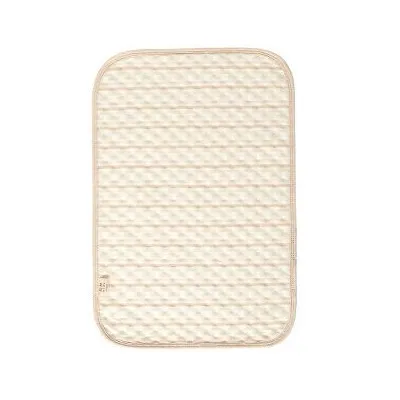
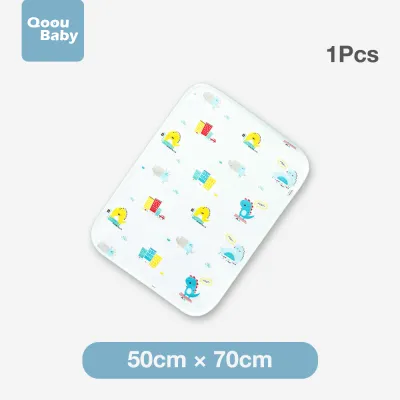
Prices are valid at publication and may change. Please refer to the product page for the latest price.
Additionally, measure the depth of the changing area from the platform surface to the top of the safety rails. This step is vital because a mat that is too thick can elevate your baby close to or above the top of the safety barrier, significantly reducing its effectiveness. Most safety guidelines recommend that the top of the barrier remain well above the surface of the mat, so verify the maximum pad thickness specified in your changing table’s instruction manual before purchasing.
The shape of the changing surface also dictates the type of mat you require. Standard flat rectangular surfaces can accommodate a wider variety of universal mats, provided the dimensions align closely. However, if your changing table features contoured edges or a curved wooden frame, you must select a mat designed to match those specific contours. An ill-fitting mat that leaves gaps wider than a couple of fingers along the sides can shift unexpectedly or trap small limbs, creating a serious safety hazard.
Evaluate Material and Comfort Features
Waterproof mats generally fall into two main categories: wipe-clean synthetic surfaces and machine-washable fabric covers paired with waterproof inner linings. Wipe-clean surfaces, typically made from polyurethane or vinyl, offer unmatched convenience for high-frequency diaper changes. They allow you to sanitize the surface instantly with a mild baby-safe wipe, which is highly practical during the newborn stage when diaper changes are frequent.

However, synthetic surfaces can sometimes feel cold or sticky against a baby’s skin, especially in warm or humid environments. To balance convenience and comfort, many parents opt for a wipeable mat paired with a removable, machine-washable fabric cover. If you choose this route, ensure the cover fits snugly over the mat without bunching or slipping, and verify that the fabric is highly breathable to prevent heat retention.
When evaluating materials, look closely at the manufacturer’s product specifications rather than relying on broad marketing claims. Verify that the mat is free from harmful chemicals such as phthalates, lead, and heavy metals. Because these standards are dynamic and vary by region, look for recognized safety certifications on the packaging or the manufacturer’s official website. Additionally, assess the density of the internal foam; it should be firm enough to support your baby’s spine without bottoming out against the hard wooden table surface, yet soft enough to provide comfortable cushioning.
Check Attachment and Safety Mechanisms
A waterproof mat must remain firmly anchored to the changing table to prevent shifting when your baby wiggles or rolls. Most high-quality mats feature integrated safety straps designed to wrap around the back or underside of the changing table frame. Inspect the quality of these straps, ensuring the buckles are robust and the strap length is adjustable to accommodate different furniture designs.
In addition to safety straps, many mats utilize non-slip backing materials, Velcro anchor points, or physical screw-down tabs to secure the pad to the wooden surface. A non-slip base is particularly useful on smooth wooden or laminate dressers, but it should always be used in conjunction with a physical strap or anchor for maximum security. If your changing table comes with pre-installed anchor hardware, ensure the mat you select is compatible with those specific attachment points.
While these safety features are essential for stabilizing the mat, they are never a substitute for active caregiver supervision. Always review the manufacturer’s stated weight and age limits for both the changing table and the mat. Never leave your baby unattended on a changing surface, even for a split second, regardless of how secure the straps, buckles, or contoured edges appear to be. Keep all changing supplies, such as diapers, wipes, and creams, within arm’s reach before you place your baby on the mat.
Match the Mat to Your Changing Table Brand
When selecting a mat, you will encounter both proprietary, brand-specific options and universal models. Proprietary mats are designed by the changing table manufacturer to fit a specific model’s unique dimensions, curves, and safety rail cutouts. While these options are often more expensive, they guarantee a perfect, seamless fit and typically align precisely with the table’s built-in safety strap slots.
If you prefer a universal mat, you must consult the compatibility charts provided on the mat manufacturer’s website or product packaging. These charts list the specific changing table brands and models that have been tested and approved for use with that particular mat. A universal mat can be a highly cost-effective and versatile choice, but it requires diligent verification of dimensions and strap placements to ensure it does not overhang the edges of your table.
For parents using a standard rectangular dresser with a removable changing topper, a universal flat or two-sided contoured mat is often the most practical solution. In this scenario, ensure the changing topper is securely bolted to the dresser frame, and select a mat with robust, adjustable straps that can anchor directly to the back of the dresser. This setup provides the stability of a dedicated changing table while allowing you to transition the dresser back to standard bedroom furniture once your child outgrows the diaper-changing phase.
Build Your Conditional Shortlist
To simplify your shopping process, you can build a personalized decision framework based on your specific nursery setup and lifestyle preferences. If you own a proprietary changing table with unique curves or integrated safety rails, prioritize brand-specific contoured mats to ensure a seamless fit. For standard rectangular tables or dresser toppers, focus your search on high-quality universal mats that feature robust safety straps and non-slip bases.
Next, consider your household’s cleaning preferences and daily routine. If you prefer a low-maintenance setup that can be sanitized in seconds, a wipeable polyurethane mat is an excellent primary choice. If your baby has highly sensitive skin, look for mats that accommodate soft, organic cotton covers, keeping in mind that you will need to purchase multiple covers to allow for frequent laundering.
Finally, before finalizing your purchase, verify the retailer’s return and exchange policies. Even with precise measurements, you may find that the actual strap placement or stiffness of the mat does not align perfectly with your changing table once assembled. Purchasing from a retailer that offers hassle-free returns or exchanges ensures you can swap the mat for a better-fitting alternative without unnecessary delay or expense.
Frequently Asked Questions (FAQ)
Can I use a regular crib mattress as a changing pad?
No, you should not use a regular crib mattress as a changing pad on a changing table. Crib mattresses are significantly larger, thicker, and heavier than dedicated changing mats, which prevents them from fitting securely within the safety rails of a standard changing table. Furthermore, crib mattresses lack the necessary safety straps, non-slip backings, or contoured edges required to anchor the pad to the changing table frame, creating a severe risk of the mattress shifting or the baby rolling off the elevated surface.
How do I clean and disinfect a waterproof changing mat?
To clean and disinfect your waterproof changing mat, always start by checking the manufacturer’s care label for specific instructions and approved cleaning agents. Harsh chemical disinfectants, bleach, or abrasive scrubs can degrade the waterproof coating or damage synthetic materials over time. For daily maintenance, wipe the surface down with a damp cloth and mild, baby-safe soap, then allow it to air dry completely in a well-ventilated area to prevent the growth of mold, mildew, or material cracking.
When should I stop using a changing table mat?
You should stop using a changing table mat when your baby reaches the maximum weight or height limit specified by the manufacturer of either the mat or the changing table. Additionally, pay close attention to your baby’s developmental milestones; once your baby begins consistently rolling over, attempting to crawl, or pulling themselves up to a standing position, transitioning to changing them on a secure floor mat is highly recommended to eliminate the risk of falls.

Community discussion
Share your experience or ask a question. Comments are reviewed before publication.