
Selecting the right water bottle for your toddler is a pivotal step in their weaning journey, marking a transition from breast or bottle feeding toward independent drinking skills. During this stage, a water bottle is not just a container; it is a developmental tool that helps your child refine their motor skills, oral coordination, and hand-eye control. In Singapore’s warm and humid climate, keeping your little one hydrated during outdoor trips to the playground, park, or preschool is a daily priority, making a reliable and portable bottle essential.
Navigating the vast array of options on the market can feel overwhelming for parents. From straw cups and soft spouts to open-cup trainers, each design serves a specific developmental purpose. To make an informed choice, you must evaluate several critical factors, including the bottle’s material safety, ergonomic design, flow rate, and ease of cleaning. By understanding what to look for on product labels and packaging, you can select a bottle that supports your child’s growth while ensuring daily convenience.
Key Features to Evaluate in a Toddler Water Bottle
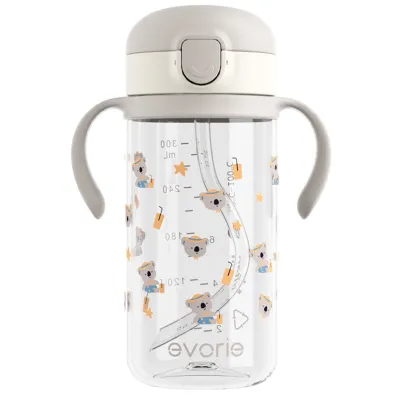
When choosing a water bottle for a weaning-stage toddler, the spout design is one of the most important features to consider. Different spout types support different stages of oral development. Straw bottles are highly recommended by pediatric dentists as they encourage a mature swallowing pattern, promote lip seal, and keep the tongue in a natural position. Soft silicone spouts can serve as an intermediate step, but prolonged use of hard plastic spouts should be monitored, as they may impact palate development. Transitioning to an open cup or a 360-degree rim trainer helps your child learn the natural tilting motion required for adult drinking.
Products mentioned in this guide
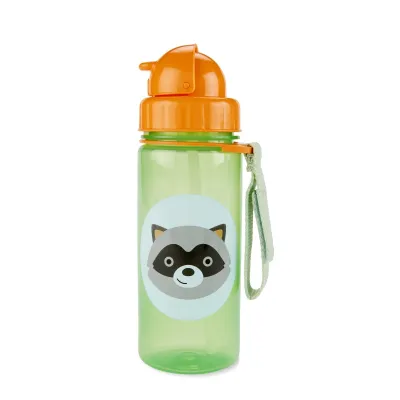
![[Free Carrier Bag] Kids Water Bottle 400ml BPA-Free Plastic Tritan Thick Rubber Straw and Without Straw Leakproof Upstyle For Children Student School Childcare Drinking Bottle by 8miles](https://img.lazcdn.com/g/p/f8caa17ca9535f8194b300da6f006182.jpg_400x400q80.jpg_.webp)
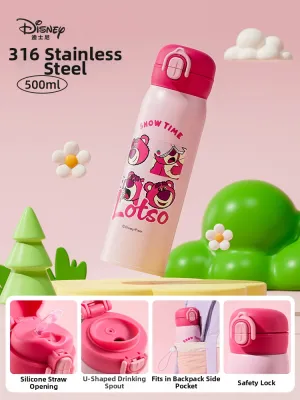
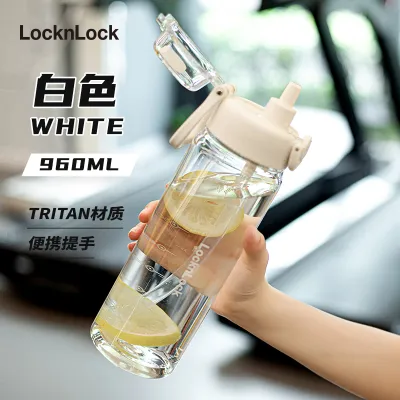
Prices are valid at publication and may change. Please refer to the product page for the latest price.
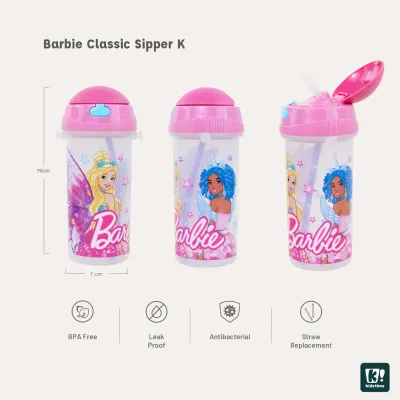
Material safety is a non-negotiable factor when selecting any product that comes into contact with your child’s food or drink. Always inspect the product packaging and manufacturer labels to verify that the bottle is free from harmful chemicals. Look for explicit “BPA-free” and “BPS-free” claims. If you prefer plastic, check for high-quality, durable materials like polypropylene (PP) or co-polyester (often labeled as Tritan), which are lightweight and impact-resistant. For silicone components, such as straws and valves, ensure the packaging specifies “food-grade silicone.” If you opt for metal, verify that the bottle is made from high-grade, food-safe stainless steel, such as 304 or 18/8 grade, which does not retain odors or flavors.
Ergonomics play a vital role in how easily your toddler can use the bottle independently. Toddlers have small hands and limited grip strength, so a heavy or bulky bottle can lead to frustration and drops. Look for bottles that feature integrated, easy-to-grip handles, which are especially helpful for younger toddlers transitioning from baby bottles. For older toddlers, a contoured bottle body or a textured silicone sleeve can provide a secure, non-slip grip. Additionally, consider the overall weight of the bottle when fully filled; a capacity of 200ml to 300ml is generally the sweet spot, offering enough hydration without becoming too heavy for a toddler to lift.
Leak-Proof vs. Free-Flow: Understanding Valve Mechanisms
To choose the right bottle, you must understand the functional differences between leak-proof and free-flow valve mechanisms. Many toddler bottles feature a bite-valve straw or a cross-cut silicone valve. These designs require the child to actively bite down or apply suction to open the pathway for water. While these mechanisms are incredibly effective at preventing spills when the bottle is dropped, tossed, or turned upside down, they do require more physical effort from the child. Some younger toddlers may find this suction requirement frustrating, especially if they are used to the easy flow of a baby bottle or breast.

In contrast, free-flow designs allow water to flow immediately when the bottle is tilted or the straw is sipped, requiring minimal physical effort. While free-flow bottles are excellent for teaching natural drinking mechanics and are often preferred for oral development, they offer little to no spill protection. If a free-flow bottle is tipped over on a play mat or dropped in a stroller, water will escape. Flip-top spouts offer a middle ground, providing a free-flowing sip when open, but sealing completely when the lid is clicked shut. Parents must balance the convenience of a spill-free home with the developmental benefits of an easier, more natural flow.
Determining when to transition your child from a highly leak-proof valve to a free-flow cup depends on their individual developmental signs. If your toddler can sit upright independently, hold a cup without tipping it excessively, and show good lip control when sipping, they may be ready for a free-flow or open cup. You can start by introducing free-flow cups during supervised mealtimes at the high chair, where spills are easy to clean. For on-the-go scenarios, such as stroller rides or car trips, keeping a leak-proof valve bottle on hand can save you from messy cleanups.
Hygiene and Maintenance: Ensuring Easy Cleaning
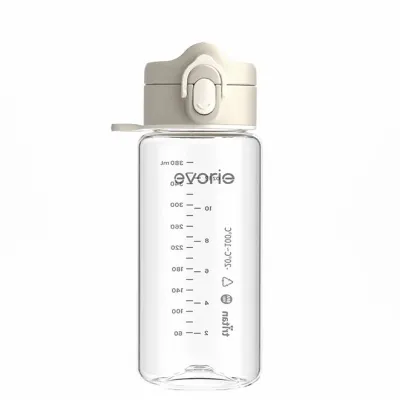
In Singapore’s warm and humid environment, hygiene is a paramount concern for parents. Damp, dark spaces inside a water bottle are prime breeding grounds for mold and bacteria. When evaluating a bottle, look closely at its physical design. A wide-mouth opening is highly beneficial, as it allows you to easily insert a standard bottle brush to scrub the interior walls. Avoid bottles with complex, non-removable valve systems or deep, narrow crevices where moisture can trap. Removable silicone gaskets and seals are essential; you must be able to take them apart completely to clean and dry them thoroughly.
Before purchasing, always verify the manufacturer’s cleaning instructions and dishwasher safety indicators. Some plastic bottles are top-rack dishwasher safe, while others must be hand-washed to prevent warping. If you plan to sanitize the bottle using steam or boiling water, check the packaging for the maximum temperature limits of each component. Silicone parts can typically withstand high temperatures, but certain plastics or painted stainless steel exteriors may degrade, peel, or warp if exposed to extreme heat. Following the manufacturer’s specific care guidelines ensures the bottle remains safe and durable over time.
Be cautious of red flags that indicate a bottle will be difficult to maintain. Fixed straws that cannot be detached from the lid, narrow straw tubes that do not come with a dedicated cleaning brush, and complex push-button lids with hidden springs are common culprits for mold buildup. If a bottle has too many small, intricate parts, it not only increases cleaning time but also increases the risk of losing a crucial seal during washing. A simple, streamlined design with fully disassemblable parts is always the safest and most practical choice for busy parents.
Building Your Toddler Water Bottle Shortlist
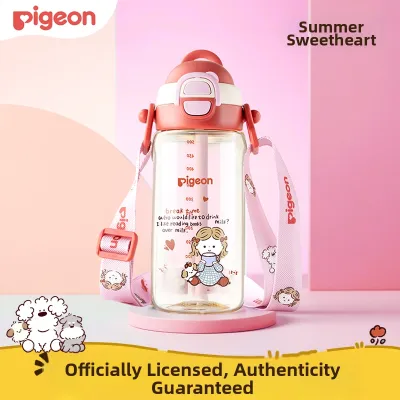
To build a practical shortlist, match the bottle’s features to your family’s daily routines and specific use cases. For instance, if you need a bottle primarily for stroller rides or outdoor play at the park, prioritize a leak-proof straw bottle with a protective flip-cap to keep the drinking surface clean. For daycare or preschool, look for a lightweight, durable plastic bottle with a clear name-label space and an easy-to-operate lid that your child can open independently. For mealtimes at home, a simple open trainer cup or a small, weighted straw cup is ideal for practicing table skills.
Before making a final purchase, run through a quick checklist of non-negotiable safety and usability factors. First, inspect the bottle for any small, detachable parts that could pose a choking hazard if they become loose. Second, check that the lid mechanism is secure yet manageable for a toddler’s hands; a lid that is too stiff will lead to constant requests for help, while one that is too loose may open accidentally in your bag. Third, verify that replacement parts, such as silicone straws and gaskets, are readily available for purchase, as these components often wear out or get lost over time.
Finally, always verify the age, weight, and capacity recommendations printed on the product packaging. Manufacturers design bottles with specific developmental stages in mind, and using a bottle meant for an older child can lead to spills or frustration. A bottle that is too large (such as 400ml or more) can be heavy and difficult for a young toddler to balance. Start with a smaller capacity, typically between 200ml and 300ml, and upgrade to larger sizes as your child grows and their hydration needs increase.
Frequently Asked Questions (FAQ)
When should I transition my child from a sippy cup to a straw or open cup?
Most pediatric health and dental professionals recommend introducing a straw or open cup around 12 months of age, though some infants can begin practicing with supervised sips as early as 6 months. Signs of readiness include your child showing interest in your own drinking cup, the ability to sit upright without support, and improved hand-to-mouth coordination. To introduce a new cup safely, start during mealtimes with small amounts of water. If your child struggles or coughs, revert to a familiar cup and try again in a few weeks, or consult your pediatrician for personalized guidance.
Are stainless steel bottles safe for young kids?
Yes, stainless steel bottles are a safe and highly durable option for young children, provided you verify a few key details on the packaging. Ensure the bottle is made from food-grade stainless steel (such as 304 or 18/8) and does not have a chemical inner lining that could scratch or peel. Keep in mind that metal bottles are heavier than plastic, which increases the risk of injury if dropped on little toes, so look for models with protective silicone boots on the base. Additionally, if you use a non-insulated single-wall metal bottle, only fill it with cool or room-temperature water to prevent burn risks, as the exterior can quickly become hot to the touch.

Community discussion
Share your experience or ask a question. Comments are reviewed before publication.