
To choose the right urine pad size for your changing table, you must match the pad’s exact dimensions to the flat, usable surface area of your changing table, ensuring it lies completely flat without overhanging the edges or bunching up. A proper fit is crucial because an oversized pad can slip off the table, creating a fall hazard, while an undersized pad leaves your furniture vulnerable to leaks and stains. By taking precise measurements of your table’s interior dimensions and comparing them with the manufacturer’s specifications, you can select a pad that provides optimal coverage and a safe, stable environment for your baby.
In compact living environments, such as Singapore apartments where nursery space is often integrated into master bedrooms, choosing the right furniture and accessories requires careful spatial planning. A changing table is a highly functional piece of furniture, but its utility depends heavily on how well its protective accessories fit. A urine pad that is too large will bunch up at the corners, creating uneven surfaces that can make diaper changes uncomfortable and unstable for your infant. Conversely, a pad that is too small fails to protect the underlying mattress or wooden frame from sudden spills, leading to moisture retention and potential hygiene issues in humid climates.
Understanding the specific type of changing setup you have is the first step in this process. Some parents use a standalone wooden changing table with built-in safety rails, while others opt for a removable changing tray that sits securely on top of a standard chest of drawers. Portable folding changing stations and fabric-covered foam changing pads are also popular choices. Each of these designs presents unique dimensional constraints, meaning that a one-size-fits-all approach to buying urine pads will often result in an improper fit.
Products mentioned in this guide
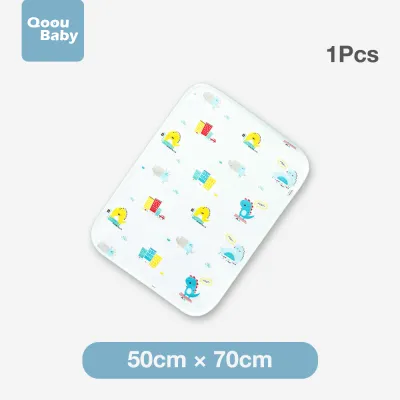


Prices are valid at publication and may change. Please refer to the product page for the latest price.
Measure Your Changing Table Surface
To establish the exact dimensions of the urine pad you need, you must first measure the usable flat area of your changing table surface. Use a reliable metal measuring tape rather than a flexible sewing tape, as metal tapes remain rigid and provide a more accurate straight-line measurement across the surface. Measure the length from the inside of one end barrier to the inside of the opposite barrier, and do the same for the width. This ensures you are measuring only the actual space where a pad can lie completely flat, excluding the thickness of any wooden frames or decorative borders.
Many modern changing tables feature raised safety edges, contoured sides, or built-in wooden rails designed to prevent your baby from rolling off the side. These safety features significantly reduce the actual usable flat space on the table surface. When measuring, make sure your tape measure sits flat against the base of the changing area, running from the innermost point of one rail to the innermost point of the opposite rail. If your changing table uses a curved or contoured foam pad as its primary surface, you should measure the flat center channel of that foam pad where the baby actually lies, rather than the outer dimensions of the foam itself.
Another critical dimension to consider is the depth or thickness of the changing area, especially if your table features a recessed tray design. If the changing table has a shallow tray, placing a very thick, multi-layered urine pad inside it can raise the baby’s position too high relative to the safety rails. This height elevation can compromise the effectiveness of the protective barriers, making it easier for an active baby to roll over the edge. Note the height of your table’s safety rails and ensure that the combined thickness of your primary changing mattress and the protective urine pad leaves a safe, functional barrier height.
Compare Measurements with Available Pad Sizes
Once you have recorded the precise length, width, and depth of your changing surface, you can begin comparing these figures with the dimensions of commercially available urine pads. It is vital to check the product labels and online product descriptions for exact measurements in centimeters or inches, rather than relying on generic size descriptors such as “standard,” “medium,” or “travel size.” Because there is no universal regulatory standard for changing pad dimensions, what one manufacturer labels as a “standard” size may be several centimeters larger or smaller than another brand’s equivalent.

When evaluating a pad’s dimensions, the goal is to find a size that covers the central diapering area completely without overlapping any safety features. Many changing tables and contoured foam pads come equipped with built-in safety straps that buckle across the baby’s torso. The urine pad you choose must not cover these straps or block their anchor points, as this would prevent you from securing your baby safely during changes. Look for urine pads that are designed to fit neatly between the strap exits, or select pads that feature dedicated, reinforced slots through which the safety straps can be threaded.
You will also need to balance the trade-off between pad thickness and the physical constraints of your changing table. Highly absorbent urine pads often feature multiple layers of material, such as organic cotton, bamboo terry, and thick polyester filling, which provide excellent cushioning but add significant bulk. If your changing table has a very shallow safety rim, a thinner, high-performance waterproof pad with a thermoplastic polyurethane (TPU) backing may be a safer choice. These thinner pads lie exceptionally flat, do not compromise the height of your safety rails, and are easier to fold and store when not in use.
Ensure Secure Fit and Slip Prevention
A secure fit is essential for maintaining safety during active diaper changes, as babies frequently wiggle, kick, and attempt to roll over. If a urine pad is too small or lacks a stable backing, it can easily slide across the changing table surface under the baby’s weight, causing sudden instability. To prevent this, look for urine pads that feature a dedicated non-slip backing, which typically consists of small silicone grip dots or a textured, rubberized waterproof layer that clings to the underlying fabric or wood.
Avoiding oversized pads is equally important for preventing slips and falls in the nursery. When a urine pad is too large for the changing table, the excess material will either bunch up at the corners or overhang the edges of the table. Overhanging edges present a serious safety hazard, as an active baby can easily grab the loose fabric and pull it, or you might accidentally snag the overhang with your clothing as you move around the table. This can cause the pad, along with any diapering supplies resting on it, to slide off the table unexpectedly.
Before using a new urine pad, place it on your changing table and perform a quick manual check to verify that it lies completely flat without any bunching, folding, or curling at the corners. Any unevenness in the pad can create pockets where liquids can pool and run off onto the unprotected furniture, defeating the purpose of the pad. A flat, smooth surface is also much more comfortable for your baby’s sensitive skin, reducing friction and ensuring that the waterproof barrier functions exactly as intended across the entire surface area.
Adjust for Your Diapering Routine and Environment
Your specific diapering routine and the layout of your home should also influence the size and quantity of the urine pads you select. If you have a highly active baby who tends to move around significantly during changes, choosing a pad that maximizes the safe, flat surface area of your table is highly beneficial. This extra coverage provides a larger protective zone against unexpected sprays and spills, saving you from having to clean the surrounding wooden frame or fabric covers during a messy change.
For secondary diapering locations around your home or when traveling, compact and highly portable urine pads are often the most practical choice. In a multi-story home or a spacious apartment, you might set up a temporary changing station on a bed, a sofa, or a portable folding mat. For these scenarios, smaller, lightweight pads that can be easily folded into a diaper bag or stored in a small basket are ideal. These portable pads do not need to match the rigid dimensions of a wooden changing table frame, but they should still be large enough to protect the temporary surface beneath them.
To maintain a hygienic nursery environment, you should plan to have multiple urine pads of the correct size in your household rotation. Because diaper changes can be unpredictable, it is common to go through several pads in a single day. Having a minimum of three to five correctly sized pads ensures that you always have a clean, dry protector ready to place on your changing table while the soiled ones are in the laundry. This rotation prevents the temptation to use an ill-fitting temporary substitute, such as a loose towel or an oversized blanket, which could compromise your baby’s safety.
Common Sizing and Fit Mistakes to Avoid
One of the most frequent mistakes parents make is ignoring the space occupied by built-in changing table accessories. Many modern changing tables are designed with integrated storage caddies, side shelves, or attached containers for holding wipes, lotions, and clean diapers. If these accessories encroach on the flat surface of the changing area, they effectively reduce the width or length available for the urine pad. Failing to account for these attachments can result in buying a pad that is too wide to lie flat, forcing it to bunch up against the storage units.
Another common error is assuming that a pad labeled as “universal” will fit your specific changing table without verification. The term “universal” is a marketing label rather than a technical specification, and changing tables vary widely in design across different brands and regions. Always measure your specific setup rather than relying on product titles, especially if you are using a vintage changing table, a custom-built dresser topper, or an imported furniture piece that may follow different regional sizing standards.
Finally, using a urine pad that is significantly too small is a mistake that can lead to unnecessary cleaning hassles and furniture damage. While a very small pad might seem convenient because it is easy to wash and dry, it leaves a large portion of your changing table surface completely exposed. During a messy diaper change, liquids can easily run off the edges of a small pad and seep into the seams of your changing mattress or the joints of your wooden table. Over time, this moisture exposure can lead to persistent odors, wood warping, and the growth of mold or bacteria in hard-to-reach crevices.
Frequently Asked Questions (FAQ)
Can I use a regular mattress protector instead of a dedicated changing table pad?
Using a standard crib or single-bed mattress protector on an elevated changing table is not recommended due to significant safety risks. Standard mattress protectors are designed for flat, low-profile sleeping surfaces and are much larger than the usable area of a changing table. Attempting to tuck or fold this excess fabric around a changing mattress creates severe bunching, which can make the surface unstable and pose a suffocation hazard for an infant. Dedicated changing table urine pads are specifically sized to fit these compact surfaces and often feature specialized non-slip backings and safety strap slots that general mattress protectors lack.
Does the pad size need to change as my baby grows?
No, the size of your urine pad should not change as your baby grows, because the maximum safe pad size is strictly dictated by the physical dimensions of your changing table. Even as your baby becomes longer and more active, you must never use a larger pad that overhangs the edges of the table, as this creates a dangerous slipping and pulling hazard. Instead, you should select a pad that maximizes the safe, flat interior space of your changing table from the very beginning. This ensures that you have the maximum allowable protective coverage throughout your diapering journey, from the newborn stage until your child transitions out of diapers.

Community discussion
Share your experience or ask a question. Comments are reviewed before publication.