
Navigating public restrooms with a toddler in the middle of potty training can be stressful, especially when you are away from home. There is no single universal solution for every journey; the ideal choice depends heavily on your mode of transport, luggage constraints, and your child’s current developmental stage. By understanding the distinct advantages of foldable, inflatable, disposable, and seat-top reducer options, you can select a travel companion that keeps your child comfortable and your outings stress-free. Matching the seat design to your specific itinerary—whether it is a quick train ride, a road trip across the causeway, or a long-haul flight—ensures that toilet training remains consistent and hygienic wherever you go.
Understanding the Main Types of Travel Toilet Seats
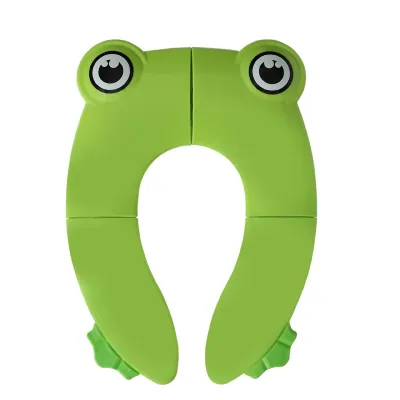
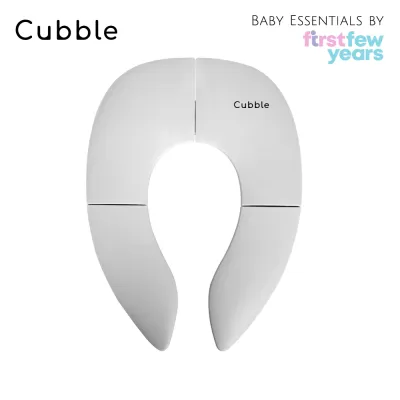
Foldable seats are highly versatile and come in two primary designs. Standalone foldable potties feature legs that fold out to support a disposable waste bag, making them completely independent of public plumbing. Alternatively, foldable seat reducers fold flat or into quarters to sit directly on top of an adult toilet seat, reducing the aperture so a toddler does not slip through. While standalone units offer maximum independence, they require you to manage and dispose of waste bags. Foldable reducers are more compact but require a clean adult toilet to rest upon. Many parents prefer foldable reducers with sturdy locking hinges that prevent the seat from pinching your child’s skin during use.
Inflatable seats provide an ultra-lightweight and cushioned surface for your child. They pack down extremely small when deflated, making them excellent space-savers in a diaper bag. However, they require manual inflation or a small pump before each use, which can be challenging when managing an impatient toddler. They also carry the risk of punctures from sharp objects in your bag and require careful deflation and wiping down before storage. Because of the setup time, they are best suited for destinations where you will stay in one place for several hours rather than quick transit stops.
Products mentioned in this guide

![[SG] Kids Travel Foldable Toilet Seat/ Baby Foldable Travel Potty Seat/ Kids Folding Toilet Training Seat Cover](https://img.lazcdn.com/g/p/d0f64ba2678c26156c57f25b7d66c912.jpg_400x400q80.jpg_.webp)
![[Ann&Ann] Foldable Portable Travel Potty Seat: Lightweight Support for Baby and Kids Ideal for Toilet Training. Comfortable Cushion Booster for Children.](https://img.lazcdn.com/g/p/85fc672e1f7d1ec2db67a727f4399f3b.jpg_400x400q80.jpg_.webp)
![[SG Local Seller] Potty Training Seat with Handles-Adjustable Toddler Toilet Training Seat-Soft Anti-Cold Seat-Urinal Pad with Non-Slip Base Splash Guard Wall Hanging Ring - Travel Portable Easy Clean Dry - For Infant Kids Boy Girl (ToddlerFinest)](https://img.lazcdn.com/g/p/366ef671fafacbaea897e2362918520b.png_400x400q80.png_.webp)
![[SG Stock] Kids Padded Potty Training Toilet Seat with handle Children Toilet Training Seat Cute Bee design](https://img.lazcdn.com/g/p/e6ed44bd59ddb53f9fc32e1c022b57ca.jpg_400x400q80.jpg_.webp)
Prices are valid at publication and may change. Please refer to the product page for the latest price.
Disposable covers are single-use paper or plastic sheets designed to drape over public toilet seats. They provide an immediate, hygienic barrier against surface contact, which is highly reassuring in busy public restrooms. However, they offer absolutely no structural support or size reduction. If your child is still small and fears falling into the toilet bowl, a disposable cover alone will not solve the physical stability issue. They are best used as an extra layer of hygiene in combination with a physical seat reducer or for older children who only need protection from contact.
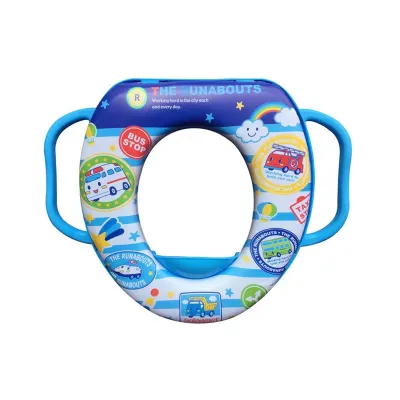
Seat-top reducers are rigid, non-folding rings that mimic the potty seat your child likely uses at home. They offer excellent stability and a familiar feel, which can significantly reduce toilet anxiety in new environments. Because they do not fold, they are bulkier to transport, making them better suited for destinations where you will stay in one place for an extended period rather than active transit days. Many models feature built-in splash guards and integrated handles, allowing your child to hold onto the seat securely without touching the public toilet bowl.
Matching the Toilet Seat to Your Travel Scenario
Road Trips and Outdoor Excursions
When you are traveling by car or spending the day at outdoor parks, luggage space is generally less restricted, but access to clean public restrooms can be highly unpredictable. For these journeys, prioritizing a standalone foldable potty is often the most practical choice. These units can be set up in the trunk of an SUV or on a flat patch of grass, allowing your child to relieve themselves comfortably without relying on public facilities.

To make these outdoor stops seamless, check that the standalone potty is compatible with standard disposable waste bags and absorbent liners. Having a reliable supply of leak-proof bags ensures you can tie up and dispose of the waste responsibly at the next rest stop. In warm, humid climates, choosing bags with odor-neutralizing properties and highly absorbent pads is essential for keeping your vehicle fresh during long drives.
Additionally, look for a potty base with a wide, stable footprint. Uneven ground, grass, or gravel can easily cause a narrow potty to tip over, so a low center of gravity and broad legs are essential for outdoor safety. Some models feature rubberized feet that grip the ground, preventing the potty from sliding on smooth surfaces like car trunks or picnic shelter floors.
Flights and Public Transit
Cramped airplane lavatories and busy transit hubs present unique challenges, including tight physical spaces and strict carry-on luggage limits. In these high-traffic environments, bulky standalone potties are highly impractical to carry and virtually impossible to empty or clean sanitarily.
Instead, rely on ultra-compact foldable reducers or disposable paper covers that slip easily into a small backpack or diaper bag. These options allow you to utilize the existing aircraft or station toilets without adding bulk to your transit gear. Look for models that come with a waterproof wet bag, allowing you to store the used seat hygienically until you reach your destination.
Speed is critical when traveling on public transit, as toddlers rarely give advance warning. Choose a foldable reducer that can be unfolded and positioned with one hand, allowing you to support your child with the other while navigating a moving train or plane. Avoid complex latching systems that require two hands or take more than a few seconds to deploy.
Overseas Holidays and Hotel Stays
Staying in hotels or visiting relatives overseas requires a balance between hygiene and maintaining your child’s established toilet routine. Unfamiliar bathroom layouts and different toilet designs can cause regression in potty training if the child feels insecure.
A rigid, universal-fit seat-top reducer is often the best choice for hotel stays. It provides a sturdy, familiar seating surface that closely resembles their home setup, helping to maintain consistency throughout the holiday. Because you only need to transport it between accommodations, the lack of foldability is less of a drawback.
Before purchasing, check the product specifications regarding toilet shape compatibility. Some reducers are designed specifically for round bowls, while others accommodate elongated designs; choosing a model with adjustable brackets ensures it sits flush on various hotel fixtures without dangerous overhangs. This prevents the seat from shifting when your child climbs on or off.
Bringing this single, familiar item along helps bridge the gap between home and a new environment, reducing the anxiety that often accompanies toilet training in unfamiliar places. It also ensures you do not have to sanitize the hotel toilet seat before every single use, saving time and effort during your vacation.
Essential Safety and Compatibility Checks Before Buying
When shopping for a travel toilet seat, it is crucial to verify the manufacturer’s stated weight, age, and height limits on the product packaging. Children develop at different rates, and exceeding these limits can cause the plastic hinges or supports to buckle under pressure. While basic models may start around S$15, investing in a robust, slip-resistant design up to S$40 can offer greater peace of mind and durability over multiple trips.
Inspect the underside of the seat for robust anti-slip mechanisms. Look for generous silicone pads, textured rubber grips, or locking clips that secure the travel seat to the adult toilet rim. A seat that slides or shifts when the child moves can cause sudden frights or physical falls, which can set back potty training progress significantly.
Review the material safety labels to ensure the plastics are free from harmful chemicals like BPA and phthalates. Additionally, read the manufacturer’s recommended cleaning instructions; some materials degrade quickly when exposed to alcohol-based sanitizers, while others require simple soap and water to maintain their structural integrity. Choosing a material that can withstand regular sanitizing without warping is vital for long-term hygiene.
Establish clear stop-use conditions to ensure your child’s safety over time. Regularly inspect the travel seat for visible hairline cracks in the plastic, worn-out rubber grips, or loose hinges. If the seat no longer sits securely or if your child’s thighs outgrow the physical dimensions of the opening, it is time to transition to a larger model or a standard adult seat.
Practical Tips for Using Travel Potty Seats on the Go
Before embarking on any trip, conduct several practice sessions at home using the new travel toilet seat. Allowing your child to use it in a familiar, low-stress environment builds confidence and ensures they will not be intimidated by the device when you are in a busy public restroom. You can even let them decorate the carry case with stickers to build positive associations.
Assemble a dedicated travel hygiene kit to keep in your diaper bag. This kit should include alcohol-free antibacterial wipes, small plastic disposal bags, hand sanitizer, and a compact microfiber towel for drying the seat after cleaning. Keeping these items organized in a single pouch ensures you can access them quickly in an emergency.
Always maintain active physical supervision when your child is using a travel toilet seat. Public restrooms often have high fixtures, slippery tiled floors, and automatic flush sensors that can startle a child, making your physical presence and reassuring hand essential for safety. Hold your child’s hands or torso to keep them steady, especially on taller public toilets.
Whenever possible, seek out dedicated family restrooms or accessible facilities. These spaces offer more room to maneuver, diaper-changing tables, and a quieter environment, making it much easier to set up your travel seat and assist your child without feeling rushed. They also provide a more private space if your child is easily distracted or anxious in busy restrooms.
Never attempt to force a travel seat onto an incompatible adult toilet. If the seat wobbles, overhangs excessively, or does not lock into place, do not use it; instead, support your child manually over the toilet to prevent slips and injuries. Forcing a seat can damage both the travel device and the host toilet, creating an unstable surface that risks a fall.
Frequently Asked Questions (FAQ)
Can I use a portable potty seat inside an airplane lavatory?
Yes, you can generally use compact foldable reducers or disposable covers inside an airplane lavatory, but standalone potties that require waste bags are highly impractical due to the extremely tight space. Always check with your airline’s cabin crew if you have questions about using personal child-care items in the restrooms. Because airplane toilets use powerful vacuum flushes that can startle young children, it is often helpful to cover the automatic flush sensor with a sticky note before your child sits down. If space is too tight to safely position a reducer, holding your child securely under their thighs while they sit on the adult seat is a reliable alternative.
How do I clean a foldable travel toilet seat in public?
To clean a foldable seat in a public restroom, use alcohol-free antibacterial wipes to thoroughly wipe down all surfaces, paying close attention to the hinges and the underside that contacts the public toilet. Avoid using harsh chemical sprays or industrial disinfectants, as these can degrade the plastic over time and leave residues that might irritate your child’s sensitive skin. Always ensure the seat is completely dry using a clean paper towel or microfiber cloth before folding it back up. Storing a damp plastic seat in a sealed bag in warm, humid climates can quickly lead to mold and bacterial growth, so proper drying is essential.

Community discussion
Share your experience or ask a question. Comments are reviewed before publication.