
Potty training is a major milestone for young children, but maintaining consistency while away from home presents unique challenges. Choosing the right travel potty for kids depends entirely on where you plan to use it, as a model that works perfectly in the back of an family vehicle may be highly impractical in a cramped airplane lavatory. By matching the design of the potty to your specific travel scenario—whether navigating a long road trip, boarding a flight, or exploring a local park—you can prevent stressful accidents and keep your child’s training on track.
To make an informed decision, it is essential to understand the structural differences and basic trade-offs of the three primary travel potty categories available on the market.
Understanding the Main Types of Travel Potties
Foldable potties feature collapsible frames that fold flat, making them exceptionally easy to pack into a diaper bag or stroller basket. These models typically serve a dual purpose: they can stand alone with a disposable liner bag attached, or they can unfold completely flat to rest securely on top of a standard adult toilet seat. While they offer unmatched portability, they do require routine cleaning of the frame after use, and parents must ensure the folding hinges are locked securely before each use to prevent pinching or collapsing.
Products mentioned in this guide
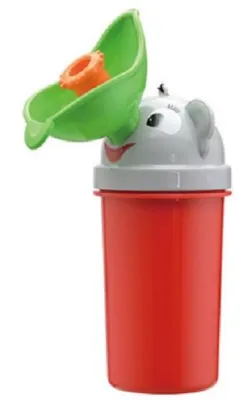
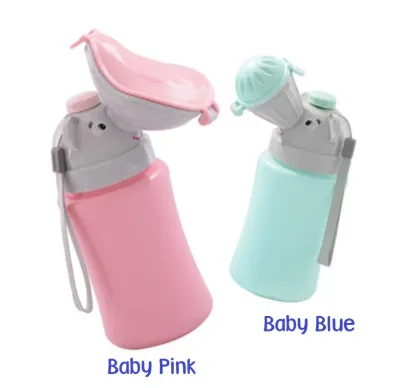
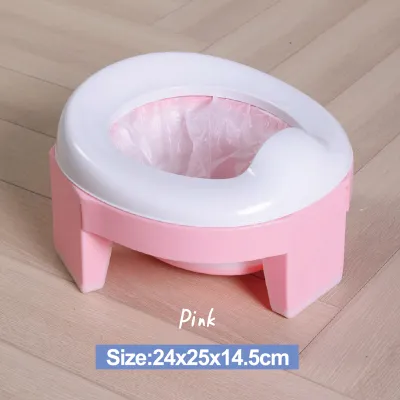
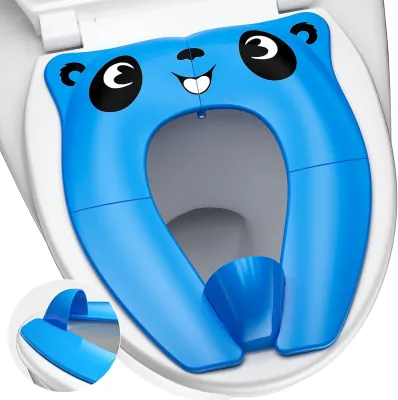
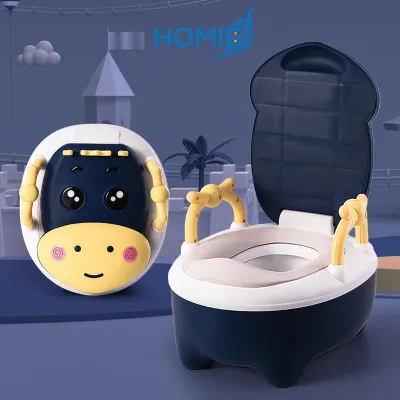
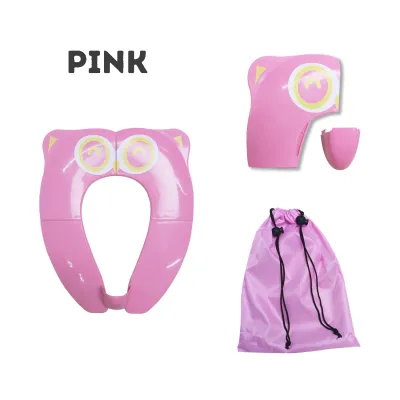
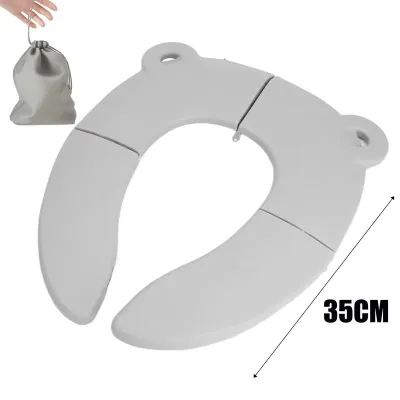
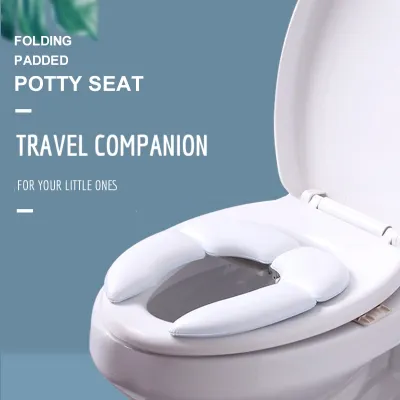
Prices are valid at publication and may change. Please refer to the product page for the latest price.
Disposable potty bags and liners are ultra-lightweight, single-use accessories designed to line foldable or bucket-style potties. These liners rely on built-in absorbent pads to solidify liquid waste quickly, allowing for clean, hassle-free disposal. Because they are designed for single use, they eliminate the need for immediate washing, making them highly convenient when running water is unavailable. However, they represent an ongoing cost and require parents to carry a steady supply of spare liners whenever they leave the house.
Bucket-style potties are self-contained, sturdy units that closely resemble standard home potties but feature a portable design, often with a secure, sealable lid. These models offer a high waste capacity and a wide, stable base that sits firmly on flat surfaces. They are highly reliable for children who prefer a familiar, solid seat, but their bulkier carrying dimensions make them difficult to transport without a vehicle or a large stroller.
Matching Potty Types to Your Travel Scenario
Selecting the ideal travel potty requires evaluating the physical constraints and hygiene options of your destination. Aligning your child’s developmental needs with the environment ensures a smooth transition from home to the outdoors.

Car Trips and Road Journeys
When planning road trips, weekend drives across the Causeway, or long journeys, vehicle cabin space and trunk capacity allow for sturdier, more substantial potty setups. A bucket-style potty or a robust foldable model is highly practical for backseat or trunk use, providing a stable station when rest stops are far apart. These situations require a potty with a wide base, balanced weight distribution, and non-slip rubber feet to handle vehicle movement or uneven roadside terrain safely.
Managing odors and preventing spills are critical considerations during long drives. If you choose a bucket-style model, verify that the lid seals completely airtight to contain odors and prevent leaks while the vehicle is in motion. Alternatively, using a foldable potty with a high-quality, absorbent disposable liner allows you to tie up and dispose of the waste immediately at the next petrol station, keeping the car clean and odor-free.
Flights and Public Transit
Navigating tight, high-traffic spaces like airplane lavatories or train toilets requires a highly discreet and space-saving solution. In these confined environments, a compact foldable potty that can be placed directly over a public toilet seat is often the most hygienic and practical choice. This setup protects your child from direct contact with public surfaces while providing a smaller, more secure opening that prevents them from feeling like they might slip into the large toilet bowl.
Before heading to the airport for a flight from Changi, always verify airline carry-on size restrictions against the potty’s folded dimensions to ensure it fits easily into your under-seat personal item or overhead cabin bag. Quick cleanup routines are essential in tiny airplane bathrooms; using pre-lined foldable seats allows you to lift, tie, and discard the liner in the waste bin within seconds, minimizing your time in the cramped space.
Outdoor Outings and Nature Walks
When spending the day at local parks, nature reserves, or beaches like East Coast Park where public facilities may be distant or poorly maintained, portability and ease of transport are paramount. Prioritizing lightweight foldable frames paired with disposable bag liners allows you to carry the entire setup in a standard backpack without adding unnecessary weight.
Because outdoor ground surfaces like grass, sand, or gravel are naturally uneven, always check the manufacturer’s weight limits and ground stability recommendations before setting up the potty. To protect the local environment, follow proper waste disposal and leave-no-trace practices by sealing used liners tightly and carrying them to designated trash bins rather than leaving them behind in nature.
Key Features to Check Before You Buy
Before purchasing a travel potty, carefully review the product specifications, safety labels, and material guidelines to ensure the model is safe and practical for your child.
First, verify the maximum weight capacity and structural stability indicators on the product packaging. Children grow rapidly, and exceeding the manufacturer’s specified weight limit can cause the frame to bend, crack, or tip over during use. Look for models with wide, reinforced joints and non-slip grips on the base to ensure the potty remains stable on various floor surfaces.
Next, assess the physical design of the seat, paying close attention to the splash guard height and bowl depth. A splash guard that is too low can lead to messy spills, especially for young boys, while a bowl that is too shallow may cause discomfort or splashing. If you are choosing a model with a reusable collection cup, ensure the receptacle is easy to slide out and empty without risking spills.
Finally, review the material cleaning requirements and manufacturer care instructions. Some travel potties feature dishwasher-safe components, while others must be washed by hand with warm, soapy water. Avoid harsh chemical cleaners unless they are explicitly approved by the manufacturer, as they can degrade the plastic over time and compromise the structural integrity of the potty.
Practical Tips for Using a Travel Potty on the Go
Successful potty training on the go relies on preparation, consistency, and careful monitoring of your equipment.
Always pack a dedicated travel kit containing essential cleanup supplies alongside your potty. This kit should include disinfectant wipes, hand sanitizers, spare disposable liners, and small plastic bags for wet clothes. Having these items organized in a single, easily accessible pouch ensures you can handle unexpected messes quickly and hygienically, even when running water is unavailable in public spaces or shopping mall nursing rooms.
Maintaining a consistent routine is vital for helping your child feel secure in unfamiliar environments. Pay close attention to their physical cues—such as fidgeting, pausing during play, or holding their tummy—and offer potty breaks at the same intervals you would at home. Introducing the travel potty in your living room before your trip can also help your child become familiar with the seat, reducing anxiety when using it in public.
Lastly, inspect the travel potty regularly for signs of structural wear, such as hairline cracks in the plastic, loose hinges, or worn-out non-slip feet. If you notice any damage or instability, stop using the potty immediately and consult the manufacturer’s guidelines or seek a replacement to ensure your child’s safety.
Frequently Asked Questions (FAQ)
Can I use a regular home potty seat for travel?
While it may be tempting to bring your child’s familiar home potty seat, standard models are generally impractical for travel. Their bulky dimensions make them difficult to pack into diaper bags or carry-on luggage, and they lack the folding mechanisms required for compact storage. Additionally, home seats often lack self-contained waste collection systems, making them highly difficult to sanitize and use hygienically in public spaces where direct access to a sink or cleaning station is limited.
How do I clean a foldable travel potty in a public restroom?
To clean a foldable travel potty in a public restroom, first empty any solid waste directly into the public toilet. Use a disinfectant wipe to thoroughly clean all surfaces of the frame, paying close attention to the seat area and the hinges where waste or moisture might collect. Once wiped down, allow the frame to air-dry briefly or dry it with a clean paper towel before folding it back into its storage bag, ensuring you wash your hands or use hand sanitizer immediately afterward.

Community discussion
Share your experience or ask a question. Comments are reviewed before publication.