
The best travel potty depends entirely on your specific journey: a sturdy, leak-proof standalone potty is ideal for car trips, an ultra-compact folding seat reducer works best for tight airplane lavatories, and a lightweight folding potty with disposable liners is the most practical choice for outdoor outings. Selecting the right design ensures your toddler remains comfortable and consistent with their toilet training, even when far from home. By matching the potty’s design to your travel environment, you can minimize stress and maintain hygiene on the go.
Identifying Your Core Travel Constraints
Before purchasing a travel potty, analyze your family’s specific travel habits and physical constraints. A potty that works perfectly for a road trip might be highly impractical for a flight or a hike. Evaluating your typical transit methods helps narrow down the design categories that will genuinely make your outings easier.
Consider the physical space available during transit. If you primarily travel by car, trunk space or backseat legroom is less of a constraint, allowing for larger, more robust designs. However, if you frequently navigate public transit, airports, or crowded urban areas, every square centimeter in your diaper bag or carry-on luggage matters, requiring a solution that folds flat.
Products mentioned in this guide
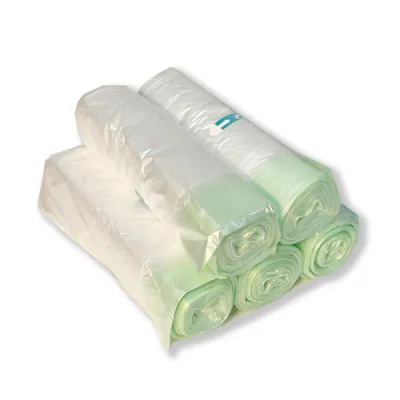
![[SG Stock] Baby Foldable Travel Potty Seat Kids Fodling Toilet Training Seat 12M+](https://img.lazcdn.com/g/p/54298d0cd77fc65e57e532664f2d523b.jpg_400x400q80.jpg_.webp)


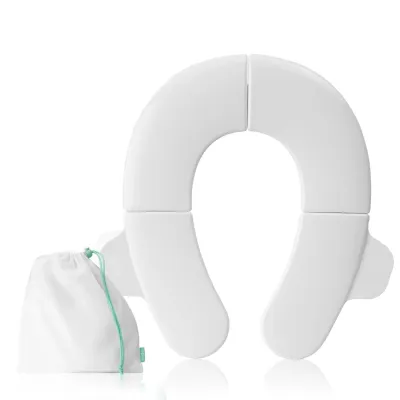

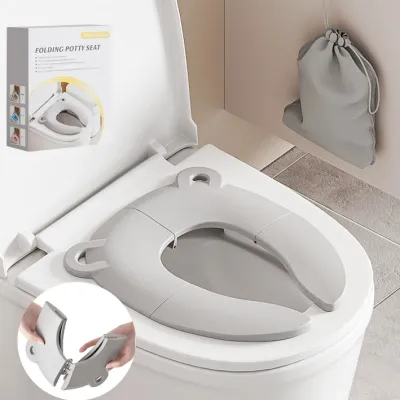
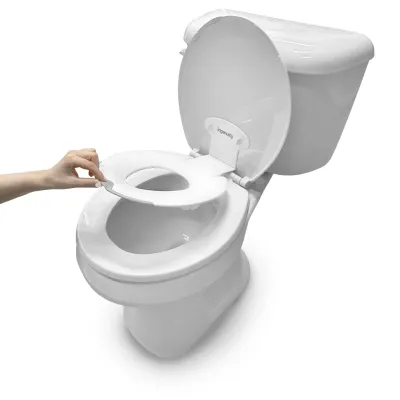
Prices are valid at publication and may change. Please refer to the product page for the latest price.
Your child’s physical development and potty training stage are equally critical. Check the manufacturer’s specified weight limits and dimensions to ensure the potty can safely support your toddler. A child just beginning toilet training may require a highly stable, familiar-feeling seat to feel secure, whereas an older toddler might only need a compact seat reducer for public toilets.
The frequency of your trips and typical destinations should also guide your choice. Families who go on weekly outdoor excursions or long road trips benefit from a durable, dedicated standalone travel potty. Conversely, families who only travel occasionally or primarily visit relatives with fully equipped homes might find a simple, portable seat reducer more than sufficient.
Selecting a Travel Potty for Car Trips
Road trips offer the luxury of extra storage space, but they also present unique challenges like sudden stops, winding roads, and the need for rapid roadside setups. When selecting a travel potty for vehicle use, stability and spill prevention are your primary concerns. A sturdy base is essential to prevent tipping on the floor of a car or on the side of a highway.

Look for models featuring non-slip rubberized bases or wide, stable feet that grip the vehicle floor securely. A built-in splash guard is also highly beneficial, especially for active toddlers, as it helps contain liquids within the bowl during use. These physical features provide peace of mind when you have to pull over quickly for an emergency potty break.
You will need to choose between a fully standalone travel potty and a foldable design. Standalone models often mimic the shape of home potties, which can make toddlers feel more comfortable and cooperative. However, foldable models that use disposable liners save significant space in a packed trunk and can be tucked away into a seatback pocket for rapid access.
If you opt for a standalone model with a removable collection bowl, pay close attention to the lid mechanism. A secure, locking lid with a silicone seal is vital for preventing spills and containing odors if you cannot immediately empty the bowl. Verify that the locking latches are robust and easy to operate with one hand.
Managing Flights and Airport Restrooms
Air travel introduces severe space limitations and high-stress environments, making compact efficiency your top priority. Navigating a tiny airplane lavatory with a toddler is notoriously difficult, and public airport restrooms can be overwhelming. For these scenarios, a bulky standalone potty is highly impractical, making a specialized folding seat reducer the ideal choice.
A folding potty seat reducer fits directly over a standard adult toilet seat, shrinking the opening so your toddler does not feel like they are falling in. Look for models that fold down into a compact square, easily fitting into a standard diaper bag or carry-on backpack. Lightweight materials, such as durable plastics, ensure the seat does not add unnecessary weight to your luggage.
When evaluating these folding seats, check for secure attachment mechanisms, such as non-slip silicone pads or under-seat brackets. These features prevent the reducer from shifting while your child is seated, which is crucial for maintaining their confidence on unfamiliar toilets. A shifting seat can frighten a toddler, potentially causing a setback in their training progress.
Quick setup and teardown are essential when managing a busy airport transit or a sudden mid-flight emergency. Choose a design that can be unfolded and positioned with a single hand. Additionally, consider carrying a dedicated, washable wet bag to store the folded seat immediately after use, keeping the rest of your diaper bag clean and hygienic.
Handling Outdoor Outings and Nature Calls
Outdoor adventures, such as park visits, beach trips, or hiking, require a travel potty that can perform without the luxury of running water or flat, tiled floors. In these environments, durability and self-contained waste management are critical. The potty must be able to withstand rough handling, dirt, and uneven terrain.
Look for rugged, high-density plastics that resist cracking when placed on gravel, grass, or sand. The legs of the potty should lock firmly into place to prevent the unit from collapsing on uneven ground. A wider footprint helps distribute weight evenly, ensuring the potty remains upright even if your child shifts their weight during use.
Because running water is rarely available in nature, relying on disposable liners is the most practical approach. Many outdoor-friendly travel potties are designed to hold biodegradable plastic liners equipped with super-absorbent pads. These pads quickly solidify liquid waste, making it much easier to seal and carry out of the park or trail without any risk of leakage.
Privacy is another factor to consider when using a potty outdoors. Some families choose compact, pop-up privacy tents for longer camping trips, while others rely on the natural cover of trees or vehicle doors. Selecting a low-profile travel potty allows your child to sit comfortably and discreetly, reducing their anxiety about using the bathroom in an open, unfamiliar environment.
Cross-Scenario Compatibility: Can One Potty Do It All?
Many parents wonder if they can find a single, universal travel potty that excels in every situation, from car trunks to airplane cabins. While multi-functional designs exist, they often involve trade-offs that you must carefully weigh against your family’s primary travel style. Understanding these compromises helps you decide if a single purchase is sufficient.
Multi-functional travel potties typically feature legs that fold in two different directions: they can fold flat to rest on a standard toilet seat as a reducer, or lock upright to support a disposable liner as a standalone potty. Some robust models can even be closed and used as a sturdy step stool. This versatility is highly appealing for families seeking to minimize clutter.
However, these hybrid designs are generally bulkier than dedicated, single-purpose folding seat reducers. While they fit easily into a car trunk, they can be cumbersome to carry through an airport or pack into a compact diaper bag. Additionally, the mechanisms that allow the legs to transition between modes must be checked regularly for wear and tear to ensure they remain secure.
If your travel habits are highly varied—such as frequent road trips combined with occasional international flights—investing in two distinct potties may actually be the most practical choice. A sturdy, standalone model can live permanently in your car, while a paper-thin, folding seat reducer remains in your travel diaper bag, ensuring you are always prepared for any restroom scenario.
On-the-Go Cleaning and Hygiene Maintenance
Maintaining strict hygiene standards while traveling is vital for your child’s health and your own peace of mind. Without the convenience of a home bathroom, you must establish a reliable, portable cleaning routine. Packing a dedicated hygiene kit specifically for your travel potty is the first step in ensuring sanitary use.
Your hygiene kit should include flushable or disposable wet wipes, a small bottle of sanitizing spray, and a generous supply of leak-proof disposable bags. When using a standalone potty with a removable bowl, always empty the waste into a proper toilet whenever possible. If a toilet is unavailable, use a disposable liner to contain the waste securely before disposal.
Always follow the manufacturer’s specific instructions for cleaning and maintaining the potty’s materials. Most plastic potties can be washed with warm, soapy water and disinfected with mild household cleaners. Avoid using harsh abrasive pads or strong chemical solvents that could degrade the plastic or damage the non-slip rubber seals over time.
If your child has recently been ill, or if the potty has undergone heavy use during a long trip, perform a deep sanitization. Disassemble any removable parts, soak them in a mild sanitizing solution according to the manufacturer’s guidelines, and allow them to air dry completely before reassembling. Regular maintenance ensures the potty remains safe, odor-free, and ready for your next adventure.
Frequently Asked Questions (FAQ)
At what age should I introduce a travel potty to my toddler?
There is no single chronological age that dictates when to introduce a travel potty, as readiness depends on your child’s physical and cognitive development. Instead of focusing on a specific number, observe your child’s comfort level and consistency with their home potty training routine. If they can reliably communicate their need to go and are comfortable using a child-sized seat at home, they are likely ready to transition to a portable version. Always check the manufacturer’s recommended age and weight limits on the product packaging to ensure the travel potty can safely support your toddler’s current size.
How do I dispose of waste when using a travel potty outdoors?
When using a travel potty in outdoor settings where public restrooms are unavailable, proper waste disposal is crucial for environmental protection and public hygiene. Always use leak-proof, biodegradable liners equipped with absorbent pads to contain both liquid and solid waste. Once your child is finished, tie the liner securely to prevent any leakage or odor. Store the sealed bag in a dedicated, durable outer bag until you reach an appropriate trash receptacle. Never leave waste bags behind in natural environments, and avoid discarding unsealed waste in standard public bins.

Community discussion
Share your experience or ask a question. Comments are reviewed before publication.