
Transitioning your baby from breast or bottle feeding to a straw cup is a major milestone in their weaning journey. This shift is not just about changing how your little one consumes liquids; it represents a fundamental step in their oral motor development. While bottles and breasts require a front-to-back sucking motion, drinking from a straw encourages a mature swallowing pattern that utilizes different facial muscles, supporting speech development and jaw alignment. Choosing the right cup involves matching the specific mechanics of the vessel to your baby’s rapidly evolving physical skills, coordination, and weaning stage. This guide provides a comprehensive framework to help you evaluate developmental readiness, understand stage-specific cup features, perform essential safety and hygiene checks, and build a practical shortlist tailored to your family’s needs.
Matching Straw Cups to Your Baby's Developmental Milestones
Before purchasing your first straw cup, it is essential to look for observable physical signs that indicate your baby is ready to transition. Age is a helpful reference point, but physical milestones are far more reliable indicators of readiness. One of the primary signs is the ability to sit upright unassisted in a high chair, which ensures their airway is properly aligned and protected during swallowing. Additionally, if your baby is successfully managing smooth purees or soft mashed foods without pushing them out of their mouth with their tongue, they have developed the basic tongue control required for cup drinking. Another clear indicator is curiosity; if your baby reaches for your water glass or mimics your drinking movements during family meals, they are likely ready to try a cup of their own.
It is vital to distinguish between chronological age and actual developmental readiness for the complex mechanics of straw suction. Sucking liquid up a straw requires a coordinated sequence of sealing the lips around the tube, creating negative pressure in the oral cavity, and coordinating the suck-swallow-breathe cycle. Some babies may master this coordination at six months, while others may require several more weeks or months to develop the necessary muscle strength. Forcing a transition based solely on age can lead to frustration and a negative association with drinking.
Products mentioned in this guide
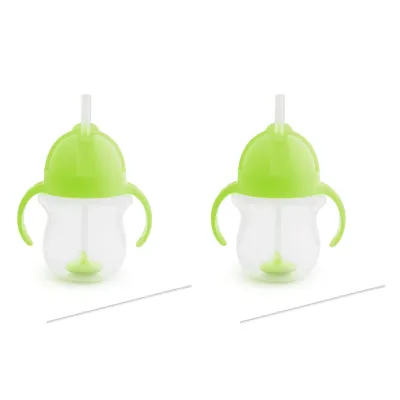
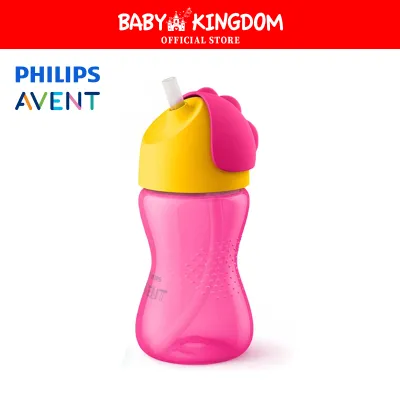
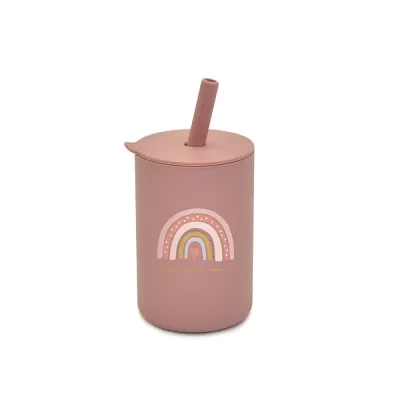
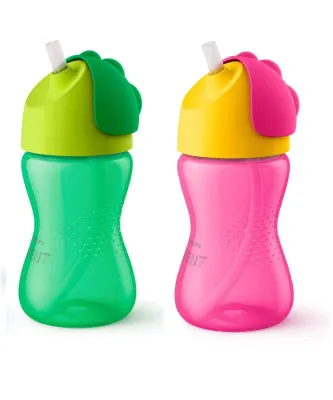
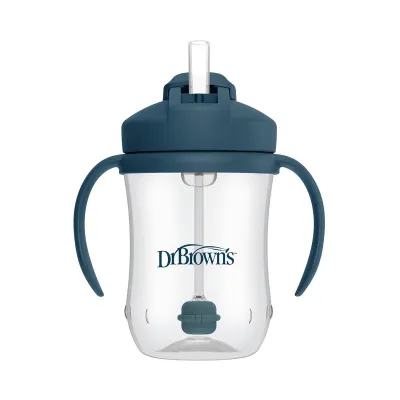
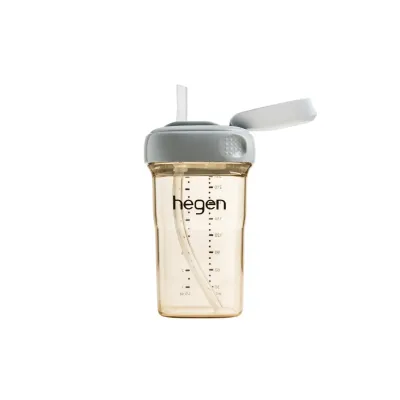
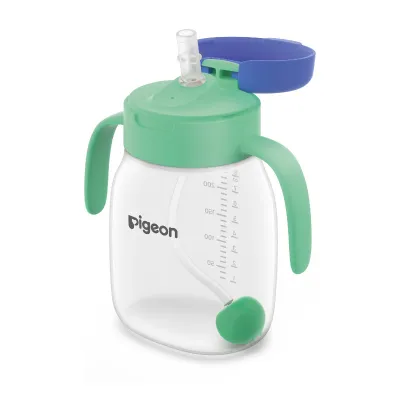
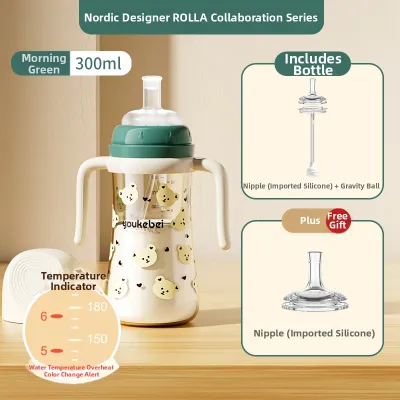
Prices are valid at publication and may change. Please refer to the product page for the latest price.
If your baby shows signs of distress, gags frequently, or consistently rejects the straw, it is best to pause the transition and retry a week or two later. A baby’s gag reflex is naturally located further forward on the tongue than an adult’s, serving as a protective mechanism against choking. If a straw is inserted too far or releases liquid too quickly, it can easily trigger this reflex. When this happens, remain calm, remove the cup, and offer reassurance. Pausing the process allows your baby’s oral sensitivity to mature naturally, ensuring that subsequent attempts are met with curiosity rather than anxiety. If you have persistent concerns about your baby’s swallowing mechanics or oral development, consult a pediatrician or a pediatric speech-language therapist for personalized guidance.
Essential Features for Each Weaning Stage
A single straw cup design cannot accommodate the rapid changes in a baby’s oral motor skills and physical coordination over their first year. As your baby grows, their grip strength, suction power, and swallowing coordination change dramatically, requiring different cup features to support their progress. To simplify your search, caregivers can categorize the weaning journey into three primary stages of straw drinking progression, each requiring specific design elements to ensure a safe and successful transition.

Beginners (Around 6 Months)
For infants taking their very first sips, a weighted straw cup is highly recommended. These cups feature a small weight at the base of a flexible straw that moves with the liquid, allowing your baby to drink successfully even if they tilt the cup upside down or drink while reclined. At this early stage, look for cups equipped with built-in, pressure-activated valves. These valves restrict the flow of liquid, requiring the baby to actively bite or suck to release water, which prevents sudden rushes of liquid that can cause choking or coughing.
The texture of the straw is equally important for beginners. Opt for soft, highly flexible silicone spouts that are gentle on emerging teeth and sensitive, swollen gums. Hard plastic straws can cause discomfort or minor injuries if a baby accidentally bumps the cup against their mouth. Additionally, prioritize lightweight, unbreakable materials such as polypropylene or high-grade silicone, paired with large, easy-grip handles. These handles are designed to fit small hands, helping your baby develop the hand-eye coordination needed to lift the cup to their mouth independently.
Intermediate Drinkers (7 to 9 Months)
As your baby reaches the seven-to-nine-month mark, their suction control and hand-eye coordination will improve significantly. At this stage, you can begin transitioning them to standard straws with adjustable or removable flow valves. This transition allows for a slightly faster, more natural liquid flow, helping your baby practice managing larger volumes of water. Many intermediate cups feature removable handles, allowing you to transition the cup into a more traditional bottle shape as your baby’s grip becomes more secure.
Active babies at this stage love to explore cause and effect, which often involves throwing their cup from a high chair onto the floor. To survive this phase, prioritize cups with robust, spill-proof lids and secure locking mechanisms, such as flip-top covers that seal the straw away when not in use. Furthermore, look for clear, easy-to-read measurement markings on the side of the cup body. These markings are incredibly helpful for tracking your baby’s daily fluid intake, especially during warm afternoons when ensuring proper hydration is a priority.
Advanced and Independent Drinkers (10+ Months)
By ten months and beyond, many babies have developed mature swallowing patterns and excellent hand control. For these advanced drinkers, look for open-flow straws that do not feature restrictive bite valves. Open-flow straws allow liquid to flow freely with minimal suction, which closely mimics drinking from a regular straw and encourages the tongue to retract properly during swallowing. This stage is crucial for preparing your child to eventually transition to open cups.
Because older babies are often on the move, durability and leak-proof construction are paramount. Choose cups made from robust materials like Tritan or double-walled stainless steel, which can withstand heavy impacts and keep water cool during outdoor trips to local parks or during long car rides. For convenience, select cups with ergonomic, slim profiles that lack bulky handles, allowing them to fit securely into standard stroller cup holders, car seat pockets, and diaper bag side sleeves.
Material Safety and Hygiene Checks
When selecting any feeding product, verifying material safety is a top priority. Caregivers should carefully inspect product packaging and manufacturer documentation to confirm that all components are free from potentially harmful chemicals. Look for explicit labels indicating that the cup is BPA-free, PVC-free, and phthalate-free. Since safety standards and chemical regulations can vary globally, it is wise to verify that the product complies with recognized food-contact safety standards applicable in your region. Avoid purchasing unbranded or cheaply made cups from unverified online marketplaces, as these may not undergo rigorous material testing.
Hygiene is another critical factor, as straw cups are notoriously difficult to clean. Before buying, evaluate whether the cup is dishwasher-safe or requires meticulous hand-washing. Cups with complex internal valve systems, weighted balls, and narrow tubes often require specialized cleaning tools. If you do not have a dishwasher, or if the manufacturer recommends hand-washing to preserve the integrity of the silicone valves, ensure the cup package includes a dedicated, ultra-thin straw brush. Without this tool, removing milk or juice residue from the inside of a narrow straw is nearly impossible.
Design flaws can quickly turn a great cup into a breeding ground for bacteria and mold. Carefully examine the cup’s construction for non-removable straws, deep crevices, or tight rubber gaskets that cannot be easily separated from the lid. Moisture easily traps in these hidden areas, especially in warm, humid climates. To prevent mold growth, prioritize designs where every single component—including the straw, weight, valve, and sealing ring—can be completely disassembled for thorough washing and drying. Always allow all parts to air dry completely in a well-ventilated area before reassembling the cup for the next use.
How to Build Your Final Shortlist
Building a practical shortlist requires balancing your baby’s developmental needs with your daily routine and budget. In the local market, high-quality baby straw cups typically range from S$15 to S$40, depending on the materials, brand reputation, and included accessories. While it can be tempting to choose a cup based on colorful cartoon characters or aesthetic appeal, prioritize structural durability, ease of cleaning, and safety features first. A plain, well-designed cup that is easy to sterilize will serve you far better than an expensive, licensed character cup with hard-to-clean crevices.
When browsing options, always cross-reference the manufacturer’s age recommendations printed on the packaging with your baby’s actual physical capabilities. Remember that these age labels are general guidelines, not strict rules. If a cup is labeled for nine months but features a thick, rigid straw, and your six-month-old is already showing advanced suction skills, you must still exercise caution and supervise their use closely. Never leave a baby unattended with a straw cup, regardless of their age or the cup’s safety ratings.
Finally, check the retailer’s return policies and warranty terms before making a purchase. Babies can be incredibly selective about the texture of a silicone spout, the thickness of a straw, or the amount of suction force required to get a drink. It is not uncommon for a baby to completely refuse a highly rated cup simply because they dislike the bite valve mechanism. Knowing whether you can exchange an unused cup, or if the manufacturer offers replacement straws and parts separately, can save you significant frustration and money as you navigate this transition.
Frequently Asked Questions (FAQ)
Can I use a regular straw cup for a 6-month-old baby?
Using a standard, open-flow straw cup designed for older children or adults is not recommended for a six-month-old baby. Standard straws allow liquid to flow rapidly and without restriction, which can easily overwhelm an infant’s developing swallowing reflexes. This rapid flow increases the risk of choking, coughing, and liquid entering the airway. At six months, babies are still transitioning from the sucking reflex used during breastfeeding or bottle-feeding. They require specialized features, such as weighted straws that function at any angle and pressure-activated flow-restricting valves, to help them safely control the pace of the liquid as they learn this new oral skill.
How often should I replace my baby's straw cup?
You should inspect your baby’s straw cup daily for signs of wear and tear. Pay close attention to the silicone spout and internal straw, checking for bite marks, tears, discoloration, or a sticky texture, which indicate that the material is degrading. Damaged silicone can pose a choking hazard if small pieces tear off during use. Generally, silicone straws and valves should be replaced every two to three months, or immediately if you notice any damage or persistent mold that cannot be cleaned. The hard plastic or stainless steel cup body can last much longer, provided it remains free of deep scratches, cracks, or warped seals that could harbor bacteria or cause leaks. Always follow the manufacturer’s specific guidelines for replacement intervals and part compatibility.

Community discussion
Share your experience or ask a question. Comments are reviewed before publication.