
Choosing a straw cup for your baby is a significant milestone in their weaning journey, marking a shift toward independent feeding and advanced oral motor development. While it may seem like a simple purchase, the right cup must align with your child’s physical capabilities, coordination, and oral strength. Selecting an inappropriate cup can lead to frustration, refusal, or frequent coughing, while the correct choice supports a smooth transition from bottle or breast. By focusing on design elements like valve mechanics, flow rates, and ergonomic handles, you can find a cup that matches your baby’s current developmental stage.
Recognizing Readiness: When to Introduce a Straw Cup
Before introducing a straw cup, caregivers should look for specific physical milestones rather than relying solely on chronological age. While many product packages suggest starting at six months, babies develop at highly individual rates. A primary indicator of readiness is the ability to sit upright independently with minimal support. Trunk stability directly influences jaw stability, which is essential for the complex muscle coordination required to suck, swallow, and breathe in sequence.
Stable head control is another critical milestone that ensures a safe swallowing pathway. If a baby’s head tilts too far forward or backward while drinking, the risk of liquid entering the airway increases significantly. Caregivers should also observe hand-to-mouth coordination, such as when a baby successfully guides toys or finger foods directly to their mouth. This motor skill demonstrates that the baby has the spatial awareness and physical control needed to lift and guide a cup.
Products mentioned in this guide
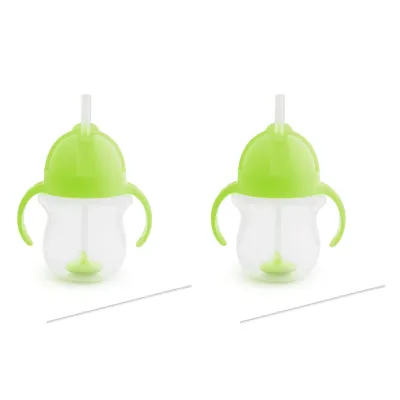
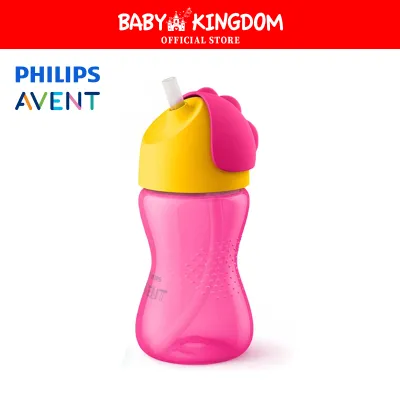
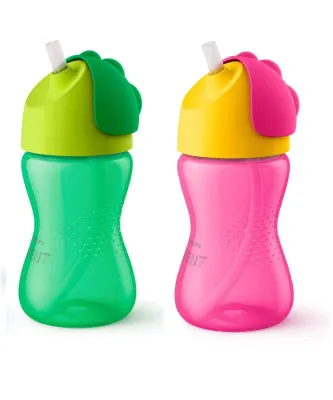
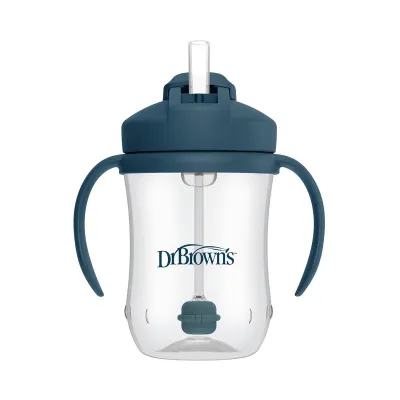
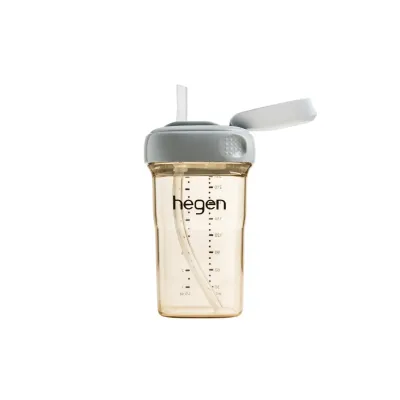
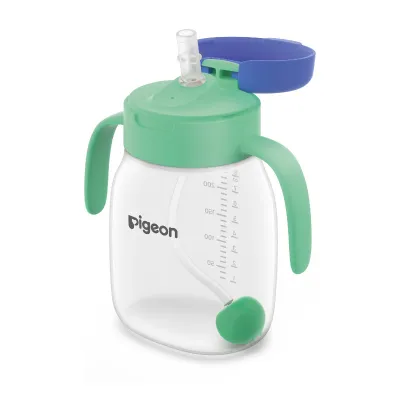
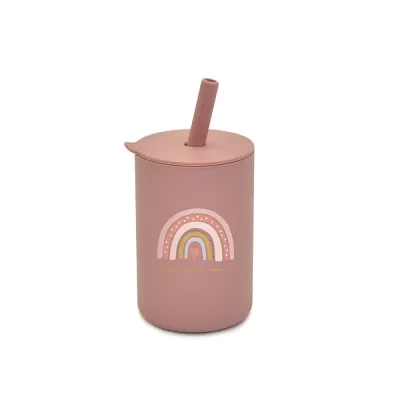
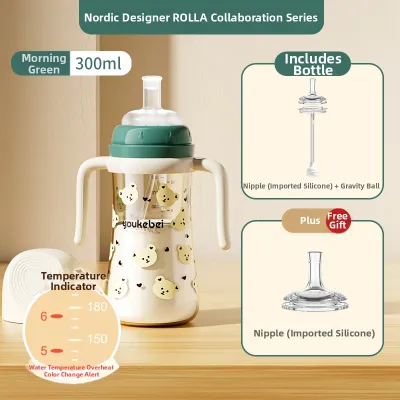
Prices are valid at publication and may change. Please refer to the product page for the latest price.
If your baby shows these signs, they are likely ready to begin practicing with a straw. However, if you observe persistent coughing, sputtering, or choking during attempts, it is important to pause the transition. Some babies may pocket liquid in their cheeks or struggle to coordinate the swallow reflex. If these difficulties continue, or if you suspect any swallowing or motor delays, consult a pediatrician or a pediatric feeding specialist for personalized guidance.
Key Design Features to Evaluate for Ease of Use
Evaluating the physical attributes of a straw cup is essential to ensure it is both functional and safe for your baby’s current skill level. The straw valve is one of the most critical components to examine. Many beginner cups feature a cross-slit valve, which remains closed until the baby applies pressure with their lips or tongue. This design prevents leaks when the cup is tipped over and controls the flow of liquid, making it easier for beginners to manage without swallowing too much air or liquid at once.

In contrast, open-flow straws do not have a valve, allowing liquid to pass freely as soon as suction is applied. While open-flow designs require more advanced oral control, they are excellent for older babies who have mastered the swallowing reflex. Some cups offer adjustable flow rates, allowing parents to modify the resistance of the valve as the child grows. This adaptability helps prevent choking episodes during the early learning phases when a baby might pull too hard on the straw.
Handle ergonomics and cup weight also play a significant role in a baby’s success. Lightweight cups made from durable plastics or silicone are easier for small hands to lift and balance. Handles should be ergonomically designed, featuring textured or contoured grips that fit comfortably in a baby’s palms. A cup with a wide, weighted base is less likely to tip over when placed on a high chair tray, reducing spills and encouraging independent use.
Matching Cup Styles to Your Baby's Skill Level
To facilitate a successful transition, it is helpful to categorize straw cups by their design and match them to your baby’s evolving drinking capabilities.
Beginner Cups with Weighted Straws
Beginner cups often feature a weighted straw system, where a small, food-grade weight is attached to the bottom of a flexible silicone straw. This design allows the straw to bend and follow the liquid, enabling the baby to drink from almost any angle, whether they are sitting upright or tilting the cup back. Because babies transitioning from bottles are accustomed to tilting their heads back to drink, a weighted straw ensures they still get liquid instead of air, reducing frustration during the initial learning phase.
Transitional Cups with Adjustable Valves
As your baby gains confidence and stronger oral motor skills, transitional cups offer a step up in difficulty. These cups typically feature removable or adjustable valves that allow caregivers to gradually increase the flow rate. By slowly reducing the resistance of the valve, you encourage your baby to develop stronger lip closure and more refined swallowing coordination. Many transitional models also feature removable handles, helping the child transition from a two-handed grip to holding the cup body directly.
Advanced Open-Flow Cups
Advanced open-flow cups are designed for older toddlers who have fully mastered liquid control and no longer require spill-proof valves. These cups feature standard, open straws that allow liquid to flow with minimal effort, closely mimicking the experience of drinking from a regular cup. Using an open-flow straw helps refine mature swallowing patterns and prepares the child for open-cup drinking, making them an ideal choice for daily use once the risk of frequent spills has decreased.
Safety, Hygiene, and Maintenance Checks Before Buying
Maintaining a clean and hygienic straw cup is vital for your baby’s health, as the small, damp components of straws and valves are highly susceptible to mold growth. Before purchasing any cup, carefully examine how easily it can be disassembled. Look for designs where the straw, valve, lid, and collar can be completely separated. If a cup has permanently attached parts or deep, unreachable crevices, moisture can easily become trapped, creating an environment for bacteria and mold to thrive.
In humid climates, such as Singapore, thorough drying is especially critical. Check the manufacturer’s instructions to verify whether all components are dishwasher-safe, or if they require manual hand-washing. Many silicone and plastic parts can degrade or warp if exposed to high dishwasher temperatures, so manual washing with specialized, ultra-thin straw brushes is often recommended. Ensure you have a dedicated drying rack where parts can air-dry completely before reassembly.
Material safety is another crucial factor to verify on the product packaging. Look for clear markings indicating the use of food-grade materials, such as BPA-free plastics, high-quality silicone, or food-grade stainless steel. Additionally, check if the manufacturer sells replacement straws, lids, and valves separately. Because babies often bite down on soft silicone straws, these parts will wear out over time, and having affordable replacement options prevents the need to buy an entirely new cup.
Building Your Shortlist: A Practical Shopping Strategy
When you are ready to purchase, creating a practical shopping strategy will help you filter through the numerous options available on online marketplaces or in physical stores. Start by cross-referencing the manufacturer’s age recommendations with your baby’s actual observed skills. A cup labeled for twelve months might be suitable for a highly coordinated nine-month-old, while a baby who is still developing their grip might benefit from a six-month beginner cup for a little longer.
Always inspect the packaging for safety warnings, particularly regarding small parts or choking hazards. Some cups feature small, detachable valve components that could pose a risk if they become loose during use or cleaning. Ensure that all small parts secure tightly into the lid assembly and cannot be easily pulled free by a curious baby.
Compare the long-term cost of replacement parts, which are typically priced in S$ in local retail environments. A slightly more expensive cup that offers cheap, readily available replacement straws may turn out to be more economical over a year than a cheaper cup that must be completely replaced when the straw is damaged. Finally, review the retailer’s return or exchange policies, as babies can be highly sensitive to the texture of a spout or the resistance of a valve, and you may need to try a few different styles before finding the one your child accepts.
Frequently Asked Questions (FAQ)
Can I skip the traditional sippy cup and go straight to a straw cup?
Yes, skipping the traditional hard-spout sippy cup is highly recommended by many pediatric feeding specialists. Hard-spout cups often encourage a prolonged immature sucking pattern similar to bottle feeding, which can affect tongue positioning and oral motor development. Introducing a straw cup directly helps your baby learn to retract their tongue and use their lip muscles more actively, supporting healthier speech and swallowing development.
How do I effectively clean the inside of a straw cup valve?
To clean a straw cup valve effectively, fully disassemble all components immediately after use to prevent liquid from drying inside. Run warm water through the valve, then insert a specialized, thin straw cleaning brush coated with mild dish soap. Gently scrub the entire length of the straw and the interior of the valve mechanism, rinse thoroughly, and leave all parts to air-dry completely in a well-ventilated area before reassembling.
What should I do if my baby completely refuses to use a straw cup?
If your baby refuses the cup, first check if the valve requires too much suction force, which can frustrate a beginner. You can try offering a familiar liquid like breast milk or formula, adjusting the liquid temperature, or modeling the drinking action yourself so they can copy you. If resistance persists, do not force the issue; temporarily return to their usual feeding method and try introducing the straw cup again in a few weeks.

Community discussion
Share your experience or ask a question. Comments are reviewed before publication.