
Finding the correct flange insert size is essential for a comfortable and efficient pumping experience with your Spectra breast pump. A poorly fitting flange can lead to pain, damaged nipple tissue, and reduced milk expression. By measuring your nipple accurately and understanding how your breast shape and tissue elasticity affect the fit, you can select the ideal silicone insert to optimize your daily pumping routine.
How to Measure Your Nipple Base for a Flange Insert
To find your baseline size, you must measure the diameter of your nipple at its base, where it meets the areola. Do not include the areola itself in this measurement, as only the nipple should draw into the tunnel of the flange during pumping.
Using a precise measuring tool is highly recommended for accuracy. You can use a dedicated nipple ruler, which is often made of flexible silicone or paper with circular cutouts, or a standard metric ruler. Place the circular cutouts over your nipple to find the circle that fits snugly around the base without compressing the tissue. If you are using a standard ruler, align the zero mark with one side of the nipple base and measure straight across to the opposite edge in millimeters.
Products mentioned in this guide
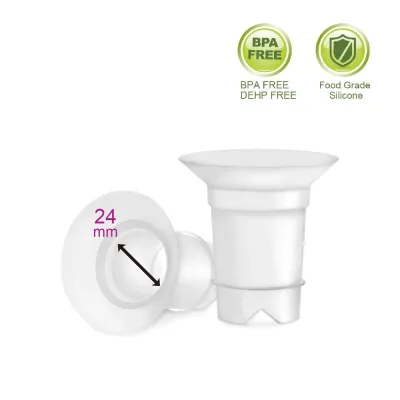
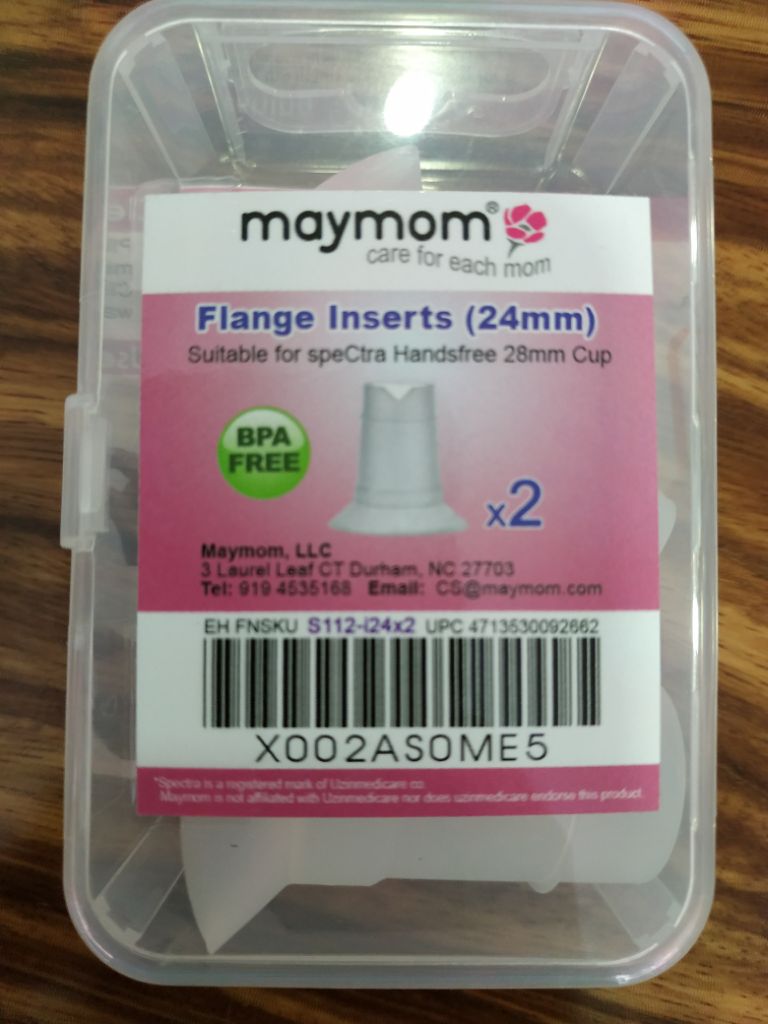
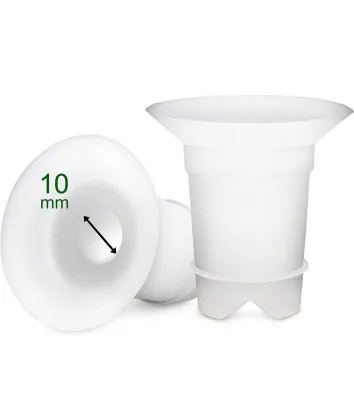
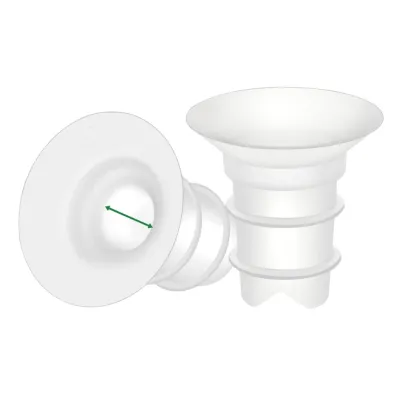
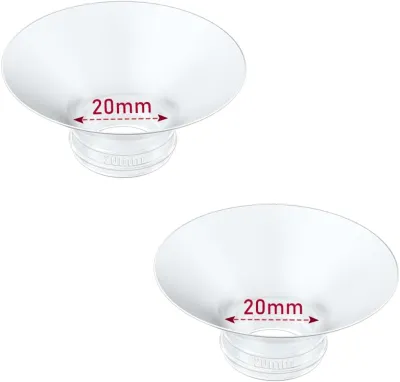
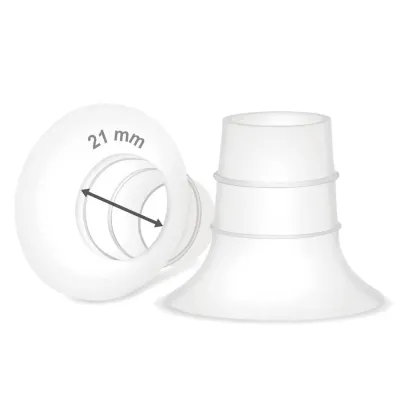
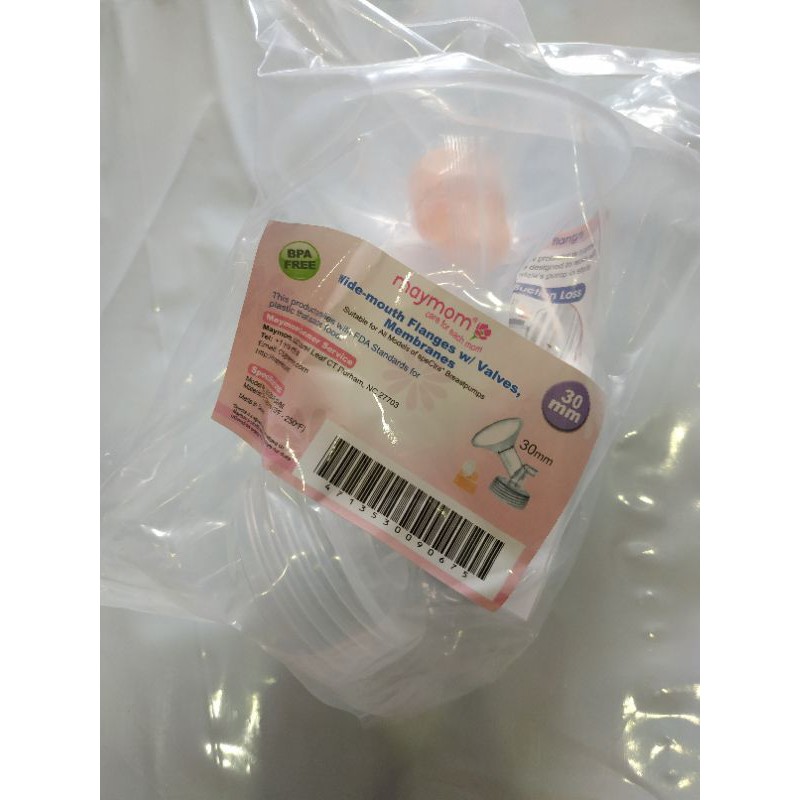
Prices are valid at publication and may change. Please refer to the product page for the latest price.
Keep in mind that nipple size is dynamic and can fluctuate throughout the day. Stimulation, temperature, the time of day, and how many weeks postpartum you are can all cause temporary changes in size. For the most reliable baseline, measure your nipples before a pumping session when they are in a relaxed state, rather than immediately after pumping when they may be temporarily swollen.
Matching Your Measurements to Spectra Insert Sizes
Once you have your physical measurement in millimeters, you can determine the correct insert size. Spectra pumps typically come with standard flange sizes, such as 24 mm or 28 mm, and silicone inserts are placed inside these larger tunnels to narrow the diameter to your specific size.

To choose the right insert, add 1 mm to 3 mm to your pre-pumping nipple measurement. This extra space provides the necessary clearance to allow your nipple to move freely back and forth inside the tunnel without rubbing against the plastic walls. For example, if your nipple base measures 17 mm, a 19 mm or 20 mm insert is generally a suitable starting point. This clearance ensures that the suction pulls the nipple straight in without causing friction on the sides.
If your measurement falls exactly between two available insert sizes, consider how your tissue behaves. If you have firmer tissue, starting with the slightly larger size can prevent painful friction. If you are unsure, having both sizes on hand allows you to test which one provides better comfort and milk flow during an active session. Remember that comfort is the ultimate indicator of a good fit, so do not hesitate to try both options.
Signs Your Current Flange Insert is the Wrong Size
Evaluating how your body responds during a pumping session is the most reliable way to confirm if your insert is the correct size. Paying close attention to physical sensations and visual cues will help you identify when an adjustment is necessary.
An insert that is too small will cause noticeable friction and discomfort. You may observe your nipple rubbing against the sides of the tunnel, resulting in redness, swelling, or a white appearance known as blanching. Additionally, a restricted tunnel can pinch the milk ducts, leading to a slower milk flow, clogged ducts, and incomplete breast emptying.
Conversely, an insert that is too large will draw too much of your areola into the tunnel during suction. This can cause bruising, swelling of the surrounding tissue, and a loss of the airtight seal required for efficient suction. You may also notice a significant decrease in milk output because the pump is not stimulating the nipple base correctly, which is necessary to trigger the let-down reflex.
If you experience sharp pain, pinching, or visible tissue damage at any point during a session, stop pumping immediately. Continuing to pump with an ill-fitting setup can cause long-term damage to your breast tissue and increase the risk of infection. Pause and reassess your measurements before resuming your next session.
Adjusting for Breast Shape and Tissue Elasticity
Static measurements are a helpful starting point, but they do not account for how your breast tissue behaves under active suction. Individual anatomical differences, such as tissue elasticity and breast asymmetry, play a significant role in finding the perfect fit.
Some individuals have highly elastic breast tissue, which stretches and expands significantly when the pump’s suction is applied. If you have elastic tissue, your nipple may stretch all the way to the end of the tunnel or expand to fill the entire width, even if your static measurement suggests a smaller size. In this case, you may need to adjust to a slightly larger or longer tunnel to prevent the tip of the nipple from hitting the back of the flange, or look for specialized inserts designed for elastic tissue.
It is also very common to have asymmetrical breasts, where one nipple is larger than the other. To ensure comfort and maximize milk expression, measure each side independently and use different insert sizes for your left and right breasts if necessary. Do not assume that a single size will work perfectly for both sides.
If you continue to experience discomfort, low milk output, or difficulty determining your size after adjusting your inserts, pause your self-troubleshooting. Consulting an International Board Certified Lactation Consultant (IBCLC) or a healthcare provider can provide personalized guidance tailored to your unique anatomy and breastfeeding goals.
Frequently Asked Questions (FAQ)
Can I use third-party flange inserts with my Spectra breast pump?
Yes, many parents use third-party silicone inserts, but you must verify compatibility before use. Check the manufacturer’s guidelines and warranty terms, as using non-original accessories can sometimes affect your warranty. Ensure the insert fits securely inside your Spectra flange without slipping or blocking the airflow, which is crucial for maintaining proper suction and hygienic operation.
How often should I remeasure for a new flange insert size?
You should remeasure your nipples periodically, especially during the first few weeks postpartum. As postpartum swelling subsides and your body adjusts to lactation, your nipple size can decrease. Additionally, hormonal shifts or changes in your pumping routine can alter tissue elasticity, making regular comfort checks and remeasuring necessary to maintain an optimal fit.

Community discussion
Share your experience or ask a question. Comments are reviewed before publication.