
Selecting the perfect toy cabinet for a compact nursery in Singapore requires balancing storage capacity with precious floor space. In typical HDB flats and condominium apartments, bedrooms often serve multiple purposes, making efficient space planning essential. The ideal cabinet must not only house an ever-growing collection of toys, books, and baby essentials but also preserve a safe, open area for your child to play and explore. By focusing on precise physical measurements, adaptable configurations, and crucial safety clearances, you can find a storage solution that keeps the nursery organized without making the room feel cramped.
Measure Your Nursery Space Before Buying
Before browsing online marketplaces or visiting local furniture showrooms, you must establish the exact physical boundaries of your nursery. Start by measuring the floor area where you plan to position the cabinet, using a reliable tape measure. Do not rely solely on the room’s general dimensions, as skirting boards, electrical trunking, and uneven plaster can reduce the actual usable floor space by several centimeters. Measure the distance from the wall at both the floor level and the height of the intended cabinet to ensure a flush fit.
Next, map out the traffic flow within the room to maintain safe walking paths. A toy cabinet should never obstruct the main entrance door, wardrobe doors, or the pathway to the crib. Use painter’s tape on the floor to outline the cabinet’s footprint, then physically walk around it to test the clearance. You must also account for the space required to fully open any cabinet doors or pull out storage drawers. If a drawer extends far into a narrow walkway, it can easily block access or create a tripping hazard for parents carrying a sleeping baby.
Products mentioned in this guide
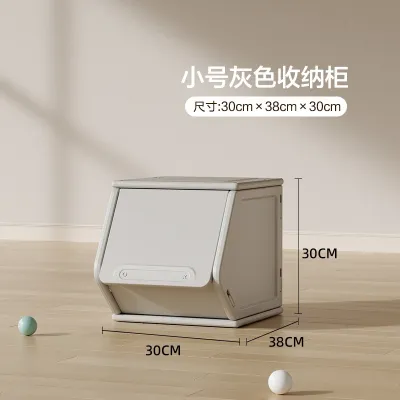
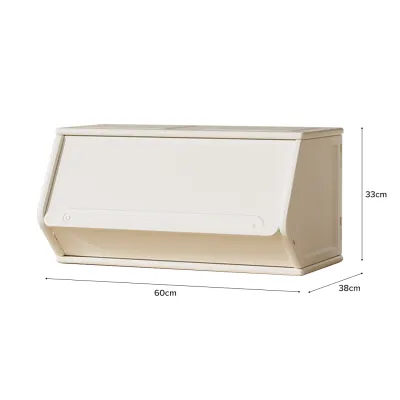
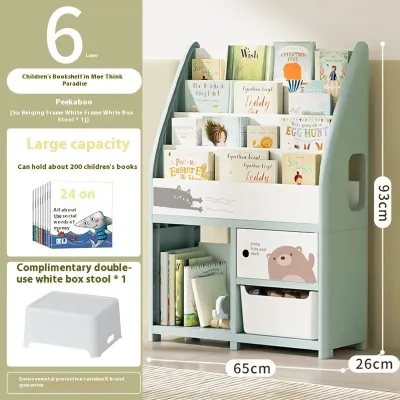
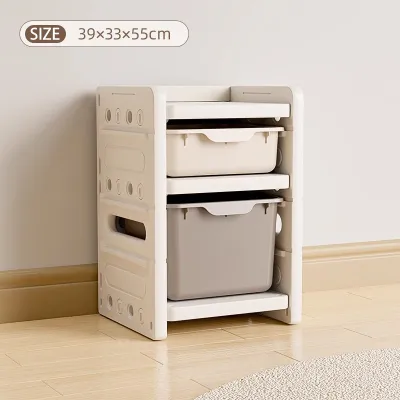
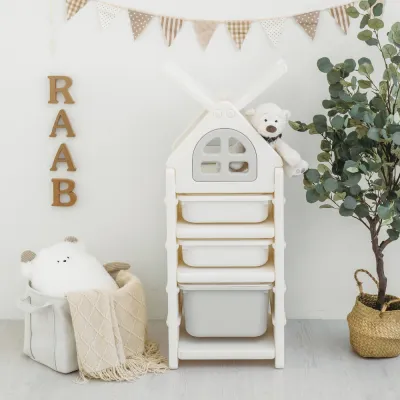
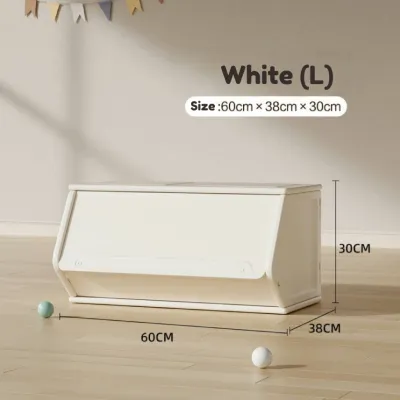
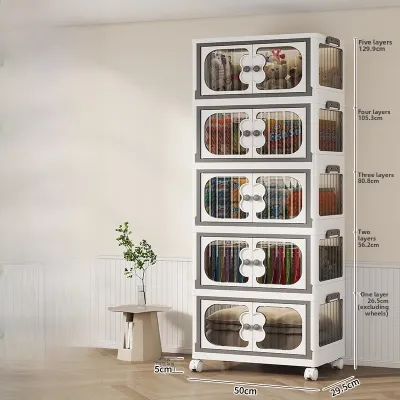
Prices are valid at publication and may change. Please refer to the product page for the latest price.
Finally, identify restricted zones in the nursery that must remain clear of large furniture. Avoid placing tall cabinets directly beneath or adjacent to windows, where a growing toddler could use the shelves as a climbing ladder. Keep a safe distance from power outlets, light switches, and air conditioning units or vents. Ensuring these fixtures remain accessible not only preserves the functionality of your room’s utilities but also prevents cords and switches from becoming safety hazards within your child’s reach.
Match Toy Cabinet Dimensions to Your Storage Needs
An effective toy cabinet does more than just hide clutter; it organizes items of varying shapes and sizes so they are easily accessible. Before choosing a unit, take inventory of your child’s current toys and categorize them by volume. Soft plush toys, building blocks, and small figurines require different storage environments than oversized board games or activity centers. Deep, pull-out bins are excellent for corralling loose items, while shallow shelves are better suited for books and puzzles that need to lie flat.

As your child transitions from infancy to toddlerhood and beyond, their play habits and toy sizes will inevitably change. Selecting a cabinet with adjustable shelving and removable compartments provides the long-term adaptability needed to accommodate this growth. In the early months, you might configure the cabinet with large bins for baby rattles and sensory toys. Later, these same spaces can be converted into open shelves for chapter books, art supplies, or larger playsets, extending the lifespan of your furniture investment.
You must also evaluate the internal depth of the cabinet against your bulkiest items. A cabinet with a shallow profile might look sleek, but if standard toy storage boxes or larger playsets protrude past the shelf edge, you will not be able to close the doors properly. Check the manufacturer’s specifications for internal shelf depth, comparing these figures directly with the dimensions of your largest toy organizers. Ensuring everything fits completely inside keeps the nursery looking tidy and prevents items from falling out.
Space-Saving Configurations for Compact Rooms
When floor space is limited, the configuration of your furniture plays a critical role in how spacious the nursery feels. Tall, narrow freestanding units utilize vertical wall space, allowing you to maximize storage capacity without consuming valuable floor area. However, these units can sometimes feel visually imposing in a small room. Conversely, wider, low-profile consoles keep the sightlines open and can double as a play surface or display area, though they require a larger continuous stretch of floor space along a single wall.
Multi-functional furniture is an excellent strategy for compact Singapore nurseries. Look for toy storage solutions that integrate other essential nursery functions, such as bench seating with under-seat toy chests or low cabinets that can temporarily support a changing pad on top. By combining storage with seating or changing areas, you eliminate the need for multiple individual furniture pieces, freeing up central floor space for tummy time and active play.
Wall-mounted or floating storage shelves offer another way to keep the floor clear, but they require careful structural evaluation. In Singapore, nursery walls may consist of solid concrete, brick, or hollow drywall, each requiring different mounting hardware and anchoring techniques. Before installing floating shelves, verify the wall type and consult the manufacturer’s guidelines regarding maximum weight capacities. Never overload wall-mounted units, and ensure they are positioned at a height that is safe from climbing toddlers while remaining accessible to caregivers.
Safety and Clearance Checks for Nursery Furniture
Safety must be the primary consideration when introducing any new furniture piece into a child’s environment. Tall or top-heavy toy cabinets pose a significant tip-over risk, especially as curious toddlers begin to pull themselves up or attempt to climb shelves. It is essential to anchor these units securely to the wall. For concrete or brick walls common in local homes, use heavy-duty wall plugs and brackets; for drywall, ensure the anchors are fastened directly into the wall studs. Regularly check these connections to ensure they remain tight and secure over time.
In addition to structural stability, inspect the cabinet’s physical design for child-friendly features. Look for units with smooth, rounded edges rather than sharp corners to minimize the risk of injury during active play. If the cabinet features doors or heavy drawers, verify that they are equipped with soft-close mechanisms or safety hinges that prevent them from slamming shut on small, delicate fingers. If you are using removable fabric or plastic bins, ensure they are lightweight and free of sharp plastic seams.
Proper ventilation is another critical factor, particularly in Singapore’s warm and humid climate. Leaving a small clearance gap of at least two to three centimeters between the back of the cabinet and the wall promotes air circulation, which helps prevent moisture buildup and the growth of mold or mildew. Avoid pushing furniture completely flush against external walls that are prone to temperature fluctuations. Regularly inspect the space behind and beneath the cabinet during your routine cleaning to ensure the area remains dry and clean.
Common Sizing Mistakes to Avoid
One of the most frequent mistakes parents make is overlooking the cabinet’s external clearance requirements. It is easy to focus solely on whether the cabinet’s base fits into a specific corner, forgetting to calculate how far doors, drawers, or drop-down lids extend when fully opened. If a drawer collides with the crib or blocks a doorway when extended, the cabinet becomes highly impractical to use daily. Always measure the total depth of the unit with all compartments fully open before making a purchase.
Another common error is ignoring the visual weight of the furniture. A dark, solid wood cabinet that reaches the ceiling can make a small nursery feel incredibly cramped and dark, even if it technically fits within the room’s physical dimensions. To keep the space feeling light and airy, consider lighter wood tones, white finishes, or units with open, slender frames. These design choices help reflect natural light and create the illusion of a larger, more open room.
Finally, avoid buying furniture that only serves your immediate needs without considering your child’s developmental stages. A low toy box designed for an infant might become obsolete within a year as their toy collection grows and changes. Instead, opt for modular systems that can be reconfigured, stacked, or expanded as your storage requirements evolve. Planning for the future ensures your nursery furniture remains functional and cost-effective for years to come.
Frequently Asked Questions (FAQ)
How much clearance should I leave around a toy cabinet?
You should aim to leave at least 60 to 90 centimeters of open space in front of the toy cabinet to allow for comfortable access. This clearance ensures that you can fully extend drawers, open cabinet doors, and kneel down to retrieve items without bumping into other furniture. Additionally, maintain a small gap of two to three centimeters between the back of the cabinet and the wall to facilitate air circulation, which is essential for preventing mold growth in humid environments.
Are open shelving units better than closed cabinets for small nurseries?
Both styles offer distinct advantages depending on your priorities. Open shelving units make it easy for young children to see and access their toys, which can encourage independent play, but they can quickly look cluttered and accumulate dust. Closed cabinets, on the other hand, conceal visual clutter and keep the nursery looking tidy, while also protecting toys from dust. For a small nursery, a combination of both—such as a closed cabinet base with a few open upper shelves—often provides the best balance of accessibility and neatness.

Community discussion
Share your experience or ask a question. Comments are reviewed before publication.