
Setting up a nursery in a compact home, such as a modern apartment or a cozy flat, requires careful spatial planning. Every piece of furniture and storage accessory must justify its footprint. A diaper box is an essential tool for keeping daily changing supplies organized, but choosing one that is too large can quickly overcrowd a small room, while one that is too small leads to constant, inconvenient restocking trips. Finding the right balance involves assessing your physical space, understanding your baby’s daily diaper consumption, and selecting a design that integrates seamlessly into your layout. By taking precise measurements and focusing on functional design, you can maintain an organized, stress-free changing station that keeps essentials within arm’s reach without compromising on floor space.
Assessing Your Nursery's Available Space
Before browsing online marketplaces or visiting local baby boutiques, you must accurately evaluate the physical space available in your nursery. Relying on visual estimates often leads to purchasing storage solutions that block walkways or fail to fit into designated gaps. Start by using a physical measuring tape to map out the exact footprint of your changing area. If you plan to place the diaper box on top of a changing table, measure the flat surface area, leaving ample room for the changing pad itself and ensuring the box cannot be easily knocked over.
For floor-based storage, pay close attention to corner dimensions and clearances around doors. In compact nurseries, a diaper box placed too close to a door frame can obstruct the door’s full swing or create a tripping hazard in the dark. You should aim to maintain a clear walkway of at least 60 to 90 centimeters throughout the room to allow for safe, comfortable movement, especially when carrying a sleeping baby. Additionally, if you plan to place the box near the crib, ensure it is positioned at a safe distance where a growing, curious infant cannot reach the contents or use the box as leverage to climb over the crib rails.
Products mentioned in this guide
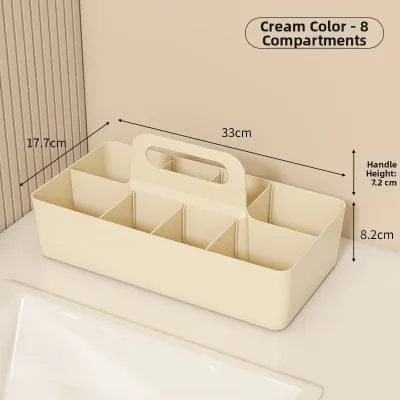
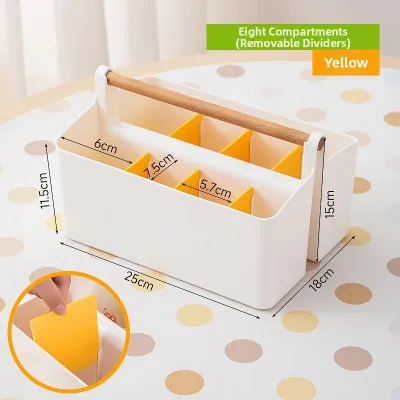
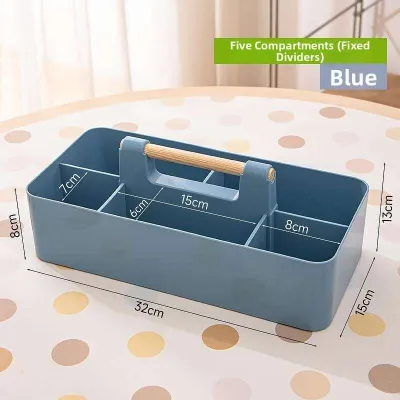
Prices are valid at publication and may change. Please refer to the product page for the latest price.
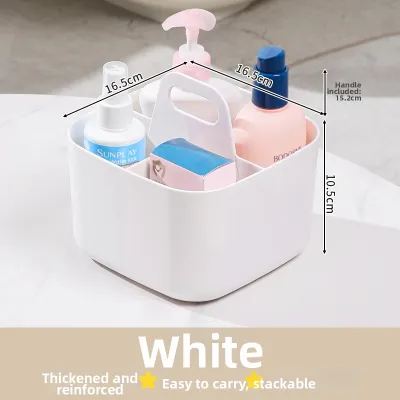
Vertical space is an incredibly valuable asset in small rooms that is often underutilized. If your floor space is strictly limited, look upward and evaluate your shelving or wall options. Measure the height between existing wall shelves or the clearance beneath your changing table frame. Knowing these vertical limits helps you determine whether a tall, narrow diaper box or a stackable storage system would be more appropriate than a wide, shallow basket that consumes valuable floor or tabletop real estate.
Estimating Diaper Capacity Needs
The ideal size of your diaper box is directly tied to how many diapers you need to store for immediate use. This capacity requirement changes as your baby grows and transitions through different developmental stages. Newborns typically require frequent changes, often needing 10 to 12 diapers a day, which means a small storage container will empty rapidly. As infants grow older, their daily diaper usage decreases to about 6 to 8 per day, allowing a moderately sized box to last longer between refills.

Your shopping and restocking habits also play a significant role in determining the right capacity. If you prefer to buy diapers in bulk to save money, you do not need to cram the entire bulk package into your nursery storage. A highly effective strategy for small spaces is to store the main bulk supply in a secondary location, such as a storeroom, utility closet, or master wardrobe, and use a smaller diaper box in the nursery to hold a two-to-three-day supply. This keeps your immediate changing area tidy and uncluttered while ensuring you always have enough diapers on hand for daily needs.
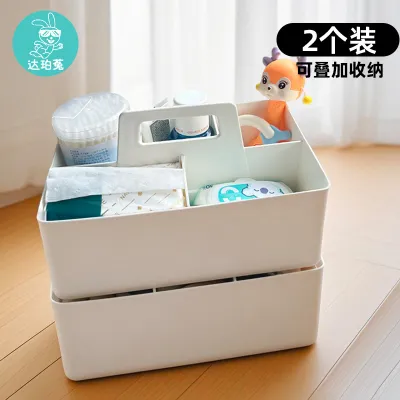
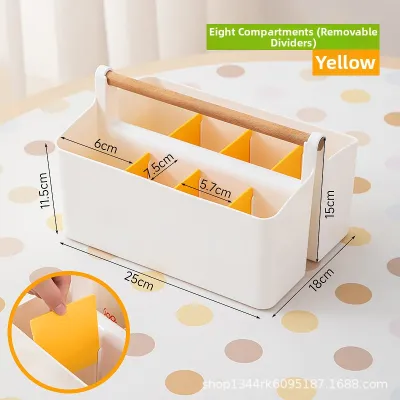
Furthermore, a diaper box rarely holds just diapers. You must allocate internal or external space for essential accessories, including wet wipes, diaper creams, sanitizers, and disposal bags. When estimating capacity, look for a box that offers dedicated compartments or flexible dividers. This prevents smaller items from getting lost at the bottom of the container and ensures that everything you need for a quick, hygienic change is organized in one centralized location.
Matching Box Dimensions to Nursery Layouts
Integrating a diaper box into a small nursery layout requires strategic placement to avoid visual and physical clutter. One of the most efficient methods is to utilize existing furniture configurations. If your changing table features an open lower shelf, this is the premier spot for a slide-out diaper box. Alternatively, if you use a chest of drawers with a changing topper, you can dedicate a portion of the top drawer to diaper storage or place a compact organizer directly on the surface next to the changing pad.
For nurseries with awkward layouts or tight gaps between furniture pieces, specialized shapes can maximize otherwise wasted space. A narrow, deep diaper box can slide easily into the gap between a wardrobe and a wall, turning a dead zone into a highly functional storage nook. If you prefer to keep the floor completely clear, consider utilizing the inside of a wardrobe door or hanging a slim organizer over the nursery door, which keeps supplies completely out of sight when not in use.
Regardless of where you place the box, prioritizing easy, one-handed access is essential for safety. During a diaper change, you must always keep one hand on your baby to prevent falls or sudden movements. Therefore, the diaper box must be positioned within comfortable arm’s reach of the changing pad. The design should allow you to grab a fresh diaper or a wipe effortlessly without having to bend down awkwardly, stretch too far, or struggle with complicated latches.
Space-Saving Features to Look For
When shopping for a diaper box for a compact nursery, specific design features can significantly maximize utility while minimizing the physical footprint. Collapsible or foldable designs are highly practical for families living in compact apartments. These boxes are typically made of sturdy fabric with removable baseboards, allowing you to fold them completely flat when they are not in use or when transitioning between baby stages. This flexibility makes them easy to store under a crib or inside a closet when your storage needs change.
Wall-mounted or over-the-door organizers are excellent alternatives when floor and tabletop space are virtually non-existent. By shifting your storage to vertical surfaces, you free up valuable room for movement and other essential furniture. If you choose a hanging organizer, look for models with reinforced shelving and sturdy hooks to ensure they do not sag or pull away from the wall under the weight of full wipe packs and diaper stacks.
Modular inserts and adjustable dividers are another crucial feature to look for. Rather than purchasing multiple separate containers for diapers, creams, and toys, a single diaper box with adjustable hook-and-loop dividers allows you to customize the internal layout as your needs evolve. This adaptability ensures that the box remains highly functional throughout your parenting journey, easily transitioning from holding newborn diapers to storing toddler pull-ups, toys, or books.
Common Sizing Mistakes to Avoid
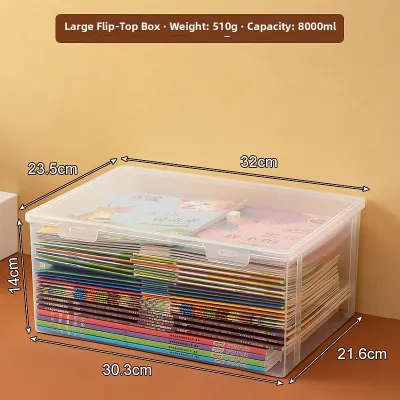
One of the most frequent mistakes parents make is ignoring the discrepancy between a diaper box’s external dimensions and its actual internal capacity. Thick-walled plastic bins, heavily padded fabric baskets, or decorative wooden boxes can occupy a significant amount of physical space on a shelf while offering surprisingly limited storage room inside. Always compare the external measurements against the internal dimensions to ensure you are getting efficient storage volume for the physical space the box occupies.
Another common oversight is failing to account for the clearance required to open lids or pull out drawers. A diaper box might fit perfectly inside a shelf compartment, but if it features a top-opening lid that requires substantial vertical clearance, you will have to pull the entire box out every time you need a diaper. In humid climates, keeping diapers protected from moisture is important, but you should opt for open-top designs, front-access bins, or boxes with split lids that require minimal clearance to operate smoothly.
Finally, avoid the temptation to buy an oversized diaper box simply to accommodate bulk purchases in the nursery. While it might seem convenient to have a month’s supply of diapers immediately available, a massive storage container will quickly overwhelm a small room, block essential walking paths, and make the nursery feel cramped and chaotic. Sticking to a compact, easily refillable box keeps the nursery environment calm, organized, and safe for both you and your baby.
Frequently Asked Questions (FAQ)
Can I use a regular storage bin instead of a dedicated diaper box?
Yes, you can certainly use a generic storage bin, but there are key differences in accessibility and organization to consider. Dedicated diaper boxes often feature built-in compartments, pockets, and dispenser slots designed specifically for wipes and diapers, making one-handed retrieval much easier during a change. If you choose to use a regular storage bin, look for one with a secure, easy-to-open lid to protect the diapers from dust and household humidity, and consider adding your own small baskets or fabric dividers inside to keep the contents organized and upright.
How do I measure a diaper box to ensure it fits under a changing table?
To ensure a diaper box fits perfectly under a changing table, start by measuring the exact height, width, and depth of the shelf or the open gap beneath the table frame. Once you have these precise measurements, subtract at least 2 to 3 centimeters from each dimension to establish a safe clearance margin. This small buffer prevents the box from scraping against the furniture, ensures you can slide it in and out smoothly, and allows enough room for your hands to grip the sides of the box when retrieving it.

Community discussion
Share your experience or ask a question. Comments are reviewed before publication.