
Transitioning your child from breast or bottle feeding to a cup is a major developmental milestone that requires the right tools. A sippy cup serves as an essential bridge, helping your little one transition to independent drinking while minimizing messy spills. In Singapore’s warm, tropical climate, keeping your child hydrated throughout the day is crucial, making the selection of an effective cup a practical daily priority. Rather than relying solely on the age recommendations printed on packaging, parents should evaluate a cup based on their child’s physical milestones, oral motor skills, and hand-eye coordination.
Choosing the right cup involves understanding how different designs support your child’s physical growth. The market offers a wide variety of options, from soft silicone spouts to weighted straws and 360-degree rims. By matching these features to your child’s current abilities, you can encourage healthy oral development and build their confidence. This guide will help you navigate the key features, developmental stages, and safety checks necessary to select the ideal cup for your growing child.
Key Sippy Cup Features to Evaluate
When evaluating sippy cups, the spout design is one of the most critical factors influencing oral motor development. Soft silicone spouts are highly flexible and gentle on tender gums, making them an excellent starting point for infants accustomed to the soft feel of a breast or bottle nipple. Hard plastic spouts offer greater durability once your child begins teething, as they can withstand biting without tearing. Straw cups encourage a different tongue position and active lip sealing, which helps develop the muscles needed for mature swallowing and speech. Meanwhile, 360-degree rim cups allow children to drink from any edge of the cup, mimicking an open cup while using a pressure-activated seal to prevent spills.
Products mentioned in this guide
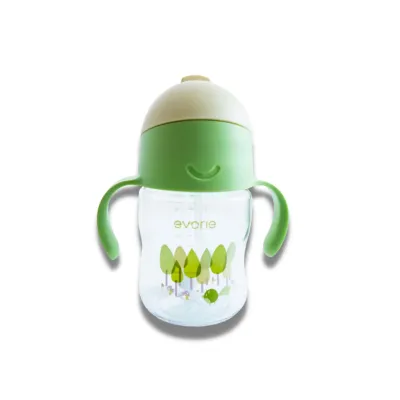
![[Made in USA] Re-Play Spill-proof Sippy Cup 10oz Kids-friendly](https://img.lazcdn.com/g/p/36bd77026948eeb41587c8e87ea4f5a4.jpg_400x400q80.jpg_.webp)
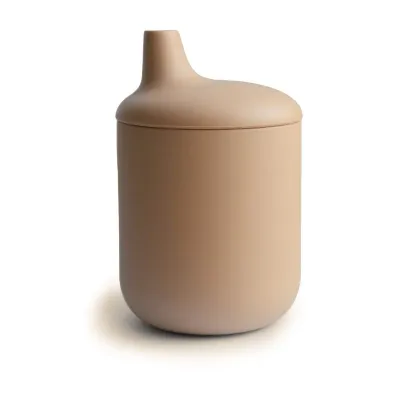
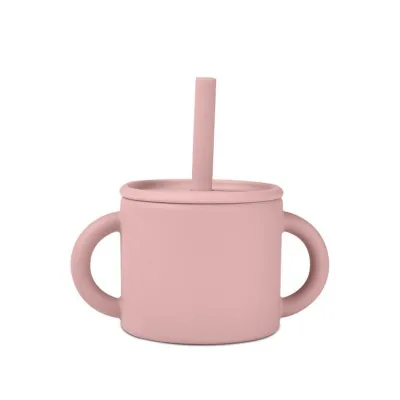
![[Growing Up] Re-Play Spill-proof Sippy Cup 10oz Kids-friendly [Made in USA]](https://img.lazcdn.com/g/p/443be7f9e7d05632c2bb46f761649f13.jpg_400x400q80.jpg_.webp)
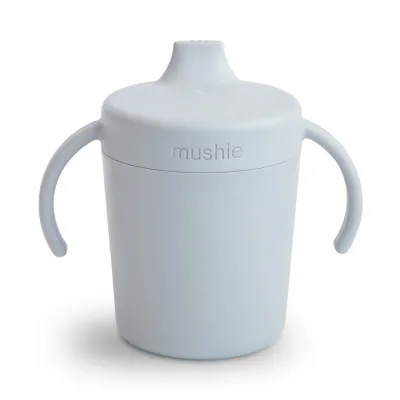
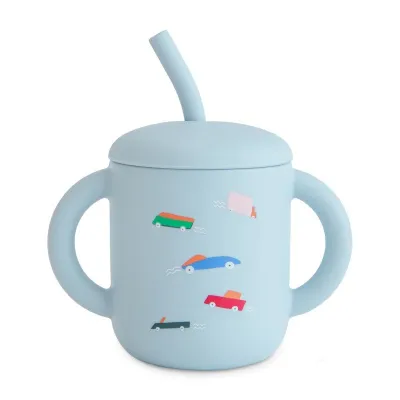
Prices are valid at publication and may change. Please refer to the product page for the latest price.
The flow rate of the cup is another essential variable that directly impacts your child’s drinking experience. If the flow rate is too fast, your child may gulp, cough, or choke, which can create anxiety around drinking. Conversely, if the flow rate is too slow or requires excessive sucking effort, your child may become frustrated and reject the cup entirely. Many modern cups feature adjustable valves or cross-cut spouts that regulate the flow based on the child’s sucking strength, allowing for a more customized and comfortable experience.
Handle designs play a vital role in supporting your child’s developing fine motor skills and hand-eye coordination. For younger infants, large, ergonomically curved handles with textured grips make it easier to lift and steady the cup. Weighted handles or cups with weighted straws are particularly helpful because they allow the child to drink successfully even when holding the cup at odd angles or upside down. As your child’s grip strength and coordination improve, you can transition to cups with removable handles or handle-free designs that resemble standard adult drinkware.
Matching Cup Types to Developmental Stages
While manufacturers print age guidelines on their packaging, these numbers should only serve as a general baseline. Children develop physical and cognitive milestones at highly individual rates, meaning a child’s actual readiness is a much more reliable guide than chronological age. Before purchasing a cup, observe your child’s ability to sit upright unsupported, hold objects with both hands, and bring their hands to their mouth. Cross-referencing these observed physical milestones with specific cup features ensures a smoother transition and reduces frustration.

6 to 9 Months: Introduction and Trainer Cups
At six to nine months, the primary objective is introducing your baby to the concept of holding a cup and sipping liquids other than breast milk or formula from a bottle. Trainer cups featuring soft, flexible silicone spouts are highly suitable for this stage because they mimic the familiar texture of a bottle nipple. This familiarity helps ease the sensory transition, allowing your baby to focus on the new mechanics of tilting and sipping.
During this early stage, babies are still developing their palmar grasp, meaning they use their entire hand to hold objects. Look for trainer cups equipped with large, lightweight, and easy-to-grip handles that are permanently attached to the cup body. The cup itself should be lightweight, even when filled with a small amount of water or expressed milk, so your baby does not struggle to lift it. Caregiver supervision is essential during these early attempts to ensure the baby does not tilt the cup too quickly or poke themselves with the spout.
9 to 12 Months: Independent Grasping and Straw Transition
As your baby approaches their first birthday, their fine motor skills, hand-eye coordination, and oral muscle control advance significantly. This developmental window is an excellent time to introduce early straw cups and firmer spouts. Drinking through a straw requires your child to retract their tongue and seal their lips tightly around the straw, which exercises the facial muscles crucial for speech development and mature swallowing patterns.
To assist with this transition, look for cups that feature weighted straws. A weighted ball at the bottom of the straw ensures that the straw remains submerged in the liquid, regardless of the angle at which your baby tilts the cup. This design is incredibly helpful for infants who are still accustomed to tilting bottles backward to drink. You can also introduce firm or hard plastic spouts during this stage, especially if your baby has started teething and tends to chew through softer silicone materials.
12 to 18 Months: Active Movement and Spill-Proof Needs
Between 12 and 18 months, toddlers become highly active, transitioning from crawling to cruising and walking. During this energetic phase, their drinking cups will inevitably be dropped from high chairs, tossed onto the floor, and carried sideways around the living room. To manage the mess in your home, prioritize cups with robust spill-proof valves and 360-degree rim designs.
A 360-degree rim cup is particularly beneficial during this stage because it allows your toddler to drink from any side of the rim, just like a standard open cup. The cup features a silicone valve that only releases liquid when the child applies gentle lip pressure to the edge. When selecting these cups, it is important to balance leak resistance with the ease of drinking. Ensure the valve does not require excessive suction, as a valve that is too tight can discourage your toddler from drinking enough water to stay hydrated.
18 Months and Beyond: Open Cup Transition
By 18 months of age, the ultimate goal is to transition your child away from specialized sippy cups and toward standard, open drinkware. Prolonged reliance on spill-proof valves can prevent children from learning how to regulate the flow of liquid using their lips and tongue. Introducing small, open cups with wide, weighted bases helps your child practice the precise hand-eye coordination required to lift, sip, and set down a cup without tipping it over.
To minimize messes during this learning phase, start by offering very small amounts of water—just a few sips at a time—during supervised meals. You can also use training lids with small perforations or recessed lids, which act as an intermediate step by slowing down the flow of liquid if the cup is tilted too quickly. Signs that your child is ready to abandon spill-proof valves entirely include the ability to swallow without spilling liquid from the corners of their mouth and the motor control to place a cup back on the table gently.
Safety, Materials, and Hygiene Checks
When selecting a sippy cup, safety and hygiene should always be your top priorities. Always inspect the product packaging to verify material safety labels directly. Look for clear indicators that the cup is free from Bisphenol A (BPA), polyvinyl chloride (PVC), and phthalates. Since these cups frequently hold warm liquids or undergo sterilization, ensuring the materials are food-grade, durable, and heat-resistant is vital for your child’s health.
Hygiene is another critical factor, especially in Singapore’s humid climate, which can accelerate the growth of mold and bacteria in damp, enclosed spaces. Before purchasing, evaluate how easily the cup can be completely disassembled for cleaning. Avoid designs with complex, non-removable valves, deep crevices, or narrow straw channels that cannot be reached with a standard bottle brush. Check if the manufacturer specifies that the cup is dishwasher-safe, and prioritize designs that can be boiled or steam-sterilized if that fits your daily cleaning routine.
Lastly, perform a thorough physical check for small detachable parts or loose valves that could pose choking hazards. Gaskets, straw connectors, and small valve inserts must fit securely and not detach easily during drinking or when the cup is dropped. Always inspect the cup before each use, and discard any parts that show signs of wear, cracking, or tearing, particularly silicone straws and spouts that have been chewed on by teething toddlers.
How to Build Your Sippy Cup Shortlist
Building a practical shortlist of sippy cups requires looking past marketing claims and focusing on your specific household needs. Start by cross-referencing manufacturer age guidelines with your child’s observed milestones rather than chronological age alone. If a cup is labeled for 12 months but your 9-month-old is already showing excellent grip and straw-drinking capabilities, you might skip the intermediate trainer cup and move straight to a weighted straw option.
Next, consider the daily maintenance trade-off. While a highly complex, multi-valve cup might promise complete spill resistance, it may require five separate parts to be washed, dried, and reassembled every evening. If you have limited time or a compact kitchen drying rack, you may prefer a simpler three-piece cup that is easier to clean, even if it occasionally lets a few drops escape when dropped. Budgeting S$15 to S$30 for a high-quality, durable cup that is easy to clean is often more cost-effective than buying multiple cheap, leak-prone options.
Rather than searching for a single, permanent cup to solve all your needs, plan for a transitional rotation of two or three different cup types. Keep a spill-proof straw cup for outings in the stroller, a 360-degree cup for active playtime at home, and a small open cup for supervised use during meals. This rotation not only keeps your child engaged but also helps them develop a wider range of oral motor skills as they grow.
Frequently Asked Questions (FAQ)
When should I stop using a sippy cup entirely?
Most pediatric health organizations and dental professionals recommend weaning children off traditional sippy cups with hard spouts and valves by around 12 to 24 months of age. Prolonged use of these cups can interfere with the natural development of mature swallowing patterns. If your child can sit independently, hold a cup with both hands, and follow simple instructions, they are likely ready to begin practicing with an open cup. To manage the inevitable spills during this transition, practice during bath time or outdoors, and use small, heavy-bottomed cups that are difficult to tip over.
Do sippy cups affect speech or dental development?
Yes, prolonged or improper use of certain sippy cups can impact oral development. Traditional hard-spout cups require a sucking motion similar to bottle feeding, which keeps the tongue positioned forward and low in the mouth. Over time, this can affect jaw alignment, dental arch development, and the pronunciation of certain speech sounds. In contrast, straw cups and open cups encourage tongue retraction and active lip sealing, which are beneficial for oral muscle development. If you have concerns about your child’s teeth alignment, persistent mouth-breathing, or speech clarity, consult a pediatric dentist or a qualified speech therapist for personalized guidance.

Community discussion
Share your experience or ask a question. Comments are reviewed before publication.