
Selecting the perfect drinking vessel for your little one is a milestone that marks a significant shift in their nutritional journey. Choosing the right silicone straw cup depends on matching the cup’s flow rate, straw shape, and valve design with your child’s specific oral motor milestones rather than relying solely on age. While age-based labels on packaging offer a helpful baseline, every child develops at their own pace.
Finding the best silicone straw kids can safely use involves looking beyond marketing claims to observe their physical readiness and motor skills. Introducing a straw cup too early can lead to frustration, coughing, or a complete refusal to drink, while delaying the transition might miss a crucial window for oral muscle development. By aligning the cup’s design with your child’s current abilities, you can foster independence and make weaning a positive experience.
Quick Guide: Matching Straw Cups to Developmental Milestones
To navigate this transition successfully, it helps to view cup selection as a progressive journey that mirrors your child’s physical growth. Beginner cups focus heavily on flow control and safety, utilizing specialized valves to prevent accidental spills and choking. As infants gain better tongue control and lip strength, they can transition to free-flowing, weighted straws that allow them to drink from any angle. Finally, toddlers require durable, bite-resistant straws that accommodate thicker liquids and support independent handling.
Products mentioned in this guide
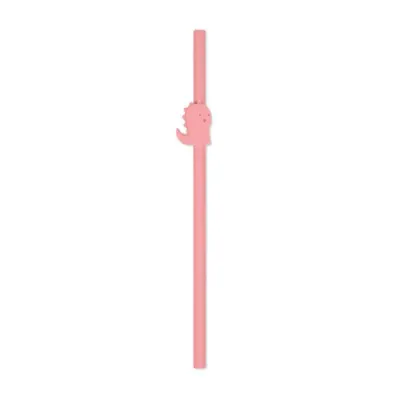
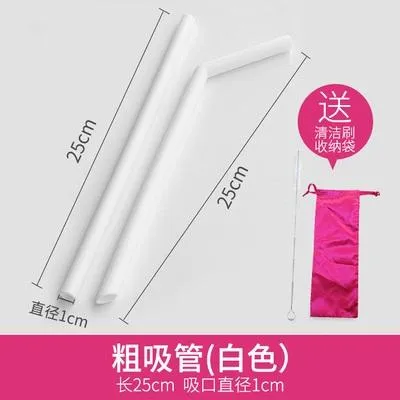
Prices are valid at publication and may change. Please refer to the product page for the latest price.
While age ranges provide a convenient starting point, observable developmental signals are the true indicators for transitioning. Your child’s ability to sit upright unsupported, coordinate swallowing, and grasp objects with their hands will tell you more than a number on a box. Rushing this process can lead to unnecessary struggles, so it is always best to let your child’s physical capabilities guide your purchase.
Signs Your Child Is Ready to Transition to a Straw Cup
Before purchasing a new cup, take a few days to observe your child’s behavior during feeding times. A primary sign of readiness is the ability to sit upright in a highchair completely unsupported. This physical stability is crucial because it ensures their airway is properly aligned, which significantly reduces the risk of choking when they attempt to swallow liquids from a straw.

Another key indicator is how they interact with food and utensils. If your child has moved past the tongue-thrust reflex—meaning they no longer automatically push spoons or solid food out of their mouth with their tongue—they are likely ready to learn the sucking mechanism required for a straw. You might also notice them watching you drink with intense interest, reaching for your glasses, or mimicking chewing motions during family meals.
Conversely, there are clear signs that a child is not yet ready for this step. If your little one gags frequently during spoon-feeding, cannot maintain a firm seal with their lips around a spoon, or lacks the basic hand-eye coordination to bring objects reliably to their mouth, they may need more time. Forcing the transition too early can create a negative association with drinking and slow down their progress.
Every child’s developmental timeline is unique, and patience is key during the weaning process. If your child shows a persistent aversion to cups, experiences frequent coughing while drinking, or exhibits ongoing swallowing difficulties, stop using the cup. In these situations, it is highly recommended to consult a pediatrician or a pediatric feeding therapist for personalized guidance.
Choosing the Right Silicone Straw Kids Need by Age and Developmental Stage
Selecting the appropriate straw design requires looking closely at the engineering of the straw itself. The thickness of the material, the shape of the opening, and the presence of internal valves all play critical roles in how liquid is delivered. While manufacturers provide age recommendations, always verify the specific age, weight, and safety guidelines on the product packaging before introducing a cup to your child.
6 to 9 Months: Beginner Straws and Flow Control
The initial introduction to a straw cup is all about building confidence and preventing accidental choking. At this stage, infants are transitioning from the suckling reflex used for breastfeeding or bottle-feeding to an active sucking motion. To support this learning curve, beginner cups feature specialized cross-cut or valve-equipped silicone straws that remain closed until the child applies active pressure with their lips and tongue.
These valves are essential because they prevent liquid from flowing freely into the child’s mouth, which could easily overwhelm their developing swallowing coordination. The straw tips in this category are typically short and highly flexible, designed to sit comfortably in small mouths without reaching too far back toward the throat, which minimizes the risk of gagging.
When introducing these beginner models, caregiver supervision must be constant and active. Ensure your child is seated fully upright in a secured highchair, and never allow them to use the cup while lying down or crawling. By keeping sessions short and supervised, you can help them master the basic mechanics of straw drinking safely.
9 to 12 Months: Transitioning to Standard Silicone Straws
As your child approaches their first birthday, their oral muscles naturally strengthen, and their hand-eye coordination improves dramatically. This is the ideal window to transition to round-opening silicone straws that do not feature restrictive internal valves. These open-flow designs allow liquid to move more naturally and continuously, teaching the child how to regulate their intake using their own lip and tongue strength.
To support their growing desire for independence, many cups in this stage incorporate a weighted straw system. A small, food-grade weight attached to the bottom of the flexible silicone straw ensures the end of the tube remains submerged in the liquid, regardless of how the child tilts the cup. This is particularly helpful for infants who are still learning that a cup must be held upright to work.
These cups often feature dual handles that are ergonomically designed for small hands to grip. This design encourages your child to lift, hold, and manipulate the cup independently, reinforcing their fine motor skills while they explore their environment.
12 Months and Beyond: Advanced Flow and Independent Drinking
By the toddler stage, children are highly active and require cups that can keep up with their busy routines. Toddler-focused silicone straw cups feature wider, open-flow straws that allow for faster drinking speeds. These wider openings are also excellent for serving thicker liquids, such as milk, yogurt drinks, or homemade fruit smoothies, which are common additions to a toddler’s diet.
Teething is a major consideration at this stage, as toddlers often use their cups to soothe sore gums. Consequently, the silicone used in these straws must be significantly thicker and highly bite-resistant to withstand constant chewing. Look for cups with robust, durable designs that do not tear easily under pressure.
At this point, many children can transition away from weighted straws to standard, straight silicone straws. Because they have mastered the concept of gravity and can tilt or hold a cup correctly, the extra weight is no longer necessary. Many toddler cups also feature streamlined designs without handles, preparing them for the eventual transition to standard open cups.
Safety, Hygiene, and Comfort Checks Before You Buy
When shopping for a silicone straw cup in Singapore’s retail stores or online marketplaces, safety and hygiene should be your top priorities. Always verify that the cup is made from high-quality, food-grade silicone that is completely free from bisphenol A (BPA), phthalates, and other potentially harmful chemical additives. You can confirm this by carefully reading the product labels, manufacturer specifications, and safety certifications printed on the packaging.
Singapore’s warm, humid tropical climate makes mold prevention a critical consideration for any baby feeding product. Moisture trapped in small crevices can quickly lead to black mold growth, which poses health risks to your child. To combat this, look for cups that feature fully detachable components. You should be able to easily separate the straw, the weighted ball, the lid, and any silicone sealing rings for thorough cleaning.
Before making a purchase, inspect the cup’s overall construction. The edges of the plastic or silicone parts should be perfectly smooth to prevent scratches on your child’s delicate lips and hands. The lid should secure tightly to the base, offering a leak-proof seal that can withstand being dropped from a highchair or tossed into a diaper bag during outings to local parks.
Finally, establish a strict routine of inspecting the silicone components before every single use. Check the straw tip and body for any signs of physical wear, such as deep bite marks, thinning, punctures, or small tears. Damaged silicone can easily tear completely off during drinking, creating a severe choking hazard. If you notice any degradation, discard the damaged part and replace it immediately.
Troubleshooting Common Drinking Struggles
It is entirely normal for children to experience difficulties or show resistance when learning to use a new cup. If your child begins biting the straw aggressively rather than sucking, they are likely treating it as a teething toy. To resolve this, try offering a cup with a thicker, bite-resistant silicone straw, or choose a design that features a built-in physical stopper to prevent the straw from being pulled too far into the mouth.
If your child coughs or chokes while drinking, the flow rate is likely too fast for their current swallowing coordination, or the liquid itself may be too thin. In this scenario, revert temporarily to a straw cup with a slower-flow valve or a narrower straw diameter. You can also try offering slightly thicker liquids, like pureed fruit mixed with water, to help them slow down their sipping speed.
When a child completely refuses to use a straw cup, forcing the issue will only increase their resistance. Instead, try modeling the behavior by drinking from a similar straw cup yourself, showing them how fun and easy it is. Alternatively, you can temporarily transition back to an open cup or use a simple pipette to drop small amounts of water onto their lips, helping them associate the straw shape with hydration.
Remember that learning to drink from a straw is a complex motor skill that takes time and practice. However, if your child consistently gags, coughs, struggles to swallow, or displays ongoing signs of distress during feeding sessions, stop using the cup immediately. Seek professional advice from a qualified healthcare provider or pediatrician to ensure there are no underlying feeding difficulties.
Frequently Asked Questions (FAQ)
Can I put silicone straw cups in the dishwasher or sterilizer?
Always consult the manufacturer’s specific care instructions before cleaning your child’s cup. While high-quality food-grade silicone is generally dishwasher safe and highly heat-resistant, other components of the cup may not be. Plastic lids, decorative prints, silicone seals, and metal-weighted balls can warp, degrade, or lose their structural integrity when exposed to the intense heat of a dishwasher cycle or UV sterilizers over time.
How often should I replace my child's silicone straw?
There is no predetermined calendar timeline for replacing a silicone straw, as lifespan depends entirely on usage frequency and wear. You must inspect the straw tip before every use for any observable damage, including punctures, thinning, or bite marks. Replace the straw immediately if you detect any signs of wear, as compromised silicone can tear off and become a choking hazard.

Community discussion
Share your experience or ask a question. Comments are reviewed before publication.