
Selecting the right Richell water bottle involves matching the bottle’s design to your baby’s physical milestones. While age guidelines on packaging offer a helpful starting point, your child’s actual motor skills and swallowing coordination should guide your final choice. Transitioning from a bottle or breast to a cup is a step-by-step process that requires different lid styles and flow rates.
For early weaning, spout lids provide a familiar shape that bridges the gap between nipples and cups. As your baby develops a stronger grip and better lip control, straw cups help build oral muscle strength. Finally, direct-drink or open-style cups prepare toddlers for adult-style drinking. Always verify the specific model availability and age recommendations on the manufacturer’s packaging before purchasing.
Core Features to Evaluate in Richell Training Cups
When evaluating a Richell water bottle, the lid mechanism is the most critical feature to consider. Spout lids, straw lids, and direct-drink rims each demand different oral motor skills. A spout requires a simple tilting and sucking motion, while a straw demands active suction and lip sealing. Direct-drink lids require the child to control the flow of liquid using their upper lip, which is a highly advanced motor skill.
Products mentioned in this guide
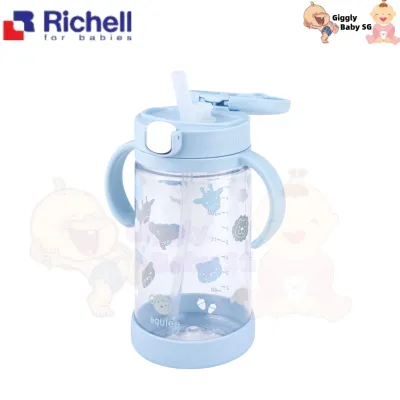
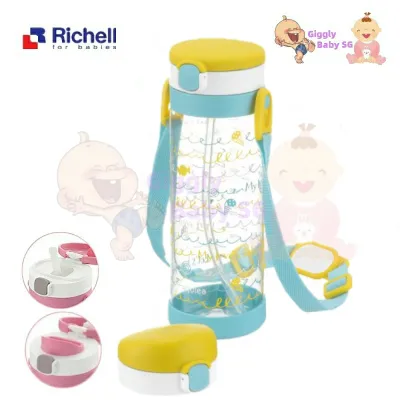
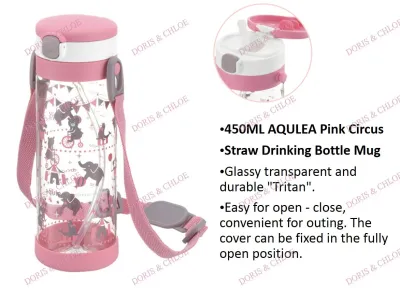
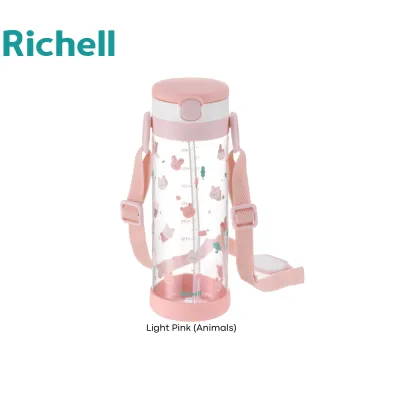
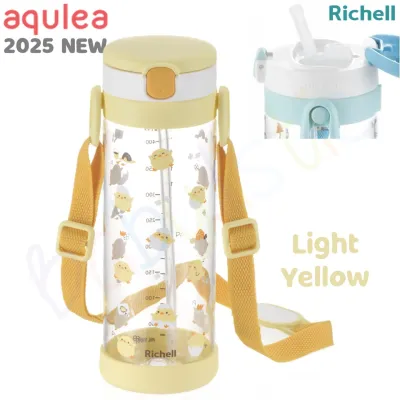
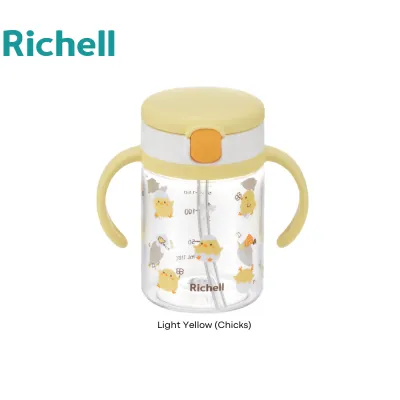
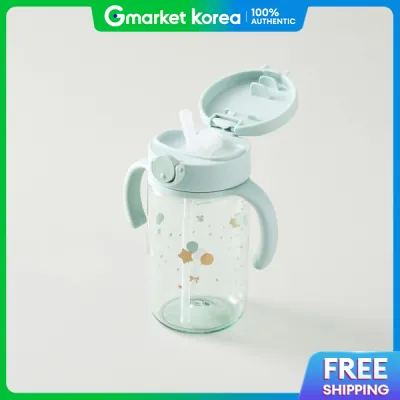
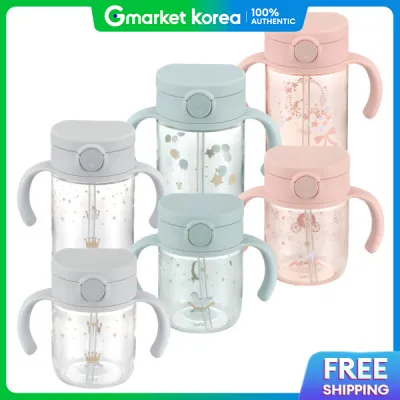
Prices are valid at publication and may change. Please refer to the product page for the latest price.
Handle design is another key factor in your decision. Dual handles are excellent for younger babies who are still developing their grasp and hand-eye coordination. These handles are often angled to make tilting the cup easier for small hands. For older toddlers, bottles without handles or with removable straps are more practical, as they fit easily into stroller cup holders and backpack side pockets.
Material safety and durability must also be verified on the product label. Look for clear indicators that the bottle is made from BPA-free plastics, such as polypropylene or copolyester. Because sterilization is a daily necessity for baby gear, you must check the manufacturer’s specified heat resistance limits. Some materials are compatible with steam or microwave sterilizers, while others may warp under high heat and require chemical sanitizing solutions instead.
Richell Water Bottle Options by Age and Drinking Stage
Children develop at their own pace, meaning chronological age is only a rough estimate for switching cups. Observing how your baby handles liquids is the safest way to decide when to upgrade their bottle. Introducing a cup too early can lead to coughing or frustration, while delaying the transition might slow down oral motor development.

Before buying any new model, cross-reference the specific product’s packaging for age grading, weight, and size limits. This ensures the bottle is lightweight enough for your baby to lift and hold safely.
Early Weaning and Spout Introduction (Around 6 Months)
- Design Characteristics: Spout cups designed for early weaning typically feature a wide, soft silicone spout. This shape mimics the familiar feel of a bottle nipple or breast, which helps ease the transition to cup drinking. The soft material is gentle on sensitive, teething gums.
- Readiness Signs: You can consider introducing a spout cup when your baby can sit upright with minimal support and shows a keen interest in solid foods. If they can reach for objects and bring them to their mouth, they may have the coordination needed for a training cup.
- Caregiver Supervision: Always supervise your baby closely during these early attempts. Check the manufacturer's flow-rate specifications to ensure the liquid does not flow too quickly, which could cause choking or sputtering.
Straw Transition and Active Sipping (7 to 9 Months)
- Design Characteristics: Straw cups for this stage often utilize a cross-cut or slit valve inside the silicone straw. This design controls the liquid flow, allowing water to pass through only when the baby actively sucks, which helps prevent sudden gushes and choking.
- Ergonomic Handles: Look for models equipped with curved, easy-grip dual handles. These handles encourage self-holding and help your baby practice the hand-eye coordination required to guide the straw directly to their mouth.
- Cleaning Requirements: Straw mechanisms have narrow pathways that easily trap moisture and milk residue. To prevent mold buildup, you must commit to daily, thorough cleaning using specialized tools and checking all small parts regularly.
Independent Drinking for Toddlers (10 Months and Older)
- Design Characteristics: Direct-drink lids or 360-degree spill-proof rims are designed to mimic adult cups. They allow toddlers to sip from the edge without a spout or straw, which promotes mature swallowing patterns and natural tongue positioning.
- Capacity and Portability: As toddlers consume more water, the focus shifts toward larger capacity bottles. These models often eliminate the dual handles in favor of a sleek, contoured body that fits easily into diaper bags and car seats.
- Leak-Proof Verification: While many toddler bottles claim to be leak-proof, you should verify the specific lid locking mechanisms. Understand that "spill-proof" designs may still leak if the bottle is dropped forcefully or left upside down during active outdoor play.
Specification Checklist: What to Verify Before You Buy
Before finalizing your purchase at a local retailer or online marketplace, take the time to verify several technical specifications. These details are often printed on the back of the packaging or listed in the official product description.
- Heat Resistance and Sterilization: Check the physical product label for the exact heat resistance temperatures of each component. Verify whether the bottle, lid, straw, and gaskets can withstand boiling water, microwave steam sterilizers, or chemical sterilizing tablets.
- Replacement Part Availability: Silicone straws, spouts, and sealing gaskets wear out over time or can be damaged by teething. Verify if the specific model you are buying has readily available replacement parts in Singapore retail stores to extend the lifespan of the bottle.
- Physical Inspection: Upon receiving the bottle, inspect it thoroughly for any visible manufacturing defects, sharp plastic edges, or loose parts. Ensure that all safety certifications and compliance labels are intact and legible.
Cleaning and Maintenance Guidelines for Richell Bottles
Proper hygiene is essential to protect your baby’s health and ensure the longevity of their water bottle. Because milk, juice, or even plain water can leave behind residue, a disciplined cleaning routine is necessary.
- Step-by-Step Disassembly: Always disassemble the bottle completely after every use. Remove the silicone gaskets, pull the straw or spout out of the lid, and detach the handles if they are removable. Trapped moisture in these tight joints is the primary cause of black mold.
- Appropriate Cleaning Tools: Use a specialized, thin straw brush to clean the inside of the silicone straw and spout. Avoid using abrasive scrubbers, steel wool, or harsh chemical cleansers on the plastic bottle body, as these can scratch the surface and create tiny crevices where bacteria can thrive.
- Thorough Air-Drying: After washing all components with mild baby-safe dish soap and rinsing them thoroughly, lay them out on a clean drying rack. Allow every piece to air-dry completely in a well-ventilated area before reassembling the bottle for the next use.
Final Decision Framework: Selecting the Best Fit for Your Child
To make your final selection, evaluate your baby’s current physical milestones alongside your family’s daily routine.
- Choose a Spout Cup if: Your baby is around 6 months old, is just starting solid foods, and needs a familiar, nipple-like texture to transition away from bottle-feeding.
- Choose a Straw Cup if: Your baby is 7 months or older, can sit independently, has developed a strong sucking reflex, and needs to practice holding their own cup.
- Choose a Direct-Drink Cup if: Your toddler is over 10 months old, has mastered straw drinking, and is ready to learn how to control the flow of liquid from an open rim.
- Verify First if: You plan to use the bottle primarily on the go. In this case, prioritize models with secure lid locks, leak-proof gaskets, and durable materials that can withstand drops.
Remember that transitioning between these stages should be paced entirely by your child’s comfort and skill level. There is no need to rush them to the next stage just because they reached a certain age. If your baby shows persistent resistance, coughs frequently while drinking, or struggles to use the bottle, consult your pediatrician or a lactation consultant for personalized guidance.

Community discussion
Share your experience or ask a question. Comments are reviewed before publication.