
Quick Guide: What Makes a Good Potty Seat for Beginners
Starting the potty training journey is a major developmental milestone for your toddler, requiring a balance of physical readiness and the right equipment. A beginner-friendly baby potty training seat must prioritize stability, physical comfort, and ease of use to build your child’s confidence from day one. When toddlers feel secure, they are far more likely to cooperate and relax, which is essential for successful training.
The market generally divides these products into two main structural categories: standalone floor-level potty chairs and toilet seat reducers (also known as inserts) that fit directly onto your existing adult toilet. Choosing between them involves matching the seat’s format to your toddler’s physical size, temperament, and your specific bathroom environment. For instance, a child who is easily startled by loud noises might prefer a low-to-the-ground chair, while a family living in a compact apartment with limited floor space might find a seat reducer more practical.
Comparing the Main Types of Potty Training Seats
Evaluating the structural designs of potty training seats helps you determine which format aligns with your bathroom layout and your toddler’s developmental readiness. Each type offers distinct advantages regarding footprint, cleaning effort, and how easily your child will eventually transition to using a standard adult toilet. The choice between a floor-level seat and an elevated one also significantly influences your toddler’s psychological comfort and sense of independence.
Products mentioned in this guide
![[SG SELLER]Potty Training Seat with Handles Toddler Toilet Training Seat - Non-Slip Base Splash Guard seat soft pad pot](https://img.lazcdn.com/g/p/5f11a1cf243b7392e027a74210808062.jpg_400x400q80.jpg_.webp)
![[Ann&Ann] Foldable Portable Travel Potty Seat: Lightweight Support for Baby and Kids Ideal for Toilet Training. Comfortable Cushion Booster for Children.](https://img.lazcdn.com/g/p/85fc672e1f7d1ec2db67a727f4399f3b.jpg_400x400q80.jpg_.webp)
Prices are valid at publication and may change. Please refer to the product page for the latest price.

Standalone Potty Chairs
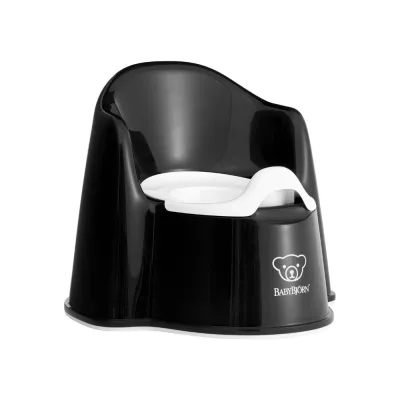
Standalone potty chairs sit directly on the floor, offering an immediate sense of security for early beginners. Because these chairs are low to the ground, your toddler can sit down and stand up completely independently without needing help to climb. This setup allows for natural foot placement, enabling your child’s feet to rest flat on the floor, which is the optimal anatomical position for bowel movements. Furthermore, standalone units eliminate the fear of heights and the sudden, loud flushing sounds of an adult toilet, which can intimidate sensitive toddlers.
However, standalone chairs require dedicated floor space, which can be a challenge in compact bathrooms, such as those in typical high-rise apartments. They also demand more hands-on daily cleaning. Because there is no direct connection to your plumbing, you must empty, rinse, and sanitize the collection bowl after every single use. If your bathroom is prone to high humidity, you will also need to ensure the chair is thoroughly dried to prevent moisture buildup in its crevices.
Toilet Seat Reducers (Inserts)
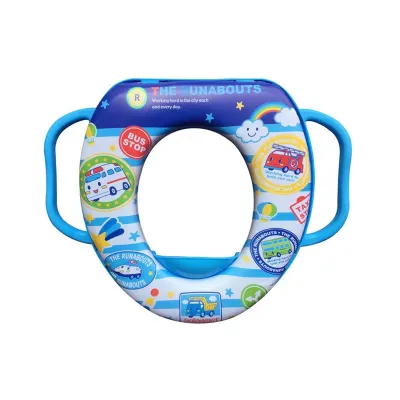
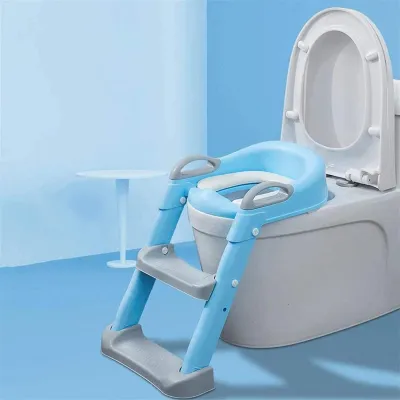
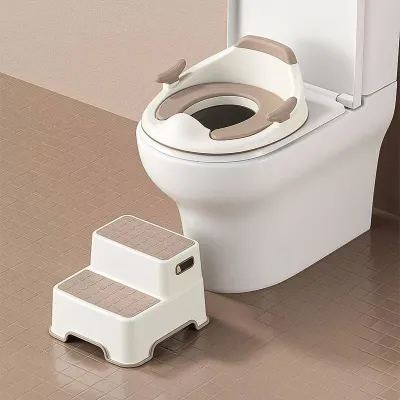
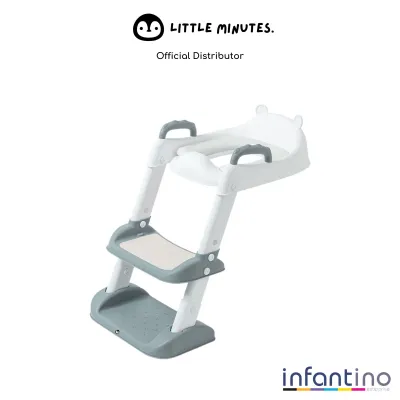
Toilet seat reducers are inserts that fit directly onto your existing adult toilet seat, narrowing the opening so your toddler does not feel like they are falling in. This format is highly space-efficient, making it an excellent choice for smaller bathrooms where floor space is at a premium. It also simplifies the cleaning process, as waste goes directly into the toilet bowl, leaving you with only the insert itself to wipe down occasionally. By using the actual toilet from the start, your child also becomes accustomed to the adult bathroom setup early on.
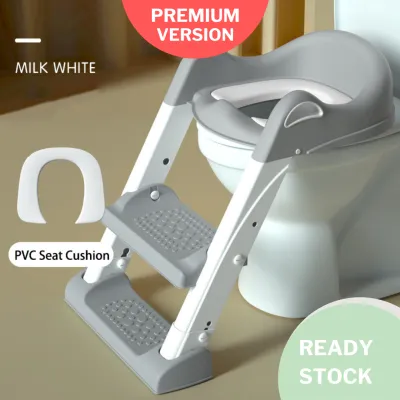
The primary drawback is that your toddler cannot use a seat reducer independently without a sturdy, appropriately sized step stool. A step stool is absolutely necessary to provide proper foot support and ensure climbing safety. Without a stool, your child’s legs will dangle, which can cause physical discomfort and make it difficult for them to push during bowel movements. Additionally, some beginners may find the height of the adult toilet intimidating, requiring extra encouragement and supervision during the initial stages.
Key Features to Look for in a Beginner Potty Seat
When selecting a baby potty training seat, focusing on specific design elements can significantly encourage toddler cooperation and prevent common bathroom accidents. Ergonomics should be your first consideration. Look for a seat that offers adequate backrest support, which helps your toddler relax their pelvic muscles while sitting. A functional splash guard is also essential, particularly for boys or toddlers who tend to sit far forward, as it prevents urine from spilling over the front edge.
Stability is another critical factor. A high-quality potty seat must feature a non-slip base or a secure gripping mechanism to prevent the unit from shifting or sliding when your child sits down or wiggles. For seat reducers, look for adjustable brackets or rubberized rims that lock firmly onto your specific toilet bowl shape. If the seat moves even slightly, it can startle your toddler and create a fear of using it again.
You will also need to weigh the pros and cons of interactive features versus simple, distraction-free designs. Some potty chairs come equipped with built-in sounds, lights, or toy attachments designed to make the process feel like a game. While these can initially attract a reluctant toddler, they can also distract from the actual task at hand or create a dependency where the child only wants to play. Simple, clean designs keep the focus on learning bodily cues and are generally much easier to clean.
Finally, pay close attention to the mechanics of the removable inner bowl if you choose a standalone chair. The bowl should be easy to lift out, empty, rinse, and sanitize without requiring you to move or disassemble the entire unit. Look for models with smooth, seamless interiors and integrated handles that allow for quick, hygienic disposal of waste.
Safety, Hygiene, and Manufacturer Checks Before You Buy
Before making a final purchase, it is vital to verify the safety standards and hygiene practices associated with your chosen potty seat. Start by physically inspecting the product or reviewing detailed specifications for smooth, rounded edges that will not pinch or scratch your toddler’s sensitive skin. For seat reducers, ensure the locking mechanisms are robust and compatible with your toilet’s shape (such as round or elongated). Always check the stable weight limits printed on the product label to ensure it can safely support your growing child.
Hygiene maintenance is another area where you must exercise caution. Potty seats require frequent sanitizing, so you should select materials that can withstand regular washing without degrading. Avoid complex designs with deep, unreachable crevices where mold, mildew, and bacteria can thrive, especially in humid bathroom environments. When cleaning, use mild, safe cleaning agents recommended by the manufacturer. Avoid harsh chemical solvents or abrasive scrubs that can break down the plastic surface, leaving it porous and prone to harboring bacteria.
Lastly, always cross-reference the manufacturer’s specific age, weight, and developmental stage recommendations. General marketing claims on online marketplaces can sometimes be misleading, and peer anecdotes may not apply to your child’s unique physical build. Checking the official product documentation ensures that the seat is structurally rated for your toddler’s current stage, providing a safe and reliable foundation for their training.
Building Your Shortlist: A Step-by-Step Selection Checklist
To help you narrow down the vast array of options available on ecommerce platforms, use this step-by-step selection framework tailored to your household’s needs.
Step 1: Measure your bathroom space. Take precise measurements of your bathroom floor and your existing toilet seat. If you have a compact bathroom, determine if you have enough space to store a standalone chair or if a seat reducer paired with a folding step stool would be more practical.
Step 2: Assess your toddler’s physical readiness. Observe how your child sits. For proper pelvic floor engagement and comfortable bowel movements, your toddler’s knees should be slightly higher than their hips, with their feet resting flat on a solid surface. Ensure your chosen setup—whether a low standalone chair or a reducer with a step stool—allows for this natural posture.
Step 3: Verify cleaning convenience. Look closely at how the seat is constructed. If you are buying a standalone potty, check if the inner bowl is fully removable and has a splash guard that does not trap liquids. Ensure the materials are compatible with your preferred sanitizing methods and can dry quickly in your home’s climate.
Step 4: Cross-reference with user feedback. Before finalizing your purchase, read verified customer reviews to check for long-term durability, stability, and ease of assembly. Look for feedback from parents who have used the seat for several months to ensure the non-slip grips do not wear off and the plastic remains sturdy over time.
Frequently Asked Questions (FAQ)
When should I introduce a potty training seat to my toddler?
Rather than relying on a strict age milestone, look for observable behavioral and physical signs of readiness in your toddler. These signs include showing interest in the bathroom (such as watching family members use the toilet), staying dry for consecutive hours, and communicating their physical needs either verbally or through gestures. Physical coordination, such as the ability to walk to the bathroom and pull pants up and down, is a much more reliable indicator of readiness than chronological age.
Do I need a potty seat with a splash guard?
A splash guard is highly beneficial for preventing accidental spills, particularly for boys or any toddler who tends to sit forward on the seat. It helps direct urine downward into the bowl, keeping your bathroom floor clean and reducing cleanup time. When choosing a seat, look for modern designs that integrate subtle, smooth, and easy-to-clean ridges rather than large, detachable guards. Detachable parts often have small gaps that can trap moisture and bacteria, making them harder to sanitize.
Can I use a regular toilet without a training seat?
Attempting to use a standard adult toilet without a training seat insert poses physical risks and discomfort for a beginner. Because adult toilet seats have large openings, a toddler may feel unstable or fear falling in, which can cause anxiety and delay their progress. Furthermore, without a reducer and a proper step stool, your child’s legs will dangle. Achieving a 90-degree knee angle is essential for relaxing the pelvic floor muscles during bowel movements, making a specialized seat and stool setup crucial for physical comfort and safety.

Community discussion
Share your experience or ask a question. Comments are reviewed before publication.