
Choosing the right potty chair is a foundational step in your child’s toilet training journey. The ideal choice depends on matching your child’s current physical size, motor skills, and developmental readiness with a design that supports a natural, secure squatting posture. When a child feels physically stable with their feet flat on a surface, their pelvic floor muscles can relax, making the entire process easier and more comfortable. By focusing on your child’s unique proportions and your home’s bathroom layout, you can select a tool that builds confidence and independence.
Understanding Your Child's Readiness and Body Proportions
Before browsing different models, it is essential to assess whether your child is physically and developmentally ready to begin using a potty. Physical readiness involves more than just age; it requires specific motor skills and bodily awareness. Look for signs such as the ability to sit steadily without support, walk independently to the bathroom, and pull training pants up or down with minimal assistance. Showing an awareness of bodily functions, such as announcing when they need to go or seeking privacy, also indicates that they are cognitively prepared to connect the physical sensation with the action of using a potty.
Your child’s physical proportions—specifically their height and thigh length—play a critical role in how comfortable and effective a potty chair will be. For a child to eliminate comfortably, their knees should ideally be positioned slightly higher than their hips, mimicking a natural squatting posture. This position relaxes the pelvic floor muscles, which facilitates easier bowel movements. If a potty chair is too tall, your child’s feet will dangle, causing tension in their legs and pelvic floor. Conversely, if the chair is too low, their knees will be pushed too high, causing discomfort and instability during longer sitting sessions.
Products mentioned in this guide
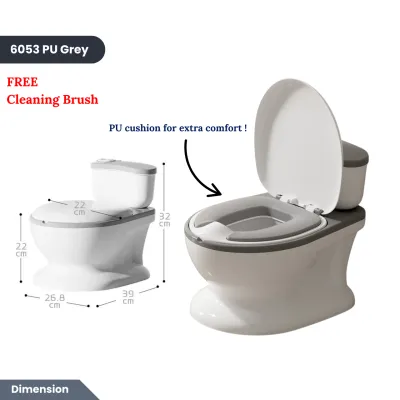
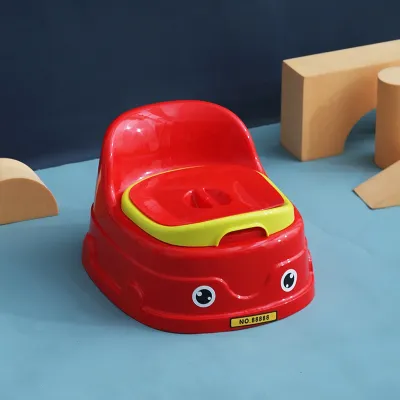
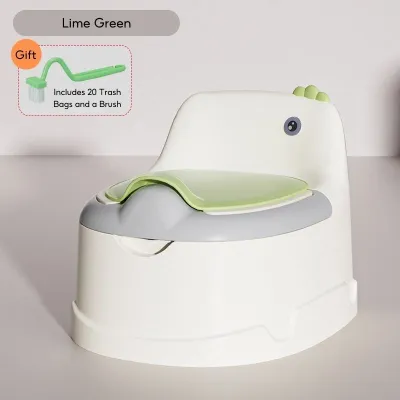
![[SG STOCK] Potty Training Toilet Easy to Clean Cute Duck Baby Potty Training Seat with Splash Guard Toddler Toilet Seat](https://img.lazcdn.com/g/p/43b322c9eeaf92e9ebff6db15b96d8af.jpg_400x400q80.jpg_.webp)
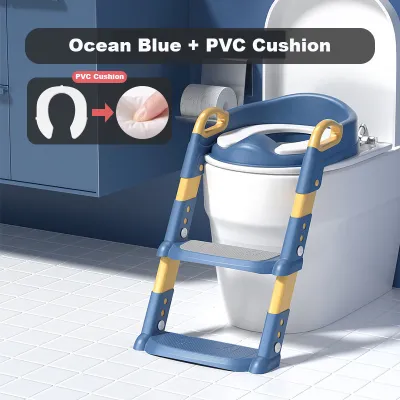
Prices are valid at publication and may change. Please refer to the product page for the latest price.
To ensure a safe fit, always check the manufacturer’s weight capacity limits and age guidelines on the product label. While general age recommendations can serve as a starting point, children grow at highly individual rates. A taller or heavier toddler may outgrow the physical dimensions or exceed the weight limits of a standard starter model long before they reach the average age suggested on the packaging. Verifying these specifications on the official product documentation prevents structural failures and ensures the seat remains stable under your child’s weight.
Matching Potty Chair Types to Age and Size
Potty training gear generally falls into three primary categories, each designed to accommodate different stages of physical growth and bathroom configurations. Selecting the right type involves balancing your child’s current physical milestones with the practical realities of your home environment.

Standalone Potty Chairs for Toddlers
Standalone potty chairs are low-to-the-ground, self-contained units designed specifically for younger or smaller toddlers who are just beginning their training journey. Because these chairs sit directly on the floor, they allow your child to sit with their feet completely flat on the ground. This floor-level stability is highly beneficial for younger toddlers, as it provides the necessary physical leverage to push effectively and helps them feel secure. The physical proximity to the ground reduces the fear of falling, which is a common source of anxiety for children transitioning away from diapers.
When selecting a standalone model, consider the physical space available in your bathroom. In many Singapore homes, particularly apartments or HDB flats, bathroom floor space can be limited. A standalone potty requires a dedicated spot where it will not block walkways or access to the shower. Additionally, because these units do not connect to the main plumbing, they feature a removable inner bowl that must be emptied and cleaned after every use. Look for models with a simple, lift-out bowl design that minimizes spills and simplifies the washing process.
These freestanding units are highly suited for the early stages of training, smaller body frames, and children who exhibit hesitation or fear around the loud flush and height of an adult toilet. The child-sized proportions make the potty feel like a personal, non-threatening object, encouraging a sense of ownership and independence. Your child can easily sit down and stand up without adult assistance, reinforcing their autonomy during the learning process.
Potty Seat Reducers for Older or Taller Kids
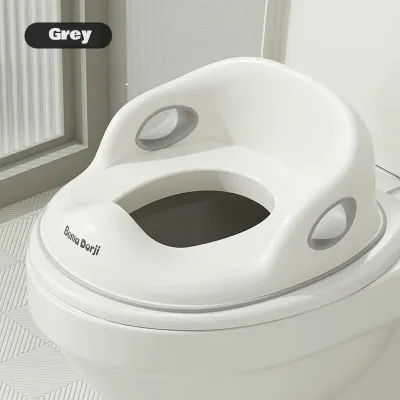
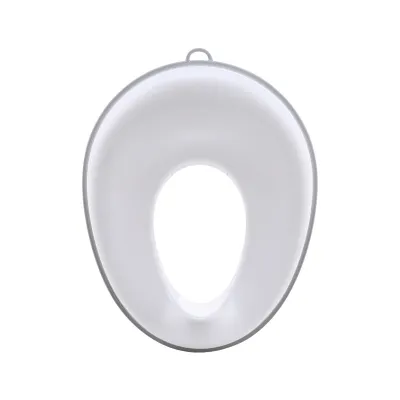
Potty seat reducers, also known as toilet inserts, are specialized seats that fit directly over the rim of your standard adult toilet bowl. These are excellent options for older or taller toddlers who have outgrown floor-level models or who express a strong desire to mimic the bathroom habits of older siblings and parents. By using the main toilet, your child becomes accustomed to the standard bathroom setup early on, which can make transitioning to public restrooms much smoother.
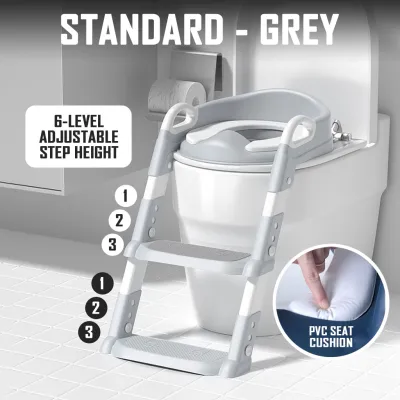
However, using a seat reducer introduces a significant physical challenge: the height of the adult toilet. To use a reducer safely and comfortably, you must pair it with a secure, appropriately sized step stool. Without a stool, your child’s legs will dangle, which prevents them from achieving the necessary leverage to eliminate easily and can cause a feeling of instability. The step stool should be tall enough to allow your child’s feet to rest fully flat on its surface while keeping their knees slightly bent.
When evaluating seat reducers, pay close attention to the locking mechanisms, anti-slip pads, and side handles. The reducer must fit snugly inside or on top of your toilet seat without shifting or sliding when your child climbs on. Models with adjustable brackets or rubberized grips on the underside offer enhanced stability. Side handles provide your child with a secure place to grip, which helps alleviate the fear of falling into the toilet bowl and assists them in maintaining balance while sitting.
Travel and Foldable Potty Options
For families who travel frequently or spend significant time away from home, a portable potty option is an invaluable tool for maintaining consistency in training. Travel potties are designed to be lightweight, compact, and easy to transport in a diaper bag or stroller basket. They typically feature legs that fold flat for storage and lock into place for use, allowing you to set up a familiar toilet space in public restrooms, parks, or during road trips.
When choosing a travel potty, you must weigh the trade-off between compact folding designs and overall structural stability. Some ultra-compact models may flex or wobble under a child’s weight, which can startle a toddler and make them hesitant to use it. Look for designs that feature robust locking hinges and non-slip feet to ensure the potty remains steady on various outdoor or tiled surfaces.
It is also important to check how the travel potty adapts to different toilet configurations. Many portable models serve a dual purpose: they can function as a standalone floor potty with disposable liners, or fold flat to act as a seat reducer on public toilet seats. Ensure the design is compatible with standard round and elongated toilet rims. Using disposable, absorbent liners or choosing easy-to-wipe, non-porous materials will help you maintain strict hygiene standards when away from home facilities.
Essential Features for Comfort, Safety, and Hygiene
Beyond the basic style of the potty, several specific design elements directly impact how comfortable the seat is for your child and how easy it is for you to maintain. Evaluating these features carefully before purchasing will save time and prevent common frustrations.
Seat ergonomics should be a primary consideration. Look for a potty chair with a supportive, high backrest that helps your child maintain an upright, stable posture. For boys, an effective splash guard is essential to prevent urine from spraying outside the bowl. The splash guard should be high enough to redirect spray downward but shaped in a way that does not interfere with your child’s ability to sit down or stand up easily. Additionally, inspect the edges of the seat to ensure they are smooth, rounded, and free of sharp plastic seams that could pinch or irritate sensitive skin.
Stability and base design are critical for preventing accidental tips and spills. A high-quality potty chair should feature a wide base footprint that distributes your child’s weight evenly, even when they lean forward or wiggle. Look for models equipped with non-slip rubber feet or a continuous rubberized ring along the bottom edge. This prevents the potty from sliding across smooth bathroom tiles when your child sits down or stands up quickly.
Hygiene and ease of cleaning are vital for busy parents. Seamless designs with minimal joints, crevices, or decorative grooves are much easier to keep clean, as they leave no places for moisture and bacteria to accumulate. If the potty has a removable splash guard or inner bowl, ensure the connection points are easy to access and wipe down. Choosing high-density, non-porous plastics that resist staining and do not absorb odors will keep the potty looking and smelling fresh over months of daily use.
Finally, consider the sensory impact of the potty chair. While some models feature built-in sounds, flashing lights, or elaborate toy attachments designed to attract toddlers, these elements can often be counterproductive. Overly loud or bright features can startle sensitive children, causing them to associate the potty with anxiety. Furthermore, interactive toys can distract your child from the actual physical task of using the toilet, turning potty time into playtime. A simple, functional design is generally more effective for long-term learning.
Building Your Shortlist: A Step-by-Step Selection Checklist
To help you navigate the wide variety of options available in physical stores and online marketplaces, use this step-by-step checklist to narrow down your choices to the safest and most practical models for your home.
- Step 1: Measure your bathroom space. Before buying, assess where the potty will be placed. If you have a compact bathroom, measure the floor area to ensure a standalone model will fit without obstructing the shower or door. If space is extremely limited, a toilet seat reducer that can hang on a wall hook when not in use may be the most practical choice.
- Step 2: Verify manufacturer guidelines. Always check the official product packaging or the manufacturer's website for specific age, weight, and height limits. Do not rely solely on retail descriptions, which may generalize these limits. Ensure your child's current measurements fall safely within the recommended ranges to guarantee structural integrity.
- Step 3: Check for safety compliance. Look for recognized safety certifications or compliance marks on the product packaging. In Singapore, children's products must meet specific safety requirements regulated by local consumer protection authorities. Verifying that the plastic is free from harmful chemicals like BPA, phthalates, and heavy metals ensures a safe environment for your child's skin.
- Step 4: Evaluate real-world feedback. Read user reviews on independent forums or online marketplaces, focusing specifically on long-term stability, how easily the inner bowl can be cleaned, and whether the splash guard is effective in practice. Pay attention to comments from parents whose children share a similar height or build to yours, as this provides the most accurate indication of how the seat will perform.
Frequently Asked Questions (FAQ)
When should I transition from a standalone potty to a seat reducer?
You can consider transitioning your child to a toilet seat reducer when they show consistent interest in using the adult toilet, or when they begin to outgrow the physical dimensions of their standalone potty. Physical indicators include your child’s knees bending at an uncomfortable angle on the floor model, or their weight approaching the manufacturer’s limit. Behavioral signs, such as wanting to flush the adult toilet or demanding to use the same seat as parents, also signal readiness. Ensure that when you make the switch, you have a sturdy step stool in place so your child can climb up independently and rest their feet flat while sitting.
Are potty chairs with built-in sounds or lights recommended?
While potty chairs with interactive sensory features like music, lights, or character voices can initially attract a reluctant toddler, they are generally not necessary and can sometimes hinder progress. These features can distract your child from recognizing their body’s internal signals, turning the potty into a toy rather than a functional bathroom fixture. Additionally, because standard toilets in public restrooms and schools do not have these interactive elements, relying on them can make transitioning to standard toilets more difficult. A simple, comfortable, and stable potty is usually the best choice for fostering long-term toilet habits.
How do I clean and maintain a potty chair to prevent odors?
To prevent odors and maintain proper hygiene, empty and rinse the removable bowl immediately after every use. Wash the bowl daily with warm water and a mild, child-safe dish soap or a gentle disinfectant. Avoid using harsh chemical bleach or abrasive scrubbing pads, which can scratch the plastic surface and create tiny grooves where bacteria and odors can hide. Ensure all components, including the underside of the seat and any splash guards, are thoroughly dried before reassembling the unit. In Singapore’s humid climate, allowing the parts to air dry completely in a well-ventilated area is essential to prevent the growth of mold and mildew.

Community discussion
Share your experience or ask a question. Comments are reviewed before publication.