
Potty training is a major milestone in your toddler’s development, marking a significant step toward independence. Choosing the right equipment is essential to make this transition smooth, comfortable, and stress-free for both you and your child. A well-designed potty chair provides a secure, low-to-the-ground seat that helps your toddler feel safe and physically supported during a time of major change. With so many options available on the market, from basic standalone models to multi-stage convertible systems, finding the right fit requires looking closely at specific design features rather than relying on brand names or aesthetics alone.
Selecting a potty chair involves balancing several practical factors, including physical stability, ease of cleaning, and ergonomic comfort. A chair that is difficult to clean or prone to tipping can quickly discourage a toddler, leading to training setbacks or anxiety. By focusing on essential features like non-slip bases, integrated splash guards, and smooth, non-porous materials, you can create a positive environment that encourages your child to use the potty consistently. This guide outlines the critical safety, comfort, and maintenance features to evaluate so you can make an informed decision that suits your family’s lifestyle and your home’s layout.
Essential Safety and Stability Checks
Safety is the most critical factor when selecting a potty chair for kids. Because toddlers are naturally active and may wiggle, lean, or try to stand up suddenly, the chair must remain firmly anchored to the floor. A potty chair that slides or tips over can startle a child, potentially causing physical discomfort and creating a psychological barrier to future training attempts. When evaluating stability, look for models that feature a wide, low-gravity base and robust non-slip rubber grips or rings along the entire bottom edge. These grips prevent the chair from sliding on smooth bathroom surfaces, such as ceramic tiles, polished stone, or vinyl flooring, which are common in Singapore homes.
Products mentioned in this guide
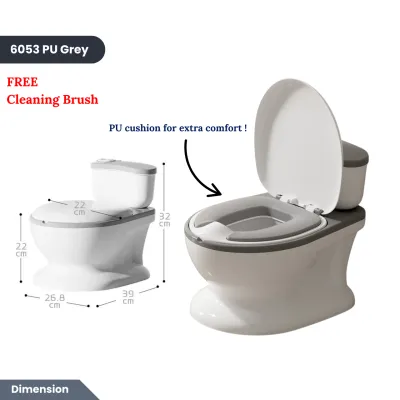
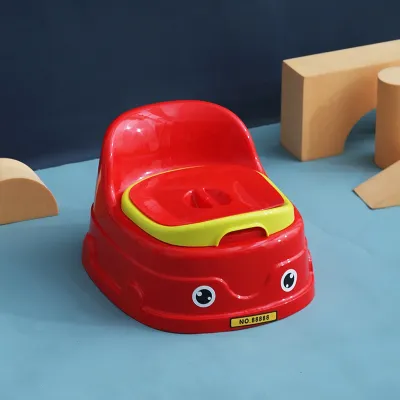
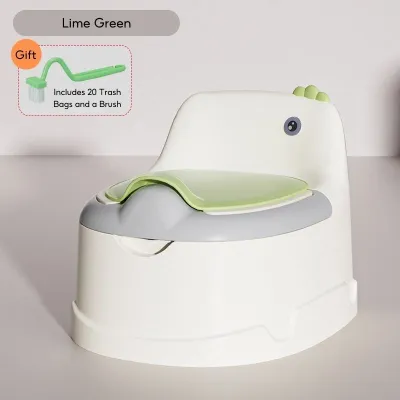
![[SG STOCK] Potty Training Toilet Easy to Clean Cute Duck Baby Potty Training Seat with Splash Guard Toddler Toilet Seat](https://img.lazcdn.com/g/p/43b322c9eeaf92e9ebff6db15b96d8af.jpg_400x400q80.jpg_.webp)
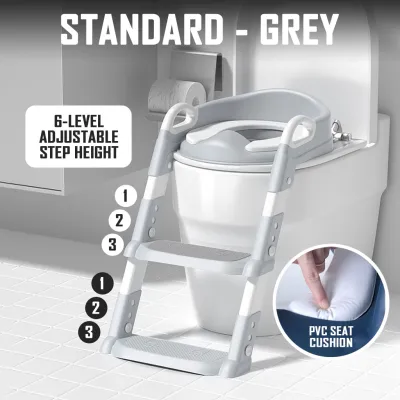
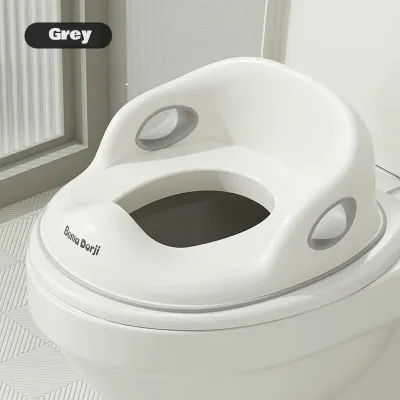
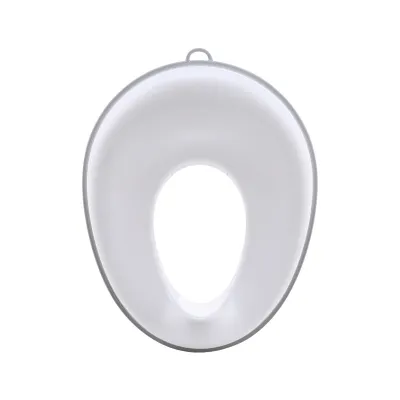
Prices are valid at publication and may change. Please refer to the product page for the latest price.
In addition to floor grip, you must verify the structural integrity and weight limits of the potty chair. Always check the manufacturer’s product documentation for the maximum weight capacity and recommended age range rather than assuming a standard size fits all toddlers. A sturdy, thick-walled plastic construction is less likely to flex or warp under your child’s weight. Look for a design with a low center of gravity, which prevents the chair from tipping backward or sideways when your toddler sits down heavily or leans over to reach for toilet paper.
Another vital safety feature is the splash guard, which is designed to contain urine and prevent messy cleanups. For active toddlers, a splash guard needs to be high enough to block forward-directed spray but shaped in a way that does not interfere with the child’s ability to sit down or stand up safely. Inspect the splash guard to ensure it is integrated smoothly into the seat design. Sharp or overly rigid guards can cause discomfort or scratches if a child slides across them.
Finally, carefully inspect the physical structure of the potty chair for potential pinch points and rough edges. Toddlers love to explore with their fingers, and any gaps between removable parts, such as a removable bowl or a folding lid, can trap small fingers. Run your hand along all seams, joints, and edges of the plastic to ensure they are completely smooth and free of manufacturing burrs. If a model features a lid, check that the hinge mechanism operates smoothly and does not slam shut easily, which could pinch a child’s hands or thighs.
Comfort and Ergonomic Design for Toddlers
To encourage your toddler to sit on the potty long enough to complete their business, the chair must be physically comfortable. Ergonomic design plays a major role in how relaxed your child feels while sitting. The seat size and depth should match your toddler’s current physical development, allowing them to sit with their knees bent at a comfortable ninety-degree angle and their feet resting flat on the floor. This squatting posture is not only comfortable but also anatomically optimal for bowel movements, reducing the need to strain.

Backrest support is another key ergonomic element to evaluate. A potty chair with a high, gently curved backrest provides essential support, helping your toddler maintain a stable, upright posture without feeling fatigued. This support is particularly important during the early stages of training when a child may need to sit for several minutes at a time. The angle of the backrest should be slightly reclined to promote a relaxed posture rather than forcing the child into an awkward, rigid upright position.
Some potty chairs feature integrated armrests or side handles, which can significantly enhance a toddler’s sense of security. These handles give your child a secure place to grip when they are balancing or pushing, which helps ease any anxiety about falling. Additionally, a wide base can double as a footrest, giving the child a solid platform to push against when sitting down or standing up. These physical touchpoints contribute to a psychological feeling of safety, making the potty feel like a secure seat rather than an unstable platform.
The material texture and temperature of the seat also affect your child’s willingness to use the potty. Cold, hard plastic can be jarring, especially during cooler mornings or in air-conditioned bathrooms. Look for materials that quickly adapt to body temperature or feature a slightly textured, matte finish that prevents the skin from sticking. Avoid overly soft, foam-padded seats that have vinyl coverings with stitched seams, as these seams can trap moisture, feel sticky against the skin, and crack over time, creating uncomfortable edges that scratch.
Cleaning and Maintenance Convenience
From a parent’s perspective, ease of cleaning is just as important as safety and comfort. A potty chair that is difficult to empty or sanitize can quickly become a source of frustration and hygiene concerns. When comparing designs, the choice between a removable inner bowl and a one-piece potty chair is a primary consideration. Models with a removable bowl allow you to lift out the container, empty the contents directly into the adult toilet, and rinse it quickly without moving the entire chair. This design minimizes the risk of spills and makes daily maintenance significantly easier.
However, if you choose a model with a removable bowl, you must evaluate how the bowl fits into the main frame. Look for a snug fit that does not leave wide gaps where liquid can seep through to the floor or the inner frame of the chair. The bowl should have a dedicated handle or lip that allows you to lift it out cleanly without coming into contact with the soiled interior. One-piece potty chairs, while highly stable and free of seams where liquid can hide, require you to carry the entire unit to the toilet to empty and wash it, which can be cumbersome in smaller bathrooms.
The integration of the splash guard also impacts cleaning convenience. While some models feature removable splash guards, these can create extra crevices where bacteria and grime accumulate. An integrated, molded splash guard with smooth, rounded contours is generally easier to wipe down and sanitize. Look for non-porous, high-quality plastics that resist staining and do not absorb odors. Avoid designs with intricate decorative moldings, deep grooves, or hollow undersides that are difficult to reach with a sponge or cleaning wipe.
Proper drying and odor control are essential for maintaining a sanitary bathroom environment. After rinsing and sanitizing the bowl, the design should allow for complete air drying. Some potty chairs are shaped in a way that traps water in the rim or base when flipped upside down to dry. Look for a streamlined design that sheds water easily and can be wiped dry quickly with a clean cloth. Ensuring the unit can dry thoroughly between uses prevents the growth of mold, mildew, and odor-causing bacteria in hidden crevices.
Standalone vs. Transitional Potty Options
As you plan your potty training journey, you will need to decide which type of potty equipment best fits your child’s developmental stage and your home’s layout. Standalone potty chairs are low-to-the-ground, child-sized units that sit directly on the floor. Their primary advantage is accessibility; because they are at floor level, toddlers can sit down and stand up completely independently without needing assistance from an adult. This independence builds confidence and allows your child to respond to bodily cues quickly. Standalone chairs are also highly portable, meaning you can move them from the bathroom to the living area during the initial days of training.
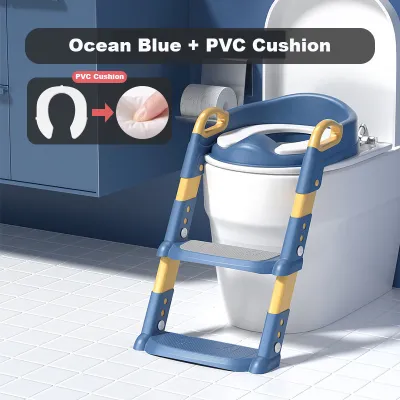
For families looking toward the next stage, potty seat reducers are specialized rings that fit directly over the adult toilet seat, narrowing the opening so a toddler can sit safely without falling in. These reducers are typically paired with a sturdy step stool to help the child climb up and rest their feet while sitting. This setup is highly space-saving, as it eliminates the need for a separate floor chair, and it helps familiarize the child with the adult toilet from the beginning. However, some toddlers may find the height of the adult toilet intimidating, and they will require supervision and assistance to climb up safely.
A popular middle ground is the 3-in-1 convertible potty model. These versatile units function as a standalone potty chair during the early stages of training. As your child grows, the seat ring detaches to serve as a toilet seat reducer for the adult toilet, while the sturdy base flips over to become a step stool. While convertible models offer excellent long-term value and adapt to your child’s changing needs, they often have a larger physical footprint and more moving parts, which requires careful inspection for pinch points and thorough cleaning of the connecting joints.
When choosing between these options, consider the physical layout of your bathroom. In compact bathrooms, a large standalone potty chair or a bulky convertible unit can clutter the floor space and make it difficult for adults to use the room. A slim, easily storable seat reducer with a folding step stool might be a more practical choice for tight spaces. Conversely, if you have a spacious bathroom or a dedicated guest toilet, a stable standalone potty chair can remain in place, providing constant, easy access for your toddler.
How to Build Your Potty Chair Shortlist
To make a confident purchasing decision, it is helpful to follow a structured evaluation process. This step-by-step framework ensures you balance safety specifications with practical home considerations before buying.
Step 1: Measure your bathroom floor space. Identify exactly where the potty chair will sit during the day and where it can be stored when not in use. If you have a small bathroom, measure the clearance around the adult toilet to ensure a standalone chair or step stool will not block walkways or cabinet doors.
Step 2: Verify the manufacturer’s specifications. Look closely at the product packaging or online documentation for the recommended age, weight, and height limits. Never rely solely on product names or marketing categories like “toddler potty” to assume a chair is safe for your child’s specific size.
Step 3: Check user feedback for real-world performance. Look for reviews from other parents regarding how easy the bowl is to remove and clean, whether the non-slip grips actually hold on tiled floors, and if the splash guard is effective. Pay attention to comments about durability and whether the plastic tends to crack or warp over time.
Step 4: Involve your toddler in the final selection. Once you have narrowed down your options to two or three models that meet all your safety, stability, and cleaning criteria, let your child choose the color or character design. Involving them in this final step builds excitement and ownership over the process, but always ensure that aesthetic preferences do not override the essential safety features you have verified.
Frequently Asked Questions (FAQ)
At what age should I introduce a potty chair to my toddler?
There is no single correct age to introduce a potty chair, as developmental readiness is far more important than a chronological milestone. Most toddlers begin to show signs of readiness between eighteen months and three years of age. Look for physical and cognitive signals, such as staying dry for several hours, showing interest in the bathroom habits of family members, expressing discomfort with wet diapers, and being able to follow simple instructions. If your child shows severe distress, anxiety, or begins physically withholding bowel movements when introduced to the potty, it is best to pause training immediately. Give your child a break for a few weeks or months, and consult a pediatrician or qualified healthcare professional if you have concerns about their physical comfort or development.
How do I clean and sanitize a potty chair properly?
To maintain a hygienic environment, empty the potty bowl into the adult toilet immediately after every use. Rinse the bowl with warm water and wipe it down with a mild, child-safe detergent or soap. Avoid using harsh chemical bleach, abrasive scrubbing pads, or strong disinfectants unless specified by the manufacturer, as these can degrade the plastic surface, create rough patches that harbor bacteria, or leave chemical residues that irritate your toddler’s sensitive skin. Always refer to the manufacturer’s care instructions for approved cleaning agents. After washing, ensure all parts are completely dry before reassembling the chair. Allowing the components to air dry thoroughly in a well-ventilated area prevents the buildup of mold, mildew, and unpleasant odors in hidden seams.
Is a potty chair with a splash guard necessary for girls?
While splash guards are often marketed primarily for boys, they are highly beneficial for girls as well. When toddlers sit on a potty chair, they naturally lean forward, which can direct urine outward rather than straight down. A low, integrated splash guard helps contain these forward-leaning messes for all children, regardless of gender, keeping your bathroom floor clean. When choosing a potty chair, look for a splash guard that is smoothly integrated into the seat contour rather than a sharp, high, clip-on attachment. A rounded, built-in guard provides effective protection without causing discomfort, scratching, or making it difficult for your child to sit down and stand up safely.

Community discussion
Share your experience or ask a question. Comments are reviewed before publication.