
Introducing solid foods is a major milestone in your child’s development, and finding the right balance of nutrition, convenience, and safety is a top priority for parents in Singapore. Among the various options available on supermarket shelves, potato-based foods are highly popular. From smooth purees for older infants to baked potato tots for active toddlers, these products offer a comforting taste and a familiar texture. However, navigating the baby food aisle requires a careful eye, as commercial preparations can vary widely in their nutritional profiles, sodium content, and ingredient quality.
When searching for convenient finger foods, many parents look for toddler-friendly tots potato options that offer a soft interior and an easy-to-grip shape. While these bite-sized potato products are excellent for encouraging self-feeding, not all commercial brands are formulated with a toddler’s delicate digestive system in mind. To make an informed purchase, caregivers must understand how to evaluate ingredients, interpret nutrition labels, and match the food’s physical texture to their child’s current stage of oral development. This guide provides a comprehensive framework to help you select the safest and most nutritious potato-based foods for your growing toddler.
Understanding the Nutritional Role of Potatoes for Toddlers
Potatoes are often classified simply as a comfort food, but they play a highly functional role in a toddler’s daily diet. During the toddler years, children experience rapid physical growth and high levels of daily activity. To support this energy expenditure, their bodies require complex carbohydrates, which break down gradually to provide a steady release of glucose. Potatoes are an excellent, easily digestible source of these complex carbohydrates, helping to keep your child active and satisfied between meals without relying on simple sugars.
Products mentioned in this guide
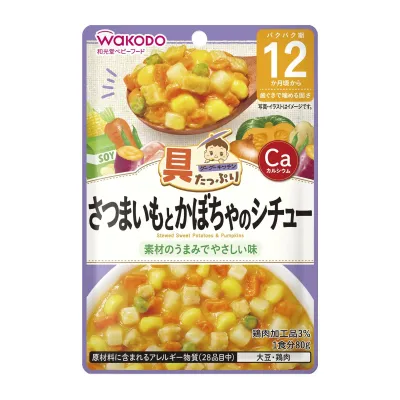
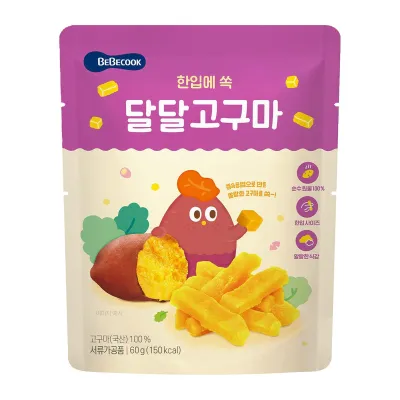
Prices are valid at publication and may change. Please refer to the product page for the latest price.
Beyond energy, whole potatoes contain essential vitamins and minerals that support overall development. They are a natural source of potassium, an electrolyte that plays a vital role in maintaining healthy fluid balance and supporting muscle function. Additionally, potatoes provide vitamin C, which aids in iron absorption and supports a developing immune system, as well as vitamin B6, which is involved in cognitive development and metabolic processes. When consumed as part of a varied diet, the nutrients in potatoes contribute significantly to a toddler’s daily nutritional requirements.
However, potato-based foods should not be viewed as a standalone meal. To ensure a balanced diet, they must be paired with high-quality proteins and other colorful vegetables. For example, combining mashed potato with minced chicken, fish, or lentils introduces essential iron and zinc, which are critical for toddlers. Mixing in pureed spinach, carrots, or broccoli adds dietary fiber and a wider spectrum of vitamins. Using potatoes as a nutritious base allows you to create wholesome, balanced meals that expose your toddler to diverse flavors and essential food groups.
Key Criteria for Evaluating Potato-Based Baby Food Brands
When evaluating commercial potato-based baby foods and toddler snacks in Singapore, the first step is to prioritize brands that emphasize whole food ingredients and minimal processing. High-quality toddler foods should list real potatoes as the primary ingredient rather than relying heavily on reconstituted potato flakes, starches, or fillers. Minimally processed options preserve more of the natural vitamins and minerals found in the raw vegetable, ensuring that your child receives genuine nutritional value rather than empty calories.

Caregivers must be highly vigilant about checking for unnecessary additives, preservatives, artificial flavors, or colors. Many frozen potato products designed for adults contain added sodium, trans fats, and chemical preservatives to extend shelf life and enhance flavor. For toddlers, these additives are entirely unnecessary and can strain their developing kidneys. Look for brands that explicitly state they use no artificial additives and rely on natural preservation methods, such as flash-freezing or pressure sterilization, to maintain freshness.
It is also essential to verify age-appropriate formulations by carefully reviewing the manufacturer’s feeding guidelines on the packaging. A product labeled for infants may be too smooth and lack the caloric density needed for an active toddler, while a product intended for older children or adults may contain levels of sodium and fat that are unsafe for a toddler. Always check the recommended age range on the box or bag, and ensure the product aligns with your child’s current feeding capabilities. If a brand does not clearly state its target age group or safety standards, it is best to look for an alternative that provides transparent usage instructions.
How to Read and Interpret Nutrition Labels on Toddler Foods
Reading the Nutrition Information Panel (NIP) is one of the most reliable ways to protect your toddler’s health when buying packaged foods. The primary focus when evaluating potato-based products, especially frozen tots or pre-packaged mashes, should be limiting sodium, added sugars, and saturated fats. Toddlers require very little sodium in their diets; excessive salt intake can establish a preference for salty foods early in life and place undue stress on their kidneys. Compare brands and select options with the lowest sodium content per serving, ideally aiming for products with no added salt.
Next, examine the order of the ingredient list, which is always arranged in descending order by weight. The very first ingredient should be a whole food, such as potato, sweet potato, or another vegetable. Be cautious of products where water, starches, or vegetable oils appear before the actual vegetable. Additionally, look out for hidden potato derivatives, such as potato starch or potato flour, which are often used as thickeners or binders. While these derivatives are not inherently harmful, they do not offer the same fiber or micronutrient profile as whole potatoes and may indicate a highly processed product.
Finally, always check the packaging for allergen cross-contamination warnings and facility disclosures. Even if a potato product does not contain common allergens like gluten, dairy, soy, or nuts in its direct recipe, it may be processed on shared equipment or in a facility that handles these ingredients. If your toddler has a known food allergy or sensitivity, these precautionary labels are critical for preventing accidental exposure. Look for brands that provide clear, detailed allergen statements and follow strict manufacturing practices to minimize the risk of cross-contact.
Matching Food Texture to Your Toddler's Chewing Development
As toddlers grow, their oral motor skills undergo a significant transition. Moving from smooth, uniform purees to textured foods is essential for developing the jaw strength and tongue coordination required for advanced chewing and speech development. When introducing potato-based foods, you should gradually transition from smooth purees to lumpy mashes, and eventually to soft, diced pieces. This progression should always be guided by your child’s individual readiness rather than strict age milestones.
When introducing finger foods like potato tots or baked potato wedges, the shape, size, and consistency are critical safety factors. To minimize choking hazards, finger foods should be soft enough to be easily mashed between your thumb and forefinger using gentle pressure. If a commercial potato tot has a thick, crispy outer crust that does not dissolve easily in the mouth, it may pose a choking risk for a younger toddler. In such cases, you can cut the tot into small, bite-sized pieces, or peel away the outer crispy layer to serve only the soft interior.
Always monitor your child closely during meals and adjust the moisture and consistency of the food based on their developmental cues. If your toddler is struggling to chew, gagging frequently, or pocketing food in their cheeks, the texture may be too advanced or too dry. You can easily increase the moisture of potato dishes by stirring in a small amount of breast milk, formula, warm water, or a low-sodium vegetable broth. This simple adjustment makes the food easier to swallow and helps your toddler build confidence as they master the art of self-feeding.
Frequently Asked Questions (FAQ)
Can I mix store-bought potato baby food with fresh vegetables?
Yes, mixing store-bought potato baby food with fresh, home-prepared vegetables is an excellent way to enhance the nutritional profile and introduce new textures to your toddler. Before mixing, ensure that both components are cooked to a compatible state; for example, you can stir finely minced, steamed broccoli or pureed carrots directly into a warm, store-bought mashed potato base. Always practice strict food safety by ensuring both the commercial food and the fresh vegetables are heated thoroughly and cooled to a safe, warm temperature before serving to your child.
How should I store opened jars or pouches of potato-based baby food?
In Singapore’s warm and humid climate, proper food storage is essential to prevent the growth of harmful bacteria. Once a jar or pouch of potato-based baby food has been opened, it must be covered tightly and stored in the refrigerator at 4°C or below immediately. Most manufacturers recommend consuming refrigerated leftovers within 24 to 48 hours. Before serving any stored leftovers, always inspect the food visually for signs of separation or discoloration, and check for any sour or unusual odors. If your toddler ate directly from the jar or pouch, discard any leftovers immediately, as bacteria from their saliva can contaminate the remaining food.
What should I do if my toddler refuses potato-based foods?
Food refusal is a common and normal part of toddler development as children assert their independence and experience sensory changes. If your toddler rejects a potato-based food, avoid forcing or bribing them to eat, as this can create negative associations with mealtime. Instead, try adjusting the texture or presentation; for instance, if they refuse mashed potatoes, offer a soft-baked potato wedge or a small, lightly mashed potato tot. You can also try mixing a small amount of the potato with a familiar, previously accepted food, such as a favorite fruit puree or a preferred protein, to make the new flavor more approachable.

Community discussion
Share your experience or ask a question. Comments are reviewed before publication.