
Potty training is a major milestone for young children, but maintaining consistency when leaving the house presents a unique set of challenges. In Singapore, where family outings to bustling shopping malls, nature parks, and outdoor playgrounds are common, having a reliable portable toilet for kids can make the transition from diapers much smoother. A portable potty ensures that your child has access to a familiar, clean, and appropriately sized toilet wherever you go, reducing the anxiety of sudden bathroom emergencies.
Finding the right model requires looking beyond bright colors or playful designs. Caregivers must evaluate how a portable toilet fits into their daily routine, whether they are navigating public transit, packing a stroller basket, or planning a road trip. The ideal choice balances structural stability, ease of cleaning, and physical comfort, allowing your child to build confidence during this developmental phase.
By understanding the key features, comparing the primary types of portable toilets, and establishing a clear selection framework, you can find a solution that fits your family’s lifestyle. This guide outlines the essential factors to consider, from material safety and hygiene maintenance to practical compatibility checks for public restrooms.
Products mentioned in this guide
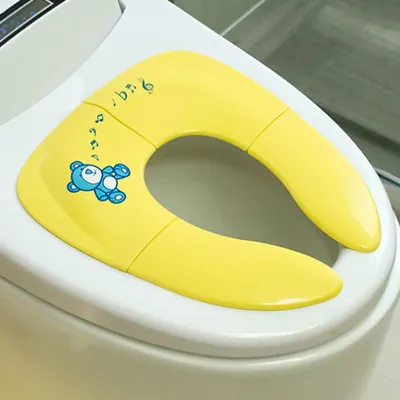
![[SG Stock] Baby Foldable Travel Potty Seat Kids Fodling Toilet Training Seat 12M+](https://img.lazcdn.com/g/p/54298d0cd77fc65e57e532664f2d523b.jpg_400x400q80.jpg_.webp)

Prices are valid at publication and may change. Please refer to the product page for the latest price.
Essential Features to Evaluate in a Portable Potty
When selecting a portable potty, physical comfort and ergonomic support are paramount. A child who feels unstable or uncomfortable is more likely to resist using a new toilet, which can stall potty training progress. Look for a seat that allows your child to sit with their feet flat on a surface or at a natural angle, promoting a secure posture that aids in bowel movements. The seating area should be contoured to support their small frame without causing pressure points or leaving deep marks on their skin. Ergonomically designed seats often feature a slight forward tilt or a recessed back to help children maintain the optimal squatting position naturally.
Weight capacity and overall dimensions are critical indicators of how long the portable toilet will remain useful. Most manufacturers specify a maximum weight limit, which typically ranges from 15 to 25 kilograms, though this varies widely by design. Checking these specifications on the product packaging or official manual ensures the unit can safely support your child as they grow. A potty that is too small can cause discomfort, while one that is too large may lack the necessary support to keep your child from slipping. Additionally, consider the height of the seat from the ground, as a seat that is too low can make it difficult for taller toddlers to sit down comfortably.
Stability is another non-negotiable feature, especially when using the potty on uneven outdoor surfaces or slick public restroom floors. Look for models equipped with non-slip rubber grips or wide, flared bases that distribute weight evenly. These design elements prevent the potty from sliding, tipping, or shifting when your child sits down or stands up. A sturdy base builds confidence in hesitant toddlers who might otherwise feel anxious about using an unfamiliar toilet. Some advanced models feature locking legs that click securely into place, providing an extra layer of structural integrity during use.
Splash guards are a simple yet highly effective feature that prevents messy spills and minimizes cleanup time. A well-designed splash guard should be high enough to deflect urine downward into the bowl or liner, yet soft or rounded enough to prevent injury if the child bumps against it. For boys, a slightly higher and more defined splash guard is often beneficial, while girls still benefit from a modest barrier to keep sprays contained. Ensure the splash guard is integrated seamlessly into the seat design, as detachable guards can sometimes be easily dislodged by an active child.
Portability and ease of assembly directly impact how often you will actually use the potty. A portable toilet that requires complex setup steps or takes up too much space in a diaper bag will likely be left at home. Evaluate how quickly the unit can be unfolded or assembled, particularly when dealing with an urgent situation. Lightweight materials, compact folding mechanisms, and dedicated carrying cases or straps make the potty much easier to transport during daily outings. Look for designs that can be operated with one hand, allowing you to manage the potty while holding onto your child.
Comparing the Main Types of Portable Toilets for Kids
Portable toilets for kids generally fall into three main categories, each designed to address different travel scenarios and lifestyle needs. Understanding the distinct advantages and limitations of each type allows you to select the format that best aligns with your family’s routine, whether you are taking short trips to the local park or traveling long distances.

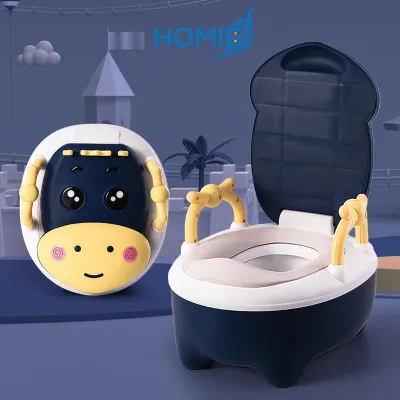
Standalone travel potties are self-contained units that sit directly on the ground, making them completely independent of adult toilets. These are highly versatile and ideal for outdoor environments, such as East Coast Park or botanic gardens, where public restrooms might be far apart or crowded. The primary advantage of a standalone unit is that your child can use it anywhere, even in the back of a car or on a grassy patch. However, they tend to be bulkier than other options and require you to manage waste disposal immediately, either by using disposable liners or finding a place to empty and clean the bowl.
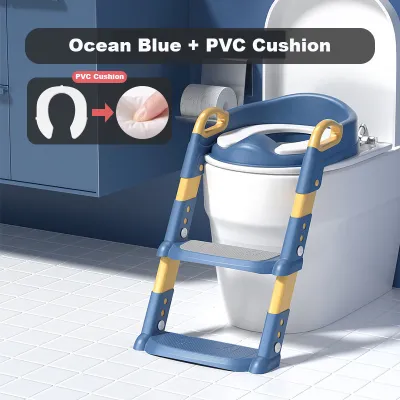
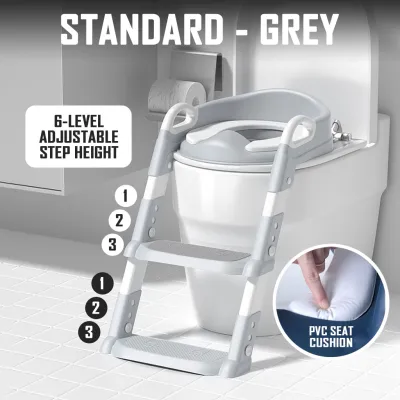
Foldable potty seats are designed to place directly on top of standard adult toilet seats, reducing the opening size so a child can sit safely without falling in. These are exceptionally compact, often folding down to the size of a small book, making them easy to slip into a backpack or stroller organizer. They are highly suited for public restrooms in shopping centers or restaurants, helping your child transition to using standard toilets while maintaining hygiene. The main drawback is their complete dependence on an existing adult toilet, meaning they cannot be used in outdoor areas without facilities, and some children may still feel intimidated by the height of an adult toilet.
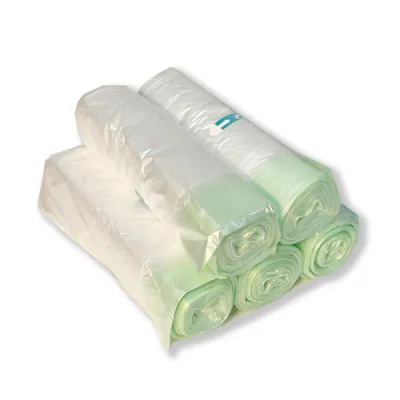
Disposable or liner-based travel potties combine elements of standalone units with the convenience of single-use waste management. These models often feature a folding frame that holds a disposable plastic liner equipped with an absorbent pad. Once your child is finished, you simply tie the liner and dispose of it in a waste bin, eliminating the need to wash out a collection bowl on the go. While highly convenient for road trips or emergency situations, the ongoing cost of purchasing replacement liners can add up over time, and some families may prefer to minimize single-use plastics for environmental reasons.
Hybrid or convertible potties offer a versatile solution by combining multiple functions into a single product. These models can function as a standalone potty with a collection bowl or liners when you are outdoors, and then unfold flat to serve as a toilet seat trainer when you have access to a public restroom. This dual functionality makes them highly adaptable to changing environments, though they may require a slightly higher initial investment and can be slightly heavier than single-purpose folding seats.
Safety, Hygiene, and Daily Maintenance Requirements
Ensuring the safety and cleanliness of a portable toilet is essential for protecting your child’s health and maintaining a hygienic home or travel environment. Because these products come into direct contact with your child’s skin, verifying material safety is a critical first step. Look for products that explicitly state they are made from non-toxic, BPA-free, and phthalate-free plastics. Rather than relying solely on promotional descriptions on retail websites, verify these claims by examining the physical product packaging, user manuals, or official manufacturer specifications.
The ease of cleaning a portable potty determines how practical it is for daily use. Models with removable inner bowls or smooth, seamless designs are much easier to sanitize because they lack crevices where dirt and bacteria can accumulate. Avoid potties with complex latching mechanisms or deep grooves in areas that come into contact with waste. A simple wipe-down with child-safe disinfectant wipes is usually sufficient for quick cleanups on the go, but the unit should be able to withstand regular washing with warm water and mild soap when you return home.
Odor control and waste containment are also important considerations, especially when you cannot dispose of waste immediately. Some standalone potties feature tightly sealing lids or silicone gaskets that prevent leaks and contain odors during transit. If you choose a liner-based system, ensure the liners are thick enough to prevent punctures and have reliable tie-handles to secure the contents until you reach a suitable disposal bin. Carrying a dedicated, waterproof wet bag can also help isolate the potty and any used liners from the rest of your belongings.
Regular inspection of the portable toilet is necessary to identify structural wear and tear before it leads to an accident. Over time, plastic hinges can weaken, rubber non-slip pads can peel off, and folding mechanisms can become loose or stiff. Inspect the potty periodically for hairline cracks, sharp edges, or unstable joints. If you notice any signs of structural compromise, or if your child exceeds the manufacturer’s specified weight limit, stop using the unit immediately and replace it to prevent tipping or collapsing.
Building Your Shortlist: A Practical Selection Framework
Creating a shortlist of potential portable toilets involves matching product specifications with your family’s specific living arrangements, travel habits, and your child’s developmental stage. By taking a systematic approach, you can avoid purchasing a model that does not fit your lifestyle or fails to meet your child’s physical needs.
First, align the potty type with your primary use environment. If you live in a compact apartment in Singapore and primarily travel via public transport or strollers, a highly compact, foldable potty seat that fits over public toilets is often the most practical choice. Conversely, if you frequently drive, spend weekends camping, or visit outdoor parks without nearby restrooms, a standalone travel potty with disposable liners offers the independence and flexibility you need.
Second, consider your child’s physical readiness and sensory preferences. Some children are highly sensitive to the texture, temperature, or stability of a toilet seat. A soft, padded seat might feel more comfortable for a hesitant child, while a solid plastic seat is easier to clean and sanitize. Additionally, pay attention to the height of the potty; a child who is taller may find a very low standalone potty uncomfortable, whereas a shorter child may struggle to climb onto an adult toilet even with a folding seat adapter.
Third, evaluate the long-term availability of replacement parts and accessories before making a purchase. If you choose a liner-based potty, verify that compatible liners are readily available from local retailers or online marketplaces, and check if standard trash bags can be used as a backup. Some brands also offer replaceable splash guards or travel bags. Choosing a well-supported brand ensures you will not have to discard the entire unit if a single component is lost or damaged.
Fourth, factor in your budget and the overall value of the product. While a basic folding seat might cost around S$10 to S$20, a premium standalone travel potty with multiple features can range from S$30 to S$50 or more. Consider how frequently you plan to use the potty and whether the added convenience of a premium model justifies the higher cost. Remember to factor in the ongoing cost of disposable liners if you choose a liner-dependent system.
Finally, review the seller’s return policies and warranty terms. Because hygiene products are typically non-returnable once opened or used, double-check all dimensions, weight limits, and compatibility notes before purchasing. If buying online, look for reputable sellers who provide clear customer support channels and accurate product descriptions to ensure you receive an authentic, safe product that meets all safety standards. Once you purchase a potty, introduce it to your child at home first in a low-stress environment to help them build familiarity before using it on the go.
Frequently Asked Questions (FAQ)
Potty training on the go often brings up practical questions about timing, hygiene, and equipment compatibility. Below are answers to some of the most common queries caregivers have when selecting and using a portable toilet for kids.
At what age should I introduce a portable potty for travel?
Introducing a portable potty depends more on your child’s developmental readiness than a specific age. Most children begin showing signs of readiness between 18 months and three years of age. Observable signals include showing interest in the bathroom, staying dry for several hours at a time, and being able to communicate the need to go. Before introducing a travel potty, check the manufacturer’s minimum age and weight recommendations on the packaging to ensure it is physically suitable for your child’s current stage.
How do I clean a portable potty when away from home?
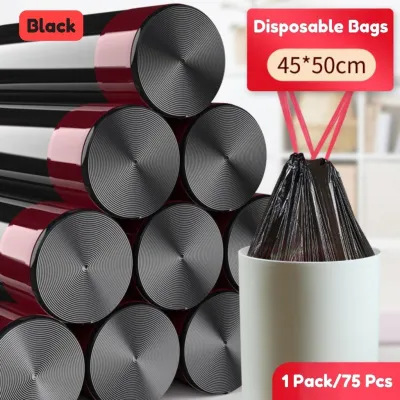
When public restrooms or running water are not readily available, using absorbent, leak-proof liners or disposable bags is the most efficient way to manage waste. After your child finishes, tie the bag securely and dispose of it in a designated waste bin. To clean the potty surfaces, carry travel-sized, child-safe disinfectant wipes to wipe down the seat, splash guard, and base. Once you return home, perform a deep wash using warm, soapy water or a mild disinfectant to ensure thorough sanitization.
Will a foldable potty seat fit on all public toilets?
While most foldable potty seats are designed to fit standard round and elongated adult toilet seats, they may not be universally compatible with every public restroom fixture. Oversized, square, or highly contoured public toilets can sometimes cause a folding seat to shift or fit insecurely. To minimize this risk, check the product’s specifications for minimum and maximum bowl dimensions before buying, and look for models that feature adjustable brackets, non-slip silicone pads, or securing straps to enhance stability on various toilet shapes.

Community discussion
Share your experience or ask a question. Comments are reviewed before publication.