
Finding the ideal portable foam floor mat for travelling with a baby depends entirely on your specific trip, whether it is a short drive, a flight, or an outdoor picnic. Rather than looking for a single universal winner, caregivers should evaluate mats based on how well their weight, packed dimensions, and material properties align with the demands of the journey. For families planning a quick weekend getaway, a regional flight, or a simple afternoon outing at a local park, the right mat must balance physical protection with transport convenience. By focusing on verifiable product specifications and practical design features, you can select a safe, comfortable, and highly portable play space that fits your travel style.
Key Features to Look for in a Travel-Friendly Foam Mat
When selecting a foam floor mat for travel, portability and ease of use are just as important as cushioning. Standard home play mats are often too bulky or heavy to transport easily, making dedicated travel designs a much more practical choice. To find a mat that will not become a burden, evaluate several physical attributes before purchasing.
First, evaluate the folded or rolled dimensions of the mat against your available luggage, stroller basket, or vehicle space. Many travel mats fold accordion-style or roll into a compact cylinder. Measure your primary travel bags or car boot beforehand to ensure the packed mat fits comfortably alongside other essentials.
Products mentioned in this guide
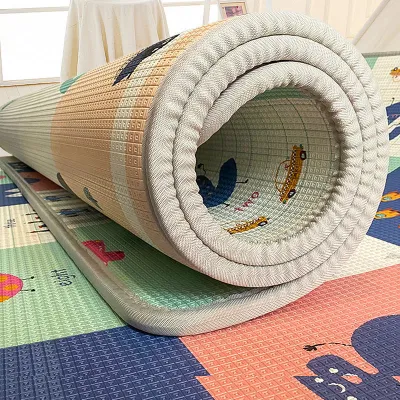
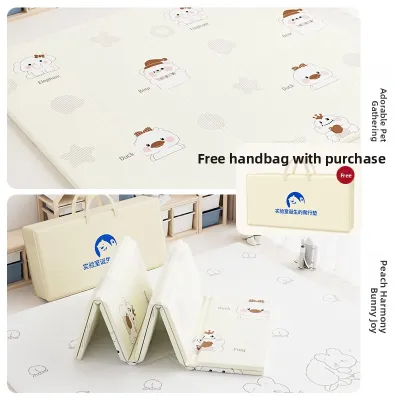
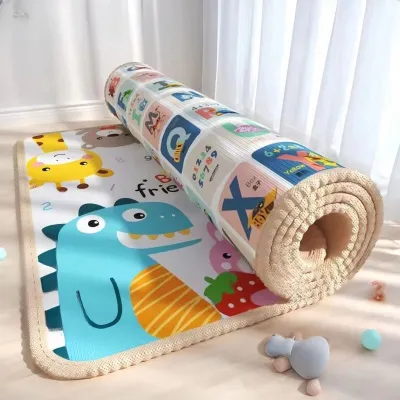
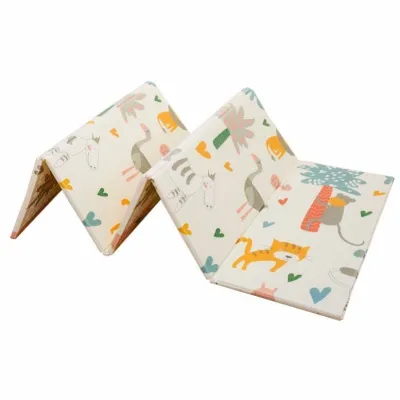
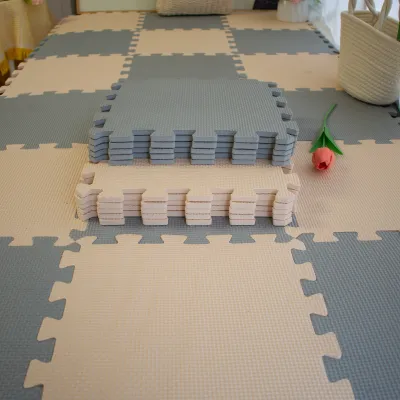
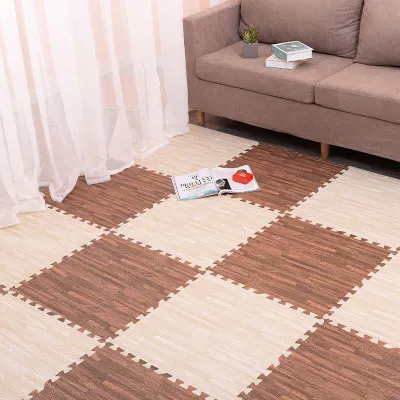
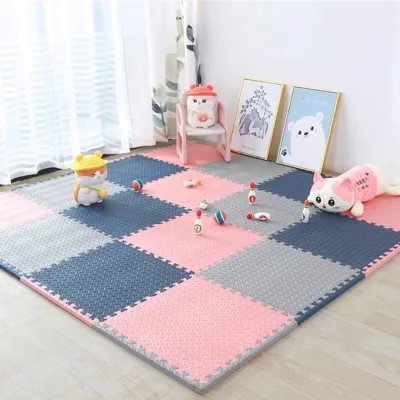
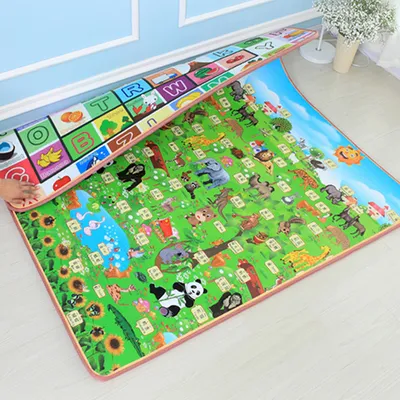
Prices are valid at publication and may change. Please refer to the product page for the latest price.
Next, check the manufacturer’s stated weight on the packaging. When managing a stroller, diaper bags, and a baby, every gram matters. A travel mat should be lightweight enough for a single caregiver to carry. Look for materials like expanded polyethylene (EPE) or high-density XPE foam, which offer excellent cushioning without adding unnecessary weight.
Material thickness and density are also critical, especially on hard hotel tiles. While a thicker mat provides more impact absorption for babies learning to sit or crawl, it also increases packed volume. Look for a balance, typically around one to one and a half centimetres of high-density foam, which provides sufficient protection without excessive bulk.
Finally, verify the surface texture and waterproof claims on the product label. Travel environments are unpredictable, making spills or outdoor dirt inevitable. A textured, non-slip surface helps keep your baby stable, while a reliable waterproof coating ensures liquids remain on the surface for quick, hassle-free cleanups with a simple wipe.
Matching the Mat to Your Travel Scenario
Different travel environments demand different features from a portable foam floor mat. By identifying your primary travel scenarios, you can prioritize the specific design elements that will make your outings smoother and more comfortable.

Short Road Trips and Hotel Stays
For road trips where vehicle space is relatively flexible, you can prioritize comfort and cushioning over ultra-compact packing. Hotel rooms and holiday rentals frequently feature hard tiled or wooden floors that may not be thoroughly cleaned or cushioned enough for an active baby. In these situations, a slightly thicker folding foam mat is highly beneficial.
Since you do not have to worry about airline baggage limits, you can accept a larger folded size in exchange for superior impact absorption. Look for mats that fold flat into a rectangular shape, which can easily slide into the bottom of your car boot or stand upright behind the front seats.
Additionally, check the product label for non-slip bottom requirements. Smooth hotel floors can cause lightweight mats to slide when a baby moves or when a caregiver steps on the edge. A mat with a textured, high-grip backing will stay securely in place, providing a stable environment for tummy time or crawling practice.
Flights and Public Transit
Flying or navigating public transit with a baby requires a completely different approach to gear selection. In highly space-constrained environments, your primary focus must be on ultra-lightweight materials and compact rolling or folding mechanisms that do not count heavily against your baggage allowance.
For air travel, verify the packed dimensions of the mat against your airline’s carry-on or personal item restrictions if you plan to bring it into the cabin. Many parents prefer mats that can fold down small enough to fit inside a standard backpack or slide into a stroller’s under-seat basket.
Quick setup and pack-away speeds are also essential when you are in transit hubs or cramped airport lounges. A mat that requires complex assembly or takes several minutes to roll up can cause unnecessary stress. Look for simple accordion-fold designs that can be unfolded with one hand in seconds and packed away just as quickly when your flight is called.
Outdoor Picnics and Park Visits
If your travel plans include spending time outdoors at a park, beach, or botanical garden, your foam floor mat must be durable enough to withstand natural elements. Outdoor ground can be damp, uneven, and abrasive, which can quickly damage standard indoor play mats.
Prioritize mats with a dedicated waterproof backing, such as an aluminum foil layer or a specialized water-resistant coating. This barrier prevents ground moisture and morning dew from seeping through the foam and wetting your baby’s clothes. The top surface should also be highly resistant to grass stains, sand, and dirt, allowing you to shake or rinse the mat clean at the end of the day.
Before using a mat outdoors, check the manufacturer’s guidelines regarding UV exposure and outdoor temperature limits. Prolonged exposure to direct sunlight can cause certain foam materials to degrade, become brittle, or overheat, making the surface uncomfortable for your baby. Furthermore, ensure the mat design is heavy or structured enough to lie relatively flat on uneven grass without curling at the corners, which can create tripping hazards for both you and your child.
Safety and Maintenance Checks Before You Go
Regardless of the mat you choose, safety must always be your top priority when travelling. Before packing your foam floor mat for any trip, take the time to perform a thorough safety and maintenance inspection to ensure a worry-free experience.
Always verify the manufacturer’s age, weight, and developmental stage recommendations on the product label before use. Some mats are specifically designed for infants who are stationary, while others are rated for older, more active toddlers. Never assume a mat is suitable for your baby based solely on its appearance or product name.
Inspect the physical condition of the mat before every journey. Check for flat, even edges that lie flush with the floor, as curled corners can easily trip a parent carrying a child. If your mat uses a folding design, inspect the hinges or seams to ensure they are secure and free from tears that could pinch small fingers or trap dirt.
Maintaining hygiene while travelling requires a practical cleaning routine. Pack a travel-sized pack of mild, baby-safe wet wipes or a damp cloth to clean up spills immediately. Avoid using harsh chemical sprays, bleach, or abrasive scrubbers, as these can degrade the protective waterproof coating or break down the foam structure. Crucially, always allow the mat to air-dry completely in a well-ventilated area before folding and packing it away. Trapping moisture inside a folded mat in warm, humid travel conditions can quickly lead to the growth of mould, mildew, and unpleasant odours.
Finally, monitor the wear and tear of your mat over time. If you notice deep tears, crumbling foam, or a significant loss of cushioning, stop using the mat immediately and consult the manufacturer. Damaged foam can present a choking hazard if a teething baby manages to bite off small pieces. Always supervise your baby closely during play to ensure they remain safe on the mat at all times.
Frequently Asked Questions (FAQ)
Can I use a regular play mat for travelling?
While it is physically possible to bring a standard home play mat on a trip, it is rarely practical. Standard play mats, especially thick one-piece polyurethane (PU) mats or heavy interlocking ethylene-vinyl acetate (EVA) foam tiles, are designed for permanent indoor use. They are typically heavy, bulky, and difficult to pack into standard suitcases or car boots. Interlocking tiles can easily come apart during transit, and losing a single piece can render the entire play area unusable. Additionally, standard indoor mats often lack the waterproof backing and durable outer layers required to withstand outdoor surfaces or frequent folding, making them highly susceptible to damage during travel.
How do I clean a foam floor mat while on the go?
Cleaning a travel foam mat on the go is straightforward if you use the right materials. For daily maintenance, use a damp cloth or mild, baby-safe wipes to spot-clean spills, spit-ups, or dirt as soon as they occur. If the mat has been used outdoors on grass or sand, shake it out thoroughly and rinse it with clean water if a tap is available. Avoid using harsh household detergents, alcohol-based sanitizers, or abrasive scrubbing brushes, as these can strip away the waterproof coating and damage the foam. Always ensure the mat is completely dry before folding it up for storage to prevent mould growth.

Community discussion
Share your experience or ask a question. Comments are reviewed before publication.