
Finding the ideal portable baby mat floor for outdoor outings in Singapore—whether you are heading to the Singapore Botanic Gardens, East Coast Park, or a local neighborhood playground—requires balancing convenience with protective performance. While many parents search for a single “best” brand, the reality is that the right choice depends on your child’s developmental stage, the specific outdoor terrain, and how easily the mat can be transported. By focusing on verifiable material specifications, structural design, and weather-resistant features, you can select a high-quality mat that keeps your baby comfortable and secure during outdoor play.
When evaluating options, it is helpful to view the portable baby mat floor not just as a simple blanket, but as a dedicated developmental space. A proper outdoor mat acts as a clean, cushioned barrier between your baby and the unpredictable outdoor ground. It supports crucial milestones like tummy time, rolling, sitting, and crawling, all while protecting sensitive skin from dampness, heat, and rough textures. By understanding what to look for, you can make an informed purchase that offers long-term utility.
Key Features to Look for in an Outdoor Baby Mat Floor
Portability is the foundation of any outdoor gear, especially when navigating public transport, strollers, and diaper bags. A truly portable baby mat floor must be lightweight enough to carry effortlessly alongside your other baby essentials. Look for models that fold compactly into a dedicated travel bag or feature integrated carrying straps. Accordion-style folding mats often pack down into flat, stackable shapes that fit easily into car trunks or under-stroller storage baskets, making them highly practical for quick trips. In contrast, roll-up designs can sometimes remain bulky and difficult to secure, so verify the folded dimensions before purchasing.
Products mentioned in this guide
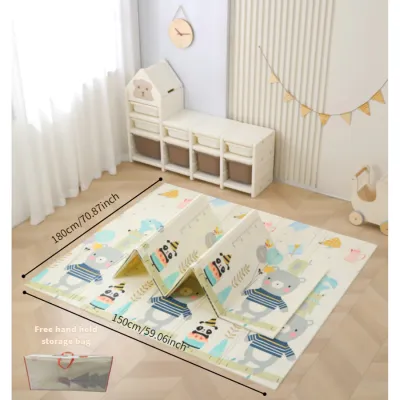
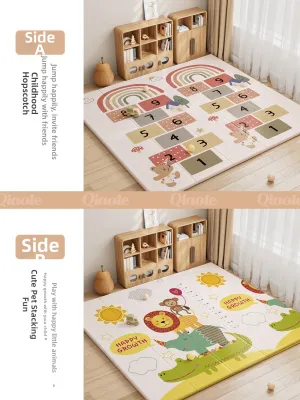
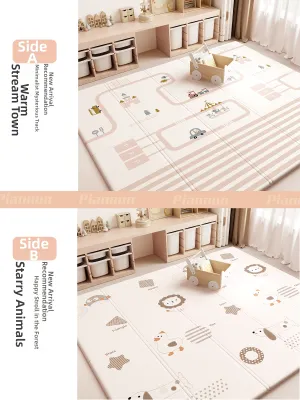
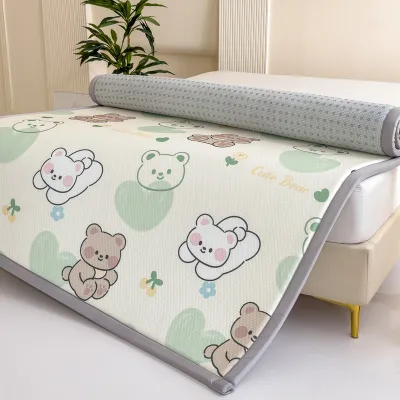
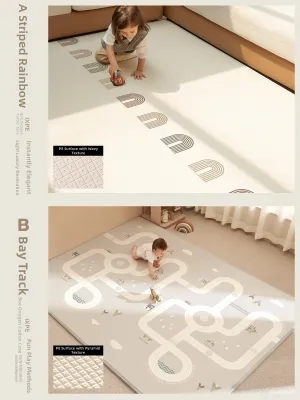
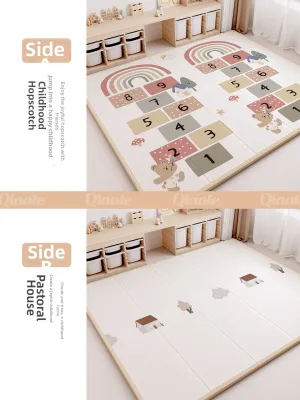
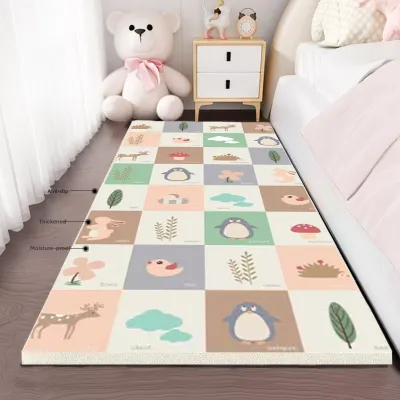
![[Buy 10 Free 2] 2.5cm Thick Interlocking Foam Floor Tiles 30x30cm EVA Foam Play Mats for Babies and Toddles Puzzle PlayMat](https://img.lazcdn.com/g/p/94a77a980b04e18d614dcbe5b227e5c1.jpg_400x400q80.jpg_.webp)
Prices are valid at publication and may change. Please refer to the product page for the latest price.
Cushioning is another critical factor, especially when placing the mat on hard or uneven outdoor surfaces like concrete, gravel, or root-filled grass. The mat must provide enough shock absorption to protect your baby’s head and knees during accidental tumbles, yet remain firm enough to support developmental milestones. If a mat is too soft or pillowy, it can restrict a baby’s movement, making it difficult for them to push up, roll over, or attempt crawling. A firm, high-density foam core is generally preferred over loose fiber fillings because it maintains its shape and protective properties under pressure.
Surface texture plays a dual role in safety and maintenance. A textured surface, such as a subtle debossed pattern, provides necessary traction for tiny hands and feet, preventing slips as your baby learns to navigate their body. At the same time, the surface material must be non-porous and easy to wipe clean. Outdoor environments expose the mat to dirt, spilled milk, sunscreen, and crushed snacks, so a quick-wipe surface is essential for maintaining hygiene on the go. Avoid deep crevices or overly intricate patterns that can trap dirt and make cleaning difficult during your outing.
Adapting to Local Outdoor Conditions
Singapore’s tropical climate presents unique challenges for outdoor baby gear, starting with intense heat and UV exposure. When laid out on sunny grass or paved areas, certain synthetic materials can absorb heat rapidly, becoming uncomfortably hot to the touch. It is important to check manufacturer guidelines regarding temperature limits and UV resistance. Always test the surface temperature of the mat with your own hand before placing your baby down, and position the mat in shaded areas whenever possible to protect both the material and your baby’s delicate skin.

Moisture resistance is equally vital when dealing with damp grass or coastal sand. Morning dew or recent tropical showers can leave park lawns saturated, and a standard fabric blanket will quickly absorb this moisture, leaving your baby damp and cold. A reliable outdoor mat must feature a dedicated waterproof or highly water-resistant bottom layer, often made of reinforced polyurethane or treated polyester, to block ground moisture completely. This barrier ensures that even if the ground is wet, the top surface where your baby plays remains dry and comfortable.
Wind resistance is a frequently overlooked feature that can quickly ruin a peaceful park outing. Lightweight mats can easily flip or bunch up in a sudden breeze, creating a tripping hazard or disturbing your baby’s play space. Look for mats designed with built-in anchor loops at the corners, which allow you to secure the mat to the ground using plastic pegs. Alternatively, some models feature weighted corners or pockets where you can place clean stones or water bottles to keep the edges flat. Having a stable, flat surface is essential for preventing frustration during outdoor play.
Safety, Hygiene, and Material Verification
When selecting a baby mat floor, material safety is paramount because babies constantly explore their environment through touch and taste. Parents should actively verify product labels for non-toxic material claims, ensuring the mat is free from harmful chemicals such as bisphenol A (BPA), phthalates, lead, and polyvinyl chloride (PVC). Common safe alternatives include expanded polyethylene (XPE), thermoplastic polyurethane (TPU), and food-grade silicone, which offer excellent durability without off-gassing or chemical leaching. Always check that these claims are backed by clear product labeling.
Because safety standards and certifications are dynamic, do not rely solely on marketing claims. Look for independent testing verifications, such as compliance with European standard EN71, ASTM International standards, or local consumer product safety regulations. Always review the manufacturer’s age-appropriateness warnings and weight limits. Remember that no mat replaces active caregiver supervision; never leave your baby unattended on an outdoor mat, and stop using the product immediately if you notice any tears, exposed foam, or peeling seams that could present a choking hazard.
Hygiene maintenance in a humid climate requires materials that dry quickly and resist mold or mildew growth. After outdoor use, a mat can trap moisture within its folds if packed away damp. Opt for materials that do not absorb water, allowing you to wipe them dry instantly before folding. When you return home, unfold the mat in a well-ventilated indoor space to ensure any residual moisture evaporates completely, preventing the development of unpleasant odors and bacterial growth. Proper storage is key to extending the lifespan of your mat.
Building Your Shortlist: Evaluating Brands and Models
To build a reliable shortlist of candidate brands, start by cross-referencing official manufacturer specifications with real-world user feedback. Pay close attention to comments regarding seam integrity and how well the outer protective layer holds up against friction from rough ground or cleaning scrubs. A mat with heat-sealed edges is generally more durable and water-resistant than one with stitched fabric borders, which can fray or trap dirt over time. Reading reviews from other parents who use the mat in similar outdoor settings can provide valuable insights into long-term durability.
Next, evaluate the purchasing logistics, including warranty terms, return policies, and local availability. Purchasing through official brand channels or authorized local retailers ensures you receive a genuine product and have access to customer support if a defect arises. Be cautious when browsing third-party sellers on online marketplaces; verify that the seller is authorized and that the product complies with local safety standards before finalizing your purchase. This step helps protect you from counterfeit products that may not meet safety guidelines.
Finally, balance your upfront budget against the mat’s expected lifespan and versatility. While high-quality portable mats may range from S$40 to over S$150, a durable mat can transition from a tummy-time surface for an infant into a play mat for a toddler, a beach mat for the family, or even a clean exercise surface for parents. Investing in a slightly more robust, easy-to-clean model often yields better long-term value than buying multiple cheap, disposable alternatives that wear out after a few park visits. Consider how the mat will grow with your family’s needs.
Frequently Asked Questions (FAQ)
Can I use an indoor baby mat floor outdoors?
While it is tempting to bring your indoor play mat to the park, doing so often leads to premature damage and hygiene issues. Indoor mats, especially those made of soft, unprotected foam puzzle tiles or delicate fabric covers, lack the rugged waterproof backing needed to resist damp grass, rough soil, and sharp twigs. Outdoor debris can easily puncture or scratch the surface, and moisture can seep into the seams, leading to mold growth that is difficult to eradicate. It is best to keep indoor mats inside and invest in a dedicated, weather-resistant portable mat for outdoor excursions.
How do I clean a portable mat after a day at the park?
Cleaning your outdoor mat promptly is essential to prevent stains and bacterial buildup. Start by shaking off loose sand, grass, and dirt immediately after use. Once home, wipe the entire surface with a damp cloth and a mild, baby-safe soap; avoid harsh chemical cleaners or abrasive scrubbers that can degrade the waterproof coating or fade the patterns. If the manufacturer’s instructions allow, some fabric-based mats can be machine washed on a gentle cycle, but always air-dry them completely in a shaded, well-ventilated area before folding them for storage.
What thickness is ideal for a baby learning to sit or crawl outdoors?
For babies who are learning to sit, crawl, or push up on their tummies, a mat thickness of approximately 1 centimeter to 1.5 centimeters strikes the ideal balance. This thickness provides sufficient cushioning to protect against minor bumps and falls on hard ground while maintaining a firm, stable surface that supports motor skill development. Mats that are too thick or overly cushioned can cause a baby’s hands and knees to sink, making it harder for them to balance, find leverage, and practice their movements safely.

Community discussion
Share your experience or ask a question. Comments are reviewed before publication.