
Quick Guide to Choosing Nursery Plushie Storage
Selecting the right plushie storage for your nursery is more than just a styling choice; it directly impacts the room’s safety, cleanliness, and overall flow. The ideal storage solution depends heavily on your nursery’s physical layout, your child’s current developmental stage, and the sheer volume of soft toys you need to organize.
While a newborn’s room might only require a small basket for a few sentimental items, a toddler’s space often demands high-capacity, easily accessible options that encourage independent cleanup. By categorizing your choices into floor bins, wall-mounted nets, and hanging organizers, you can systematically evaluate which system fits your home.
The core decision path involves assessing your available floor and wall space, evaluating the safety features of each product, and matching the storage style to your child’s level of independence. Taking a structured approach ensures your nursery remains a calm, clutter-free sanctuary.
Products mentioned in this guide
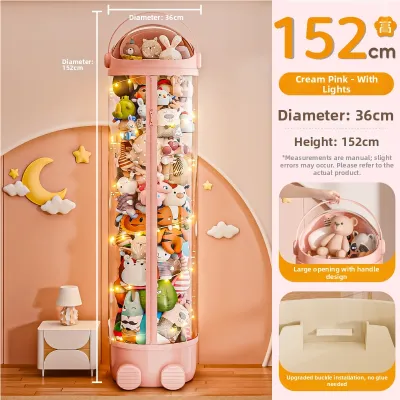
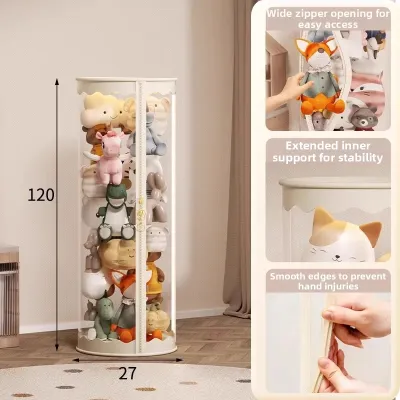
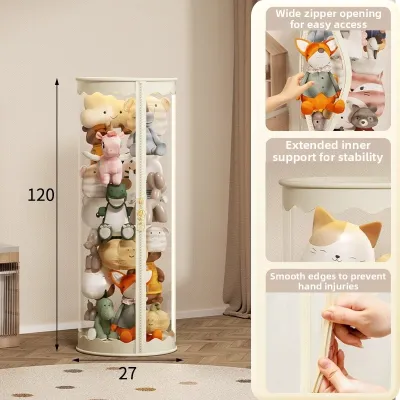
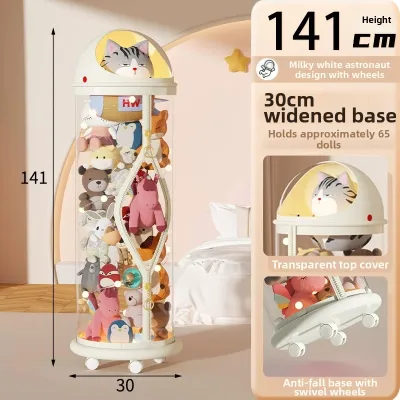
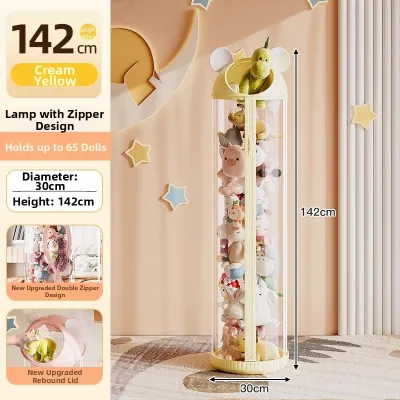
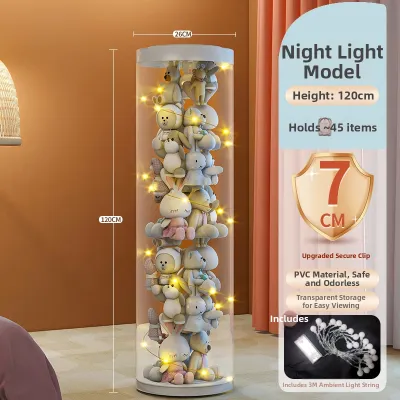
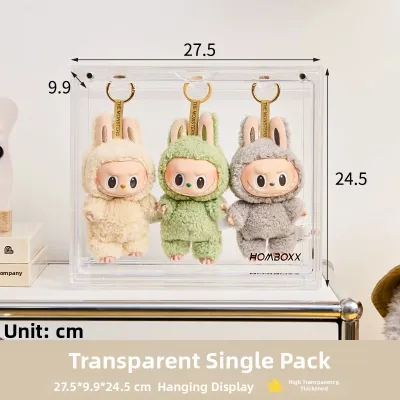
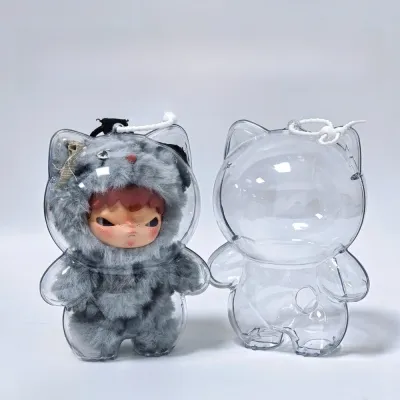
Prices are valid at publication and may change. Please refer to the product page for the latest price.
Key Evaluation Criteria for Nursery Plushie Storage
Before purchasing any storage unit, establishing clear evaluation criteria helps you avoid products that are impractical or potentially hazardous. Safety remains the primary consideration in any nursery environment.

When evaluating storage options, look for breathable fabrics, such as organic cotton or open mesh, which prevent suffocation risks if a child plays with the container. Ensure there are no small detachable parts, loose strings, or sharp metal frames, and verify that freestanding units feature wide, stable bases to prevent accidental tipping.
Accessibility is another critical factor that changes as your child grows. For infants, storage can be kept out of reach, but for toddlers, the height and opening mechanism of a bin should allow them to retrieve and put away toys independently. Look for low-profile designs or soft, flexible sides that bend easily when a child reaches inside.
Space efficiency requires precise physical measurements of your nursery before you browse online marketplaces. Consider whether you have unused vertical wall space, an empty corner, or valuable space behind the nursery door. Measuring these areas beforehand prevents you from buying an organizer that blocks walkways or prevents doors from opening fully.
Finally, evaluate the material and cleaning requirements of each storage option. Plush toys naturally collect dust, pet hair, and household allergens over time. Choosing storage materials that are machine-washable, wipeable, or dust-resistant simplifies your cleaning routine. Always verify the manufacturer’s care labels to ensure the material can withstand regular washing and maintains its structural durability over years of use.
Comparing Common Plushie Storage Solutions
To find the right fit, it is helpful to compare the primary storage categories side by side. Each option offers distinct advantages depending on whether you prioritize floor space, visibility, or child accessibility. The following comparison matrix outlines how common storage types perform across these key dimensions.
| Storage Type | Ideal Use Case | Space Footprint | Accessibility Level | Key Trade-off |
|---|---|---|---|---|
| Floor Bins & Baskets | Large, heavy, or oversized plushies | High floor space usage | High (for toddlers) | Uses valuable floor area; can look cluttered |
| Wall-Mounted Nets | Lightweight, medium collections | Zero floor space (uses corners) | Low (requires adult help) | Harder for young children to reach; requires wall drilling |
| Hanging Organizers | Small to medium sorted plushies | Zero floor space (uses doors/closets) | Medium (lower pockets only) | Can strain door hinges; limited pocket depth |
Weighing these trade-offs allows you to customize your nursery layout. For instance, if floor space is limited in a compact apartment, vertical or over-the-door options are highly efficient, whereas spacious rooms benefit from the easy access of floor baskets.
Floor Bins and Baskets
Open-top floor bins and baskets are a classic choice for managing high-volume plush toy collections. They are particularly well-suited for oversized plushies that cannot easily fit onto shelves or inside hanging pockets.
Because they sit directly on the floor, they allow toddlers to engage in independent play and learn basic tidying habits by tossing toys back inside. When selecting a floor container, prioritize structural stability and child-safe materials.
Woven cotton rope baskets and soft canvas bins are excellent choices because they lack sharp corners and collapse safely if a child climbs or falls onto them. If you prefer wooden toy chests, ensure they feature safety hinges that prevent the lid from slamming shut on small fingers, or opt for open-top designs entirely.
To maintain clear walkways and prevent tripping hazards, place floor bins in underutilized areas of the nursery. Corners, spaces adjacent to changing tables, or the empty area under windows are ideal locations. Avoid placing large bins near the nursery entrance or directly in the path between the crib and the door.
Wall-Mounted Nets and Hammocks
Wall-mounted nets and toy hammocks offer an excellent way to utilize vertical space, making them ideal for smaller nurseries where floor space is at a premium. These nets typically stretch across a corner, turning unused wall areas into a decorative display for your child’s plush collection.
Because these nets rely on wall anchors, they are best reserved for lightweight, medium-sized plushies. Overloading a mesh hammock can strain the fabric or pull the mounting hardware out of the wall.
Before installation, identify your wall type—such as drywall or concrete—and use the appropriate, manufacturer-recommended anchors and screws rather than relying on simple adhesive hooks. This ensures the installation remains secure under the weight of the toys.
While wall nets keep toys organized and visible, they generally keep items out of reach for younger children. This can be an advantage for keeping decorative or sentimental plushies safe from daily wear, but it means parents must assist when a child wants to play with a specific toy.
Hanging Door and Closet Organizers
Hanging organizers designed for doors or closet rods are highly efficient for categorizing small to medium-sized plushies. Featuring multiple clear plastic or mesh pockets, these organizers allow you to sort toys by size, color, or frequency of use, making it easy to find specific items without rummaging through a deep bin.
Before hanging an organizer over a nursery door, check that your door hinges are sturdy and can support the combined weight of the organizer and the toys. Ensure the hanging hooks are thin enough to allow the door to close and latch securely without scraping the door frame.
It is also important to measure the depth and width of the pockets against your actual plushie collection. Pockets that are too tight can compress the toys and make them difficult to slide out, while shallow pockets may allow toys to fall forward when the door is opened or closed.
Safety Checks and Maintenance for Storage Units
Proper installation and ongoing maintenance are vital to keeping your nursery storage safe and functional. When installing wall-mounted nets, hanging organizers, or shelving, always follow the manufacturer’s step-by-step instructions.
If you are unsure about your wall’s load-bearing capacity or the type of hardware required for secure mounting, consult a qualified professional to handle the installation. This prevents damage to your walls and ensures the unit remains securely anchored.
Tipping hazards pose a serious risk in nurseries as children begin to pull themselves up on furniture. Any freestanding storage unit, such as a wooden bookcase or a heavy toy chest, must be securely anchored to the wall using anti-tip straps if it exceeds a certain height or has a narrow base. Regularly test these anchors to ensure they remain tightly secured to both the furniture and the wall stud.
Establish a routine maintenance schedule to inspect your storage solutions. Check wall-mounted hardware for loose screws, inspect fabric organizers for frayed seams or torn mesh, and look for signs of wear on hanging hooks. Additionally, clean the storage units regularly by vacuuming fabric bins with an upholstery attachment or wiping down plastic pockets to prevent dust buildup.
Knowing when to stop using a storage product is crucial for injury prevention. Discard or repair any organizer immediately if you notice broken zippers, torn pockets, cracked plastic frames, or compromised wall anchors. Continuing to use damaged storage increases the risk of falling items or structural collapse.
How to Build Your Plushie Storage Shortlist
Creating a practical shortlist of storage options helps streamline your purchasing decision and ensures the product you choose fits your nursery’s specific needs.
- Step 1: Measure and Inventory. Begin by measuring the exact dimensions of your designated storage area, whether it is a corner, a wall, or a door. Count your child's plushies and group them by size to understand the total volume and physical dimensions you need to accommodate.
- Step 2: Filter by Safety and Age Ratings. Eliminate any products that do not meet standard safety guidelines. Check the manufacturer's age recommendations, weight limits, and material certifications to ensure the product is safe for a nursery environment.
- Step 3: Cross-Reference Dimensions. Compare the physical dimensions of the storage units on your list with your nursery layout. Ensure there is adequate clearance for doors to open, walkways to remain clear, and crib access to be unobstructed.
- Step 4: Evaluate User Feedback. Read verified customer reviews on online marketplaces, focusing on long-term durability, ease of assembly, and real-world storage capacity. Look for feedback from parents with similar nursery layouts to gauge how the product performs over time.
Frequently Asked Questions (FAQ)
How do I clean plushies stored in open bins or nets?
To keep plushies clean in open storage, start by checking each toy’s individual care label for specific washing and drying instructions. For routine maintenance, use a vacuum cleaner with an upholstery brush attachment on a low suction setting to gently remove accumulated dust and pet hair.
Rotating the toys regularly ensures they do not sit in one position for too long, which helps maintain their shape and prevents dust from settling deeply into the fabric. For non-washable plushies, spot-cleaning with a damp cloth and mild baby-safe soap is often sufficient.
Are plushie hammocks safe for toddlers?
Plushie hammocks can be safe for toddlers, provided they are installed correctly and used as intended. Safety depends entirely on securing the hammock to wall studs or using high-quality, weight-rated wall anchors rather than temporary adhesive strips.
To prevent accidents, mount the hammock high enough on the wall so that it remains completely out of your toddler’s reach. Never allow children to climb, swing, or pull on the net, as this can pull the hardware out of the wall and cause the storage unit or the toys to fall.

Community discussion
Share your experience or ask a question. Comments are reviewed before publication.