
Selecting the right Pigeon spoon requires matching the utensil’s physical design—such as bowl depth, handle length, and material flexibility—to your baby’s specific oral motor milestones. As infants progress from swallowing smooth purees to mashing soft lumps and eventually chewing solid pieces, their feeding mechanics shift dramatically. By evaluating your baby’s developmental readiness and verifying the manufacturer’s age and stage guidelines on the packaging, you can choose a spoon that supports safe, comfortable, and independent eating.
Weaning is not merely about introducing new flavors; it is a complex developmental process that trains the muscles of the mouth, tongue, and jaw. Introducing a spoon that is too deep or too firm too early can lead to feeding aversion, while using an infant spoon for an older toddler can cause frustration and slow down the development of self-feeding skills. Caregivers can make this transition smoother by understanding how specific spoon features align with each phase of oral motor growth.
Understanding Your Baby's Weaning Stages and Spoon Needs
The weaning journey is generally divided into three distinct developmental phases, each characterized by specific oral motor abilities. The first phase is the swallowing stage, which typically begins around six months of age when the baby’s extrusion reflex—the automatic tendency to push solid objects out of the mouth with the tongue—begins to fade. At this point, the baby is learning to coordinate taking smooth, liquid-like purees from a spoon and moving them to the back of the throat to swallow safely.
Products mentioned in this guide
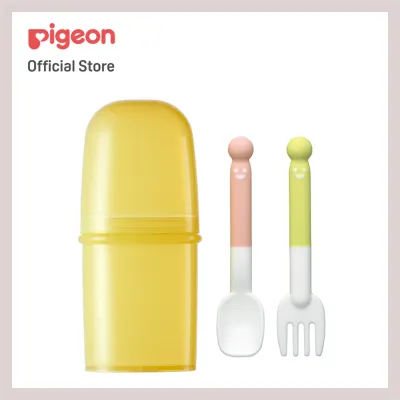
![[Kawaii Kiddy] Pigeon 18M+Baby Stainless steel Spoon and Fork](https://img.lazcdn.com/g/p/2b65f720000e2c2fa98e47a3aab12d0d.png_400x400q80.png_.webp)
![[Kawaii Kiddy] Pigeon 9M+Baby Spoon and Fork with case](https://img.lazcdn.com/g/p/ba354aa9d3b4581c156f8bb76e0baf86.png_400x400q80.png_.webp)
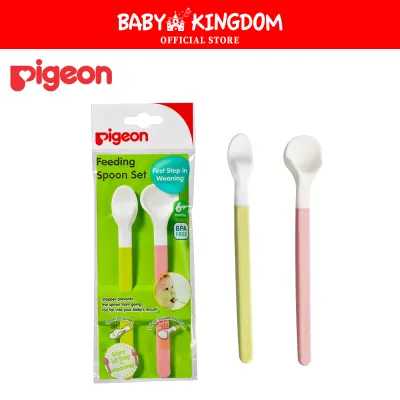
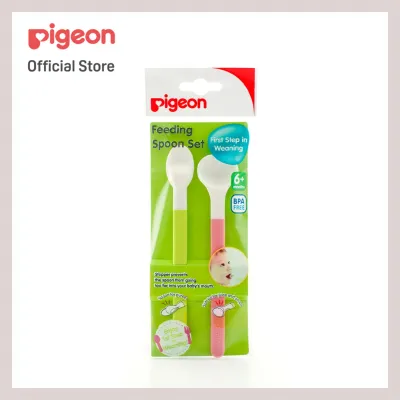
Prices are valid at publication and may change. Please refer to the product page for the latest price.
As babies reach seven to eight months, they enter the mashing stage, where tongue movement transitions from a simple forward-and-backward motion to an up-and-down movement. During this phase, infants learn to press soft, small lumps of food against the roof of their mouth using their tongue. This stage also marks the beginning of physical interest in holding utensils, signaling a shift from passive caregiver feeding to active, self-directed exploration.
By nine months and beyond, babies enter the chewing stage, where they begin to develop lateral tongue movements, shifting food from side to side toward their gums or emerging teeth. This phase requires utensils that can handle thicker, chunkier textures and support the transition to independent self-feeding. The physical design of the spoon must adapt to these changing mechanics, transitioning from long-handled, shallow-bowled tools to short, ergonomic utensils that accommodate a developing grip.
Matching the spoon bowl size, depth, and material firmness to the baby’s mouth development is critical for safety and comfort. A bowl that is too wide can stretch the corners of a young infant’s mouth, while a bowl that is too deep makes it difficult for the baby to clear the food using their upper lip. Additionally, the firmness of the material must progress in tandem with the baby’s biting strength, moving from ultra-soft silicone that protects sensitive gums to sturdier plastics that can withstand active biting.
Pigeon Spoons for the Early Weaning Stage (Swallowing)
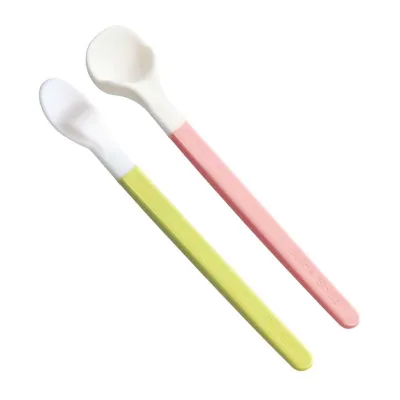
During the initial swallowing stage, the primary goal of feeding is to introduce the concept of taking food from a utensil rather than a nipple. For this phase, caregiver-fed spoon designs are highly beneficial. These spoons typically feature long, slender handles that allow adults to maintain a comfortable, steady grip while feeding. The extended length is also practical for reaching into the bottom of deep baby food jars or small weaning bowls without getting food on the caregiver’s fingers.

At this early stage, an infant’s oral cavity is highly sensitive, and their gums may be tender due to teething. Spoons designed with ultra-soft silicone tips are ideal because they provide a gentle, cushioned contact point that will not bruise or irritate the baby’s gums. The flexibility of the silicone also allows the spoon to contour slightly to the baby’s mouth, making the introduction of solid foods a more comfortable and less intimidating sensory experience.
The shape of the spoon bowl during the swallowing stage must be carefully calibrated to a young infant’s limited oral capacity. The ideal bowl is exceptionally shallow and narrow, acting almost like a flat spatula. This design ensures that only a tiny, manageable portion of puree is delivered at one time. A shallow bowl allows the baby to easily sweep the food off the spoon using their upper lip, preventing the food from getting trapped in a deep recess and reducing the risk of triggering the gag reflex.
When using these early-stage spoons, caregivers should focus on horizontal feeding angles. By placing the shallow spoon flat on the baby’s tongue and allowing the baby to close their upper lip over the food, you support natural swallowing patterns. Avoid tipping the spoon upward against the baby’s upper gums, as this can cause discomfort and hinder the development of proper lip-closure habits.
Pigeon Spoons for the Middle Weaning Stage (Mashing)
As babies transition to the mashing stage, they begin to show a strong desire to grasp objects and mimic the eating actions of their caregivers. This transitional phase requires spoons designed specifically to support a baby’s developing motor skills. Unlike caregiver-fed utensils, self-feeding training spoons feature shorter, thicker handles that are easier for small hands to manipulate.
At this stage of physical development, infants use a palmar grasp, wrapping their entire fist around the handle of the spoon rather than holding it with their fingers. Utensils with ergonomically angled, curved, or textured handles help accommodate this limited wrist rotation. These design elements make it easier for the baby to guide the spoon toward their mouth successfully, building confidence and coordination during meal times.
Safety is a paramount consideration when babies begin handling utensils independently. Because infants lack precise depth perception and fine motor control, they can easily push a spoon too far into their mouths. To mitigate this risk, transitional spoons often incorporate built-in safety guards or wide collars. These physical barriers act as stoppers, preventing the spoon from being pushed deep into the throat and protecting the baby from accidental gagging or choking.
The materials used for middle-stage spoons must also adapt to the baby’s changing oral needs. While the spoon tip must remain gentle enough for sensitive gums, the overall structure needs to be slightly firmer than the ultra-soft silicone used in the early stage. This increased firmness provides the structural support necessary to scoop up thicker, mashed foods like avocados, sweet potatoes, or thick oatmeal without the spoon bending or spilling its contents.
Pigeon Spoons for the Late Weaning Stage and Beyond (Chewing)
Once your baby reaches the chewing stage, they are actively consuming textured, chunkier foods and require utensils that can handle more substantial meals. This is the ideal time to introduce coordinated fork and spoon sets designed for older babies and toddlers. These sets help transition the child toward adult-style eating patterns while maintaining age-appropriate safety features.
The handles of late-stage utensils are designed to support the transition from a palmar grasp to a more refined pincer grasp, where the child uses their thumb and index finger to hold the utensil. The handles are typically flat, wide, or slightly contoured, providing a stable grip that encourages proper finger placement. This design helps toddlers develop the hand-eye coordination needed to scoop up food and bring it to their mouth with minimal spilling.
To accommodate chunkier foods, thicker purees, and small solid pieces like soft-cooked vegetables or pasta, the spoon bowl must be deeper and wider than those used in earlier stages. A deeper bowl helps contain loose food particles, allowing the child to practice scooping successfully. The accompanying fork in these sets usually features rounded, blunt tines that can easily pierce soft foods without posing a puncture hazard to the child’s mouth, cheeks, or eyes.
As toddlers grow, their biting strength increases significantly, and they may have several teeth. It is essential to check the manufacturer’s specific material guidelines to ensure the utensils are durable enough to withstand this increased pressure. High-quality, food-grade plastics or stainless steel utensils with plastic handles are common choices for this stage, offering the durability required for daily use while remaining safe for young mouths.
Essential Checks Before Buying and Using Pigeon Spoons
Before purchasing any weaning spoon, caregivers should perform a few essential checks to ensure the product is safe, suitable, and compatible with their daily routine. Always verify the manufacturer’s recommended age, stage, or weight guidelines printed on the product packaging. These guidelines are carefully calibrated to match typical developmental milestones and oral capacities, helping you avoid utensils that may be too large or structurally unsuitable for your baby.
Material safety is another critical factor to verify before purchase. Look for clear labels indicating that the spoons are BPA-free and made from food-grade materials, such as high-quality silicone or polypropylene. In Singapore, baby feeding products must comply with strict safety standards, so purchasing from reputable retailers and official brand outlets ensures you are getting genuine, compliant products that do not contain harmful chemical additives.
Caregivers must also pay close attention to the cleaning and sterilization instructions provided by the manufacturer. Different materials have varying heat tolerance limits; for instance, some silicone spoon tips can withstand high-temperature steam sterilization or boiling, while certain plastic handles or safety guards may warp, crack, or degrade under extreme heat. Always check the packaging to determine if the spoon is dishwasher-safe, microwave-safe, or compatible with chemical sterilizing solutions.
Regular inspection of all feeding utensils is vital for ongoing safety. Before every meal, take a moment to examine the spoon for any signs of wear and tear, such as hairline cracks, discoloration, stickiness, or small tears in silicone tips. If you notice any damage or material degradation, discard the utensil immediately to prevent small pieces from detaching and posing a choking hazard.
Frequently Asked Questions (FAQ)
Can I use the same Pigeon spoon for both feeding and teething?
No, feeding spoons should not be used as teething toys. While soft silicone spoons may feel soothing on tender gums, they are not structurally designed to withstand the repetitive, forceful biting and chewing associated with teething. Allowing a baby to use a feeding spoon as a teether can quickly damage the material, leading to tears, chips, or detached pieces that present a serious choking hazard. Always provide dedicated teething toys made of durable, solid materials designed specifically for oral relief, and reserve feeding spoons strictly for meal times under active caregiver supervision.
How do I know when my baby is ready to move to the next spoon stage?
Your baby will display clear physical and behavioral signs when they are ready to transition to a different spoon design. If your baby is currently using an early-stage spoon and begins reaching for your utensil, attempting to grab the spoon during feeding, or showing frustration with the small amount of food delivered by a shallow bowl, they may be ready for a middle-stage transitional spoon. Additionally, if your child has developed a reliable hand-to-mouth coordination and can swallow soft, mashed lumps without spitting them out, it is a strong indicator that they are ready to move beyond the initial swallowing stage. Always prioritize these observable motor skills and developmental readiness over chronological age guidelines alone.

Community discussion
Share your experience or ask a question. Comments are reviewed before publication.