
Choosing the right baby bowl and utensil set is a crucial step in supporting your child’s transition to solid foods. The ideal feeding gear does not just hold food; it acts as a developmental aid that matches your baby’s growing motor skills, coordination, and self-feeding confidence. By selecting tableware tailored to each specific weaning stage, you can minimize mealtime frustration, reduce cleanup time, and foster a positive relationship with food from the very first bite.
As your baby progresses from parent-led purees to independent self-feeding, their physical capabilities change rapidly. A bowl that works well for a six-month-old receiving smooth purees will differ significantly from the plate or bowl needed by a toddler learning to scoop up grains of rice or small pieces of fruit. Understanding these shifting needs allows you to build a practical, safe, and durable feeding toolkit that grows alongside your child.
Understanding Your Baby's Weaning Stages and Feeding Needs
The weaning journey typically begins around six months of age, when babies transition from an exclusive milk diet to solid foods. In the initial stage, often referred to as early weaning, the primary goal is introducing new tastes and textures. At this point, parents do the majority of the feeding using smooth purees, meaning the baby does not yet require complex self-feeding tools. The focus during these early weeks is on comfort, safety, and gentle introduction.
Products mentioned in this guide
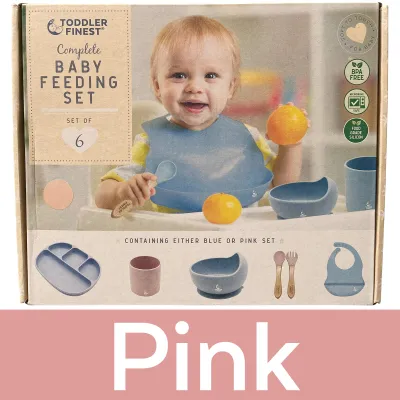
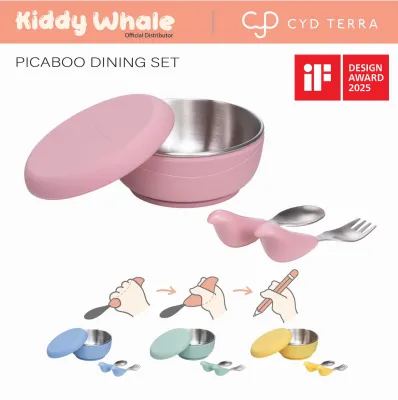
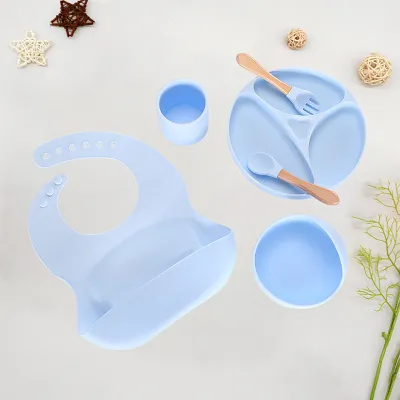
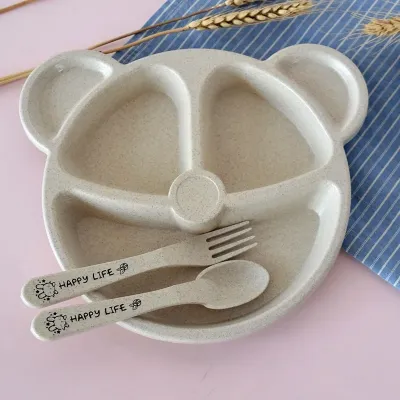
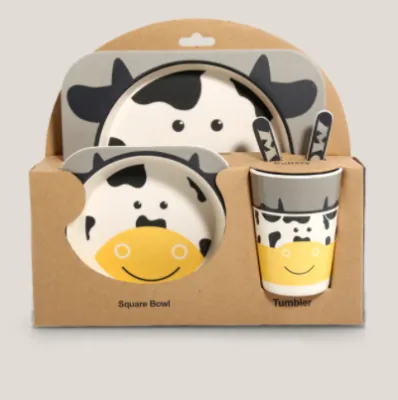
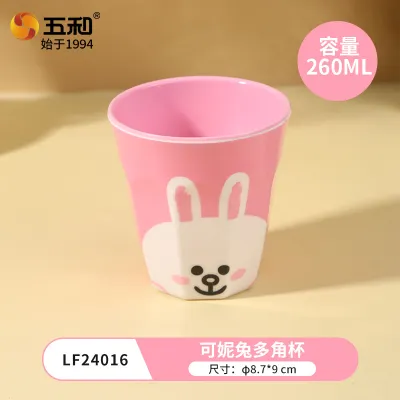
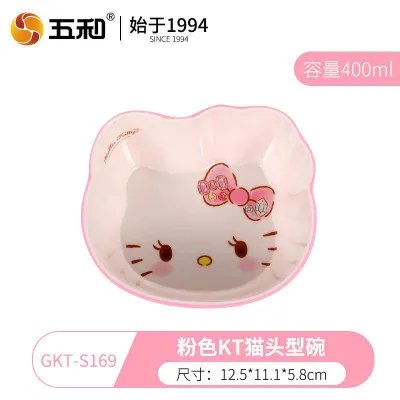
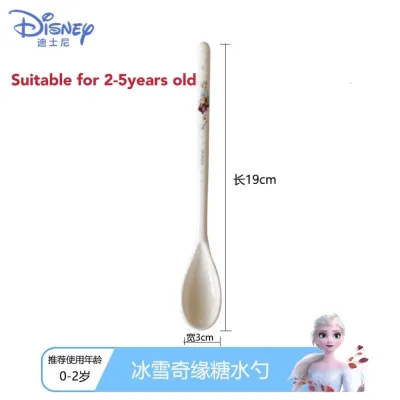
Prices are valid at publication and may change. Please refer to the product page for the latest price.
As babies reach eight to ten months, they enter the transitional weaning stage, where they begin to explore finger foods and show an interest in holding their own utensils. You will notice key physical indicators of readiness, such as the ability to sit upright without support, improved head control, and the development of the palmar grasp, where they use their whole hand to clutch objects. This is the stage where hand-eye coordination begins to develop rapidly, and babies start attempting to mimic your movements during meals.
By twelve months and beyond, many toddlers enter the independent feeding stage. They begin to master the pincer grasp, using their thumb and index finger to pick up small food items. Their coordination improves to the point where they can guide a spoon or fork to their mouth with greater accuracy. The feeding goal shifts from simple taste exposure to encouraging self-reliance, coordination, and confidence, requiring tableware that supports their active attempts to feed themselves.
Key Features to Look for in Baby Bowls
When selecting baby bowls, stability is one of the most critical factors to consider. Suction bases are highly effective for early self-feeding stages, as they secure the bowl firmly to the high chair tray or dining table, preventing enthusiastic babies from tossing their food onto the floor. Alternatively, bowls with weighted or non-slip silicone bottoms offer excellent stability for older toddlers who have developed more control but still benefit from a base that resists sliding during active scooping.

The interior design of the bowl plays a significant role in how easily a baby can learn to scoop food. Bowls with angled, curved, or undercut interior walls provide a natural barrier that helps guide food onto the spoon. When a baby pushes their spoon against the curved side, the wall helps push the food onto the utensil, reducing frustration and encouraging successful self-feeding. Shallow, wide bowls are often easier for beginners to navigate than deep, narrow ones.
As your baby’s diet expands to include a wider variety of foods, you may want to evaluate the choice between compartmentalized plates and single bowls. Compartmentalized plates are excellent for toddlers who prefer their foods separated or for serving balanced meals with distinct portions of grains, proteins, and vegetables. Single bowls remain highly practical for moist foods, purees, stews, or grains that are easily scooped together. Your choice should align with your baby’s feeding preferences and the types of meals you prepare.
Before purchasing any baby bowl, always check the manufacturer’s packaging for age, weight, and developmental recommendations. These guidelines are designed to ensure the product’s size, weight, and features match the physical capabilities of the intended age group. Verifying these details helps you avoid purchasing items that are too heavy, too large, or structurally unsuitable for your baby’s current developmental stage.
Selecting the Right Fork and Spoon Sets for Developing Skills
The design of baby cutlery must evolve alongside your child’s grip strength and coordination. For early-stage weaning, spoons should feature soft, shallow, and flexible silicone bowls that are gentle on sensitive, teething gums. These spoons typically have longer, slimmer handles designed for parents to hold comfortably while feeding the baby. The shallow bowl ensures that the baby can easily clear the food from the spoon with their lips without needing to tilt their head back excessively.
As your baby transitions to self-feeding, they require utensils with sturdier, shorter, and thicker handles that accommodate a palmar grasp. These bulbous or textured handles are easier for small hands to clutch securely, giving the baby better control as they guide the utensil to their mouth. Spoons for this stage should have slightly deeper bowls to hold food more effectively, but they must still fit comfortably inside a small mouth without causing gagging.
Introducing a fork requires careful attention to safety and design. Look for fork tine designs that are rounded, blunt, and short, allowing the child to pierce soft foods like steamed vegetables or fruit chunks without posing a puncture risk to their mouth, gums, or eyes. Avoid sharp metal tines or overly long prongs for early learners. The fork should be sturdy enough to hold food but soft or rounded enough to prevent accidental injury during sudden, jerky movements.
Rather than relying solely on general age ranges printed on packaging, it is highly advisable to check product labels for specific developmental stage alignments. Some brands categorize their utensils by motor skill milestones, such as “for babies learning to scoop” or “for toddlers mastering the pincer grasp.” Aligning your purchase with these functional descriptions ensures that the cutlery actively supports your baby’s current physical capabilities and hand-eye coordination.
Material Safety and Care Instructions to Verify Before Buying
Baby tableware is available in several common materials, each offering distinct characteristics for daily use. Food-grade silicone is highly popular due to its softness, durability, and resistance to breaking when dropped. Bamboo offers a natural, aesthetic appeal and is often paired with silicone suction bases, though it requires more careful hand-washing. Stainless steel is exceptionally durable, hygienic, and long-lasting, making it ideal for older toddlers, while BPA-free plastics provide a lightweight and affordable option for everyday meals.
To ensure the highest level of safety, always check product labels, packaging, or manufacturer websites for specific safety certifications and temperature limits. Look for clear indications that the materials are free from harmful chemicals such as BPA, phthalates, lead, and PVC. Understanding the temperature limits of each material is crucial, especially if you plan to use the items for hot foods, warm them in the microwave, or sanitize them in boiling water.
Care and maintenance routines must be verified strictly against the official manufacturer instructions. Not all materials are compatible with modern kitchen appliances; for instance, bamboo tableware should never be placed in a microwave or dishwasher, as the high heat and moisture can cause the wood to warp or crack. Similarly, certain plastics or silicone items may have specific restrictions regarding steam sterilizers or top-rack dishwasher placement. Following these guidelines preserves the structural integrity of the tableware.
Regularly inspect your baby’s feeding gear for signs of wear and tear to maintain a safe dining environment. Over time, plastic items can develop deep scratches that harbor bacteria, bamboo can splinter, and silicone can degrade, become sticky, or retain strong food odors. If you notice any cracking, peeling, deep gouges, or structural softening, it is time to replace the item immediately to prevent safety hazards or bacterial buildup.
Building a Practical Feeding Setup for Home and Travel
Creating a functional feeding setup involves balancing your daily home routine with your family’s lifestyle needs. For home meals, your baseline setup should focus on maximum stability, generous capacity, and ease of cleaning. A practical starting kit typically includes two high-quality suction bowls, one compartmentalized plate, and two pairs of stage-appropriate spoons and forks. This setup ensures you always have a clean set available while another is in the wash, without cluttering your kitchen cabinets.
When dining out or traveling in Singapore, your criteria for tableware should shift toward portability, lightweight design, and secure storage. Look for travel-friendly bowls that come with tight-fitting, leak-proof lids and dedicated travel cases for spoons and forks to keep them clean before use and contain messes afterward. Compact, foldable silicone mats with built-in bowls are also excellent for public high chairs, providing a clean eating surface that fits easily into a diaper bag.
Deciding between matching tableware sets and mixing individual items depends largely on your family’s routines and storage space. Matching sets offer a cohesive look and are often designed to stack neatly, saving valuable cabinet space in compact kitchens. However, mixing and matching individual items allows you to customize your setup, pairing a highly effective suction bowl from one brand with specialized ergonomic utensils from another to perfectly suit your baby’s unique feeding style.
Frequently Asked Questions (FAQ)
When should I introduce a fork to my baby?
You can typically introduce a fork when your baby demonstrates the motor skills required to use one, which often coincides with a well-developed pincer grasp and the ability to intentionally stab soft foods. This stage usually occurs around twelve to eighteen months of age. Always follow the specific age, safety, and stage guidelines provided by the utensil manufacturer to ensure the fork design is appropriate for your child’s developmental level.
Are silicone or plastic bowls better for beginners?
Both materials have distinct advantages depending on your priorities. Silicone bowls are highly favored for beginners because they are soft, drop-proof, slip-resistant, and generally offer excellent heat resistance, making them safe for warm foods. Plastic bowls are lightweight, highly durable, and often more budget-friendly. Whichever material you choose, always verify that the product is certified BPA-free and check the packaging for specific temperature limits and care instructions before use.
Community discussion
Share your experience or ask a question. Comments are reviewed before publication.