
Trimming a child’s nails is a task that evolves rapidly from the newborn days through the school-age years. Parents in Singapore often find themselves navigating a wide array of grooming tools, wondering which option offers the safest and most efficient experience. The key to choosing the right tool lies in understanding your child’s developmental stage, nail thickness, and ability to cooperate during grooming sessions.
By matching the tool to your child’s age, you can minimize the risk of accidental nips and make the process stress-free. Whether you are dealing with the paper-thin, fast-growing nails of a newborn or the tougher, more resilient nails of an active school-aged child, selecting the appropriate design ensures safety and comfort. This guide outlines how to evaluate different grooming options, what features to look for at each stage, and how to transition tools safely as your child grows.
Why Age Dictates the Right Nail Clipper for Your Child
A child’s nails undergo significant structural changes during their early years. Newborns are born with incredibly soft, pliable nails that are often fused closely to the surrounding skin. As children grow into toddlers and eventually school-aged kids, their nails gradually thicken and harden, requiring more robust cutting edges. Using a tool designed for an older child on an infant can easily lead to painful skin nicks, while using an infant tool on an older child can cause the nail to tear or split.
Products mentioned in this guide
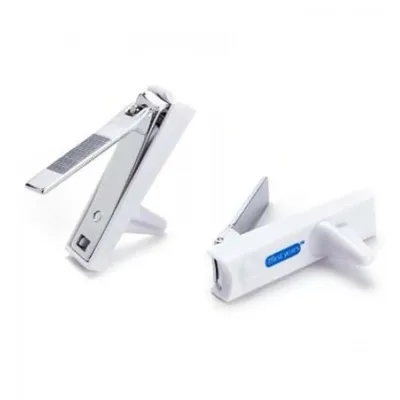
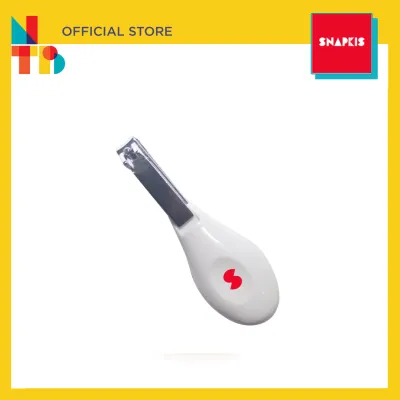
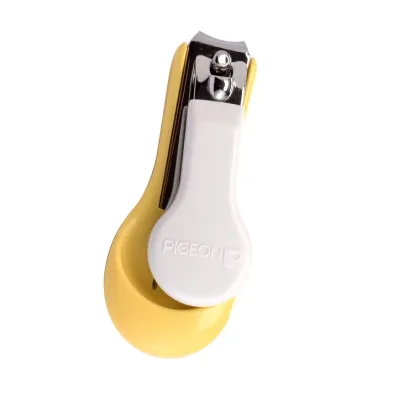
![[NEW] SEEMAGIC Electric Nail Clippers - Trimmers Safe for Kids](https://img.lazcdn.com/g/p/06dd5840e5c6c7a49a91e668a07484ba.jpg_400x400q80.jpg_.webp)
![[SG Stock] Baby Nail Clipper Baby Grooming Set 4-in-1 /6-in-1 With Case](https://img.lazcdn.com/g/p/7e53c3c6e2e27cf93e14a1b9ff6c51b0.jpg_400x400q80.jpg_.webp)
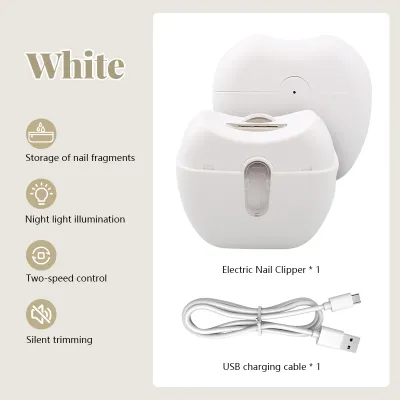
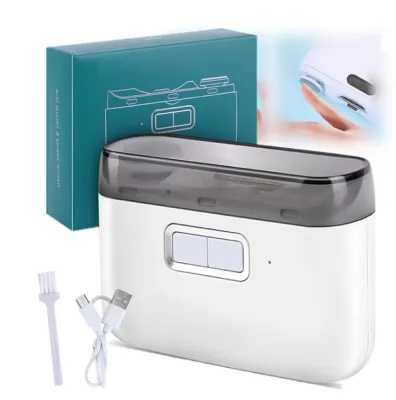
Prices are valid at publication and may change. Please refer to the product page for the latest price.
Motor skills and behavioral development also play a massive role in tool selection. A newborn will generally lie still or sleep during grooming, whereas a toddler is highly likely to squirm, pull away, or resist sitting still. These behavioral differences mean that safety features, such as rounded tips, safety guards, or electric filing mechanisms, become essential for younger age groups to prevent injury during sudden movements.
The physical size of the nail bed is another critical factor. Adult nail clippers feature wide, curved blades designed for much larger fingers. Attempting to use these on a young child makes it nearly impossible to see the boundary between the nail edge and the delicate skin underneath, known as the quick. Specialized children’s grooming tools are scaled down to match the tiny proportions of a child’s fingers, giving caregivers the visibility and control needed to trim safely.
Grooming Newborns and Infants: Scissors, Clippers, or Electric Files?
For the first few months of life, an infant’s nails grow at an astonishingly rapid rate, often requiring trimming multiple times a week to prevent them from scratching their own face. At this stage, the nails are so thin and soft that traditional clipping can be incredibly challenging. Parents must choose between baby nail scissors, specialized infant clippers, or electric nail files, each offering distinct advantages for delicate hands.

Baby nail scissors feature short, thin blades with rounded safety tips. This design allows caregivers to make precise, controlled cuts while minimizing the risk of poking the baby’s sensitive skin. The rounded tips act as a physical barrier, ensuring that even if the baby makes a sudden movement, the point of the scissors cannot cause harm. When evaluating these scissors, look for models with comfortable finger loops that provide a steady grip.
Specialized infant clippers are scaled-down versions of standard clippers, often incorporating helpful features like built-in magnifying glasses or small LED lights. These additions are designed to improve visibility, helping parents clearly distinguish the nail from the skin bed, especially during late-night grooming sessions when the baby is asleep. It is important to check the manufacturer’s packaging for age recommendations and safety guards to ensure the tool is appropriate for a newborn.
Electric nail files, or baby nail trimmers, have become a highly popular alternative for anxious parents. These battery-operated devices use rotating cushioned pads of varying grits to gently file down the nail edge without touching the surrounding skin. Because they rely on friction rather than a cutting blade, the risk of cutting the quick is virtually eliminated. When choosing an electric file, verify that it comes with age-appropriate filing pads, as the grit level must match the softness of the baby’s nails.
Managing Toddler Nails: Ergonomics and Safety Guards
As children enter the toddler stage, their nails become noticeably thicker and tougher, while their desire to sit still often diminishes. This combination makes grooming a test of patience and precision. To manage toddler nails safely, caregivers need to transition to tools that offer superior ergonomics and built-in safety mechanisms to handle a squirming child.
Ergonomic, non-slip handles are a vital feature for toddler nail clippers. Because you will likely be holding a moving child with one hand while trimming with the other, the clipper must fit securely in your palm. Look for designs with wide, rubberized grips or large finger loops that prevent the tool from slipping out of your hand mid-cut. A secure grip gives you the leverage needed to make clean, quick cuts before the child loses patience.
Blade curvature and safety stops are equally important during this transition. Toddler clippers should feature a gentle curve that matches the natural shape of a small nail bed. Some models include a physical safety guard or stop behind the blade, which limits how much of the nail can enter the cutting area. This prevents over-cutting and protects the quick from accidental injury, even if the child jerks their hand away suddenly.
At this stage, parents must decide whether to continue using electric files or introduce small manual clippers. While electric files remain a safe option, the increased thickness of toddler nails means filing can take significantly longer. Introducing a small, manual clipper with a safety guard can speed up the process. You can also use a hybrid approach, using the clipper for the bulk of the nail and a manual emery board to smooth out any sharp corners.
School-Aged Kids: Transitioning to Standard Clippers
By the time children reach school age, their nails have developed a hardness similar to that of an adult, though their fingers are still considerably smaller. This stage is about transitioning to standard-style clippers that are sized appropriately for their hands, with the ultimate goal of teaching them how to groom themselves independently under supervision.
Kid-sized clippers designed for school-aged children typically feature wider jaws than infant models to accommodate thicker nails, yet they remain smaller than adult clippers. Many of these models incorporate splash guards or built-in nail catchers. These features prevent nail clippings from flying across the room, making cleanup much easier and keeping the grooming area tidy, which is particularly helpful in compact Singapore apartments.
Easy-grip levers and textured surfaces are essential for encouraging independent grooming. As your child begins to express interest in cutting their own nails, they will need a tool that requires minimal physical effort to operate. A lever with a textured thumb pad provides the necessary traction and leverage for smaller hands to make clean cuts without straining or slipping.
When selecting a clipper for an older child, it is crucial to verify that the blade alignment remains perfectly sharp. Dull blades do not cut cleanly; instead, they crush and bend the nail, which can lead to painful tearing, splitting, or hangnails. Inspect the blades regularly to ensure they meet evenly without any gaps, ensuring a smooth, single-press cut every time.
Your Pre-Purchase Safety and Quality Checklist
When shopping for kids’ nail clippers on an online marketplace or in a local retail store, it is easy to be overwhelmed by the sheer volume of options. To ensure you are purchasing a safe, high-quality product, it is helpful to follow a structured checklist before making a decision.
First, inspect the product packaging or online description for clear age ranges and material specifications. High-quality grooming tools are typically made from medical-grade stainless steel, which resists rust and maintains a sharp edge over time. Avoid cheap plastics or mystery metals that may bend, rust in Singapore’s humid climate, or harbor bacteria. Look for certifications or safety standards indicated on the label, though you should always verify these claims independently.
Second, review the manufacturer’s instructions for cleaning and sterilization. Because nail tools come into close contact with skin and potential micro-cuts, they must be easy to sanitize. Check if the tool can be wiped down with isopropyl alcohol or if it has electronic components that require specialized dry cleaning. Avoid complex designs with hard-to-reach crevices where dirt and nail dust can accumulate.
Finally, inspect the physical product immediately upon delivery or purchase. Look closely at the blade alignment; the two cutting edges should meet perfectly without overlapping or leaving a gap. Test the tension of the lever to ensure it moves smoothly without sticking or feeling loose. If you notice any rough edges on the plastic handles, misaligned blades, or stiff mechanisms, utilize the retailer’s return policy to exchange the item for a safer unit.
Safe Trimming Techniques and When to Stop
Even with the perfect tool, the safety of a grooming session depends heavily on your technique. Establishing a calm routine and using proper physical positioning can prevent accidents and make the experience much more comfortable for both you and your child.
To begin, choose a well-lit area and position your child securely. For infants, trimming while they are asleep or feeding is often the easiest method. For toddlers and older kids, sit them on your lap facing away from you, so you can hold their hand from behind in a natural position. When holding a finger, gently press the skin pad at the tip of the finger downward and away from the nail. This exposes the entire nail edge and pulls the sensitive quick out of the cutting path.
Pay close attention to your child’s behavioral cues throughout the session. If they show signs of extreme distress, pull away violently, or begin to cry, it is best to stop immediately. Forcing a grooming session increases the risk of accidental cuts and can create a long-lasting fear of nail trimming. It is far better to trim one or two nails at a time over several sessions than to rush through a full hand and cause an injury.
If you do accidentally cut the quick and cause bleeding, remain calm to avoid panicking your child. Apply gentle pressure to the area with a clean tissue or cotton ball until the bleeding stops. Avoid using liquid bandages or adhesive bandages on infants and toddlers, as these pose a choking hazard if the child puts their fingers in their mouth. If the bleeding does not stop after several minutes of direct pressure, or if you notice signs of infection like redness, swelling, or warmth in the days following, consult a pediatrician or qualified healthcare professional.
Frequently Asked Questions (FAQ)
How often should I trim my child's nails?
The frequency of nail trimming should be guided by observable growth rather than a strict calendar schedule. Newborns and young infants typically need their fingernails trimmed once or twice a week because their nails grow rapidly and can be quite sharp. As children grow older, their nail growth slows down slightly, usually requiring a trim every one to two weeks.
It is also important to note that fingernails grow significantly faster than toenails. While fingernails require frequent attention to prevent scratching, toenails generally only need to be trimmed once a month. Always inspect the nails visually; if you can see the nail extending past the fingertip or if it feels sharp to the touch, it is time for a trim.
Can I use adult nail clippers on my older child?
You should avoid using standard adult nail clippers on children until they have reached late childhood or early adolescence. Adult clippers have a much wider jaw and a stronger spring tension, which can easily overwhelm a child’s small nail bed and lead to accidental cuts. The curve of an adult blade is also designed for larger fingers, which can cause uneven cutting or splitting on a child’s smaller, more curved nails.
A child is generally ready to transition to standard adult grooming tools when their fingers have grown to a size where the adult clipper blade fits comfortably across the nail without overlapping onto the surrounding skin. This transition typically occurs around age ten to twelve. Until then, stick to kid-sized clippers that offer the appropriate scale, leverage, and safety features for their developmental stage.

Community discussion
Share your experience or ask a question. Comments are reviewed before publication.