
Breastfeeding and pumping can present physical challenges ranging from engorgement to sluggish let-down reflexes. A lactation massager can be a valuable tool to support milk flow, relieve discomfort, and improve overall feeding efficiency. However, the right device depends entirely on your specific situation. This guide breaks down the different types of massagers, the features to prioritize, and the safety boundaries you need to know to make an informed choice for your postpartum journey.
Choosing the right tool requires understanding how different mechanisms interact with your body. Rather than selecting a device based solely on popularity, matching the massager’s design to your daily routine and physical needs ensures better comfort and results. Whether you are nursing directly, pumping, or managing a temporary milk clog, there is a specific style designed to address your concerns.
Identify Your Primary Breastfeeding Challenge
Before comparing specific models on an online marketplace, take a moment to evaluate your primary breastfeeding or pumping goals. Different challenges require different physical interventions, and choosing a tool that aligns with your specific symptoms will yield the most relief.
Products mentioned in this guide
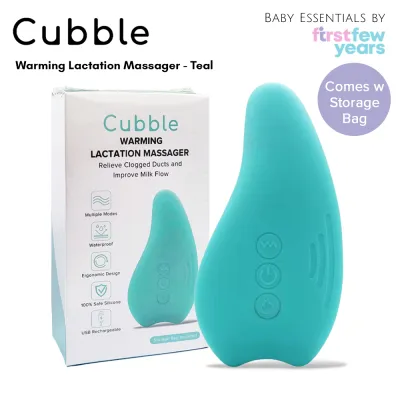
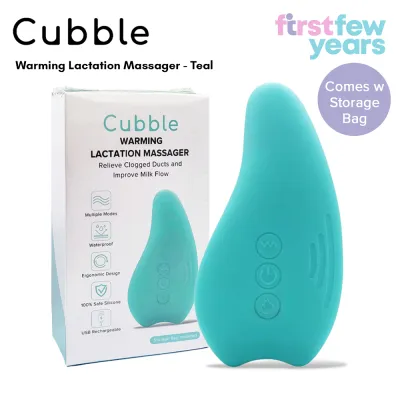
![[Milkforbubs] For Clogged Milk Ducts Lactation Massager Heating and Vibration Breast Massager Blocked Mastitis nursing pregnant breastfeeding](https://img.lazcdn.com/g/p/8d73081a01d10240ad7827f5a8a0ca31.png_400x400q80.png_.webp)
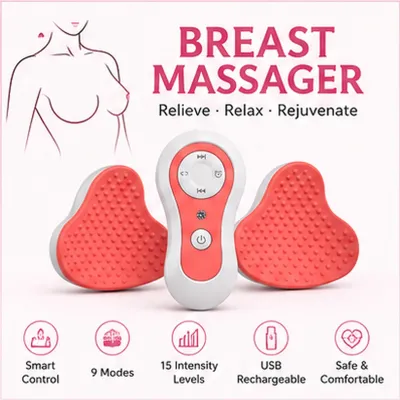
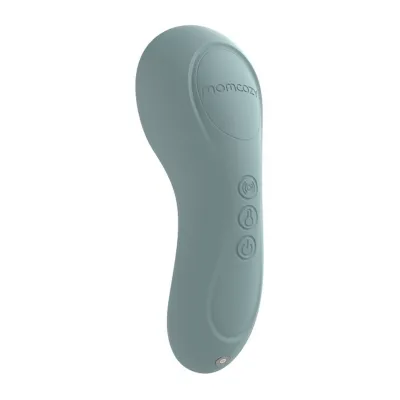
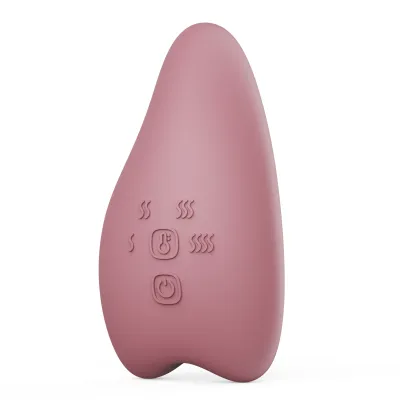
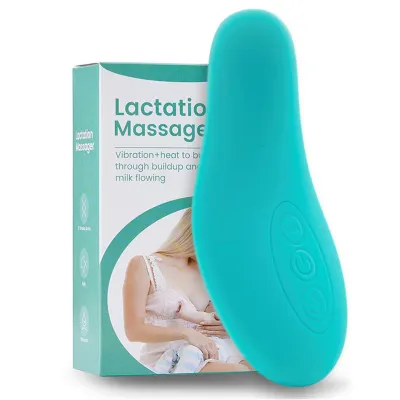
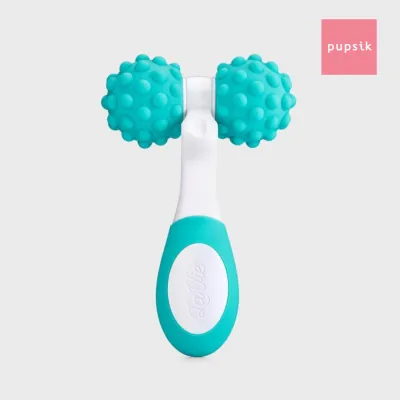
Prices are valid at publication and may change. Please refer to the product page for the latest price.
For parents dealing with frequent engorgement and clogged ducts, the primary goal is to encourage localized circulation and break up areas of congestion. In these situations, you need a tool that can deliver targeted, firm pressure or localized vibration directly to the affected area. Gentle sweeping motions toward the underarm can also support natural lymphatic drainage, helping to reduce swelling and ease the discomfort of overfull breasts.
If your main hurdle is a slow let-down reflex or a perceived delay in milk flow, warmth and rhythmic stimulation are highly effective. Applying gentle heat to the breast tissue helps dilate the milk ducts, while steady vibration stimulates the local nerves. This combination mimics the natural nursing patterns of a baby, helping to trigger the release of oxytocin, the hormone responsible for the milk ejection reflex.
For those focused on general comfort and hands-free pumping, convenience and integration are the top priorities. If you are balancing a busy schedule, returning to work, or exclusively pumping multiple times a day, a passive silicone tool or a wearable massager that slips directly into your nursing bra is ideal. These options allow you to support milk expression without requiring you to actively hold a device throughout your session.
Compare Types of Lactation Massagers
Lactation massagers generally fall into three main categories: electronic vibrating and warming devices, manual silicone compression tools, and hands-free wearable options. Each category uses a distinct mechanism to interact with breast tissue, offering unique benefits depending on where and how you plan to use them.

When comparing these types, consider practical factors such as portability, ease of cleaning, and how much active effort is required. Electronic models offer automated settings but require regular charging, while manual tools are highly durable and travel-friendly but demand physical effort. Understanding these trade-offs will help you narrow down the category that fits seamlessly into your daily routine.
Vibrating and Warming Massagers
Vibrating and warming massagers are electronic, handheld devices that combine thermal therapy with high-frequency oscillation. The heat functions to dilate the milk ducts, making it easier for milk to flow, while the vibration helps loosen thick milk and stimulates the nerves that trigger let-down. This dual-action approach is particularly useful for preparing the breasts before a feeding or pumping session.
To get the most out of these devices, apply them to the breast for a few minutes before you begin nursing or pumping. You can also use them during a session, gently moving the vibrating edge from the chest wall down toward the nipple to encourage milk movement. Many parents find that using the warming feature alone is highly soothing during periods of mild engorgement.
When evaluating electronic massagers, pay close attention to battery life and charging methods. Models that utilize universal USB charging ports offer excellent convenience, especially when you need to charge the device on the go. It is also beneficial to choose a model with adjustable temperature and vibration settings, allowing you to start with the lowest intensity and gradually increase it to your comfort level.
Manual Silicone and Compression Tools
Manual silicone and compression tools rely entirely on physical pressure and suction rather than electronic components. These tools are typically molded from a single piece of medical-grade silicone, featuring contoured edges designed to fit the shape of the breast. They allow you to perform targeted manual expression and deep-tissue massage with high precision.
The primary advantage of a manual tool is the level of tactile feedback it provides. Because you are controlling the pressure directly with your hand, you can feel exactly where the tissue is tight or congested and adjust your pressure accordingly. This makes manual tools exceptionally effective for working out stubborn, localized clogs that require specific, deep compression.
Additionally, manual silicone tools are highly portable, completely silent, and require no batteries or charging cords. This makes them an excellent option for travel or for discreet use in quiet environments. However, because they require active physical effort, they can cause hand fatigue during extended sessions, and users must learn proper manual techniques to avoid applying excessive pressure that could bruise delicate tissue.
Hands-Free and Wearable Options
Hands-free and wearable massagers are designed specifically for parents who want to multitask during their pumping or nursing sessions. These devices are typically slim, contoured, and lightweight, allowing them to slip comfortably inside a standard nursing bra. They can be positioned directly against the breast tissue or wrapped around a breast pump flange.
By integrating these massagers into your pumping routine, you can enjoy continuous, gentle stimulation without having to hold the device in place. This is particularly valuable for exclusive pumpers who need to express milk multiple times a day while working, managing household tasks, or caring for their baby. The hands-free design helps make pumping sessions feel less restrictive and more comfortable.
While wearable options offer unmatched convenience, they do have some limitations. Because they are designed to fit flat against the breast inside a bra, they generally offer less targeted, concentrated pressure than handheld devices. If you develop a deep, stubborn clogged duct, you may still need to remove the wearable device and use a handheld tool or manual compression to address the specific area of congestion.
Key Features to Evaluate Before Buying
When selecting a lactation massager, verifying specific design elements and material standards on the product packaging or manufacturer’s website is essential for safety and comfort. Since these devices come into direct contact with sensitive skin and may be used near breast milk, material safety is the first priority. Look for products clearly labeled as being made from medical-grade silicone, BPA-free plastics, and phthalate-free materials to prevent skin irritation or chemical exposure.
Ergonomics and grip are equally important, especially since you will often be using the device with one hand while holding a baby or managing pump parts. Choose a massager with an intuitive, non-slip handle and easily accessible buttons. You should be able to turn the device on, adjust the vibration intensity, and change the heat settings using only your thumb or fingers without losing your grip.
Waterproof ratings are another critical specification to verify before purchasing. Look for a device with an IPX7 waterproof rating, which indicates that it can be safely submerged in water. A waterproof massager is not only easier to wash thoroughly under running water, but it can also be used in a warm shower. The combination of warm running water and gentle vibration is highly effective for relieving engorgement and encouraging milk flow.
Finally, evaluate the power settings and customization options. Breast tissue is highly sensitive and can vary in sensitivity from day to day. A massager with multiple vibration patterns and adjustable heat thresholds allows you to customize the experience to your current physical state. Avoid devices that only offer a single, high-intensity setting, as excessive vibration or heat can lead to tissue irritation or bruising.
Safe Usage, Hygiene, and When to Seek Help
Using a lactation massager safely requires adhering to proper usage times and maintaining strict hygiene standards. To protect your breast tissue from damage, limit electronic massage and heat application to short sessions, typically no longer than 10 to 15 minutes at a time. Prolonged exposure to high-frequency vibration or heat can cause skin irritation, localized inflammation, or bruising of the delicate glandular tissue.
Hygiene is paramount to prevent the growth of bacteria on the device. For manual silicone tools, wash them thoroughly with warm, soapy water after every use, and sterilize them periodically according to the manufacturer’s instructions. For electronic massagers, wipe the surface with a damp cloth and mild soap, taking care to keep water away from the charging port unless the device is certified as fully waterproof. Always allow the device to air dry completely before storing it in a clean, dry place.
It is vital to recognize the boundaries of home care and know when to seek professional medical assistance. While a lactation massager is an excellent supportive tool, it is not a cure for medical conditions. Stop using the device immediately if you experience severe pain, skin blistering, or if a localized lump becomes increasingly hard, red, or warm to the touch.
If you develop a fever, chills, body aches, or other flu-like symptoms, you may be developing mastitis, which is a bacterial infection of the breast tissue. In these situations, or if a clogged duct does not resolve within 24 to 48 hours despite gentle massage and frequent feeding, consult a lactation consultant, general practitioner, or healthcare professional promptly. Do not attempt to aggressively massage a suspected infection, as this can worsen tissue inflammation.
Frequently Asked Questions (FAQ)
Can I use a lactation massager while exclusively pumping?
Yes, lactation massagers are highly compatible with exclusive pumping routines and can help make your sessions more efficient. Using the warming and vibrating functions for a few minutes before you attach your breast pump can help stimulate your nerves and trigger a faster let-down reflex. During the pumping session, you can gently press the massager against the breast tissue just outside the pump flange, moving it toward the nipple to encourage complete emptying. Be careful not to press the massager directly against the plastic flange itself, as this can disrupt the vacuum seal and reduce the pump’s suction.
Will a lactation massager cause oversupply?
It is possible to inadvertently trigger an oversupply of milk if the massager is used excessively. Breast milk production operates on a supply-and-demand feedback loop, where physical stimulation signals your body to produce more milk. If you use high-intensity vibration and heat for prolonged periods beyond what is necessary to relieve a clog or initiate let-down, your body may interpret this as an increased demand for milk. To maintain a balanced supply that matches your baby’s actual needs, use the massager only as a supportive tool for short, gentle sessions, and avoid overstimulating the breast tissue once milk is flowing freely.

Community discussion
Share your experience or ask a question. Comments are reviewed before publication.