
Choosing the right kids stainless steel cup requires matching the cup’s physical features—such as weight, spout style, and handle design—to your child’s current developmental milestones and motor skills. As infants transition from bottle or breastfeeding to independent drinking, their grip strength, lip seal, and swallowing coordination change rapidly. Selecting a cup that aligns with these physical changes makes the learning process smoother and less frustrating for both parent and child.
Stainless steel is an excellent material choice for children’s drinkware because it is highly durable, naturally hygienic, and free from the chemical leaching risks associated with some plastics. However, because metal is inherently heavier than plastic, finding the correct size and configuration for each age bracket is essential to prevent fatigue and accidental spills. A well-designed cup supports oral motor development while giving your child the confidence to drink independently.
By evaluating cups based on three primary developmental phases—early weaning around six months, the transitional stage from eight to twelve months, and the active toddler stage beyond one year—you can build a practical decision framework. Combining this developmental approach with careful material verification and a consistent cleaning routine ensures your child’s hydration remains safe and hygienic throughout their early years.
Products mentioned in this guide
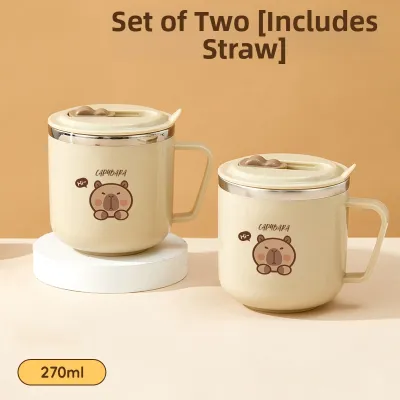
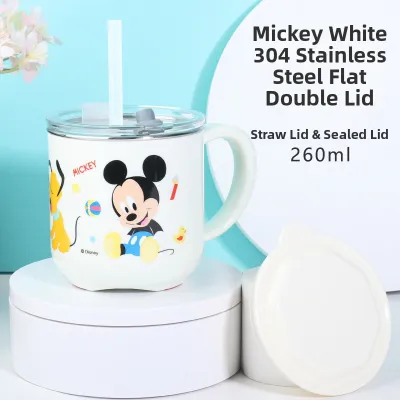
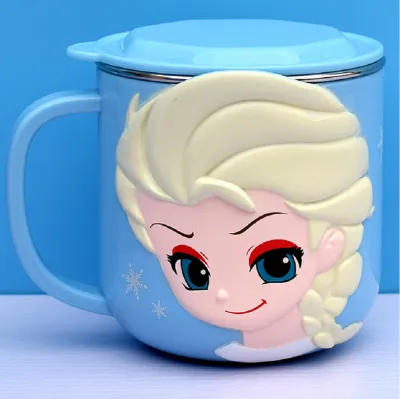
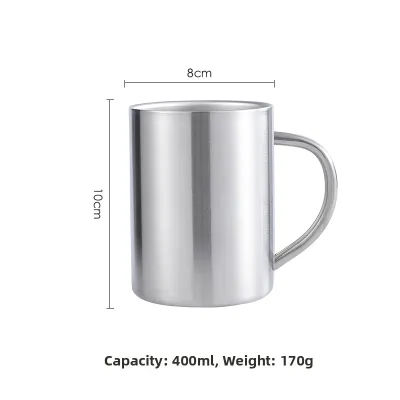
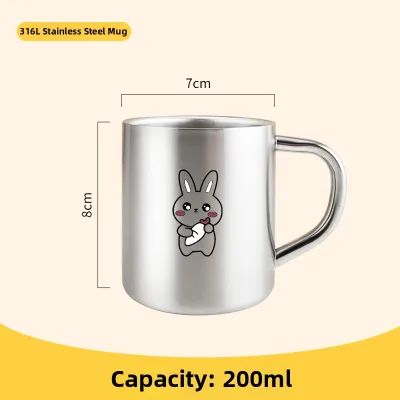
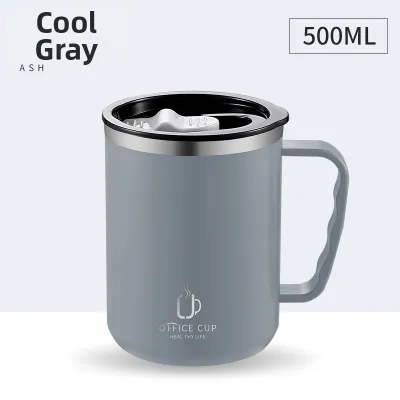

Prices are valid at publication and may change. Please refer to the product page for the latest price.
Key Cup Features to Match Motor Skills
When selecting a kids stainless steel cup, the style of the drinking interface plays a critical role in supporting oral motor development. Open cups are highly recommended by pediatric specialists because they encourage natural tongue positioning and active lip sealing, which are foundational for speech development. However, they require close parental supervision and a high degree of motor control to prevent sudden spills.
Soft silicone spouts offer a familiar, nipple-like texture that can ease the initial transition away from bottles, though they should be monitored closely as teeth emerge. Straw mechanisms, on the other hand, promote a different muscle pattern that requires active suction while keeping the tongue retracted. This makes straw cups an excellent option for older infants who have developed better swallowing coordination but are not yet ready to manage an open cup without spilling.
Handle designs must also match your child’s evolving grip strength and manual dexterity. Dual ergonomic handles allow young infants to use both hands to stabilize the cup, making it much easier to guide the spout to their mouth. Removable handles offer excellent versatility, allowing the cup to adapt as your child’s grasp matures from a full-palm clutch to a more refined finger grip. Handle-free options, often featuring contoured bodies or textured silicone sleeves, are ideal for older toddlers who are ready to practice holding a cup just like an adult.
Because stainless steel is denser than plastic, balancing the cup’s empty weight with its liquid capacity is vital for preventing hand fatigue. For early weaning stages, keeping the capacity small—typically around 120 to 150 milliliters—ensures the total weight remains manageable for tiny hands. As your child’s hand strength and coordination improve, transitioning to larger capacities of 200 to 300 milliliters prevents the need for constant refills during outdoor activities or long stroller walks.
Stage-by-Stage Guide: From First Sips to Active Toddlers
Children do not develop drinking skills overnight; rather, they progress through a series of physical and cognitive milestones that dictate how they interact with liquids. Moving from the reflexive sucking of infancy to the controlled, conscious sipping of toddlerhood requires different physical support systems, which is why a single cup style rarely suffices for the entire weaning journey.

Early Weaning (Around 6 Months): Introduction to Cups
At around six months of age, infants are introduced to solid foods and small sips of water to complement their primary milk diet. At this stage, the primary goal of introducing a cup is sensory exploration and learning the basic mechanics of bringing a vessel to the mouth, rather than consuming large volumes of liquid.
To support this initial phase, prioritize exceptionally lightweight, small-capacity stainless steel cups, ideally holding no more than 120 milliliters. Look for designs featuring wide, dual handles that are easy for tiny, uncoordinated hands to grasp and guide. The drinking interface should require minimal effort; a soft, flexible silicone spout or a tiny open-cup rim is ideal because it does not demand the complex suction required by advanced straw cups.
These soft materials are gentle on sensitive, teething gums and help prevent accidental self-injury when motor control is still developing. Always check the manufacturer’s packaging for specific age recommendations and safety warnings before introducing a new cup. Because infants at this stage are still refining their swallowing reflexes, close adult supervision is mandatory during every drinking session to prevent choking and ensure a positive learning experience.
Transitional Stage (8 to 12 Months): Grasping and Sipping
Between eight and twelve months, infants experience a rapid surge in hand-eye coordination, allowing them to grasp objects with more precision and deliberately place them down. This is the perfect window to transition to slightly larger stainless steel cups, typically ranging from 150 to 200 milliliters, to match their increasing fluid intake.
As children begin to experiment with tipping and shaking their cups, a weighted base or a low, wide profile can be highly beneficial to prevent accidental tip-overs on the highchair tray. Some models feature a weighted straw mechanism that moves with the liquid, allowing the child to drink successfully from any angle. This flexibility helps reduce frustration as they learn to coordinate their movements.
When selecting a cup for this stage, carefully evaluate the balance between spill-resistant valves and free-flow designs. While spill-proof valves prevent messy cleanups, they often require significant suction that can alter natural drinking patterns; alternating them with free-flow straw cups can help support healthy oral development. Always inspect the cup’s construction to verify that all removable parts, such as valves, straw tips, and decorative elements, are securely attached and cannot be pulled off by curious fingers. Any small, detachable component must be checked against manufacturer guidelines to ensure it does not present a potential choking hazard.
Toddler Stage (12+ Months): Independent Drinking on the Go
By twelve months and beyond, toddlers are highly active, walking, and increasingly eager to assert their independence. Hydration needs to become highly portable, requiring durable kids stainless steel cups that can withstand being dropped on hard playground surfaces or tossed into a stroller basket.
Look for travel-friendly features such as secure locking lids, push-button flip tops, and integrated carry loops that make it easy for both parents and toddlers to transport the cup. A truly leak-proof mechanism is essential at this stage to prevent damp backpacks and messy spills during car rides or transit. These features allow toddlers to carry their own drinks, fostering a sense of autonomy.
Parents must choose between insulated and non-insulated stainless steel models based on their daily routine and weight tolerance. Double-walled vacuum insulation is excellent for keeping water cool in warm tropical climates, but it adds noticeable weight; non-insulated single-wall cups are much lighter and easier for younger toddlers to carry over long distances. Given the high likelihood of drops and impacts, review the manufacturer’s durability claims and look for cups equipped with protective silicone bumpers on the base. These bumpers not only absorb shock and prevent unsightly dents in the metal but also significantly reduce the loud clanging noise when the cup is dropped on tiled floors.
Safety Labels and Material Checks to Verify Before Purchase
When shopping for a kids stainless steel cup, verifying the specific grade of metal used is the first step in ensuring long-term safety and performance. Look for clear product markings indicating food-grade stainless steel, such as 304 or 18/8, which signify a high resistance to corrosion, rust, and chemical leaching. These high-quality alloys ensure that the cup can withstand repeated washing and exposure to acidic fruit juices without degrading or imparting a metallic taste to the water.
Beyond the metal body, pay close attention to the plastic and silicone components used in the lids, straws, and seals. Always locate and verify explicit manufacturer declarations stating that all non-metal parts are completely free from BPA, phthalates, and lead. Because children frequently chew on spouts and straws, ensuring these materials comply with international food safety standards is critical for minimizing exposure to potentially harmful chemical additives. Whether you are investing S$20 or S$40 in a premium cup at a local department store, verifying these material standards ensures you are paying for genuine safety rather than just aesthetic appeal.
If you are evaluating a cup in person, perform a physical inspection of the build quality before making a purchase. Run your finger along the drinking rim and any exposed edges to ensure they are perfectly smooth and free from sharp burrs or manufacturing defects. Additionally, inspect the internal welding seam of the cup; a high-quality, seamless interior prevents liquid from becoming trapped in microscopic crevices, which can otherwise become breeding grounds for bacteria.
Daily Cleaning and When to Replace Parts
Maintaining a rigorous daily cleaning routine is essential for preventing the accumulation of mold and bacteria in the complex pathways of kids’ drinkware. Always completely disassemble the cup after every use, removing all silicone seals, valves, straw components, and plastic collars from the stainless steel body. Skipping this step allows moisture and organic residues from milk or juice to settle in hidden crevices, quickly leading to mold growth that is difficult to eradicate.
Once washed with mild dish soap and warm water, establish a proper drying routine by placing all components on a clean, well-ventilated drying rack. Ensure that the stainless steel interior is allowed to dry completely upside down to prevent water spots and mineral buildup from hard water. Avoid storing the cup fully assembled while it is still damp, as trapped moisture can create musty odors and compromise the integrity of the silicone seals over time.
Regularly inspect all parts of the cup for physical signs of wear and tear that indicate it is time for a replacement. Silicone straws and valves are particularly prone to degradation from biting and general use; look for tears, thinning material, or persistent discoloration that does not wash away. If you notice deep scratches on the interior stainless steel surface, or if the cup develops a persistent sour odor that survives thorough sanitization, discard the damaged parts or the cup itself to maintain optimal hygiene.
Frequently Asked Questions (FAQ)
Can I put hot liquids in a kids' stainless steel cup?
No, you should generally avoid putting hot liquids in a kids stainless steel cup, especially those designed with spill-proof lids or straw mechanisms. When hot liquids are sealed inside a cup, the rising steam creates internal pressure that can force hot liquid to spray out violently when the spout or straw is opened, posing a significant burn risk. Always consult the manufacturer’s specific temperature guidelines and warning labels, as many kids’ cups are strictly rated for cold or room-temperature beverages only. Furthermore, non-insulated single-wall stainless steel cups conduct heat rapidly, meaning the exterior of the cup can become painfully hot to the touch almost instantly. To prevent accidental scalds, always supervise your child’s drinking and reserve stainless steel cups for cool or lukewarm liquids.
How do I remove stubborn milk or formula stains?
To remove stubborn milk, formula, or juice stains from a stainless steel cup, use gentle, non-abrasive household cleaning agents rather than harsh chemical cleaners. A highly effective method is to create a paste using warm water and baking soda, apply it to the stained areas, and let it sit for about fifteen minutes before scrubbing gently with a soft-bristled bottle brush. Alternatively, soaking the cup in a mixture of equal parts warm water and white vinegar overnight can help dissolve stubborn organic residues and eliminate lingering odors. Never use harsh abrasives, steel wool, scouring pads, or chlorine bleach on any part of a kids stainless steel cup. These aggressive cleaning tools can scratch the smooth protective chromium oxide layer of the stainless steel, making it highly susceptible to rusting and bacterial colonization. For cups with specialized exterior powder coatings, printed designs, or delicate silicone parts, always refer to the manufacturer’s care instructions to ensure your cleaning method does not inadvertently damage the product’s finish.

Community discussion
Share your experience or ask a question. Comments are reviewed before publication.