
Transitioning your child from a bottle or breast to a drinking cup is a major milestone in their early developmental journey. The best cup for each weaning stage is not determined by a rigid age chart, but rather by your child’s individual physical readiness, oral motor skills, and coordination. By matching the cup style—whether it is a transitional sippy cup, a straw cup, a 360-degree rim cup, or a traditional open cup—to your child’s current developmental stage, you can support healthy oral development, minimize mealtime frustration, and foster independent feeding habits. Understanding the unique benefits, physical mechanics, and maintenance requirements of each cup type allows you to make informed decisions that keep pace with your growing child.
Every child progresses at their own pace, making it essential to focus on developmental milestones rather than strict chronological age. Introducing the right cup at the right time ensures that your child builds confidence while developing the complex muscle coordination required for mature swallowing. As you navigate this transition, observing your child’s daily physical and behavioral cues will guide you in selecting the most appropriate cup for their current abilities.
Recognizing Your Child's Readiness for a Drinking Cup
Before introducing any drinking cup, caregivers must look for specific physical milestones that indicate a child can safely manage liquids from a source other than a nipple. The most critical physical skill is the ability to sit upright unassisted with stable head and neck control. This upright posture is essential for safe swallowing and significantly reduces the risk of choking when introducing new drinking mechanics. Additionally, your child should demonstrate the hand-to-mouth coordination required to grasp, lift, and direct objects toward their mouth, which is typically observed when they begin reaching for toys or finger foods.
Products mentioned in this guide
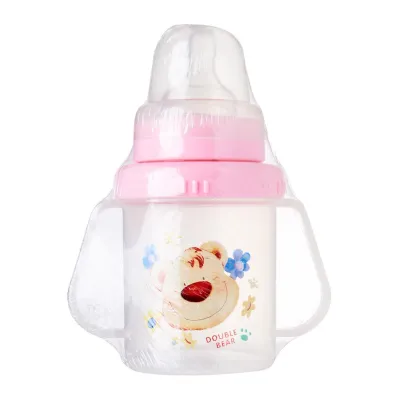
Prices are valid at publication and may change. Please refer to the product page for the latest price.
Behavioral cues also play a vital role in determining readiness for a cup transition. You may notice your child showing intense interest in family meals, reaching out to grab your own drinking cup, or attempting to mimic the drinking motions they observe adults and older siblings making. Conversely, a child who consistently pushes away their bottle or seems frustrated during bottle feedings may be signaling that they are ready for a new challenge. These behavioral signs of curiosity and independence are excellent indicators that your child is mentally prepared to explore a drinking cup.
While general developmental guidelines suggest introducing a cup around six months of age, these timelines are highly generalized. Every child’s physical growth, muscle tone, and coordination develop uniquely, meaning some may be ready slightly earlier or later than average. To ensure a safe and supportive transition, it is highly recommended to consult your pediatrician or a pediatric dentist. A professional can evaluate your child’s specific oral motor development and provide a personalized timeline, helping you choose the safest and most beneficial starting point for your weaning journey.
Sippy Cups: Easing the Initial Transition
Sippy cups have long served as a traditional bridge between bottle feeding and independent drinking, primarily because their design mimics the familiar sucking motion of a bottle. For infants who are accustomed to the soft, flexible nipple of a bottle or breast, a transitional sippy cup with a soft spout can reduce initial frustration. This familiarity helps build early confidence, allowing the child to understand that liquid can come from a different vessel without requiring them to master entirely new oral mechanics immediately.

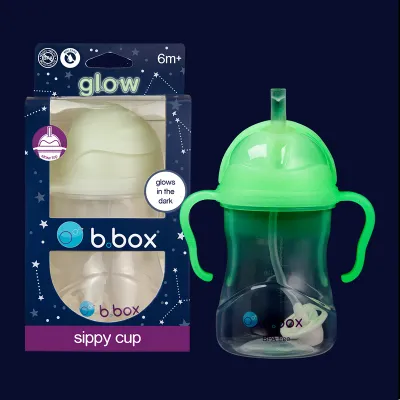
When evaluating sippy cups, caregivers should pay close attention to the spout material and the internal valve design. Soft silicone spouts are gentle on sensitive, teething gums and offer a texture similar to a bottle nipple, making them ideal for the very beginning of the transition. Hard plastic spouts are more durable and can withstand biting from emerging teeth, but they offer less flexibility. Additionally, look for cups featuring removable, one-way valves; these valves control the flow of liquid to prevent sudden rushes that can cause gagging, while also making the cup spill-resistant during active handling. However, ensure these valves can be easily detached for thorough cleaning.
Despite their convenience, traditional sippy cups have notable limitations that caregivers must monitor closely. Prolonged reliance on a spouted cup can encourage an immature sucking pattern, where the tongue rests forward under the spout, potentially delaying the development of mature swallowing patterns and speech muscles. To support healthy oral development, it is best to view the sippy cup as a temporary, short-term tool. Caregivers should actively plan to transition their child to advanced cup types, such as straw or open cups, as soon as their oral motor skills and hand coordination begin to progress.
Straw Cups: Supporting Oral Motor Development
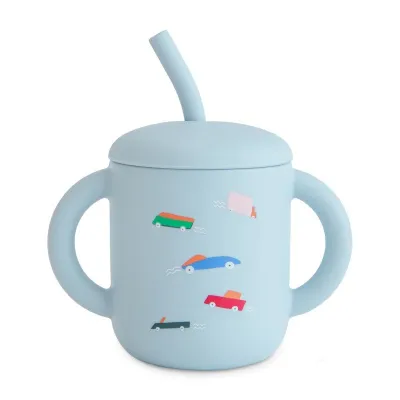
Straw cups are highly recommended by pediatric specialists because they actively support healthy oral motor development. Unlike spouted cups, drinking through a straw requires a child to perform complex muscle movements, including pursing their lips tightly around the straw, retracting their tongue, and coordinating their cheek muscles to create suction. These movements strengthen the facial muscles that are vital for speech development and promote a mature swallowing pattern. Introducing a straw cup helps your child learn to manage a continuous flow of liquid while coordinating their breathing and swallowing.
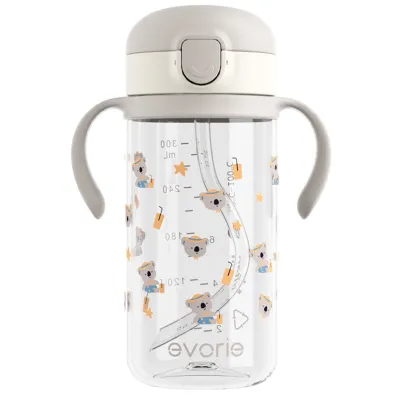
To successfully transition to a straw cup, your child must demonstrate specific readiness signals. They need to have the lip strength to seal their mouth around the straw and the cognitive understanding of suction mechanics—namely, that pulling air inward draws liquid upward. For younger toddlers who are still mastering this coordination, weighted straw cups are an excellent design choice. The weighted ball at the base of the straw ensures the tube remains submerged in the liquid even when the child tilts the cup upside down or drinks at an angle, preventing them from sucking in air.
For active children, additional design features like flip-top lids are highly beneficial for maintaining hygiene when traveling or playing outdoors. The lid folds over the straw, keeping it clean and preventing leaks in diaper bags. However, the complex design of straw cups requires diligent maintenance. The narrow tubes and internal valves can easily trap moisture and liquid residue, creating an environment ripe for mold growth, especially in warm, humid climates. Caregivers must verify that the straw mechanism is fully detachable and use specialized micro-brushes to scrub the inside of the straw after every use.
360-Degree Cups: Managing Spills During Active Learning
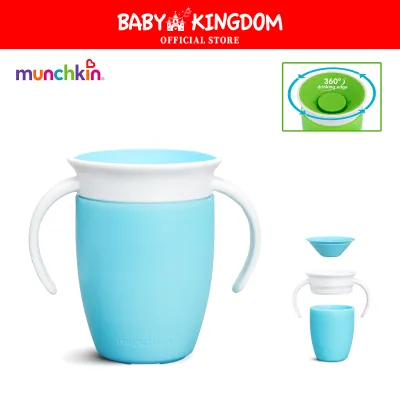
The 360-degree cup is an innovative design featuring a circular silicone valve that seals against a rigid plastic rim. This mechanism allows the child to drink from any edge of the cup, closely mimicking the physical action of drinking from a standard open cup. When the child presses their upper lip against the silicone valve and tilts the cup, the seal opens slightly to release a controlled flow of liquid. This design provides an excellent intermediate step, allowing children to practice the mechanics of rim-drinking while completely eliminating the major spills associated with open cups.
Using a 360-degree cup requires a unique set of physical skills and coordination. Your child must have the neck and arm strength to tilt the cup intentionally to a high enough angle for the liquid to reach the rim. They must also understand how to apply the correct amount of lip pressure to release the valve; too little pressure results in no liquid, while too much can sometimes frustrate a learning child. This dual action of tilting and pressing helps build jaw stability and refines the child’s spatial awareness as they learn to gauge the cup’s position relative to their mouth.
While 360-degree cups are highly effective for spill management, they do come with trade-offs that caregivers should consider. The resistance of the silicone valve can vary between brands, and some children may find it difficult or frustrating to draw liquid if the valve requires significant pressure. Furthermore, the multi-piece design demands thorough cleaning. Liquid can easily seep beneath the silicone membrane and settle in the plastic threads of the lid. To prevent bacterial buildup, caregivers must completely disassemble the valve, collar, and cup body during every wash, ensuring all parts are fully dry before reassembly.
Open Cups: Mastering Independent Drinking
Mastering the open cup is the ultimate goal of the weaning process, representing a significant milestone in your child’s physical development. Drinking from an open cup requires advanced hand-eye coordination, precise control of the arm and wrist muscles, and strong jaw stability. The child must learn to judge the distance of the cup from their mouth, tilt it gradually to control the flow of liquid, and close their lips around the rim to sip without over-pouring. This process actively engages the entire oral cavity and promotes the most natural, mature swallowing pattern.
When introducing an open cup, selecting the right design features can greatly ease the learning process and minimize frustration. Prioritize small-capacity cups, typically holding between 50ml and 100ml of liquid, which are lightweight and perfectly sized for tiny hands to grasp securely. Look for cups with a weighted, non-slip base made of silicone or rubber, which helps prevent the cup from tipping over easily when set down on a highchair tray. Dual handles or textured outer surfaces also provide a more secure grip, helping your child maintain control as they lift the cup.
It is crucial for caregivers to set realistic expectations and approach open-cup learning with patience. Spills, splashes, and wet shirts are a completely normal and necessary part of the learning process as your child refines their motor skills. To manage the mess, start by offering very small amounts of water—just a few sips at a time—during designated meal or snack times. Active caregiver supervision is essential during this stage to help guide the cup to the child’s mouth, provide gentle physical support, and offer encouragement as they build this lifelong skill.
Essential Safety and Material Checks Before You Buy
When shopping for any kids’ drinking cup, safety and hygiene must always take precedence over aesthetics and convenience. Caregivers should carefully inspect the product packaging to verify material safety labels and certifications. Ensure the cup is clearly labeled as BPA-free, phthalate-free, and made from food-grade silicone or high-quality, impact-resistant plastics. Checking for these certifications directly on the packaging helps ensure that the materials used do not leach harmful chemicals into your child’s drinks, especially when exposed to warm liquids or repeated washing.
Always consult and strictly follow the manufacturer’s guidelines regarding temperature limits and cleaning instructions. Some plastics and silicone valves are not designed to withstand high heat and can warp, degrade, or release odors if placed in a microwave, steam sterilizer, or the high-heat cycle of a dishwasher. If you plan to sanitize your child’s cups regularly, verify that the product is explicitly labeled as dishwasher-safe or sterilizer-safe. Never use a cup for liquids hotter than the manufacturer’s specified limit, as this can compromise the material integrity and pose a safety risk.
Finally, evaluate the complexity of the cup’s disassembly before making a purchase. A cup with numerous intricate parts, hidden crevices, or non-removable valves can be incredibly difficult to clean thoroughly, leading to the rapid accumulation of mold, yeast, and bacteria. Opt for designs that can be completely broken down into simple, open components that are easy to scrub and air dry. Regularly inspect all silicone seals, valves, and straws for signs of wear, tearing, or persistent discoloration, and replace these parts immediately to maintain a safe and hygienic drinking experience for your child.
Frequently Asked Questions (FAQ)
When should I completely stop using a sippy cup?
Transition timelines for phasing out sippy cups vary significantly because they depend entirely on your child’s unique oral motor development and coordination. While many pediatric health organizations suggest transitioning away from spouted cups between 12 and 18 months of age, there is no single correct date. Prolonged use of a spouted cup can impact dental alignment and the development of mature swallowing patterns. To ensure your child is progressing safely, it is highly recommended to consult your pediatrician or pediatric dentist for personalized guidance tailored to your child’s oral health and physical development.
Can I put hot liquids in a kids' straw or 360-degree cup?
No, you should never put hot liquids in a kids’ straw cup or a 360-degree cup. Sealed cups, straw mechanisms, and valve-based designs can trap steam, causing internal pressure to build up rapidly inside the vessel. This pressure can force hot liquid to spray out unexpectedly through the straw or rim when the cup is opened or used, posing a severe burn risk to your child. Additionally, high temperatures can warp silicone valves and damage plastic components. Always strictly follow the manufacturer’s temperature limits and safety warnings printed on the product packaging.

Community discussion
Share your experience or ask a question. Comments are reviewed before publication.