
Choosing the right hospital bag capacity is less about finding a single perfect volume and more about matching your bag to your expected length of stay and your hospital’s specific amenities. For most parents, a bag capacity of 30 to 45 litres—roughly the size of a generous weekender bag or a standard carry-on suitcase—provides the ideal balance. This size comfortably holds recovery wear, personal toiletries, and newborn essentials without overwhelming the limited space of a postnatal ward. By understanding your specific delivery plan and what your maternity ward already provides, you can pack efficiently and avoid the stress of hauling unnecessary luggage during active labour.
Assess Your Hospital Stay and Packing Needs
Your packing volume starts with a realistic look at how long you will actually spend in the hospital. A typical uncomplicated vaginal delivery usually requires a stay of one to two nights, which means you only need a few changes of comfortable, loose-fitting clothes and basic toiletries. If you are scheduled for a Caesarean section, your stay will likely extend to three or four nights, requiring a larger volume of recovery wear, extra nursing bras, and additional personal care items.
Before folding any clothes, check the specific packing list and amenities provided by your chosen hospital. Many maternity wards in Singapore supply basic postpartum essentials, such as mesh disposable underwear, maternity pads, basic toiletries, and even swaddles or diapers for the newborn during the stay. Verifying these details beforehand prevents you from packing bulky, redundant items that will only take up valuable space in your bag.
Products mentioned in this guide
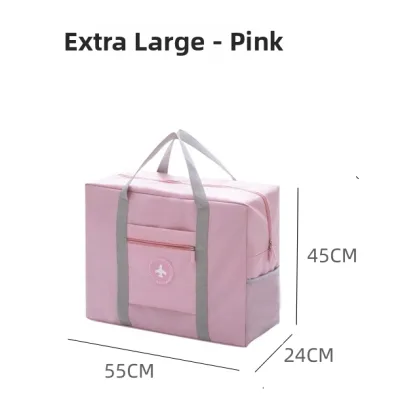
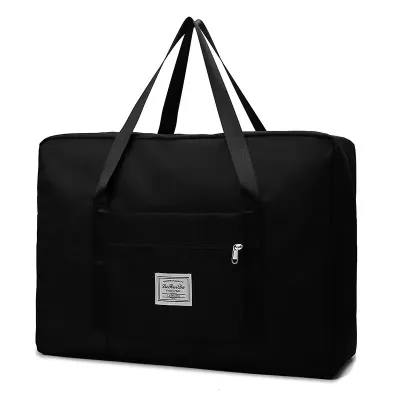


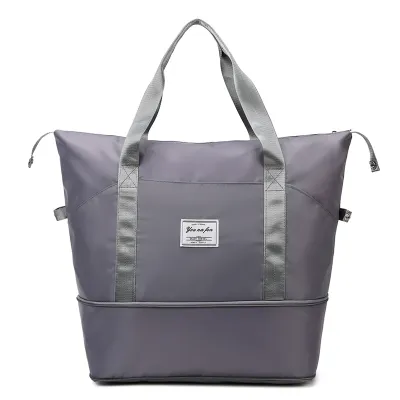

Prices are valid at publication and may change. Please refer to the product page for the latest price.
You must also factor in the needs of your birth partner if they are permitted to stay overnight in the postnatal ward. If your partner plans to sleep over, their clothing, basic toiletries, and chargers will need to be accounted for. Deciding whether to combine their essentials into your main bag or have them pack a separate, compact bag is a key step in planning your total luggage volume.
Additionally, consider the climate-controlled environment of the hospital. Postnatal wards are typically air-conditioned and can feel quite chilly, especially during overnight stays. This means you and your partner will need to pack warmer layers, such as cardigans, socks, and long pants, which naturally take up more physical volume in your bag than lightweight summer clothing. Factoring in these cozy layers is essential when estimating your total packing space.
Match Bag Capacity to Your Delivery Scenario
For short stays of one to two days, a medium weekender bag or an oversized diaper bag with a capacity of 30 to 35 litres is usually sufficient. These soft-sided bags are highly flexible, easy to squeeze into tight spaces, and typically feature wide-mouth openings that allow you to locate items quickly. Focus on packing lightweight, multi-functional clothing and travel-sized toiletries to keep the bag manageable.

For extended stays of three or more days, or if you prefer to pack your own pillows and breast pump, a large duffle bag or a compact carry-on suitcase of 40 to 50 litres is more appropriate. A structured carry-on suitcase with wheels can be particularly helpful because it reduces the physical strain on your partner or support person during admission and discharge. However, ensure the suitcase is small enough to fit comfortably within the ward’s storage areas.
Regardless of the bag size you choose, organization is what makes the capacity functional. Utilizing packing cubes or a bag-in-bag system allows you to separate items into distinct categories, such as maternal recovery wear, newborn outfits, and electronics. This prevents your bag from becoming a chaotic jumble, ensuring that your partner or a nurse can easily find a specific item for you during active labour or recovery without emptying the entire contents.
When selecting a bag, pay attention to the material. Water-resistant fabrics like nylon or treated canvas are highly practical for hospital environments, as they are easy to wipe down and sanitize after you return home. Avoid delicate materials that stain easily or cannot be cleaned quickly, as the hospital environment involves various liquids and frequent handling.
Practical Checks Before You Pack
Before finalizing your bag choice, consider the physical environment of the hospital ward. Postnatal rooms, especially shared wards, often have limited storage space, such as a small bedside locker or a narrow closet. A massive, rigid suitcase may not fit in these designated spaces, forcing you to leave it on the floor where it becomes a tripping hazard for you and the medical staff.
You should also evaluate the fully packed weight of your bag. While you might not be the one carrying it, your partner or support person will be managing the bag alongside paperwork, admission processes, and supporting you during mobility. A bag that is too heavy or awkward to carry comfortably over long hospital corridors can add unnecessary physical stress to an already intense day.
Finally, check the specific policies of your hospital regarding luggage. Some wards have strict guidelines on the number of bags allowed per patient in the delivery suite versus the postnatal ward. Knowing these rules in advance helps you consolidate your items into a single primary bag and perhaps a small, separate personal pouch for high-priority items like identity documents, birth plans, and phones.
Consider how the bag opens and sits on a surface. A bag that can sit upright on a chair or locker and has a wide, zippered top opening is much easier to use in a confined space than a deep, narrow duffel that collapses on itself. This small design detail can make a significant difference when you are resting and need to direct someone else to grab an item for you.
Common Hospital Bag Sizing Mistakes to Avoid
One of the most frequent mistakes expectant parents make is bringing oversized, hard-shell suitcases to the hospital. While these suitcases offer excellent protection, they require a large footprint to open fully, which is highly impractical in a compact hospital room. Soft-sided bags or compact wheeled bags that can be opened partially or accessed from the top are far more practical for ward environments.
Another common oversight is failing to leave empty space in your bag for the return journey. When leaving the hospital, you will likely be carrying home hospital-issued baby care samples, leftover maternity supplies, and perhaps gifts or flowers from well-wishers. If your bag is packed to maximum capacity on the way in, you will find yourself struggling with multiple loose plastic bags and extra packages during discharge.
Lastly, avoid relying on a single, deep, unstructured duffel bag without any internal dividers or pouches. During active labour or the immediate postpartum hours, you will not want to dig through layers of clothing to find a lip balm, a hair tie, or your charging cable. If your chosen bag lacks built-in pockets, always use smaller pouches or clear zip bags to keep essential items visible and easily accessible.
Timing your packing is also crucial. Packing too late can lead to a rushed, disorganized bag that is either overstuffed or missing key items. Conversely, packing weeks in advance with items you still use daily can lead to constant unpacking and repacking, which disrupts your organization. Aim to have your bag fully prepped and placed by the door or in your car around the 36th week of pregnancy.
Frequently Asked Questions (FAQ)
Can I use my everyday diaper bag as a hospital bag?
While a standard diaper bag is excellent for organizing baby essentials with its dedicated pockets, it rarely has enough capacity to serve as your primary hospital bag. Most diaper bags range from 15 to 25 litres, which is too small to accommodate your own recovery clothing, toiletries, postpartum care items, and partner essentials. A more practical approach is to use your diaper bag specifically for the baby’s going-home items and pack a separate weekender bag or small suitcase for yourself.
Do I need a separate bag for my birth partner?
It is highly recommended for your birth partner to pack a separate, compact backpack or small duffel bag for their own belongings. Combining your partner’s clothes, snacks, toiletries, and heavy electronics into your main hospital bag can make it bulky and difficult to organize. A dedicated partner bag ensures they can access their snacks, change of clothes, and phone chargers easily without disrupting your carefully organized recovery and labour essentials.

Community discussion
Share your experience or ask a question. Comments are reviewed before publication.