
Navigating Singapore with an infant or toddler requires a careful balance of preparation and agility. Whether you are planning a morning picnic at the Singapore Botanic Gardens, meeting friends at a bustling downtown mall, or visiting relatives over the weekend, having a clean, dedicated space for your baby to play, rest, or practice tummy time is essential. A high-quality foldable mat serves as a portable sanctuary, protecting your little one from hot pavement, damp grass, and heavily trafficked public floors.
Choosing the right foldable mat involves more than simply picking an appealing design. Parents must evaluate how a mat fits into their daily transit routines, how easily it can be sanitized on the go, and whether its materials can withstand the tropical humidity of Singapore. By understanding the specific physical dimensions, material safety standards, and practical maintenance steps, you can select a portable play space that keeps your baby comfortable and secure during any outing.
Assessing Your Primary Outing Scenarios
To find the most practical foldable mat, start by identifying where you spend most of your time away from home. Outdoor environments like East Coast Park or the lawns of Marina Barrage present unique challenges compared to indoor spaces. Outdoor ground is often uneven, potentially damp from morning dew or sudden tropical showers, and exposed to direct sunlight. If these natural settings are your primary destinations, you will need a mat with a robust, moisture-resistant underside and sufficient weight to prevent wind from lifting the edges.
Products mentioned in this guide
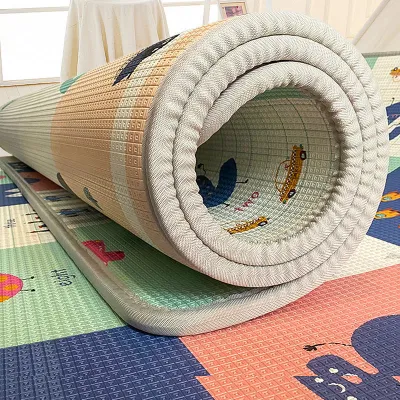
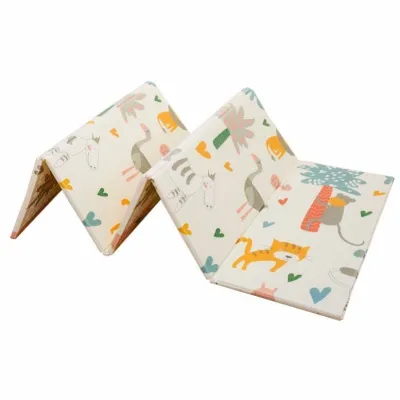
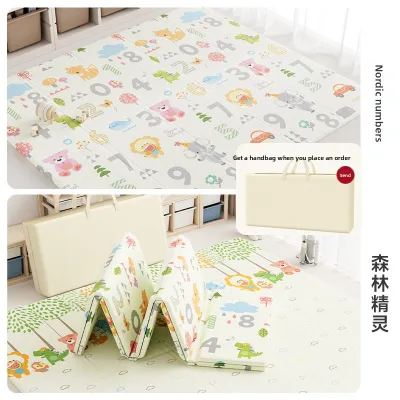
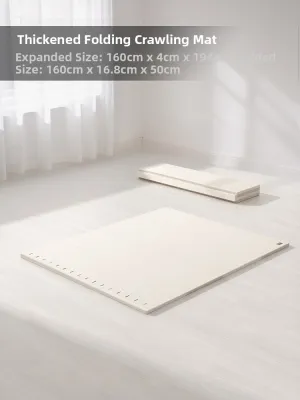
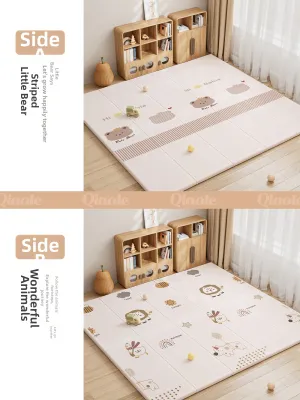
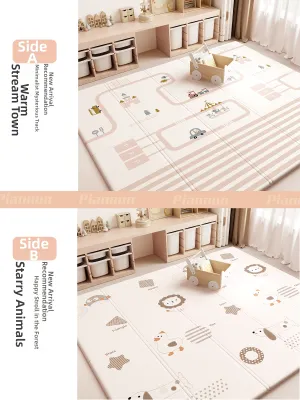
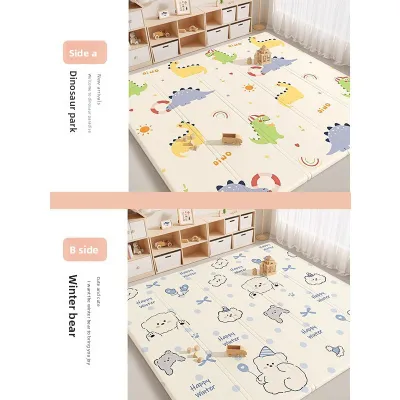
Prices are valid at publication and may change. Please refer to the product page for the latest price.
Conversely, indoor outings such as mall visits, playgroup sessions, or dining out require a different set of features. Polished tiled floors in air-conditioned shopping centers can be cold and unforgiving to a baby learning to sit or crawl. For these settings, your priority shifts toward a mat that offers excellent thermal insulation and impact absorption, while remaining compact enough to unfold in tight spaces like nursing rooms, cafe corners, or airport lounges.
Your baby’s current developmental stage also dictates the size and thickness of the mat you require. A newborn practicing tummy time needs a highly hygienic, soft surface but does not require a massive footprint. Once your baby begins crawling or pulling up to stand, a larger surface area becomes necessary to keep them from wandering onto public floors. For toddlers, the mat often transitions into a designated spot for snack breaks or quiet book reading, requiring high durability against active footwear and spilled drinks.
Finally, consider your primary mode of transport when evaluating portability. Parents who rely on public transport, such as the MRT or local buses, must prioritize ultra-lightweight designs that fold down into a compact shoulder bag or fit easily inside a standard backpack. If you primarily travel by car or use a large stroller with a spacious under-seat basket, you can afford to choose a slightly bulkier, thicker folding foam mat that offers superior cushioning at the expense of absolute compactness.
Key Dimensions for Evaluating Foldable Mats
When comparing different foldable mats, portability is often the deciding factor for busy parents. Always check the folded dimensions provided by the manufacturer rather than relying solely on product photos. A mat that folds flat into a neat, rectangular shape is generally much easier to pack alongside diaper bags and strollers than one that rolls up into a bulky cylinder. Look for integrated carrying handles, dedicated travel straps, or included storage bags that protect the clean surface of the mat from dirt during transit.

Cushioning and thickness are critical for protecting your child from impacts, especially during the clumsy stages of learning to sit, crawl, and stand. Portable mats typically range from ultra-thin fabric blankets to thick, multi-paneled foam playmats. While a thin fabric mat is incredibly easy to pack, it offers minimal protection on hard concrete or tiled floors. For optimal comfort on hard surfaces, look for folding foam mats with a thickness of at least one to two centimeters, ensuring you verify the manufacturer’s guidelines regarding age suitability and impact protection.
Surface texture plays a dual role in safety and comfort. The top layer of the mat should offer enough texture, such as a subtle embossed pattern, to provide traction for your baby’s hands and feet as they move. Without this grip, babies can easily slip, hindering their motor development. Equally important is the slip resistance of the bottom layer; the mat must grip the ground securely to prevent it from sliding out from under your child when placed on smooth wooden decks, laminate flooring, or polished mall tiles.
Material, Safety, and Label Verification
In Singapore’s warm and humid climate, hygiene is a top priority for parents. A truly practical foldable mat must feature a waterproof or highly water-resistant surface that prevents liquids from soaking into the core. Materials like high-quality polyurethane (PU) or thermoplastic polyurethane (TPU) are excellent choices because they allow spills, sweat, and spit-up to sit on the surface where they can be wiped away instantly, preventing the growth of bacteria and deep-seated odors.
Before making a purchase, carefully inspect the product labels and manufacturer specifications for material safety. Because babies spend significant time in direct skin contact with the mat—and frequently press their faces against it—the materials must be entirely non-toxic. Verify that the product is explicitly labeled as free from harmful chemicals, including bisphenol A (BPA), phthalates, lead, formaldehyde, and heavy metals. Be cautious of generic claims and look for specific material compositions detailed by the brand.
Safety certifications provide an extra layer of reassurance, but they must be verified actively. Look for recognized international standards such as the European Toy Safety Standard (EN71), the American Society for Testing and Materials (ASTM) standards, or the Korean Certification (KC) mark. Rather than taking retail listings at face value, cross-reference these claims by visiting the manufacturer’s official website or requesting copy documentation of their safety testing reports to ensure the certifications are current and legitimate.
On-the-Go Cleaning and Maintenance
Keeping your foldable mat clean during an outing requires a simple, consistent routine. Immediately after a spill, diaper leak, or snack mishap, use alcohol-free baby wipes or a clean cloth dampened with mild, baby-safe soapy water to clean the affected area. Avoid using harsh chemical disinfectants, bleach, or abrasive scrubbing brushes unless specifically recommended by the manufacturer, as these can degrade the waterproof protective coatings and fade the mat’s design over time.
Proper drying is the most critical step in preventing mold and mildew, which thrive in Singapore’s humid environment. Before folding the mat and sealing it inside a carrying bag, ensure the surface is completely dry to the touch. If you must pack up the mat quickly while it is still damp due to a sudden rain shower or rushed schedule, make a firm note to unfold it as soon as you return home, allowing it to air-dry completely in a well-ventilated indoor space away from direct, intense sunlight.
Regularly inspect your foldable mat for signs of wear and tear to ensure it remains safe for your child. Check the seams, folding joints, and edges for any peeling, cracking, or loose threads. Over time, friction and folding can cause materials to degrade, and exposed inner foam can become a choking hazard if a teething baby manages to bite off a piece. If you notice any significant structural damage, peeling laminate, or exposed padding, stop using the mat immediately and replace it.
Building Your Final Shortlist
To make a confident final decision, synthesize your research into a practical checklist tailored to your family’s lifestyle. Start by mapping your non-negotiable features against your primary outing scenario. For instance, if your weekends are dominated by outdoor park visits, prioritize a mat with a heavy-duty, waterproof base and a larger footprint. If your routine consists of quick trips to air-conditioned malls via public transport, focus your search on ultra-lightweight, highly compact folding designs that slip easily into a tote bag.
Establish a realistic budget for your purchase, keeping in mind that high-quality, certified non-toxic materials generally range from S$40 to S$120 depending on the size and thickness. While it can be tempting to opt for the cheapest available option on online marketplaces, investing in a reputable brand often ensures better durability, safer materials, and reliable customer support. Compare the warranty periods and return policies offered by different retailers to protect yourself against manufacturing defects or shipping damage.
Before finalizing your purchase, conduct a thorough check of recent user feedback on local parenting forums and ecommerce platforms. Look specifically for reviews from parents living in tropical climates, as they can provide valuable insights into how the mat performs regarding heat retention, ease of folding in real-world scenarios, and long-term durability after repeated washing. This practical feedback will help you select a foldable mat that truly supports your active lifestyle and keeps your baby comfortable on every outing.
Frequently Asked Questions (FAQ)
Can I use a foldable baby mat on grass or uneven surfaces?
Yes, you can use a foldable baby mat on grass and uneven surfaces, provided you take a few safety precautions first. Always clear the designated area of any sharp twigs, stones, pinecones, or hidden insects that could puncture the mat or injure your baby. Ensure the mat you are using has a waterproof or water-resistant backing to block ground moisture from seeping through to the top layer. Because uneven terrain can affect your baby’s balance, closely supervise them at all times, especially if they are practicing sitting up or crawling, to prevent accidental rolls or falls.
How do I store a foldable mat to prevent creases or damage?
To maintain the structural integrity of your foldable mat, always fold it along the manufacturer’s pre-designated crease lines rather than forcing it into unnatural shapes. Avoid placing heavy items, such as loaded diaper bags, strollers, or household luggage, on top of the folded mat during storage, as this can compress the foam permanently and cause deep creases or tears. Store the mat in a cool, dry place away from direct tropical sunlight, which can warp the materials, fade the patterns, and weaken the protective waterproof coatings over time.

Community discussion
Share your experience or ask a question. Comments are reviewed before publication.