
For parents in Singapore, managing outings with an infant requires careful planning and the right gear. Whether you are heading to the Singapore Botanic Gardens for a weekend picnic, visiting grandparents in a compact flat, or traveling abroad, a reliable baby foldable mat is an indispensable companion. It provides a clean, cushioned, and familiar space for your little one to play, practice tummy time, or rest. However, with countless brands and designs filling the shelves of local baby boutiques and online marketplaces, finding the perfect balance of portability, safety, and ease of cleaning can feel overwhelming.
The ideal travel mat must adapt to various environments while remaining easy to transport. In Singapore’s warm and highly humid climate, material selection becomes even more critical to prevent issues like mold growth and chemical off-gassing. Rather than relying on generic marketing claims or choosing a brand based solely on aesthetics, parents need a structured framework to evaluate their options. By understanding the key differences in materials, folding mechanisms, and safety certifications, you can confidently build a shortlist of high-quality mats that suit your family’s active lifestyle.
Key Criteria for Selecting a Travel-Friendly Baby Mat
When evaluating different brands of foldable baby mats, the first step is to establish your primary use cases. A mat designed primarily for indoor visits to relatives may have different requirements than one intended for outdoor use on grass or sand. To narrow down your choices, you must carefully balance the unfolded surface area with the folded footprint. The mat should offer ample space for your baby to roll and crawl safely, yet fold down compactly enough to fit into a stroller basket, car boot, or carry-on luggage. For families living in compact apartments, a mat that folds flat and can be easily slid under a sofa or tucked into a wardrobe is highly desirable.
Products mentioned in this guide
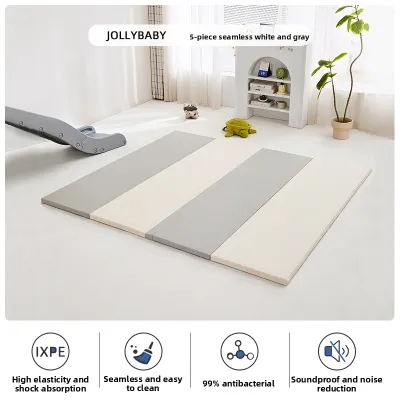
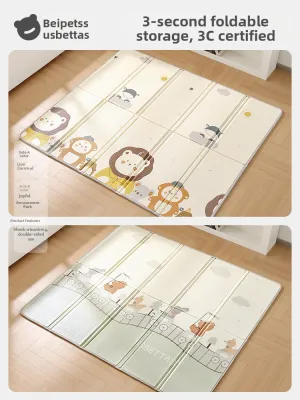
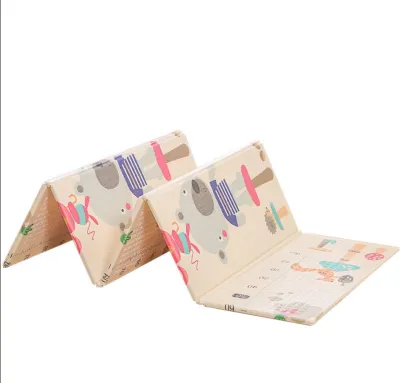
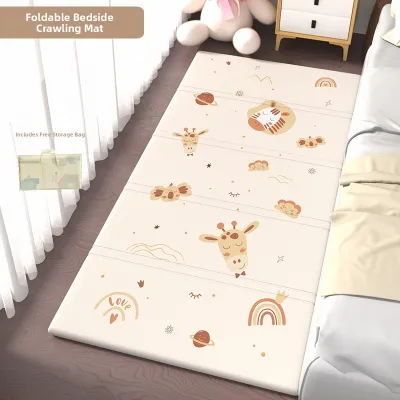
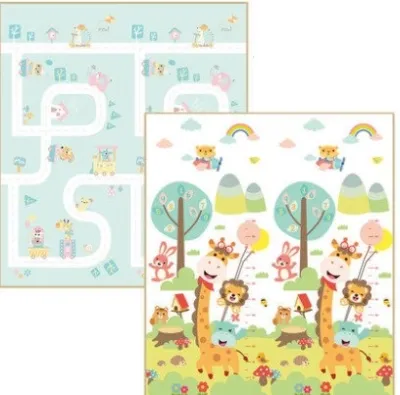
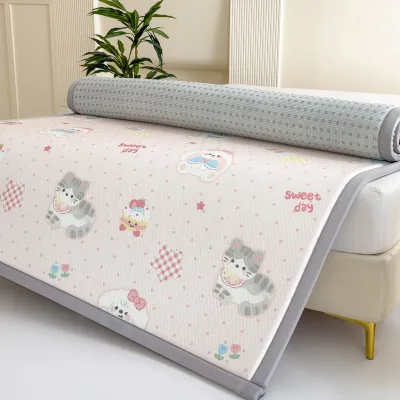
Prices are valid at publication and may change. Please refer to the product page for the latest price.
Thickness and cushioning are equally important factors that depend heavily on your baby’s developmental stage. Newborns and younger infants who are just beginning to lift their heads require a firmer, flatter surface to support their developing muscles and prevent suffocation risks. As babies transition to sitting, crawling, and standing, they benefit from thicker cushioning—typically between 1 cm and 4 cm—to absorb the impact of accidental tumbles on hard tiled or vinyl floors. However, parents must keep in mind that thicker mats generally result in a bulkier folded size, which can make transit more challenging during solo outings.
Environmental versatility is another crucial consideration for on-the-go families. If you plan to use the mat outdoors at East Coast Park or Sentosa, the bottom layer must be durable enough to withstand rough surfaces like grass, twigs, and sand without puncturing. It should also feature a reliable non-slip backing to prevent the mat from sliding when placed on smooth indoor floors. While budget-friendly options may cost around S$30, premium mats with advanced safety certifications and durable outdoor backings can range from S$80 to over S$150. By assessing where and how you will use the mat most frequently, you can determine the optimal balance of size, thickness, and durability for your specific budget and needs.
Material Safety and Hygiene Verification
Because infants have delicate skin and frequently explore their environment by putting their mouths on surfaces, material safety is the most critical aspect of choosing a baby foldable mat. When browsing different brands, parents should look for clear, verifiable safety certifications on the product packaging or manufacturer’s website. Recognized international standards include the European Toy Safety Standard (EN71), the American Society for Testing and Materials (ASTM), and the Korea Certification (KC) mark. These labels indicate that the mat has undergone rigorous testing to ensure it is free from harmful chemicals such as phthalates, heavy metals, lead, and formamide.

The type of material used in the mat’s construction directly impacts both safety and comfort. Cross-linked polyethylene (XPE) is a highly popular choice among premium brands because it is lightweight, odorless, and provides excellent shock absorption. Another excellent option is thermoplastic polyurethane (TPU), which is known for its durability, eco-friendly properties, and lack of chemical off-gassing. Parents should avoid mats made from low-grade polyvinyl chloride (PVC) or cheap polyurethane foams that emit strong, persistent chemical odors, as these can irritate a baby’s sensitive respiratory system.
Hygiene maintenance is another vital factor, particularly in Singapore’s humid climate, which promotes the rapid growth of mold, mildew, and bacteria. A travel-friendly mat must feature a completely waterproof or highly water-resistant surface that prevents liquids—such as spilled milk, drool, or diaper leaks—from soaking into the inner foam core. The surface texture should be smooth enough to be wiped clean easily with a damp cloth and mild, baby-safe detergent, yet textured enough to prevent the baby from slipping. Always review the manufacturer’s cleaning instructions carefully; while some fabric-based travel mats are machine washable, foam mats must never be submerged in water or exposed to harsh chemical cleaners that could degrade the protective outer layer. After cleaning, ensure the mat is completely dry in a well-ventilated area before folding it for storage to prevent musty odors.
Evaluating Portability and Storage Mechanisms
The practical carrying experience of a foldable baby mat can make or break its utility for busy parents. When comparing different brands, pay close attention to the folding style and how it affects setup speed. Accordion-style mats, which fold along pre-creased lines, are generally the most convenient for travel. They can be unfolded and folded back up in a matter of seconds, and they tend to lay completely flat immediately upon opening. In contrast, roll-up mats often retain curled edges that can create a tripping hazard for young children, and they can be more cumbersome to secure with straps while holding a baby.
Carrying accessories are essential for maintaining hands-free mobility during outings. Look for mats that feature integrated carrying handles, adjustable shoulder straps, or a dedicated travel bag. A high-quality storage bag not only makes transportation easier but also protects the mat from dirt, dust, and moisture during transit. The bag should ideally be constructed from durable, breathable fabric or mesh to allow any residual moisture to escape, reducing the risk of mold growth.
Additionally, parents must evaluate the safety of the folding mechanism itself. If the mat utilizes a folding frame or mechanical joints, inspect the design to ensure there are no pinch points or sharp edges that could injure small fingers. The folding process should be smooth and intuitive, requiring minimal effort. For foam-only mats, ensure that the crease lines are securely sealed and do not show signs of fraying or splitting after repeated folding, as exposed inner foam can become a choking hazard if a baby manages to bite or tear off a piece.
Building Your Shortlist: Pre-Purchase Checks
Before making a final decision on a foldable baby mat, it is wise to conduct a thorough pre-purchase check to ensure the product aligns with your family’s daily routine. Start by cross-referencing the manufacturer’s specifications with your baby’s current age, weight, and developmental milestones. Some lightweight travel mats are designed specifically for younger infants who are stationary, while sturdier, heavier mats are better suited for active toddlers who need a stable base for crawling and jumping. Choosing a mat that matches your child’s developmental stage ensures both safety and longevity of use.
Analyzing user reviews on e-commerce platforms and parenting forums can provide invaluable insights into the real-world performance of different brands. Look for recurring feedback regarding the durability of the mat’s outer skin, especially if you plan to use it outdoors. Pay close attention to comments about how easily the mat cleans, whether it retains persistent creases that affect its flatness, and if there are any complaints about chemical smells that do not dissipate after airing out. Real-world experiences from other parents can help you avoid products that look appealing online but fail to perform under daily wear and tear.
Finally, verify the retailer’s return policies, warranty terms, and the availability of replacement parts. A reputable brand or distributor in Singapore should offer a clear warranty against manufacturing defects, such as premature peeling of the outer layer or splitting seams. It is also beneficial to check if the manufacturer sells replacement covers or carrying bags separately. Because travel gear is subjected to frequent packing, unpacking, and outdoor elements, having the option to replace a worn-out cover or bag can significantly extend the lifespan of your investment, saving you money in the long run.
Frequently Asked Questions (FAQ)
Can a foldable baby mat be used for tummy time?
Yes, a foldable baby mat can be an excellent surface for tummy time, provided it meets specific safety criteria. The mat must be firm enough to support your baby’s chest and arms without allowing their face to sink into the material, which is a critical safety consideration to prevent suffocation. Avoid using overly plush or soft fabric mats for this activity. Always place the mat on a flat, level floor rather than a soft surface like a bed or sofa. Most importantly, never leave your baby unattended during tummy time; close caregiver supervision is essential to ensure their safety. If you notice your baby becoming fatigued or if they are unable to lift their head, gently roll them onto their back or pick them up, and consult a pediatrician if you have concerns about their physical development.
How do I remove creases from a newly unpacked foldable mat?
When you first unpack a new foldable baby mat, it is common to find stubborn crease lines or curled edges caused by tight packaging during shipping. To safely flatten the mat, lay it completely flat in a warm, well-ventilated room for 24 to 48 hours, allowing the inner foam core to naturally expand and recover its original shape. Avoid using high-heat sources such as hair dryers, irons, or direct, intense sunlight to speed up the process, as extreme heat can permanently damage or melt the protective outer waterproof layer and degrade the foam inside. For particularly stubborn creases, you can gently roll the mat in the opposite direction of the fold or place heavy, flat objects—such as large books—on the affected areas for a few hours. Always refer to the manufacturer’s care instructions, as some materials may have specific guidelines for restoring a smooth surface.

Community discussion
Share your experience or ask a question. Comments are reviewed before publication.