
Choosing the right reusable swim diaper is one of the most practical decisions you can make as an eco-conscious parent in Singapore. With our year-round tropical climate, swimming is not just a seasonal pastime but a weekly ritual for many families. Whether you are splashing in a private condominium pool, visiting an ActiveSG public swimming complex, or attending infant swim classes, a reliable swim diaper is essential. Unlike regular diapers, swim diapers are designed specifically for the water, focusing entirely on containing solid waste while letting water flow through freely. By opting for a reusable alternative, you can significantly reduce your household’s environmental footprint while keeping your baby comfortable and secure during water play.
Why Choose a Reusable Swim Diaper?
The environmental impact of single-use baby products is a growing concern for modern parents. Disposable swim diapers are primarily made of synthetic plastics, paper pulp, and chemical adhesives that do not break down easily. When you consider how quickly a baby outgrows sizes, the volume of single-use diapers sent to Singapore’s landfills accumulates rapidly. Switching to a reusable swim diaper helps divert non-biodegradable plastic waste from our limited landfill space, making it a highly sustainable choice for eco-conscious households.
Beyond the clear ecological benefits, reusable options offer substantial long-term cost savings. While a reusable swim diaper requires a slightly higher upfront investment than a single pack of disposables, it can be washed and reused dozens of times. If your family swims regularly, the cost of purchasing packs of disposable swim diapers quickly surpasses the price of one or two high-quality reusable covers. Furthermore, many adjustable models are designed to grow with your baby, lasting through multiple developmental stages or even saved for a younger sibling.
Products mentioned in this guide
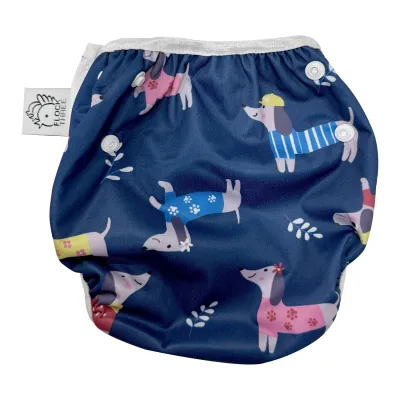
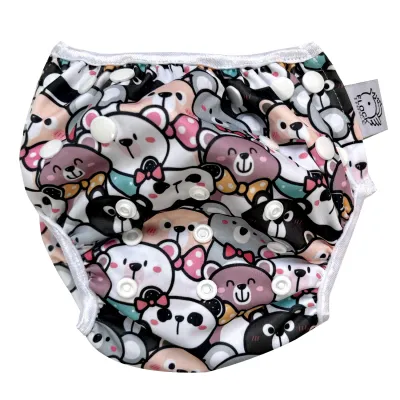
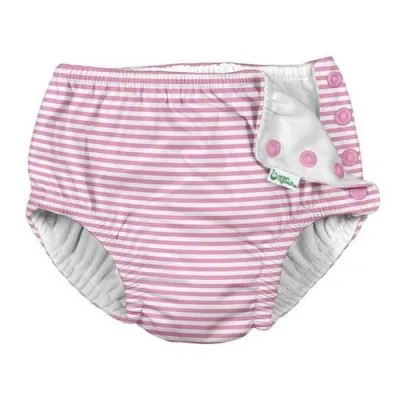
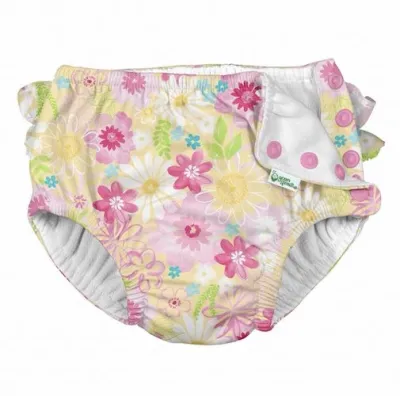
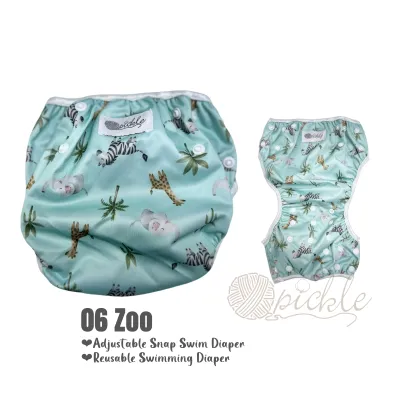
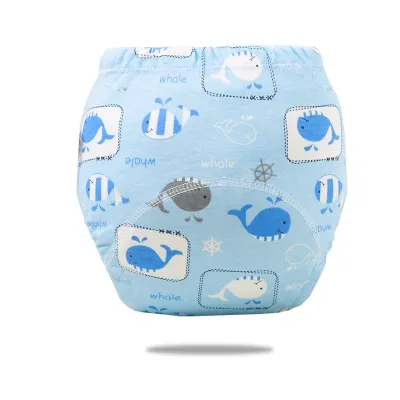
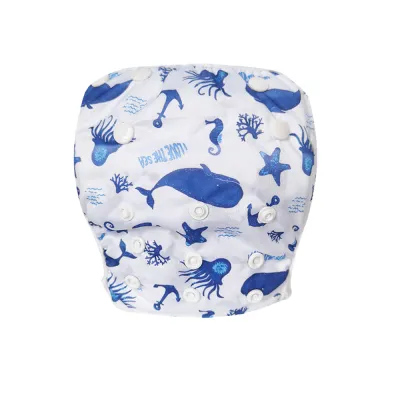
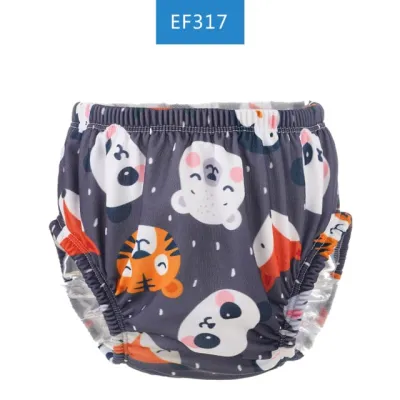
Prices are valid at publication and may change. Please refer to the product page for the latest price.
Comfort is another critical factor where reusable fabrics outshine their disposable counterparts. Disposable swim diapers often feature stiff, paper-like waistbands and plastic barriers that can rub against a baby’s delicate skin, especially when wet. Reusable swim diapers are constructed from soft, flexible fabrics that stretch naturally with your baby’s movements. This reduces the risk of painful chafing around the thighs and waist, allowing your little one to kick, splash, and float without restriction or skin irritation in our humid tropical weather.
Key Features to Look for in Eco-Friendly Options
To make an informed purchase, it helps to understand the structural components that make a reusable swim diaper both functional and environmentally responsible. The outer shell is your first line of defense. Look for shells made from recycled polyester (often derived from post-consumer plastic bottles, labeled as rPET) or high-quality polyurethane laminate (PUL). These materials provide a breathable yet water-resistant barrier that keeps the diaper lightweight while preventing solids from escaping into the pool.

The inner lining is equally important for comfort and containment. A well-designed swim diaper features a soft interior mesh or a smooth polyester lining. This lining is engineered to catch and hold solid waste securely against the baby’s body. Crucially, it must allow pool water to pass through freely. If the inner lining trapped water, the diaper would quickly waterlog, ballooning in size and pulling your baby downward, which poses a serious safety hazard in the water.
This water-passing design highlights the fundamental difference between swim diapers and regular diapers: the complete absence of superabsorbent polymers (SAP). Regular cloth or disposable diapers rely on SAP or thick absorbent cores to soak up liquid waste. In a swimming pool, these materials immediately saturate with pool water, making the diaper incredibly heavy, saggy, and ineffective. A proper reusable swim diaper contains no absorbent padding, ensuring your baby remains buoyant and agile throughout their swim session.
How to Verify Eco-Friendly and Safety Claims
As eco-friendly products grow in popularity, parents must learn to distinguish genuine sustainability from superficial marketing claims. One of the most reliable ways to verify the safety and environmental credentials of a swim diaper is by looking for recognized textile certifications. The Oeko-Tex Standard 100 certification is a crucial benchmark, ensuring that every component of the diaper—from the fabric to the snaps and threads—has been rigorously tested for harmful substances and is safe for sensitive infant skin.
For organic material claims, look for the Global Organic Textile Standard (GOTS) label. This certification guarantees that any organic cotton or natural fibers used in the diaper’s lining or trim were harvested and processed under strict environmental and social criteria. When browsing online marketplaces or local baby boutiques, check the product packaging and the manufacturer’s official website for these specific certification numbers rather than relying on vague terms like ‘natural’ or ‘green.’
Brand transparency is another strong indicator of a truly eco-conscious manufacturer. Reputable brands openly share details about their supply chain, manufacturing locations, and packaging choices. Look for companies that package their products in plastic-free, compostable, or recycled paper materials. A brand that prioritizes sustainability will readily provide clear material breakdowns, such as specifying the exact percentage of recycled polyester used in their fabrics, allowing you to make a well-informed, responsible purchase.
Sizing, Fit, and Comfort for Active Swimmers
Achieving a secure fit is the single most important factor in preventing pool accidents. Unlike regular diapers where a slightly loose fit might only cause minor dampness, a loose swim diaper can lead to immediate solid waste leakage into public or shared pool water. To find the perfect fit, do not rely solely on your baby’s weight or age range. Instead, use a soft measuring tape to measure the circumference of your baby’s waist and the thickest part of their thighs.
The elastic bands around the legs and waist must create a snug, continuous seal against the skin without digging in. High-quality elastics should feel firm yet gentle. If you notice deep red marks on your baby’s skin after a short try-on session, the diaper is too tight and may cause chafing during active kicking. Conversely, if you can easily slip more than one finger under the leg band, the fit is too loose, and solid waste could escape.
To accommodate rapid infant growth, consider the diaper’s adjustability features. Many reusable swim diapers utilize a system of durable plastic snaps along the front and sides, allowing you to customize both the waist rise and leg openings as your baby grows. Other designs feature adjustable drawstrings or hook-and-loop fasteners. Snap-adjustable models are highly favored for their durability, as they do not lose their grip over time in chlorinated or salty water, ensuring a reliable fit across multiple swim seasons.
Care and Maintenance to Extend Lifespan
Proper care is essential to maintain the structural integrity, elasticity, and hygiene of your reusable swim diapers over time. Immediately after leaving the pool, take your baby to the shower area to rinse the diaper. If an accident has occurred, plop any solid waste directly into the toilet and rinse the diaper thoroughly under running water. Rinsing away chlorine, salt, and sunscreen immediately prevents these substances from degrading the waterproof PUL coating and weakening the elastic fibers.
When it comes to washing, always refer to the manufacturer’s specific care label. Generally, reusable swim diapers should be washed in cold or warm water using a gentle, residue-free detergent. Avoid using fabric softeners, bleach, or strong stain removers, as these chemicals can clog the fabric pores, strip away the water-resistant laminate, and irritate your baby’s skin during their next swim. Washing the diaper inside a mesh laundry bag can also protect the snaps and delicate outer fabrics from snagging on other garments.
Drying your swim diapers correctly is just as vital as washing them. Air-drying is the safest and most eco-friendly method to preserve the diaper’s lifespan. Hang the diaper to dry in a well-ventilated indoor area or in partial shade outdoors. Avoid exposing the waterproof PUL layer to direct, intense tropical sunlight for extended periods, and never use a high-heat tumble dryer. Excessive heat can melt the laminate backing and cause the elastics to stretch out permanently, rendering the diaper unusable.
Building Your Shortlist: A Pre-Purchase Checklist
Before finalizing your purchase on an ecommerce platform or at a local baby boutique, use this practical checklist to evaluate your options:
- Material Integrity: Is the outer shell made of certified recycled polyester (rPET) or durable PUL? Is the inner lining a lightweight, non-absorbent mesh?
- Safety Certifications: Does the product carry a verified Oeko-Tex Standard 100 or GOTS certification to ensure it is free from harmful chemicals?
- Fit and Adjustability: Does the diaper feature adjustable snaps or drawstrings to accommodate your baby's growth? Are the leg elastics snug yet gentle?
- Care Requirements: Are the washing and drying instructions compatible with your household routine? Can the diaper be easily hand-washed or machine-washed?
- Brand Transparency: Does the manufacturer provide clear information regarding their supply chain, material sourcing, and eco-friendly packaging?
Frequently Asked Questions (FAQ)
Do local public pools require a specific type of swim diaper?
Yes, public swimming complexes, such as those managed by ActiveSG, as well as private condominium and hotel pools, strictly require babies to wear appropriate swim diapers to maintain water hygiene. While high-quality reusable swim diapers are widely accepted, some private swim schools or specialized infant aquatic centers may enforce a ‘double diaper’ policy. This policy requires babies to wear a reusable swim diaper over a disposable one, or a snug-fitting neoprene swim cover over a standard swim diaper, to provide an extra layer of protection against leaks. Always check the specific rules of your chosen swimming facility or swim school before your first session.
Can a reusable swim diaper be used as a regular cloth diaper?
No, a reusable swim diaper cannot be used as a regular cloth diaper for everyday wear. Swim diapers are specifically designed without absorbent materials so they do not waterlog and become heavy in the pool. Because they lack an absorbent core, any urine will pass straight through the fabric. You should only dress your baby in their swim diaper immediately before entering the water, and change them back into a regular, absorbent cloth or disposable diaper as soon as their swim session is over to prevent leaks on land.

Community discussion
Share your experience or ask a question. Comments are reviewed before publication.