
Choosing the right reusable swim diaper in Singapore involves balancing reliable containment, material safety, and environmental impact. While many brands claim to offer eco-friendly options, finding the most suitable fit for your baby requires looking closely at fabric compositions, local availability, and certified manufacturing standards. By shifting away from single-use options, parents can significantly reduce plastic waste while keeping pool sessions safe and compliant with local swim school guidelines.
In Singapore’s warm, tropical climate, swimming is a year-round activity enjoyed in condominium pools, public ActiveSG facilities, and private swim schools. This frequent water exposure means that choosing sustainable baby gear can have a substantial cumulative effect on your household’s environmental footprint. Navigating the market requires understanding what makes a swim diaper truly eco-friendly and how to select a design that prevents embarrassing pool accidents.
This guide provides a comprehensive framework to help you evaluate reusable swim diapers available in Singapore. You will learn how these garments function, which material features matter most for comfort and performance, how to verify environmental certifications, and how to care for them to maximize their lifespan. With the right selection strategy, you can confidently support your baby’s swimming journey while upholding your family’s commitment to sustainability.
Products mentioned in this guide
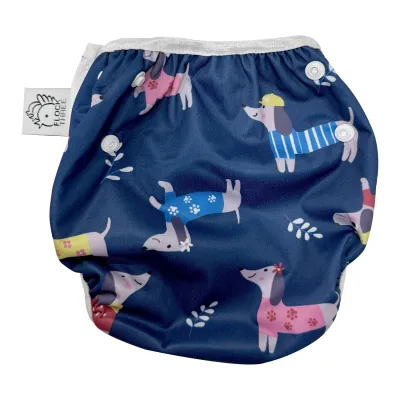
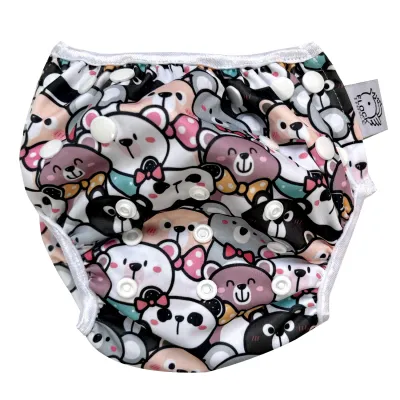
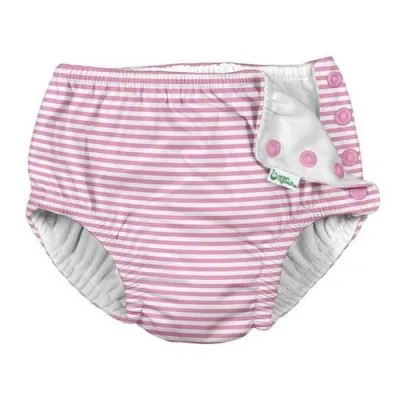
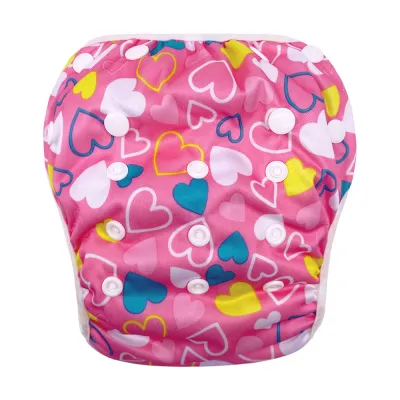
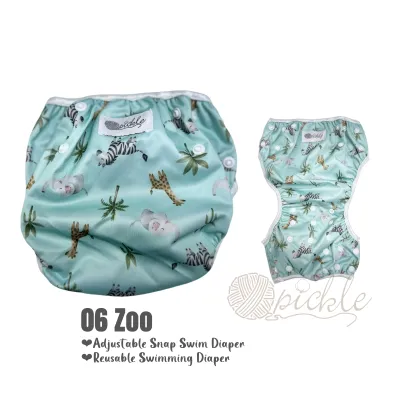
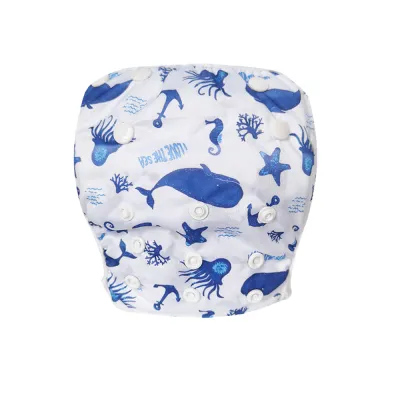
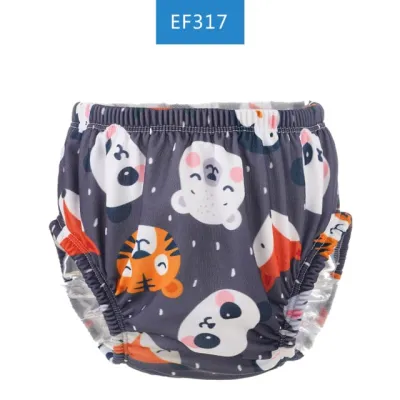
Prices are valid at publication and may change. Please refer to the product page for the latest price.
Understanding How Reusable Swim Diapers Actually Work
To make an informed decision, it is essential to understand that reusable swim diapers serve a very different purpose than regular diapers. Unlike standard cloth or disposable diapers, swim diapers are not designed to absorb liquids like urine. If they were absorbent, they would immediately soak up pool water, swell to a heavy weight, and pull down away from the baby’s body, creating a safety hazard in the water.
The primary function of a reusable swim diaper is to contain solid waste. By fitting snugly around the baby’s waist and thighs, the diaper acts as a secure barrier that prevents fecal matter from escaping into the pool. This containment is crucial for public health, as it prevents the spread of waterborne pathogens that can cause pool closures and illnesses.
Choosing a reusable option over a disposable one offers significant environmental benefits. Over a single swimming season, a baby who swims weekly can easily go through dozens of disposable swim diapers, which are made of synthetic plastics and end up in Singapore’s Semakau Landfill. Reusable swim diapers can be washed and used hundreds of times, drastically reducing plastic waste and conserving resources.
Before purchasing, parents should also familiarize themselves with local pool and swim school requirements. Most public pools and private swim schools in Singapore mandate that infants and toddlers who are not fully toilet-trained wear appropriate swim diapers. Some facilities enforce a strict double-diapering policy, requiring a reusable swim diaper to be worn over a disposable one, or utilizing a two-piece reusable system to ensure maximum protection against leaks.
Key Features to Evaluate in Eco-Friendly Swim Diapers
When evaluating reusable swim diapers, the containment design is the most critical factor to consider. Look closely at the leg gussets and the waist elasticity to ensure they provide a firm yet comfortable seal against your baby’s skin. The elastic should be strong enough to prevent gaps when the baby moves, kicks, or splashes, but soft enough not to leave deep, painful red marks on their delicate skin.

The choice of fabric plays a major role in both the environmental impact and the performance of the diaper. Many eco-friendly brands utilize recycled polyester, often derived from post-consumer plastic bottles, for the outer waterproof shell. The inner lining should be made of a soft, non-abrasive material, such as a lightweight polyester mesh or an organic cotton blend, which keeps the baby comfortable and prevents chafing during active water play.
Understanding the difference between waterproof barriers is also helpful when comparing options. Most reusable swim diapers use either TPU (thermoplastic polyurethane) or PUL (polyurethane laminate) to prevent moisture from seeping through the outer fabric. TPU is often chosen by eco-conscious parents because it is typically bonded to the fabric using a heat-lamination process rather than chemical solvents, resulting in a lower environmental footprint during manufacturing.
Fit and adjustability are essential for ensuring the diaper grows with your baby, maximizing its usable lifespan. Look for designs featuring snap-down rises, which allow you to adjust the length of the diaper, or multiple rows of waist snaps that accommodate growing bellies. Some brands offer drawstring closures, which provide a highly customizable fit but may require more effort to tie securely during quick diaper changes.
Finally, consider the drying time and breathability of the materials, especially given Singapore’s highly humid tropical climate. Diapers with thick, absorbent inner layers can take a long time to dry indoors, which may lead to musty odors or mold growth. Lightweight mesh linings dry much faster, making them highly practical for families who swim frequently and rely on line-drying on balconies or service yards.
How to Verify Eco-Friendly Claims and Material Safety
The baby care market is filled with marketing terms like “natural,” “green,” and “eco-safe,” which are often used loosely without strict regulation. To ensure you are investing in a genuinely sustainable and safe product, you must learn to look past these buzzwords and verify the manufacturer’s actual material specifications and independent certifications.
One of the most reliable standards to look for on product tags is the OEKO-TEX Standard 100 certification. This independent testing system verifies that every component of the textile, including threads, buttons, and linings, has been tested for harmful substances and is safe for direct contact with baby skin. This is particularly important for swimwear, as warm pool water and chlorine can increase skin sensitivity.
If a brand claims to use recycled materials, check for the Global Recycled Standard (GRS) certification. This standard verifies the presence and amount of recycled material in the final product and tracks it from the recycler to the finished garment. It also ensures that the manufacturing process meets strict social and environmental requirements, giving you peace of mind about the product’s origin.
Brand transparency is another key indicator of authentic environmental commitment. Reputable eco-friendly brands openly share details about their supply chain, manufacturing locations, and packaging choices. Look for companies that use plastic-free, compostable, or recycled paper packaging for shipping, and avoid those that wrap individual items in multiple layers of single-use plastic.
Be vigilant against common greenwashing red flags, such as vague claims of “biodegradability” for products made of synthetic plastics like polyester. True biodegradability does not apply to standard polyester swim diapers, even if they are made from recycled bottles. Additionally, verify that the waterproof coatings are free from harmful chemicals like lead, phthalates, and PFAS, which are sometimes used to enhance water repellency but pose environmental and health risks.
Where to Find and Compare Eco-Friendly Brands in Singapore
Finding authentic eco-friendly swim diaper brands in Singapore requires knowing where to shop and how to compare your options effectively. Local specialty baby boutiques, both physical and online, are excellent starting points because they often curate high-quality, sustainable brands that meet strict safety standards. Visiting a physical boutique allows you to inspect the fabric quality, test the snap strength, and assess the elasticity in person.
Authorized online storefronts and official brand websites are also reliable sources, offering direct access to genuine products and manufacturer warranties. When shopping on online marketplaces, be cautious of unauthorized third-party listings selling unbranded or extremely cheap swim diapers. These products often lack proper safety certifications, may use inferior plastics, and rarely offer reliable leak containment.
Before making a purchase, create a simple comparison matrix to evaluate different brands side by side. Compare the unit price in S$, the recommended weight or age range, and the manufacturer’s warranty policy. Keep in mind that due to hygiene regulations, most local retailers do not accept returns or exchanges on swim diapers once the packaging has been opened, making accurate sizing measurements crucial.
Customer reviews can provide valuable insights into how a swim diaper performs in real-world conditions. Look for feedback from local parents who have tested the diapers in Singapore’s chlorinated public pools or saltwater beaches. Pay close attention to reviews discussing how well the leg gussets contain solid waste, whether the snaps remain secure during active play, and how well the fabric resists fading and stretching over time.
To minimize your overall environmental impact, prioritize brands that maintain local stock in Singapore. Ordering from a local distributor or boutique reduces the carbon footprint associated with long-distance international shipping. It also ensures faster delivery times and simplifies the process of contacting customer service if you encounter any manufacturing defects or sizing issues.
Care and Maintenance to Maximize Lifespan
Proper care and maintenance are essential to ensure your reusable swim diaper remains functional and sustainable over its entire lifespan. The most critical step in your post-swim routine is to rinse the diaper thoroughly in cool, clean tap water immediately after your baby leaves the pool or beach. This quick rinse removes chlorine, salt, sand, and sunscreen residues, which can rapidly degrade elastic fibers and damage waterproof coatings if left to dry.
When it comes to washing, always follow the specific instructions on the manufacturer’s care label. Most reusable swim diapers should be machine washed on a gentle cycle using cold or warm water, typically not exceeding 40 degrees Celsius. Use a mild, residue-free detergent, and strictly avoid fabric softeners, bleach, and strong stain removers, as these additives can clog the fabric pores, reduce containment efficiency, and delaminate the waterproof TPU or PUL layer.
Drying techniques play a major role in preserving the diaper’s structural integrity, especially in Singapore’s humid climate. Line drying in a shaded, well-ventilated area is the most effective method to protect the elastics and waterproof barriers from heat damage. While direct sunlight can help sanitize fabrics, prolonged exposure to intense tropical UV rays can melt the waterproof laminate and make the elastics brittle, so it is best to dry them indoors or in partial shade.
Regularly inspect the swim diaper for observable signs of wear and tear that indicate it is time for a replacement. Check the elasticity around the legs and waist; if the elastic feels loose, wavy, or no longer snaps back quickly, the diaper will fail to create a secure seal and may leak. Additionally, inspect the snaps and closures to ensure they fasten tightly, and check the inner lining for any thinning or tearing that could cause discomfort to your baby.
Frequently Asked Questions (FAQ)
Do I need to wear a regular diaper under a reusable swim diaper?
No, you should never place a regular disposable or cloth diaper underneath a reusable swim diaper. Regular diapers are designed to absorb liquids, meaning they will instantly fill with pool water, swell to a heavy weight, and sag. This not only makes it uncomfortable and unsafe for your baby to swim, but it also pulls the swim diaper away from the body, rendering its containment features useless. A reusable swim diaper is designed to be worn alone, fitting snugly against your baby’s skin to contain solid waste while allowing water to pass through.
How many reusable swim diapers should I buy for a swim course?
For a standard weekly swim class, owning two reusable swim diapers is usually sufficient for most families. This allows you to have one clean diaper ready for the lesson while the other is being washed or dried. If you plan to swim multiple times a week, visit the beach frequently, or go on a holiday, increasing your inventory to three or four diapers is highly practical. Having extra diapers ensures you always have a dry option available, especially during Singapore’s rainy seasons when high humidity can significantly extend line-drying times.
Can I use a reusable swim diaper in a chlorinated public pool?
Yes, high-quality reusable swim diapers are fully compatible with chlorinated public pools and saltwater environments. However, because chlorine is a strong chemical agent, it can gradually fade fabric colors and weaken elastic fibers over time. To protect the diaper, always rinse it thoroughly in fresh tap water immediately after exiting the pool, and follow the manufacturer’s washing guidelines. Additionally, always check the specific rules of your condominium management or public pool facility, as some locations may require specific diapering configurations for infants.
Community discussion
Share your experience or ask a question. Comments are reviewed before publication.