
Choosing the right diaper rash cream for your baby involves understanding their unique skin condition and matching it with the appropriate barrier or soothing formula. Earthmama offers distinct formulations designed to address different stages of skin irritation, from daily preventative care to targeted relief for active redness. To make an informed choice, caregivers must evaluate whether their baby’s skin requires a light, breathable moisture barrier or a thicker, protective block. This decision depends on factors such as the severity of the rash, individual skin sensitivities, and the specific ingredients used in each product.
Diaper dermatitis, commonly known as diaper rash, is a frequent concern for parents and caregivers. The delicate nature of infant skin makes it highly susceptible to irritation from moisture, friction, and contact with urine or stool. While many turn to trusted brands like Earthmama, selecting the specific product variant requires a careful look at the formulation. Some babies thrive with a simple, plant-based balm that supports the skin’s natural barrier, while others need a more robust, zinc-based cream to block wetness during prolonged periods, such as overnight sleep. By analyzing your baby’s current skin state and understanding how different ingredients interact with the skin barrier, you can select a formula that provides comfort and promotes healing without causing further irritation.
Assessing Your Baby's Skin Condition and Needs
Before selecting any diapering product, you must carefully assess the current state of your baby’s skin. Infant skin is significantly thinner and more permeable than adult skin, meaning it reacts more quickly to environmental stressors. A daily preventative routine is suitable when the skin in the diaper area appears healthy, smooth, and free of discoloration. In this state, the primary goal is to maintain the skin’s natural moisture barrier and prevent friction from the diaper edges. A light, breathable ointment or balm applied during routine changes can act as a preventative shield against occasional wetness.
Products mentioned in this guide
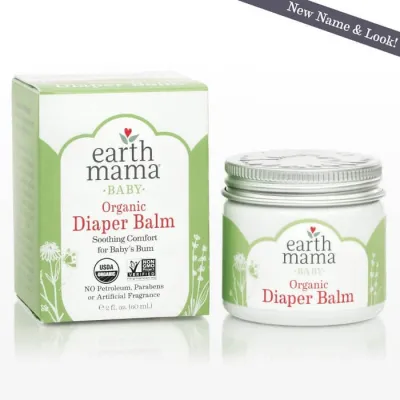
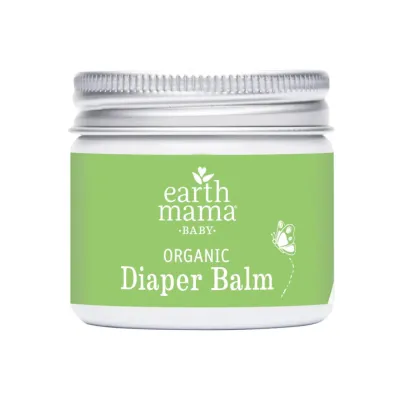
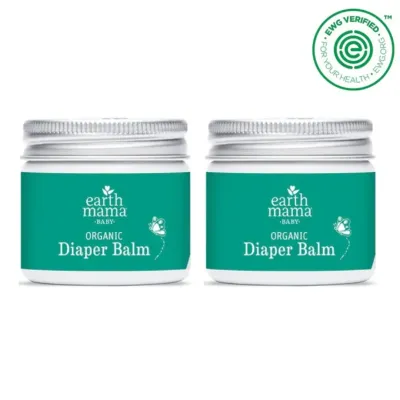
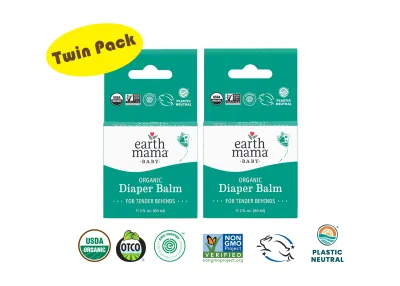
Prices are valid at publication and may change. Please refer to the product page for the latest price.
When mild redness or chafing appears, the skin requires a different level of intervention. Mild diaper rash often presents as localized pinkness or dry, slightly rough patches, usually concentrated where the diaper rubs against the thighs or waist. At this stage, the skin barrier is slightly compromised, and the focus must shift from simple prevention to active soothing and protection. Caregivers should look for formulas that offer a physical barrier to block moisture while delivering calming botanical properties to reduce irritation.
Severe diaper rash, characterized by bright red, swollen, or broken skin, demands immediate and cautious management. If you observe open sores, peeling, bleeding, or weeping blisters, standard over-the-counter barrier creams may not be sufficient, and improper application can trap bacteria. Broken skin is highly vulnerable to secondary infections. In these instances, it is critical to avoid harsh scrubbing and to seek guidance from a pediatrician or healthcare professional before applying thick, occlusive pastes that might seal in pathogens.
It is also vital to distinguish standard diaper dermatitis from fungal or bacterial infections. Yeast infections, often caused by Candida albicans, typically present as a bright red, defined rash with small satellite pustules or red spots spreading beyond the main diaper area, particularly in the creases of the thighs and groin. Unlike standard friction rash, a yeast infection will not improve with typical barrier creams and requires a targeted antifungal treatment prescribed by a doctor. Similarly, bacterial infections may present with yellow crusting, pus, or rapidly spreading warmth and swelling, which require prompt medical evaluation.
Finally, caregivers must remain vigilant about individual skin sensitivities and allergic reactions. Even natural or organic botanical ingredients can trigger contact dermatitis in sensitive infants. If you notice that redness worsens immediately after applying a specific cream, or if a rash develops in a pattern that matches where the product was applied, your baby may be reacting to an ingredient. Common culprits include certain essential oils, herbal extracts, or natural preservatives. Conducting a patch test on a small, unaffected area of skin, such as the inner forearm, and monitoring it for 24 hours can help identify potential sensitivities before widespread application.
Matching Earthmama Formulas to Specific Skin Needs
Earthmama provides a range of diapering products, each formulated with specific ingredients to address different skin needs. To choose the right one, you must match the product’s primary active components and base materials to your baby’s current skin condition. For daily prevention and routine protection against mild friction, a plant-oil and beeswax-based balm is often the most appropriate choice. These formulations typically utilize ingredients like olive oil, shea butter, and calendula extract. They create a semi-occlusive barrier that allows the skin to breathe while repelling moisture from wet diapers. Because they do not contain heavy drying agents, they help maintain the skin’s natural hydration levels during regular diaper changes.

When dealing with moderate to severe redness, or when your baby will go longer periods without a diaper change, such as overnight, a formula containing zinc oxide is highly beneficial. Zinc oxide is a classic, time-tested active ingredient that provides a physical, non-absorbent barrier on top of the skin. It effectively blocks moisture, enzymes from stool, and friction from the diaper. When evaluating these formulas, check the label for the concentration of zinc oxide. Higher concentrations provide a thicker, more durable shield, which is ideal for active rashes, while lower concentrations are easier to spread and suitable for mild irritation. It is important to note that zinc-based creams are strongly occlusive, meaning they are designed to seal the skin off from external moisture, making thorough cleansing between applications essential.
For babies with very sensitive, reactive, or eczema-prone skin, a minimalist, fragrance-free formula is paramount. Many traditional diaper creams contain synthetic fragrances, essential oils, or botanical extracts that can irritate compromised skin. Even natural scents from lavender or tea tree oil, while soothing for some, can trigger eczema flare-ups in others. When selecting a product for an eczema-prone infant, look for labels that explicitly state the formula is fragrance-free and formulated with minimal, well-tolerated ingredients. A simpler ingredient list reduces the statistical likelihood of an adverse reaction, allowing the skin barrier to recover without added immunological stress.
The texture of the product also plays a significant role in application ease and skin breathability. Ointments and balms, which are primarily oil-based and contain little to no water, have a greasy, smooth texture that glides easily over dry skin. They are excellent for dry, chafed areas but can sometimes feel heavy in humid climates. Creams and pastes, particularly those containing zinc oxide or clay, are thicker, more opaque, and require a bit more effort to spread. While they offer robust protection against wetness, they can be more difficult to wipe off. Caregivers should balance the need for a heavy moisture barrier with the ease of application, as excessive rubbing to remove a thick paste can further irritate a sore diaper area.
Caregivers should also consider how to transition between different Earthmama formulas as the baby’s skin condition improves. For instance, if you have been using a thick, zinc-based cream to treat an active, red rash, you do not need to continue using it once the redness has completely subsided. Transitioning back to a lighter, plant-based balm for daily maintenance allows the skin to breathe more freely while still providing a gentle moisture barrier. This step-down approach prevents the unnecessary buildup of heavy zinc oxide on healthy skin and ensures that you are only using intensive treatments when active irritation is present.
Key Ingredients and Label Claims to Verify
Empowering yourself to read and understand ingredient lists is a highly effective way to ensure product safety for your baby. When examining Earthmama diaper creams, look closely at the primary barrier and soothing ingredients. High-quality formulations often feature calendula, chamomile, and plant-derived oils like jojoba or sunflower seed oil, which are known for their skin-conditioning properties. However, you must also scan for potential irritants. Some babies may be sensitive to specific botanical extracts or natural preservatives. If your baby has a known allergy or highly reactive skin, cross-reference the ingredient list with past reactions and opt for the most basic formulation available.
It is equally important to understand the practical meaning and limitations of marketing labels such as organic or natural. While these terms suggest a focus on high-quality, plant-derived ingredients, they do not automatically guarantee skin safety or lack of irritation. An organic botanical ingredient can still trigger an allergic reaction or contact dermatitis just as easily as a synthetic one. Furthermore, the regulation of these terms can vary. Caregivers should look for third-party certifications, such as the USDA Organic seal, which verifies that the agricultural ingredients meet specific organic farming standards, rather than relying solely on self-declared natural claims on the front of the packaging.
Another critical aspect of ingredient verification is understanding the role of natural preservatives. Because water-free balms and ointments do not support bacterial growth as easily as water-based creams, they often require fewer or milder preservatives. However, if a product contains water or herbal infusions, a robust preservative system is necessary to prevent mold and bacterial contamination. Caregivers should verify that the preservatives used are well-tolerated and do not pose a risk of contact allergy. Reading the full ingredient list rather than relying on front-of-package marketing claims ensures you are fully aware of what is being applied to your baby’s skin.
Similarly, claims like pediatrician-tested or dermatologist-tested require careful interpretation. These labels indicate that the product has undergone some level of evaluation by medical professionals, which can provide peace of mind. However, they do not represent a universal guarantee that the product will not cause a reaction in your specific child. These tests are often conducted on small panels of subjects under controlled conditions. They demonstrate a low potential for irritation in the general population, but individual sensitivities can always occur. Use these claims as a helpful baseline of product testing, but always perform a localized patch test and monitor your baby’s skin closely during the first few applications.
Application Steps and When to Seek Professional Help
Proper application technique is just as important as choosing the right diaper cream. The most critical step in the diapering routine is ensuring the skin is completely clean and dry before applying any barrier product. Applying cream or ointment over damp skin can trap moisture against the baby’s delicate skin barrier, which can actually worsen or trigger diaper dermatitis. When changing a diaper, gently cleanse the area using a soft, damp cloth or fragrance-free wipe. Avoid rubbing or scrubbing, which can cause micro-tears in the skin. After cleansing, pat the area dry with a clean towel or allow it to air-dry completely for a few minutes before proceeding.
Once the skin is dry, adjust the thickness and frequency of the application based on your current goal. For daily prevention, a thin, transparent layer of balm or ointment is sufficient to provide a light protective barrier against friction and occasional wetness. You do not need to apply a thick layer at every change if the skin is healthy. However, if you are treating an active, red diaper rash, a more generous application is required. When using a zinc-based cream, apply a thick, frosting-like layer over the affected areas. This ensures that even when the diaper becomes wet, the urine and stool cannot penetrate the physical barrier to reach the irritated skin. Avoid wiping off the residual cream entirely during wet-only diaper changes; instead, gently clean the surface and apply a fresh layer on top to minimize friction.
In addition to applying barrier creams, incorporating diaper-free time into your daily routine can significantly accelerate the healing of diaper rash. Allowing your baby’s skin to be exposed to open air without the confinement of a diaper or cream helps eliminate moisture buildup and reduces friction. Even ten to fifteen minutes of diaper-free time a few times a day can make a noticeable difference. Lay a clean, dry towel or waterproof mat underneath your baby in a warm room to manage any accidents, and let the skin breathe naturally before applying a fresh layer of preventative balm and a clean diaper.
While home care is very effective for standard diaper rash, caregivers must recognize when to discontinue use and seek professional medical help. Establish clear stop-conditions to ensure your baby receives appropriate care if a secondary issue develops. Discontinue the use of any over-the-counter cream and consult a pediatrician immediately if you observe the rash worsening after 48 to 72 hours of consistent treatment, or if the skin develops blisters, open sores, bleeding, or pus-filled bumps. Additionally, if your baby develops a fever, appears unusually fussy or in pain during diaper changes, or if the rash spreads rapidly beyond the diaper area, professional medical evaluation is necessary to rule out systemic infections or conditions requiring prescription treatments.
Frequently Asked Questions (FAQ)
Can I use Earthmama diaper cream with cloth diapers?
When using cloth diapers, you must carefully evaluate the ingredients in your diaper cream to prevent damage to the diaper fabrics. Heavy oils, petroleum-derived ingredients, and natural waxes can build up on cloth diaper fibers over time, creating a water-repellent barrier that reduces the diaper’s absorbency. Many plant-based balms from Earthmama are formulated without petroleum, making them more compatible with cloth diapers than traditional zinc oxide pastes. However, even natural oils and beeswax can cause buildup if used excessively. To protect your cloth diapers, check the manufacturer’s guidelines for cloth-safe recommendations, and consider using a reusable or disposable flushable liner. This creates a physical barrier between the cream on your baby’s skin and the diaper fabric, preserving absorbency and preventing staining.
Is it safe to use diaper cream every day for prevention?
Using a mild, breathable diaper balm daily for prevention is generally safe and can be highly beneficial for babies with sensitive skin or those prone to frequent chafing. However, daily application should be tailored to your baby’s specific skin needs and diaper change frequency. If your baby does not have sensitive skin and you change diapers promptly, a daily barrier may not be necessary at every change. Over-application of heavy, occlusive creams when the skin is healthy can sometimes trap residual moisture or disrupt the skin’s natural microbiome. Focus on maintaining a clean, dry diaper area, and reserve thicker barrier creams for overnight use or times when diaper changes might be delayed, using a light balm during the day if friction is a concern.
How should I store Earthmama diaper creams to maintain their quality?
Because Earthmama formulations often rely on natural plant oils, butters, and beeswax rather than synthetic stabilizers, proper storage is essential to maintain their quality and efficacy. Store these products in a cool, dry place away from direct sunlight and high humidity, which can cause the natural ingredients to melt, separate, or degrade. In warm climates, you may notice the balm becoming softer or slightly liquid; if this occurs, stir the product gently and place it in a cooler environment to solidify. Always check the packaging for expiration dates and batch codes. Before application, inspect the cream for signs of spoilage, such as a rancid smell, significant discoloration, or a gritty texture that does not melt upon contact with the skin, and discard any compromised products.

Community discussion
Share your experience or ask a question. Comments are reviewed before publication.