
Choosing between Earth Mama Organic Diaper Balm and other natural diaper creams in Singapore depends on whether your baby’s skin requires a light, botanical soothing layer or a heavy, physical moisture barrier. In Singapore’s warm and highly humid climate, finding the right balance is essential. Excessively heavy creams can trap sweat and heat, potentially leading to clogged pores or heat rash, while insufficient protection can leave delicate skin vulnerable to friction and diaper wetness. By understanding how different natural formulations interact with your baby’s skin, you can make an informed decision that keeps them comfortable throughout the day.
Many parents in Singapore seek out natural alternatives to avoid synthetic chemicals, artificial fragrances, and petroleum-based ingredients. However, “natural” is a broad category that encompasses vastly different formulations, from oil-based herbal ointments to thick mineral pastes. Evaluating these options requires looking closely at their active ingredients, texture, and how they perform under local environmental conditions.
Understanding the Core Differences in Natural Diaper Creams
To choose the right diaper cream, it is helpful to understand the two primary categories of natural formulations: physical barrier creams and botanical soothing balms. Physical barrier creams typically rely on zinc oxide or natural clays to create an impenetrable shield between the baby’s skin and moisture. This physical layer is highly effective at blocking wetness from urine and stool, making it a common choice for active diaper rash or overnight protection. In Singapore’s tropical climate, however, a completely occlusive barrier can sometimes trap sweat against the skin, which may lead to heat rash or clogged sweat ducts if the skin is not thoroughly cleaned between applications.
Products mentioned in this guide
Prices are valid at publication and may change. Please refer to the product page for the latest price.
In contrast, botanical soothing balms generally omit zinc oxide, relying instead on plant-derived oils, butters, and herbal extracts. These formulations are designed to absorb partially into the skin, delivering nourishing nutrients while leaving a breathable, light protective film. Rather than blocking out all moisture, they focus on supporting the skin’s natural barrier function and soothing minor irritation. This breathability is often preferred by parents who want to avoid heavy mineral residues and allow the skin to self-regulate in warm weather.
The texture of these products plays a significant role in how they feel and perform, especially in a tropical climate. Thick, zinc-based pastes can feel heavy and may require gentle wiping with a damp cloth to remove completely during diaper changes. Botanical balms tend to be much lighter and spread easily with body heat, which minimizes friction on already tender skin. However, because they are lighter, they may wear off more quickly than a dense paste and require more frequent application.
Common natural ingredients serve distinct purposes in these formulations. Calendula is widely recognized for its gentle, soothing properties, making it a staple in daily care products. Shea butter and cocoa butter provide rich, moisturizing bases that help soften the skin, while coconut oil offers mild, natural antimicrobial properties alongside hydration. Understanding these ingredient roles helps caregivers select a product tailored to their baby’s immediate skin needs.
Evaluating Earth Mama Organic Diaper Balm
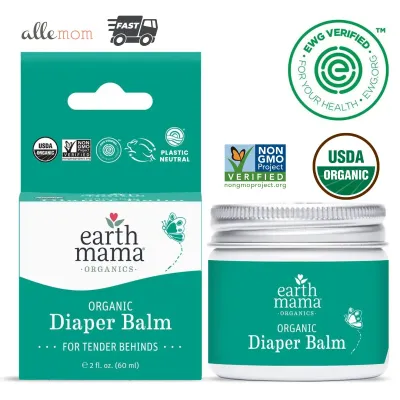
Earth Mama Organic Diaper Balm is a popular choice among parents seeking a purely botanical approach to diaper area care. Its formulation is entirely free of zinc oxide, petroleum, and synthetic fragrances, relying instead on a blend of organic herbs and oils. The ingredient profile typically features organic olive oil, shea butter, beeswax, and a proprietary blend of soothing herbs, including calendula, chamomile, and St. John’s wort. These botanical elements are chosen for their traditional soothing properties, offering a gentle alternative to mineral-heavy pastes.

The application experience of this balm is characterized by its smooth, melt-on-contact texture. Because it is oil- and wax-based, a small amount spreads effortlessly across the skin without requiring firm pressure, which is highly beneficial when a baby’s diaper area is sensitive or slightly red. It absorbs gradually, leaving a thin, breathable, and non-greasy protective layer that does not leave a white residue. This makes diaper changes quicker and less disruptive, as there is no thick paste to scrub off during cleanups.
This specific formulation is ideal for daily prevention, routine maintenance, and soothing minor skin chafing. It works exceptionally well to keep healthy skin soft and resilient against daily friction. However, because it lacks a heavy physical blocking agent like zinc oxide, it may not provide sufficient isolation if your baby is experiencing severe, weeping diaper rash or frequent loose stools that require a robust, waterproof shield.
When purchasing or using Earth Mama Organic Diaper Balm, always check the physical product label for the most current ingredient list and manufacturer instructions. Formulations can occasionally be updated, and verifying the packaging ensures you are aware of any potential allergens or specific storage recommendations.
Comparing Earth Mama with Other Natural Alternatives
When deciding between Earth Mama and other natural diaper creams available in Singapore, the choice often comes down to your baby’s current skin condition and your lifestyle preferences. If your primary goal is daily prevention and maintaining a healthy skin barrier, a botanical balm like Earth Mama offers a lightweight, breathable option. If your baby is prone to severe diaper rash or has highly sensitive skin that reacts quickly to wetness, a natural zinc-based cream from an alternative brand may be more suitable.
The local climate is another important factor to consider. In Singapore’s high humidity, heavy, occlusive creams can sometimes trap sweat against the skin, potentially leading to heat rash in the skin folds. A fast-absorbing, breathable balm can help prevent this issue by allowing the skin to breathe naturally. However, if your baby spends significant time in air-conditioned environments or has naturally dry skin, a slightly richer cream might be preferred. Additionally, developmental milestones such as teething or starting solid foods can temporarily alter your baby’s digestion, leading to more frequent or acidic stools. During these transitional phases, switching from a light daily balm to a thicker physical barrier cream can provide the extra protection needed to prevent sudden flare-ups.
To help guide your decision, consider this conditional framework:
- Choose Earth Mama if: You are looking for a lightweight, zinc-free balm for daily preventative care; you prefer a smooth, easy-to-spread texture that does not leave a white residue; you use cloth diapers and want a balm that is generally compatible with cloth fabrics; or you want a multi-purpose balm that can also be used on minor dry patches elsewhere on the body.
- Choose an alternative if: Your baby currently has an active, moderate-to-severe diaper rash that requires a thick physical barrier; you need a high-concentration zinc oxide cream to protect the skin during long overnight stretches; or your baby has a known sensitivity to specific botanical extracts or essential oils used in herbal balms.
It is important to remember that every baby’s skin microbiome and sensitivity levels are unique. What works exceptionally well for one infant may not suit another. When introducing any new diaper cream or balm, it is highly recommended to perform a patch test on a small area of healthy skin first and run a short trial period to observe how your baby’s skin responds.
How to Check Ingredients and Safety Labels
As a caregiver, learning to read and interpret product labels is one of the most effective ways to ensure your baby’s skin safety. When scanning ingredient lists, look out for potential irritants such as added synthetic fragrances, artificial preservatives, or high concentrations of essential oils. Even natural essential oils, such as tea tree, lavender, or eucalyptus, can sometimes be too strong or sensitizing for a newborn’s delicate skin barrier.
Cross-referencing ingredients with your baby’s known allergies or sensitivities is crucial. For example, if there is a family history of eczema or allergies to plants in the Asteraceae family (which includes calendula, chamomile, and daisy), you should exercise extra caution when using herbal balms. Checking for clear, transparent ingredient sourcing on the packaging can give you greater peace of mind.
Additionally, always verify the manufacturer’s recommended age range, application frequency, and storage conditions on the physical packaging. In Singapore’s tropical climate, natural balms formulated without synthetic stabilizers can easily melt, separate, or spoil if exposed to high temperatures or direct sunlight. Avoid leaving your diaper bag inside a parked car, and keep the product away from heat-generating appliances like bottle sterilizers or food warmers. Storing your diaper creams in a cool, dry place away from windows will help maintain their texture and efficacy.
When to Stop Using a Diaper Cream and Seek Professional Advice
While natural diaper creams and balms are excellent for daily care and mild irritation, they are not designed to treat medical skin conditions or severe infections. Caregivers must monitor the diaper area closely and recognize when it is time to stop home care and seek professional medical advice.
You should stop using over-the-counter creams and consult a pediatrician if you observe any of the following warning signs:
- A diaper rash that worsens or does not improve after two to three days of consistent, gentle care.
- The appearance of blisters, pus-filled bumps, peeling skin, or open sores.
- A bright red, raw rash that spreads rapidly beyond the diaper area to the abdomen, thighs, or back.
- The presence of a fever, lethargy, or if your baby seems unusually uncomfortable or cries in pain when the diaper area is touched.
Using the wrong type of cream on a fungal or bacterial infection can sometimes trap moisture and make the infection worse. For instance, a yeast infection (Candida) thrives in warm, moist environments and requires specific antifungal treatment prescribed by a healthcare professional. If you suspect an infection, a qualified professional can provide an accurate diagnosis and recommend the appropriate treatment plan to ensure your baby’s skin heals safely.
Frequently Asked Questions (FAQ)
Can I use natural diaper balms with cloth diapers?
Many natural, oil-based diaper balms are popular among cloth diapering parents because they do not contain zinc oxide or petroleum, which are notorious for building up on fabrics and causing them to repel moisture. However, even natural oils and heavy plant butters can leave a residue over time if not washed thoroughly. To ensure compatibility, always check the guidelines provided by both the diaper balm manufacturer and your cloth diaper brand, and consider using a reusable or disposable liner to protect the diaper fabric if you are uncertain.
How often should I apply diaper balm for prevention?
For daily prevention, you should follow the specific application instructions on your product’s label. Generally, applying a thin, even layer of balm during diaper changes—especially before bedtime or prior to long car rides—helps maintain a consistent protective barrier against wetness. You can adjust the frequency of application based on your baby’s skin response, how often you change their diapers, and environmental factors such as heat and humidity.
Community discussion
Share your experience or ask a question. Comments are reviewed before publication.