
Finding the perfect balance between comfort, size, and portability is a common challenge for parents preparing for outdoor adventures with young children. A portable play mat serves as a dedicated clean zone where babies can roll, crawl, and play safely, but a single model rarely fits every single outing. A mat that is spacious enough for a full family picnic might be too bulky for a quick trip to the local playground, while an ultra-lightweight option might lack the cushioning needed for hard or uneven ground.
Selecting the right dinky mat model requires a clear understanding of your family’s specific routine and the environments you frequent. Rather than searching for a one-size-fits-all solution, the goal is to match the technical specifications of available variants to your typical outdoor activities. This guide provides a practical decision framework to help you evaluate dimensions, materials, and portability features, ensuring your chosen mat supports your child’s developmental needs while remaining convenient to carry.
Identifying Your Outing Scenarios and Space Requirements
Before browsing specific models, it is essential to map out where and how you plan to use your portable mat. Different outdoor settings demand distinct physical footprints and levels of portability. For instance, a quick morning visit to a neighborhood park often requires a highly compact mat that you can deploy and pack away in seconds. These brief outings usually involve minimal gear, meaning the mat only needs to accommodate your baby and a small diaper clutch.
Products mentioned in this guide
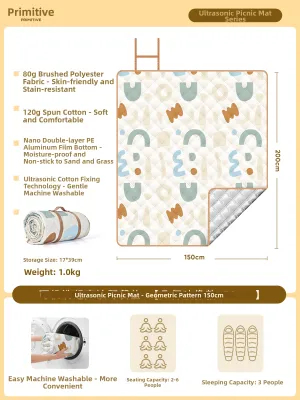
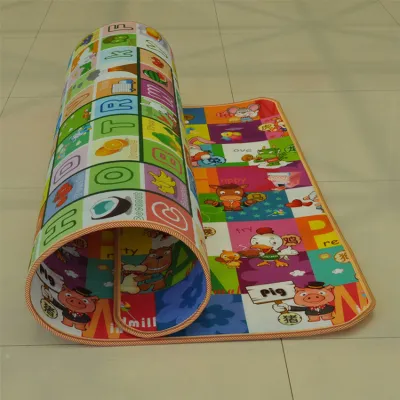
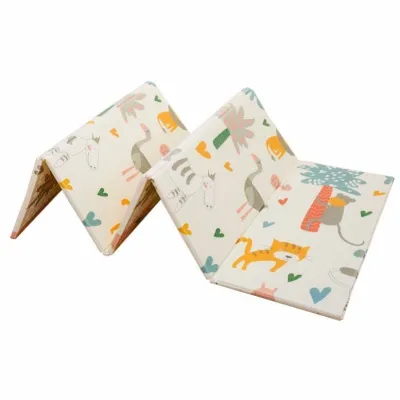
Prices are valid at publication and may change. Please refer to the product page for the latest price.
In contrast, extended playground sessions or weekend family gatherings at larger green spaces, such as the Singapore Botanic Gardens, call for a more substantial setup. During these longer excursions, your baby will likely spend more time on the ground, requiring space to stretch, roll, or practice tummy time. You must also account for the physical space occupied by essential gear, including diaper bags, strollers, toy baskets, and personal belongings, all of which can quickly crowd a small mat.
To calculate the necessary surface area, consider the number of active users who will sit on the mat simultaneously. If you plan to join your child on the ground for interactive play or feeding, a standard individual-sized mat may feel restrictive. A larger family-sized variant provides the necessary clearance for multiple adults and children to sit comfortably without stepping onto the bare grass or dirt. However, larger dimensions naturally translate to a larger folded package, which brings transport constraints into play.
Evaluating your carrying capacity is a critical step in the decision-making process. Take a close look at your primary mode of transport, whether it is a compact stroller basket, a backpack diaper bag, or the trunk of a car. If you frequently travel by public transport or walk to nearby parks, a mat that folds down into a compact, self-contained pouch with a shoulder strap is highly advantageous. For those who rely on a stroller, measure the under-seat storage basket to ensure the folded mat can slide in easily alongside your other daily essentials.
Key Specifications to Compare Across Dinky Mat Variants
When comparing different dinky mat models, reviewing the manufacturer’s technical specifications on the product label or official website is the most reliable way to assess performance. The material composition and thickness of the mat directly influence both comfort and insulation. Thicker, padded variants offer superior cushioning on hard surfaces like concrete plazas or wooden decking, making them ideal for younger babies who are still mastering sitting up. However, these padded models are generally heavier and bulkier to transport.

Conversely, thinner, single-layer mats prioritize lightweight portability and are highly suitable for soft, grassy lawns or sandy beaches where natural cushioning is already present. When examining material specifications, look for durable, non-toxic fabrics that can withstand friction against rough ground. Many high-quality portable mats utilize polyurethane or polyester blends that offer a balance of durability and a soft tactile feel for sensitive baby skin.
The folding mechanism and packed dimensions are equally important specifications to verify. Some models feature structured fold lines that allow the mat to collapse into a neat, flat rectangle, while others are designed to be rolled up and secured with straps. Flat-folding designs are often easier to pack into slim compartments, such as the back pocket of a car seat or a laptop sleeve in a travel bag. Always check the exact weight listed by the manufacturer, especially if you plan to carry the mat over long distances while managing a baby carrier or stroller.
Finally, pay close attention to the water resistance and care instructions printed on the product tag. A reliable outdoor mat should feature a water-resistant or waterproof backing to prevent ground moisture from seeping through to the top layer. Check whether the surface can be easily wiped clean with a damp cloth or baby wipe for quick on-the-go maintenance. For deeper cleaning, verify if the specific model is machine washable or if it requires hand washing and air drying, as this will impact your long-term maintenance routine.
Matching Mat Features to Specific Outdoor Environments
The physical conditions of your chosen outdoor environments should heavily influence the specific features you prioritize in a mat. If your primary destinations are modern playgrounds with rubberized safety surfacing or concrete plazas, grip and stability are paramount. Smooth surfaces can cause lightweight, unstructured mats to slide when a baby attempts to crawl or stand. In these environments, look for models with non-slip backing materials or weighted corners that help keep the mat securely in place.
For grassy areas, which are often damp even on sunny days due to morning dew or tropical humidity, thermal insulation and moisture barriers are critical. Direct contact with damp ground can quickly make a baby cold and uncomfortable, cutting your outing short. A mat with a dedicated thermal barrier or a multi-layer construction helps maintain a comfortable surface temperature, protecting your child from both cold ground moisture and heat radiating from sun-baked grass.
If you enjoy beach outings or visits to parks with sandy play areas, sand and dirt resistance should be your top priority. Fine sand particles can easily become embedded in woven fabrics, making them difficult to clean and causing irritation to your baby’s skin. Look for tightly woven, smooth synthetic materials that allow sand to be brushed off with a simple shake. Avoid heavily textured or open-weave fabrics for beach environments, as they tend to trap debris and require intensive cleaning after every use.
Additionally, consider the wind conditions of your typical outing spots. Open coastal parks and beaches are prone to sudden gusts of wind that can easily lift and fold a lightweight mat. Some models are designed with integrated corner loops for ground pegs, while others feature built-in pockets that can be filled with sand or small stones to weigh down the edges. Assessing these environmental factors beforehand ensures that your selected mat remains functional and safe, preventing tripping hazards for active toddlers.
Where to Verify Current Models and Finalize Your Choice
To ensure you are purchasing an authentic product with the most up-to-date specifications, always consult official brand channels. Navigating the official brand website or authorized online stores allows you to view the complete, current lineup of dinky mat models. This is particularly important as manufacturers frequently update material compositions, dimensions, and folding designs based on user feedback. Relying on outdated third-party listings can lead to purchasing a model that does not align with your expectations.
When reviewing the product listings, carefully cross-reference the stated dimensions, weight limits, and age recommendations against your family’s current developmental stage. For example, a newborn practicing tummy time has very different space and cushioning requirements compared to a toddler who needs a designated spot to sit and eat snacks between playground runs. Checking these details helps you select a model that will remain useful as your child grows, maximizing the value of your investment.
Before finalizing your purchase, take the time to review the retailer’s return policies and warranty terms. Even with thorough research, you may find that a specific model’s folding mechanism is too complex for one-handed operation, or that the packed size does not fit your stroller basket as expected. Knowing that you can exchange or return the unused mat within a specified window provides peace of mind. Additionally, check for manufacturer warranties that cover manufacturing defects, such as stitching failures or delamination of the waterproof backing, to ensure long-term durability.
Frequently Asked Questions (FAQ)
Can a Dinky mat be used indoors as well as outdoors?
Yes, many portable mats are highly versatile and suitable for both indoor and outdoor use. When using the mat indoors, check the manufacturer’s guidelines regarding compatibility with different flooring types, such as hardwood or laminate, to ensure the backing does not cause slipping. To maintain a hygienic environment for your baby, always clean the mat thoroughly after an outdoor outing before bringing it inside. This prevents the transfer of outdoor dirt, pollen, and moisture onto your living room floors or play areas.
How do I clean and maintain the mat after a messy picnic?
Proper cleaning is essential to extend the lifespan of your mat and prevent the growth of mold or mildew. After a messy picnic, start by shaking off loose crumbs and debris, then wipe down any spills with a damp cloth and mild, baby-safe soap. Always consult the care label stitched onto the mat for specific washing instructions, as some models may tolerate machine washing on a gentle cycle while others require hand washing. Ensure the mat is completely dry before folding and storing it in a cool, well-ventilated space.
What should I do if the mat does not stay flat on uneven ground?
If your mat does not stay flat on uneven grass or sandy surfaces, you can use practical stabilization methods to prevent tripping hazards. Many outdoor mats feature corner loops designed for lightweight ground pegs, which can be secured into the soil. Alternatively, you can place heavy personal items, such as your diaper bag, water bottles, or shoes, on the corners of the mat to weigh it down. Avoid placing sharp objects on the mat, and always check the ground underneath for rocks or roots before laying the mat down.

Community discussion
Share your experience or ask a question. Comments are reviewed before publication.