
Finding the right outdoor play mat for your child in Singapore requires balancing tropical weather protection, heat insulation, and effortless portability. With the city’s frequent humidity, sudden rain showers, and intense sun, a standard indoor play mat will rarely suffice for trips to East Coast Park, the Singapore Botanic Gardens, or local condominium playgrounds. Parents must evaluate specific material properties, folding designs, and safety certifications to ensure their chosen mat can withstand outdoor terrains while keeping infants and toddlers comfortable. By focusing on verifiable product specifications rather than marketing claims, you can select a durable, travel-friendly option that supports your family’s outdoor lifestyle.
Essential Features for Outdoor Play Mats in Singapore
Singapore’s tropical climate presents unique challenges that demand specific physical and functional traits from an outdoor play mat. The first critical feature to evaluate is weather resistance. Sudden afternoon downpours are common, and even on clear days, park grass often remains damp from morning dew or high humidity. A suitable mat must feature a water-resistant or quick-drying surface to prevent moisture from seeping through to your child’s clothing. Look for materials with polyurethane (PU) coatings or water-repellent polyester backings that effectively block ground moisture and dry rapidly in the sun.
Heat management is another vital consideration for outdoor play in Singapore. Ground surfaces such as concrete pathways, sandy beaches, and even grass can absorb and retain significant heat under the tropical sun. A play mat needs sufficient thickness and material density to act as an effective thermal barrier. Closed-cell structures are highly effective at preventing heat from transferring directly from the ground to your child’s sensitive skin, ensuring the play surface remains at a safe and comfortable temperature.
Products mentioned in this guide
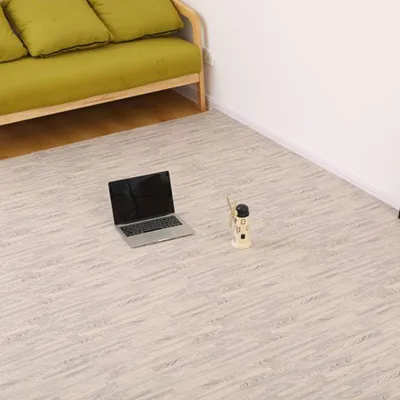
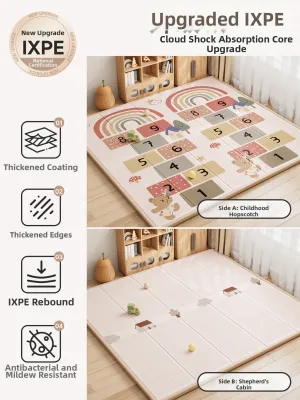
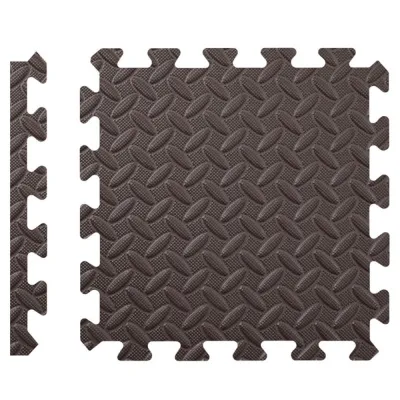
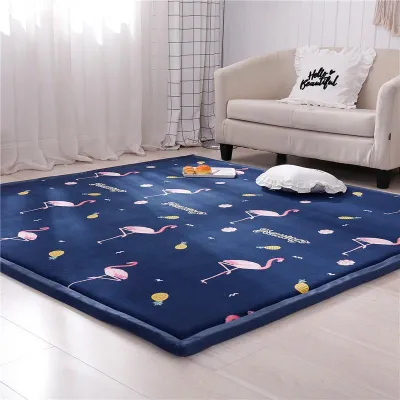
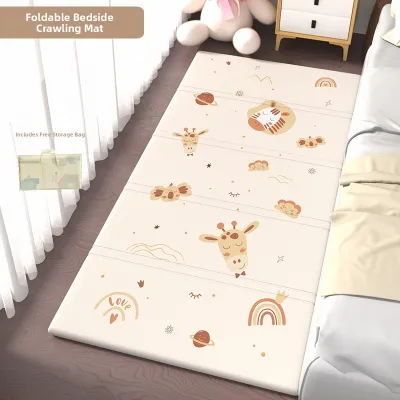
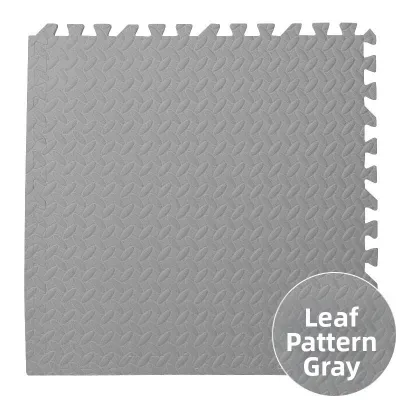
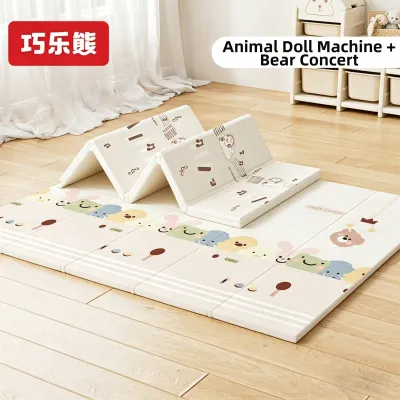
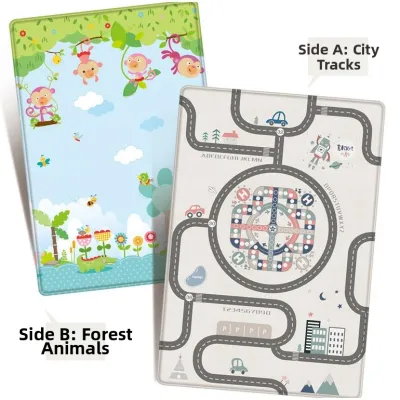
Prices are valid at publication and may change. Please refer to the product page for the latest price.
Durability is essential because outdoor terrains are rarely perfectly smooth or soft. Twigs, small stones, dry leaves, and rough grass can easily puncture or tear delicate indoor mats. When shopping, inspect the edges of the mat for reinforced stitching, heavy-duty piping, or heat-sealed borders. A robust outer shell prevents fraying and ensures the mat maintains its structural integrity over repeated folding cycles, rough handling, and contact with uneven ground.
Comparing Materials for Heat, Comfort, and Hygiene
When choosing between different play mat materials, parents must weigh the trade-offs between cushioning, breathability, and ease of cleaning. Closed-cell foam mats, such as those made from Expanded Polyethylene (XPE) or Ethylene-vinyl Acetate (EVA), offer superior impact absorption and excellent thermal insulation. They provide a cushioned barrier that protects babies during tummy time or when learning to sit up on hard ground. However, foam can sometimes feel sticky against sweaty skin in Singapore’s humid weather, which may cause discomfort during extended play sessions.

Padded fabric mats, often made of polyester or cotton blends, offer better breathability and a softer, more comforting feel against the skin. While they are highly comfortable, they generally provide less cushioning than foam and can absorb moisture if the ground is damp. To address this, many high-quality fabric mats feature a multi-layer design with a soft top layer, a thin padded middle layer, and a water-resistant bottom layer to keep moisture at bay.
Surface texture plays a major role in managing dirt, sweat, spilled milk, and outdoor debris. A practical outdoor mat should feature a wipe-clean top layer that allows you to quickly sanitize the surface with a damp cloth or baby-safe wipe. Additionally, look for a non-slip or textured bottom surface. This prevents the mat from sliding around on dry grass, sandy patches, or smooth pavilion tiles when your child is active.
Chemical safety is paramount because infants and toddlers frequently put their hands and toys in their mouths. Outdoor mats can release volatile organic compounds (VOCs) or contain harmful plasticizers like phthalates, formamide, or heavy metals, especially when exposed to heat. Always check the manufacturer’s product tags or official documentation to verify compliance with international safety standards, such as EN71 in Europe or ASTM in the United States. Avoid products that do not explicitly state their chemical-free status on the label.
Assessing Portability and Storage for Travel
The way a play mat folds and packs down directly impacts how easily you can transport it around Singapore. Tri-fold and multi-folding mats are highly popular because they collapse along pre-creased lines into a compact rectangle. This design keeps the dirty bottom side folded inward, preventing it from touching the clean play surface. Roll-up mats are quick to pack but can be bulky and awkward to carry on public transport. Puzzle-piece foam mats are generally unsuitable for outdoor travel, as assembling and disassembling multiple tiles on grass is tedious, and individual pieces are easily lost or soiled.
Weight and carrying accessories are crucial when you are already managing a baby, a diaper bag, and a stroller. An outdoor play mat should ideally weigh under two kilograms to avoid adding unnecessary bulk to your load. Look for models that feature integrated carry handles, adjustable shoulder straps, or a dedicated travel bag. These features allow you to sling the mat over your shoulder, leaving your hands free to manage your child or push a stroller through busy park paths.
Storage footprint is another practical consideration for urban living. Before purchasing, measure the folded dimensions of the mat and compare them to your available storage spaces. It should fit comfortably inside your car boot alongside other gear, or slide easily into the under-seat basket of your stroller. If you rely on public transport like the MRT or buses, a slim, lightweight profile is essential to avoid blocking walkways and causing inconvenience to other commuters during peak hours.
Safety Checks and Maintenance for Outdoor Use
To ensure the ongoing safety and longevity of your outdoor play mat, establishing a regular inspection and maintenance routine is essential. Before laying your mat down at a park or beach, conduct a quick visual check of both the ground and the mat itself. Ensure the grass is free from sharp objects, insect nests, or animal waste. Inspect the mat for any signs of mold, mildew, or lingering dampness from previous outings. If you detect a musty odor or visible dark spots, suspend use immediately and clean the mat thoroughly to prevent skin irritation or respiratory issues.
Proper cleaning after every outdoor excursion is vital for hygiene. For foam mats, wipe down both sides with a mild, baby-safe detergent and warm water, then allow it to air dry completely in a well-ventilated indoor space. For fabric mats, consult the care label to see if they are machine-washable. If machine washing is permitted, use a gentle cycle with cold water and a mild detergent, avoiding harsh bleach or fabric softeners that can degrade water-resistant coatings. Never pack a damp mat away, as trapped moisture will quickly lead to mold growth.
While outdoor play is highly beneficial, prolonged exposure to direct sunlight can damage both your child and the play mat. High UV levels in Singapore can cause foam materials to degrade, become brittle, or discolor over time. Additionally, the surface of the mat can heat up to unsafe temperatures if left in direct sunlight. Always position your play mat in a shaded area, such as under a park shelter or a mature tree, and regularly touch the surface with your hand to verify it remains cool enough for your child.
A Practical Checklist for Evaluating Brands and Models
When shopping on online marketplaces or in local boutiques, review the manufacturer’s warranty policy. A reliable brand should offer protection against manufacturing defects, such as splitting seams, peeling layers, or faulty zippers. Be aware that standard warranties rarely cover typical outdoor wear-and-tear, so read the terms carefully to understand what is eligible for replacement.
Customer reviews can provide valuable insights into how a play mat performs in real-world tropical conditions. Look for verified feedback from parents in Singapore who have used the specific model at local parks or beaches. Pay attention to comments regarding how easy the mat is to clean, whether the material retains heat, and how well the folding mechanism holds up after several months of frequent use.
Always match the play mat’s specifications to your child’s current developmental stage. For newborns and young infants who are primarily stationary, a softer, highly cushioned foam mat is ideal for tummy time. For older toddlers who are crawling or walking, a larger, thinner, and more durable fabric mat might be more appropriate to accommodate their active movements. Check the manufacturer’s guidelines to ensure the product is rated for your child’s age group and weight.
Frequently Asked Questions (FAQ)
Can I leave the play mat outside overnight?
No, you should never leave a play mat outdoors overnight. Singapore’s high humidity, overnight dew, and frequent rain showers will trap moisture beneath and within the mat, creating an ideal breeding ground for mold, mildew, and bacteria. Additionally, outdoor pests, insects, and stray animals can damage or contaminate the surface. Always fold the mat and store it in a dry, indoor location after each use.
How do I prevent the mat from blowing away in the wind?
To secure your mat on windy days at places like East Coast Park, use safe, non-damaging weights. Many outdoor fabric mats come with built-in corner pockets that you can fill with clean sand or smooth stones to weigh them down. If your mat does not have these pockets, place heavy diaper bags, water bottles, or smooth, rounded park stones on the corners. Avoid using sharp stakes or pegs that could puncture the mat’s material or pose a tripping hazard for young children.
Are thick foam mats better for outdoor use than thin fabric ones?
Neither is universally superior; they serve different needs. Thick foam mats (around 1cm to 2cm) provide excellent cushioning on hard or uneven ground and offer superior thermal insulation against hot surfaces, making them ideal for infants. However, they are bulkier to transport. Thin fabric mats are highly portable, lightweight, and easy to wash, making them excellent for older toddlers who need a clean surface but do not require heavy impact protection.
Community discussion
Share your experience or ask a question. Comments are reviewed before publication.