
Choosing the right diaper cream for your baby requires moving past colorful packaging to focus on their immediate skin condition. Because an infant’s skin is exceptionally thin and delicate, applying the wrong formula can trap unwanted moisture or fail to provide a sufficient barrier. The key is to match the specific state of your child’s skin—whether it is healthy, mildly irritated, severely inflamed, or potentially infected—with a targeted formulation.
In a tropical climate like Singapore, where high humidity and warmth naturally increase perspiration and moisture retention, selecting the correct barrier or treatment is even more critical. By understanding how to assess the skin, decode ingredient labels, and apply these products correctly, you can keep your baby comfortable and prevent minor irritation from developing into a painful rash.
Identify Your Baby's Current Skin Condition
Before reaching for any tube, take a moment during a diaper change to carefully observe and physically assess your baby’s diaper area. Healthy skin should feel soft, dry, and match the natural tone of the surrounding thighs and abdomen. If you notice any deviation, the visual and tactile cues will guide your next steps.
Products mentioned in this guide
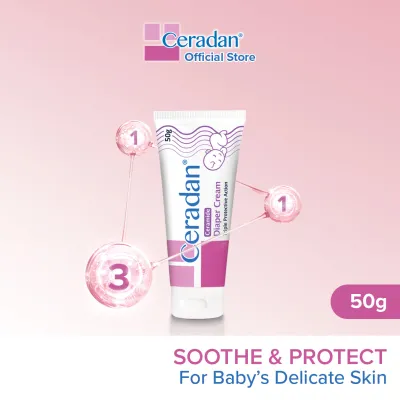
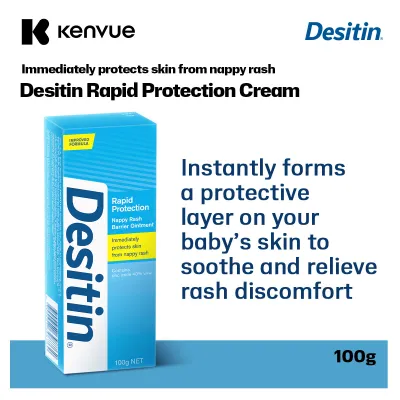
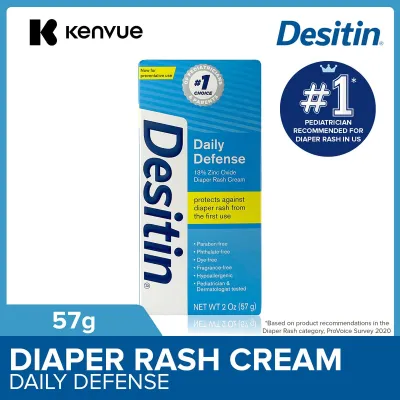
![Mustela Vitamin Barrier Cream 123 for Diaper Rash 100ml [Diaper Change Care] (exp: 09/2028 & beyond)](https://img.lazcdn.com/g/p/5c88ac90f90fcfb36d5b9fc0c103040f.jpg_400x400q80.jpg_.webp)
![[Mustela Bundle Deal] Vitamin Barrier Cream 100ml (exp: 09/2028 & beyond) [Nappy Diaper Change]](https://img.lazcdn.com/g/p/61712a4d61b56cc2dea6a22abdb562e0.jpg_400x400q80.jpg_.webp)
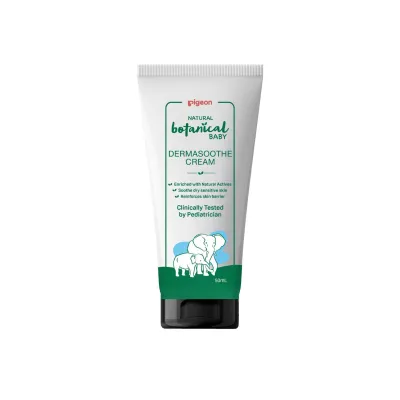
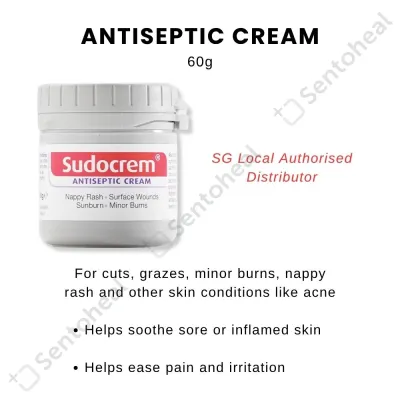
Prices are valid at publication and may change. Please refer to the product page for the latest price.
A mild reaction typically presents as slight pinkness or very light redness across a limited area, such as the folds of the thighs or directly where the diaper edges rub. The skin remains smooth to the touch, and your baby likely shows no signs of discomfort during routine cleaning.
An active diaper rash manifests as bright red, warm, and clearly inflamed patches of skin. These patches may look slightly swollen or bumpy, covering larger portions of the buttocks, lower abdomen, or genital area. At this stage, your baby will likely express noticeable fussiness, crying, or pulling away when you wipe the area or apply fresh diapers.
A more severe or complicated issue is indicated by broken skin, peeling, weeping sores, or tiny red bumps spreading outward from a central red patch—often referred to as satellite lesions. This pattern strongly suggests a secondary fungal or bacterial infection, which thrives in the dark, warm, and damp environment of a diaper.
Monitoring your baby’s behavioral cues provides vital secondary confirmation of their discomfort. A baby who is unusually irritable, struggles to settle, or screams during diaper changes is experiencing significant localized pain that requires immediate, deliberate care.
Establishing a firm safety boundary is essential for your peace of mind and your baby’s health. If you observe any blisters, pus-filled bumps, open bleeding, or if the rash is accompanied by a fever, stop all home remedies immediately. You should also seek professional medical care if the rash spreads rapidly beyond the diaper region or shows no signs of improvement after several days of careful management.
Match the Right Diaper Cream to the Skin Issue
To resolve irritation quickly, you must match the diaper cream type to the exact level of skin irritation you have observed.

Preventive Barrier Ointments (Normal to Mildly Irritated Skin)
When your baby’s skin is healthy or only showing early signs of mild pinkness, your goal is prevention. Preventive barrier ointments are designed to act as a physical shield, sealing out external irritants like urine, stool, and friction from the diaper itself.
These ointments typically rely on petrolatum (petroleum jelly), mineral oil, or low-concentration zinc oxide (usually under 15 percent) as their primary active agents. Petrolatum creates an occlusive layer that locks in natural skin moisture while keeping external wetness away, allowing the delicate skin barrier to remain intact.
Applying these clear or semi-translucent ointments during everyday diaper changes—especially before long sleep periods like bedtime—helps maintain optimal skin health. If the skin is merely slightly pink from minor friction, a thin layer of a preventive ointment is usually sufficient to soothe the area and allow the skin to recover naturally.
Active Treatment Creams (Moderate to Severe Diaper Rash)
When a true diaper rash has developed, presenting as bright red, inflamed, and tender skin, preventive ointments are no longer sufficient. You need an active treatment diaper cream formulated to actively soothe inflammation while providing a heavy-duty physical barrier.
These treatment creams are easily identified by their thick, white, paste-like consistency, which is primarily due to a high concentration of zinc oxide (often ranging from 12 to 40 percent). Zinc oxide is a mineral that does not dissolve in water; it sits on top of the skin to block moisture, while also possessing natural astringent and mild anti-inflammatory properties that calm irritated tissue.
Many high-quality treatment creams also incorporate soothing agents like panthenol (provitamin B5) or calendula to help accelerate skin recovery. Because these formulations are highly concentrated, always check the manufacturer’s packaging for age-appropriateness, specific application instructions, and any warnings regarding use on broken skin.
Prescription Treatments (Suspected Fungal or Bacterial Infections)
It is crucial to recognize that standard over-the-counter barrier ointments and zinc oxide pastes cannot cure a fungal or bacterial infection. If your baby has a yeast infection—commonly caused by Candida—the rash will typically look beefy red with sharp borders and small satellite pustules, and it will not respond to normal diaper creams.
Using over-the-counter anti-fungal creams or hydrocortisone (steroid) creams without a doctor’s explicit diagnosis and instruction can be hazardous. Hydrocortisone can thin the baby’s delicate skin and lead to systemic absorption, while the wrong anti-fungal may be ineffective or cause further irritation.
If you suspect an infection, the safest action path is to stop using your standard cosmetic or over-the-counter creams, focus on keeping the area exceptionally clean and dry, and schedule a consultation with a pediatrician. They can evaluate the skin and prescribe targeted topical medications, such as a mild antifungal or antibacterial ointment, along with specific instructions for safe use.
Check the Ingredient Label Before You Buy
Becoming a conscious label-reader is one of the most effective ways to protect your baby’s skin from unnecessary irritation. When shopping at local pharmacies, baby boutiques, or online retailers in Singapore, turn the package over to examine the active and inactive ingredient lists rather than relying solely on front-of-pack marketing.
Look for proven protective and soothing ingredients that actively support the skin barrier. Zinc oxide is the gold standard for blocking moisture, while petroleum (or petrolatum) and dimethicone provide excellent, smooth water-repelling barriers. Lanolin is another highly effective emollient that softens the skin, though you should monitor its use if there is a known family history of wool or lanolin allergies.
Conversely, you should actively avoid common irritants, especially when your baby’s skin barrier is already compromised by a rash. Added synthetic fragrances, perfumes, parabens, phthalates, and harsh preservatives (like methylisothiazolinone) are frequent culprits behind allergic contact dermatitis in infants.
Be aware that terms like “hypoallergenic,” “natural,” or “dermatologist-tested” are largely marketing claims without standardized global definitions. A product labeled “hypoallergenic” can still contain ingredients that trigger a reaction in your specific child. Always perform a patch test by applying a tiny smear of a new cream to a small patch of healthy skin on your baby’s leg or arm, waiting 24 hours to check for redness or irritation before applying it to the sensitive diaper area.
Before finalizing any purchase, verify the complete ingredient list against any known family allergies or sensitivities. If you are ever unsure about a specific chemical name on a label, consult a pharmacist or pediatrician for clarification before applying it to your baby.
Application and Daily Care Tips for Optimal Healing
Even the highest-quality diaper cream will not perform effectively if the underlying skin is not prepared correctly. The absolute first rule of application is that the skin must be completely clean and thoroughly dry before you apply any product. Applying cream over damp skin traps moisture directly against the tissue, creating a perfect breeding ground for bacteria and yeast.
When applying active treatment creams to an existing rash, use the “frosting a cake” technique. This means applying a thick, visible, and continuous layer of the paste over the entire affected area, ensuring you do not rub it completely into the skin. The goal is to prevent urine and feces from ever making contact with the healing skin underneath.
For daily preventive ointments, a much thinner, translucent layer is appropriate. When it comes to subsequent diaper changes, avoid the temptation to scrub off every trace of residual, clean cream from the previous application. If the diaper is only wet or lightly soiled, simply wipe away the waste and leave the clean, protective layer of cream intact to minimize friction; only clean the skin completely during heavy bowel movements.
Living in Singapore’s warm and humid climate presents unique challenges for diaper area care, as sweat can easily worsen diaper rash. To combat this, prioritize “diaper-free” air time as a regular part of your daily routine. Lay your baby on a clean, waterproof mat or a dry towel for 10 to 15 minutes several times a day, allowing the skin to dry naturally in the open air. This simple practice significantly reduces moisture build-up and accelerates the healing process of any cream you apply.
Frequently Asked Questions (FAQ)
Can I use diaper cream every day as a preventive measure?
Yes, applying a thin layer of a gentle, fragrance-free barrier ointment or a low-zinc formula during daily diaper changes is entirely safe and highly effective at preventing irritation. This is particularly useful before bedtime or long car rides when the baby will remain in a wet diaper for an extended period. However, if your baby’s skin is consistently healthy, clear, and dry, daily application is not strictly mandatory, and you can adjust your usage based on their individual skin sensitivity and diaper change frequency.
Is it safe to use diaper cream with cloth diapers?
Many standard diaper creams, especially those containing high concentrations of zinc oxide or petroleum-based ingredients, are not compatible with cloth diapers. These heavy ingredients can build up in the fabric fibers over time, creating a water-resistant barrier that causes the diapers to repel liquid and leak. If you use cloth diapers, look for specialized, cloth-safe diaper creams formulated with plant-based oils that wash out easily. Alternatively, place a disposable or reusable fleece liner inside the cloth diaper to protect the fabric from cream residue.
How long should it take for a diaper rash to clear up with cream?
With consistent application of the correct treatment cream and diligent hygiene practices, a mild to moderate diaper rash should show noticeable improvement within 2 to 3 days. The redness should fade, and the skin should begin to look smoother and less inflamed. If the rash worsens, spreads, shows no signs of healing after 3 days of treatment, or if your baby develops a fever, stop home care immediately and consult a pediatrician to rule out a secondary infection or other underlying skin conditions.

Community discussion
Share your experience or ask a question. Comments are reviewed before publication.