
Choosing the right diaper cream in Singapore involves balancing your baby’s current skin condition against the unique challenges of a hot, humid tropical climate. The diaper area is naturally prone to friction, warmth, and moisture, which can quickly lead to skin barrier breakdown, redness, and painful rashes. By understanding how different formulations work, you can select a product that either maintains healthy skin or actively treats inflammation.
Every diaper cream serves one of two primary roles: daily prevention or active treatment. Preventative creams act as lightweight, water-repellent barriers that keep moisture away from healthy skin. Treatment creams, on the other hand, contain active ingredients designed to soothe inflamed skin, reduce redness, and provide a heavy-duty physical shield against acidic urine and stool. Matching the formulation to your baby’s immediate skin needs is key to keeping them comfortable and rash-free.
Quick Decision Guide: Matching Cream to Skin Needs
To manage your baby’s skin care effectively, you must first identify the current state of their skin and choose a diaper cream formulation designed for that specific condition. Applying the wrong type of cream can either fail to protect the skin or make daily cleanup unnecessarily difficult.
Products mentioned in this guide
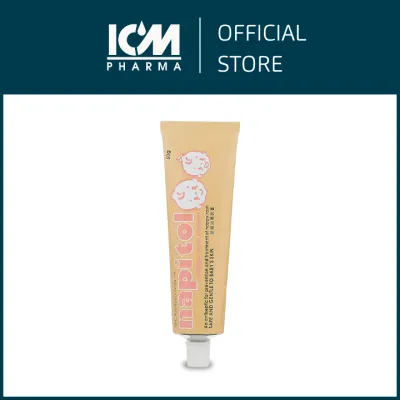
![CETAPHIL BABY Diaper Cream 70g with Organic Calendula & Sunflower Seed Oil [Gentle & Hypoallergenic]](https://img.lazcdn.com/g/p/377e7c5e4c852606b1cbc514019cd00c.png_400x400q80.png_.webp)
![[Bundle of 3] Desitin Daily Defense Diaper Rash Protection Cream Instantly Soothe Diaper Rash Discomfort 57g](https://img.lazcdn.com/g/p/b74ae21f7b47f8ec6b2c02dbfd829fc2.jpg_400x400q80.jpg_.webp)
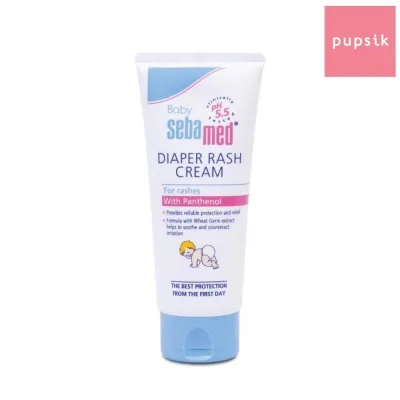
![[Bundle of 2] Bepanthen Baby Triple Action Nappy Care Ointment Exp Oct 2027](https://img.lazcdn.com/g/p/b768c145249ef25a000967475c87ff50.jpg_400x400q80.jpg_.webp)
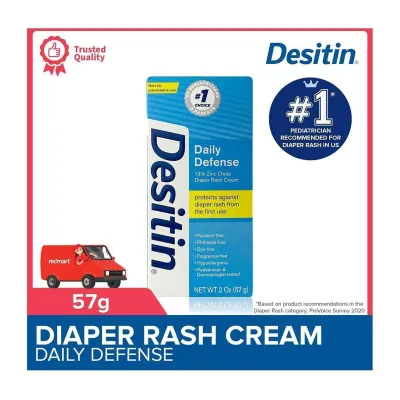
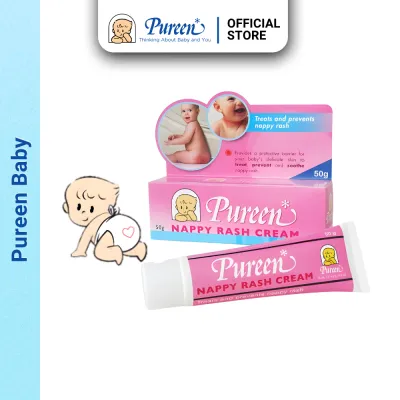
![[Mustela Bundle Deal] Vitamin Barrier Cream 100ml (exp: 09/2028 & beyond) [Nappy Diaper Change]](https://img.lazcdn.com/g/p/6ce9eb86d6f75b43faaf49a3d100bc49.jpg_400x400q80.jpg_.webp)
Prices are valid at publication and may change. Please refer to the product page for the latest price.
- Healthy Skin (Daily Prevention): Use lightweight ointments, petroleum-based barriers, or mild plant-based balms. These formulations are designed to glide on easily and wash off without heavy scrubbing, making them ideal for routine diaper changes and overnight protection.
- Mild Redness or Chafing (Early Intervention): Choose low-concentration zinc oxide creams (typically containing 10% to 15% zinc oxide). These provide a stronger physical barrier than plain ointments while remaining relatively easy to clean off during regular diaper changes.
- Active, Severe, or Weeping Rashes (Therapeutic Treatment): Opt for thick, high-concentration zinc oxide pastes (containing 20% to 40% zinc oxide). These heavy-duty formulations are designed to stay in place even when exposed to heavy wetness, fully isolating the compromised skin from external irritants.
While over-the-counter diaper creams are highly effective for standard irritation, they are not a substitute for professional medical care. If your baby’s skin is broken, bleeding, oozing, or if the rash does not improve after a few days of diligent care, stop using retail products and seek a professional medical evaluation from a pediatrician or general practitioner in Singapore.
Understanding Diaper Cream Formulations and Active Ingredients
Diaper creams are formulated with different active ingredients and bases to achieve specific therapeutic or preventative goals. Understanding how these ingredients interact with your baby’s skin will help you make an informed decision at the pharmacy.

Zinc Oxide-Based Creams (For Active Rashes and High Sensitivity)
Zinc oxide is a naturally occurring mineral that serves as the gold standard for treating active diaper rashes. It is completely insoluble in water, meaning it does not dissolve or wash away when it comes into contact with urine or liquid stool. Instead, it sits on top of the skin, creating a durable, physical barrier that reflects light and blocks external moisture from reaching the irritated epidermis.
In addition to its barrier properties, zinc oxide possesses mild astringent and soothing characteristics that help dry out weeping skin and reduce localized inflammation. The concentration of zinc oxide in a product determines its thickness and protective strength. Lower concentrations (around 10% to 12%) are excellent for daily maintenance and mild chafing, as they spread easily and are simple to wipe away. Higher concentrations (ranging from 20% to 40%) are formulated as dense, white pastes designed to treat moderate to severe rashes by providing maximum physical isolation.
Despite its benefits, high-concentration zinc oxide has practical limitations. It leaves a thick, sticky white residue that can be difficult to clean off during diaper changes, which may tempt parents to scrub the skin—an action that can further irritate healing tissue. Additionally, these heavy pastes can permanently stain clothing, bedding, and fabric diaper inserts, requiring careful handling during application.
Petroleum and Lanolin-Based Ointments (For Everyday Barrier Protection)
Occlusive ointments primarily rely on petroleum jelly (petrolatum) or lanolin to seal the skin’s surface. Unlike zinc oxide, which forms a dry physical block, these ingredients work by creating a greasy, water-repellent film that locks in the skin’s natural moisture while keeping external wetness out. This makes them highly effective at preventing transepidermal water loss (TEWL) and maintaining a healthy skin barrier.
Because they glide on smoothly and do not leave a thick, opaque residue, petroleum-based ointments are highly suited for daily preventative use and overnight protection. They are especially beneficial during long stretches of sleep when immediate diaper changes are not possible. These ointments are easy to wipe away during routine changes, minimizing friction on healthy skin.
However, parents must exercise caution regarding lanolin, which is a natural wax derived from sheep’s wool. While lanolin is an excellent emollient, babies with sensitive skin, eczema, or a family history of wool allergies may experience contact dermatitis or localized redness when exposed to it. Always check the product label for lanolin and perform a patch test on a small patch of healthy skin on your baby’s arm or leg before applying it to the sensitive diaper area.
Plant-Based and Botanical Balms (For Mild Irritation and Normal Skin)
For parents seeking alternatives to petroleum or mineral-based products, plant-based balms offer a formulation utilizing natural lipids, vegetable oils, and herbal extracts. Common ingredients include calendula, chamomile, shea butter, jojoba oil, and beeswax. These ingredients are selected for their natural moisturizing, anti-inflammatory, and skin-softening properties.
These botanical balms are excellent for addressing mild friction, minor dryness, or temporary chafing in babies with healthy, non-compromised skin. They are typically lightweight, absorb naturally into the skin over time, and wash off easily during bath time without leaving a stubborn residue. Many parents appreciate the smooth texture and subtle, natural scents of these formulations.
It is important to remember that “natural” does not automatically mean “hypoallergenic.” Plant extracts, essential oils, and botanical derivatives can sometimes trigger allergic reactions or contact dermatitis, particularly in babies with highly sensitive skin or active eczema. Furthermore, plant-based balms generally lack the heavy-duty, water-resistant occlusive power required to protect raw, weeping skin from the harsh, acidic enzymes present in infant stool.
Adjusting Application Based on Rash Severity
How you apply diaper cream is just as important as the formulation you choose. Adjusting your application technique based on the visual condition of your baby’s skin ensures maximum protection and promotes rapid healing.
Preventative Care: When your baby’s skin is healthy and clear, focus on maintaining a light, preventative barrier. Apply a thin, translucent layer of a petroleum-based ointment or a mild botanical balm during routine diaper changes. The goal is to coat the skin lightly so that moisture slides off, without creating a heavy buildup that is difficult to clean during the next change.
Mild to Moderate Redness: If you notice early signs of irritation, such as pink patches or mild chafing, switch to a thick application technique often referred to as the “icing” method. Apply a generous, opaque layer of zinc oxide cream—similar to frosting a cake—directly over the reddened areas. Do not rub the cream completely into the skin; instead, let a visible layer remain on top. This ensures that the friction from the diaper rubs against the cream rather than your baby’s vulnerable skin.
Crucial Preparation: Regardless of the cream you select, the skin must be completely clean and bone-dry before application. Applying a heavy barrier cream over damp skin traps moisture underneath, creating a warm, humid microclimate that can accelerate skin breakdown and encourage fungal or bacterial infections. Gently pat the skin dry with a clean, soft towel, or let your baby go diaper-free for a few minutes to air-dry completely before applying any product.
Medical Red Flags: While over-the-counter diaper creams can resolve standard diaper dermatitis, certain symptoms indicate a more serious infection or underlying condition. Stop using retail creams and consult a pediatrician or general practitioner in Singapore immediately if you observe any of the following:
- Bleeding, open sores, blisters, or peeling skin
- Pus, oozing yellow fluid, or crusting
- A fever or signs of systemic illness
- A bright red rash with distinct "satellite" red spots spreading into the skin folds, which often indicates a yeast (Candida) infection requiring prescription antifungal treatment
- A rash that does not show any improvement after three days of diligent barrier care and frequent diaper changes
Reading the Label: Ingredients to Avoid for Sensitive Skin
Evaluating the ingredient list on a diaper cream label is essential to protect your baby’s delicate skin barrier. The skin in the diaper area is thin, highly permeable, and frequently exposed to heat and moisture, making it far more susceptible to absorbing chemical additives than adult skin.
When choosing a product, look for formulas that are fragrance-free and hypoallergenic. Avoid products containing added synthetic fragrances, perfumes, or artificial dyes, as these are primary triggers for contact dermatitis and skin sensitization. Even natural fragrances, such as strong essential oils (like lavender, tea tree, or citrus oils), can be highly irritating when applied to compromised or broken skin.
Preservatives are necessary to prevent bacterial growth in water-based creams, but certain types are too harsh for infant skin. Avoid products containing parabens, formaldehyde releasers, or methylisothiazolinone (MI). Additionally, avoid products containing talc; while historically used to absorb moisture, talc poses serious respiratory risks if inhaled during application and is generally discouraged in modern infant care.
Cross-reference the ingredient list with any known family allergies. For example, if there is a family history of nut allergies, you may want to avoid creams containing sweet almond oil, macadamia nut oil, or shea butter until you have verified their safety with your pediatrician. Always look for clear, localized labeling that indicates the product has been dermatologically tested and is explicitly formulated for infant use.
Safe Purchasing and Storage Practices in Singapore
To ensure the safety and efficacy of the diaper creams you use, it is important to practice safe purchasing habits and store the products correctly, particularly given Singapore’s tropical climate.
Purchasing Channels: Always purchase diaper creams from established physical pharmacies, major local supermarket chains, or official brand stores on authorized online marketplaces in Singapore. This minimizes the risk of buying counterfeit, expired, or improperly stored products that could harm your baby’s skin. Avoid buying from unverified third-party sellers on e-commerce platforms, as these products may not have undergone proper regulatory checks.
Verification at Point of Sale: Before purchasing, inspect the packaging carefully. Verify that the safety seal is fully intact, check the expiration date, and confirm that the packaging includes a complete ingredient list and usage instructions in English. Avoid products with damaged packaging, faded print, or those lacking clear manufacturer details.
Climate-Specific Storage: Singapore’s high ambient temperatures and intense humidity can significantly impact the physical stability of diaper creams. Extreme heat can cause natural balms and ointments to melt, separate, or lose their structural integrity, rendering their barrier properties ineffective. High humidity can also introduce moisture into open containers, creating an environment ripe for mold and bacterial growth.
Practical Storage Tips: Store diaper creams in a cool, dry place away from direct sunlight, such as a closed cabinet or drawer, rather than on an open changing table near a window. To prevent introducing moisture and environmental bacteria into the container, always wash and dry your hands thoroughly before scooping out the cream, or use a dedicated, sanitized silicone spatula. Keep the lid tightly sealed immediately after each use to maintain product freshness.
Frequently Asked Questions (FAQ)
Can I use standard diaper cream with cloth diapers?
Most standard diaper creams, especially those containing petroleum, mineral oil, or high concentrations of zinc oxide, are not compatible with cloth diapers. These heavy ingredients coat the fabric fibers, creating a water-resistant buildup that causes the diapers to repel moisture and leak. If you use cloth diapers, look for water-soluble, cloth-safe formulations, or use a disposable flushable liner to protect the fabric from the cream.
How do I safely remove thick zinc oxide cream without scrubbing?
Scrubbing or rubbing irritated skin to remove stubborn zinc oxide residue can cause further friction damage and delay healing. Instead of using standard baby wipes, apply a small amount of plain mineral oil or baby-safe coconut oil to a soft cotton pad. The oil will gently dissolve the zinc oxide, allowing you to wipe it away effortlessly without irritating the skin. Follow up by cleansing the area gently with warm water and a mild, fragrance-free cleanser, then pat dry.
Is it safe to use diaper cream on a baby's face or other body folds?
While plain, single-ingredient petroleum jelly is generally safe for soothing drool rash or dry patches on a baby’s face, thick zinc oxide pastes and medicated creams should be restricted to the diaper area unless specifically directed by a healthcare professional. Applying heavy, highly occlusive creams to the face or deep body folds (such as the neck or thighs) can trap sweat, sebum, and heat. In Singapore’s humid climate, this can easily clog pores and lead to heat rash, folliculitis, or localized skin irritation.

Community discussion
Share your experience or ask a question. Comments are reviewed before publication.