
Setting up a nursery involves making practical decisions that streamline daily caregiving routines while keeping your baby secure. Among the most frequently used items in any nursery is the diaper changing pad, a dedicated surface designed to make frequent diaper changes comfortable, hygienic, and efficient. Choosing the right pad requires balancing your available nursery space, your family’s daily mobility needs, and essential safety features.
A well-chosen changing pad does more than provide a soft surface; it integrates into your home layout, whether you have a spacious nursery or a compact apartment. By evaluating your specific furniture setup, cleaning preferences, and lifestyle habits, you can select a model that simplifies cleanups and supports your baby’s development. This guide outlines the key decision factors, from material durability to structural safety, to help you make an informed choice for your home.
Assess Your Nursery Space to Determine the Right Pad Type
In many urban homes, such as apartments and HDB flats in Singapore, floor space is at a premium. Before purchasing any diaper changing pad, it is essential to measure your available nursery area and any existing furniture you plan to use. Knowing the exact dimensions of your dresser top or changing table prevents the frustration of buying a pad that overhangs or fits insecurely.
Products mentioned in this guide
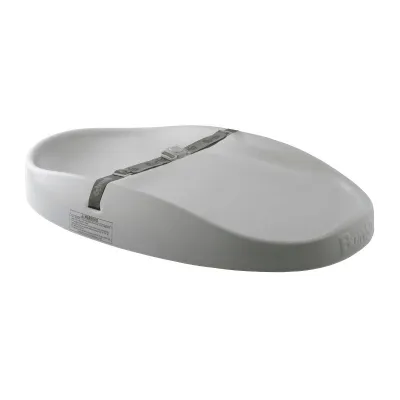
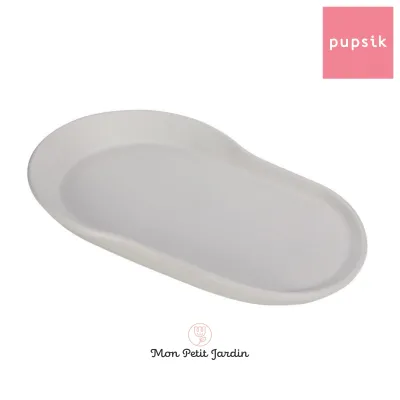
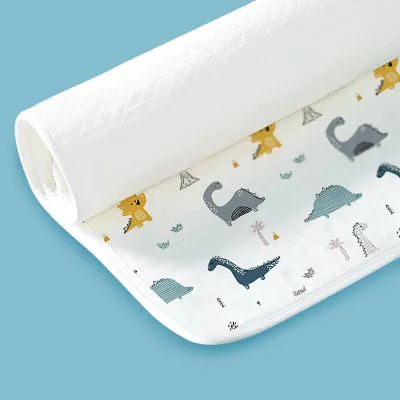
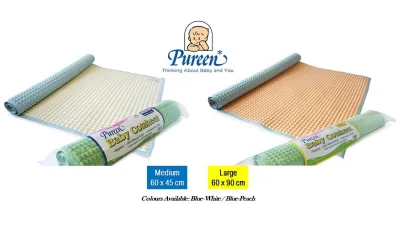
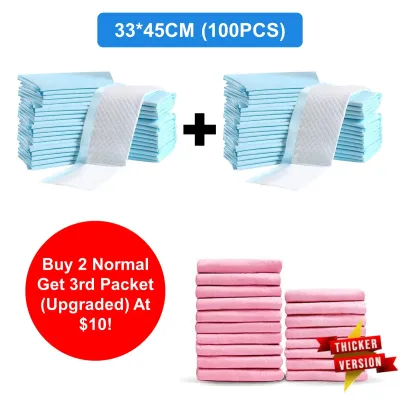

Prices are valid at publication and may change. Please refer to the product page for the latest price.
A dedicated changing table offers built-in shelving and drawers, keeping diapers, wipes, and spare clothes organized in one central location. These tables are designed specifically for diaper changes, providing a stable, waist-high station that reduces strain on your back. However, they occupy a permanent footprint in the room, which may not be ideal if you plan to repurpose the space as your child grows.
For a more versatile setup, a dresser-top conversion kit allows you to transform a standard chest of drawers into a changing station. This dual-purpose approach saves valuable floor space by combining storage and changing functions. When using a dresser, ensure the surface is wide and deep enough to accommodate both the changing pad and a secure wooden topper frame, leaving sufficient clearance for safety.
If your nursery setup is exceptionally compact, alternative designs like wall-mounted or fold-down changing stations offer excellent space-saving benefits. These units fold flat against the wall when not in use, keeping the floor completely clear. When choosing a wall-mounted option, professional installation is crucial to ensure the unit is anchored securely to wall studs to support the weight of your growing baby.
Match the Pad Design to Your Daily Routine and Mobility
Your daily caregiving routine dictates whether a stationary pad or a mobile alternative is best suited for your home. Stationary, contoured changing pads are designed to remain in one place, typically secured to a dresser top or changing table. These pads often feature a non-slip bottom or physical attachment straps that screw directly into the back of your furniture, providing a highly stable and consistent station for every change.

If your daily routine involves moving between different rooms, a single stationary station might feel restrictive. Lightweight, portable foam pads allow you to set up a temporary changing area on the living room floor, a bed, or a rug. These pads are easy to carry with one hand while holding your baby, making them highly convenient for multi-story homes or open-plan living spaces.
For families who travel frequently or spend weekends visiting relatives, a compact, foldable travel pad is an essential accessory. These travel-friendly options are typically made of thin, water-resistant materials that fold down to fit easily inside a diaper bag. While they do not offer the thick cushioning of a stationary foam pad, they provide a clean, barrier-protected surface for public restrooms, car trunks, or outdoor outings.
Evaluate Materials for Easy Cleaning and Baby's Comfort
Diaper changes can be messy, making the material of your changing pad one of the most critical factors for long-term satisfaction. Traditional changing pads often feature a polyurethane or PVC-coated waterproof exterior. These surfaces are exceptionally easy to clean, requiring only a quick wipe with a damp cloth or a baby-safe sanitizing wipe after each use, which minimizes laundry loads.
Alternatively, some parents prefer fabric-covered changing pads or pads that require a separate fabric cover. While fabric surfaces can feel warmer and softer against a baby’s skin, they inevitably require frequent washing. If you choose a fabric-covered model, ensure the cover is easily removable and machine-washable, and consider purchasing multiple covers so you always have a clean spare on hand during laundry cycles.
Beyond the outer surface, the internal filling determines the pad’s comfort and structural integrity. High-density foam provides firm support that keeps your baby comfortable without sinking too deeply, which is important for maintaining a stable position. Avoid pads that feel overly soft or flimsy, as they may flatten quickly under your baby’s weight and fail to provide adequate cushioning against the hard furniture surface underneath.
Always check the manufacturer’s care labels and product instructions before applying cleaning agents or submerging any part of the pad in water. Some modern elastomeric foam pads can be rinsed directly in the sink or shower, while others have internal wooden boards or delicate foam cores that must never be saturated. Following these guidelines prevents mold growth and ensures the materials do not degrade prematurely.
Verify Essential Safety Features Before You Buy
Safety is the paramount consideration when selecting any nursery equipment, and diaper changing pads are no exception. Most high-quality stationary pads feature contoured edges, raised sides, or a recessed center. This curved design helps keep your baby centered on the pad, reducing the risk of them rolling toward the edges during active moments, though it should never replace active caregiver supervision.
A secure anchoring system is vital, particularly when placing a changing pad on top of a dresser or table. Look for pads equipped with non-slip bottom grips and fabric security straps attached to the underside. These straps are designed to be screwed directly into the back of your wooden furniture, preventing the entire pad from sliding or shifting when your baby moves.
In addition to anchoring the pad to the furniture, verify that the pad includes an adjustable safety belt to secure your baby during changes. This belt should be easy to buckle and adjust with one hand, allowing you to keep your other hand on your baby at all times. Check that the buckle is sturdy and cannot be easily undone by an active infant.
Before making a purchase, carefully read the manufacturer’s product labels and instruction manuals for specific weight limits and safety warnings. Standard changing pads typically support infants up to a certain weight, often around 13.6 kilograms (30 pounds), though this varies by model. Ensure the product complies with recognized safety standards and that you fully understand all installation requirements before use.
Plan for Essential Accessories and Long-Term Use
When planning your nursery budget, remember to account for essential accessories that complement your changing pad. Waterproof liners are highly practical additions; placing a small, washable liner directly under your baby’s bottom protects the main pad cover from minor leaks, reducing how often you need to wash the entire cover. A nearby diaper caddy is also invaluable for keeping diapers, wipes, creams, and disposal bags organized and within arm’s reach, ensuring you never have to step away from the changing table.
As your baby grows, their physical development will eventually make elevated changing surfaces less practical. It is crucial to monitor your baby’s mobility and look for observable signs that indicate they are outgrowing the changing pad. When your baby begins to roll over actively, push up on their hands and knees, or attempt to sit up, the risk of falls increases significantly, signaling that it is time to transition to a different setup.
Once your baby reaches these developmental milestones or exceeds the manufacturer’s specified weight or height limits, transitioning to floor changes is the safest option. Changing your baby on a clean play mat or a portable pad on the floor eliminates the risk of falls entirely. For older toddlers, standing diaper changes can also be an effective and cooperative alternative, allowing you to phase out the elevated changing station completely.
Frequently Asked Questions (FAQ)
Do I really need a dedicated changing table, or can I use a dresser?
You do not necessarily need a dedicated changing table; a standard dresser can serve as an excellent changing station when paired with a secure changing pad or a dresser-top conversion kit. Using a dresser is a popular, space-saving choice because it provides dual-purpose utility and can continue to be used as your child grows. However, if you choose to use a dresser, you must ensure it is at an ergonomic height for comfortable changing and that the dresser itself is securely anchored to the wall with anti-tip brackets to prevent tipping hazards.
How do I know when my baby has outgrown the changing pad?
Your baby has outgrown the changing pad when they exceed the manufacturer’s specified weight or length limits, or when they exhibit developmental signs of increased mobility. If your baby can actively roll over, push up on their hands and knees, or attempt to sit up, using an elevated changing pad becomes a safety hazard. Additionally, if your baby’s head or feet extend past the ends of the pad, it is time to transition to changing them on a secure, flat surface on the floor.

Community discussion
Share your experience or ask a question. Comments are reviewed before publication.