
Assess Your Space and Routine to Find the Right Fit
Setting up a nursery requires balancing comfort, safety, and spatial efficiency. Selecting the right changing pad directly impacts your daily physical comfort and your baby’s safety. To determine the ideal fit, you must evaluate your available floor space, home layout, and daily routine.
In compact apartments, floor space is at a premium. Measuring your nursery floor and existing furniture is an essential first step. If you have a sturdy chest of drawers, a dresser-top setup maximizes vertical space. If the nursery cannot accommodate large furniture, a foldable or portable option prevents the room from feeling overcrowded.
Your daily routine also dictates the type of pad that serves you best. Consider whether diaper changes will occur exclusively in the nursery or across different rooms. A fixed station is efficient for structured organization, while a portable or foldable pad offers flexibility for a shifting daily schedule.
Products mentioned in this guide
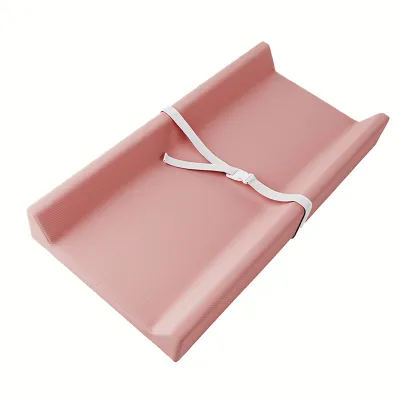

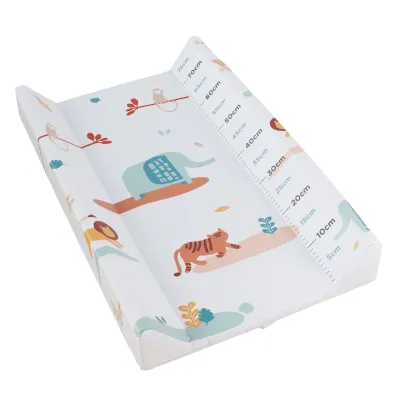
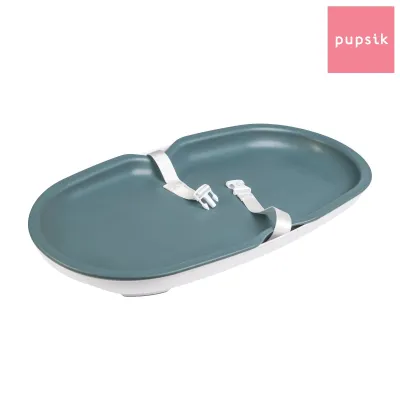
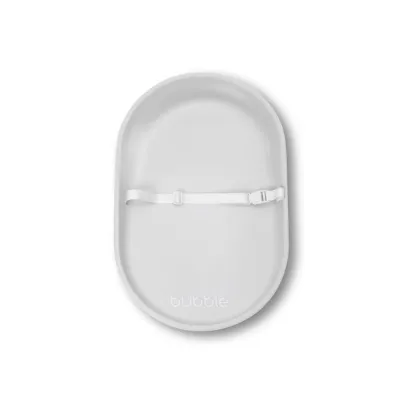
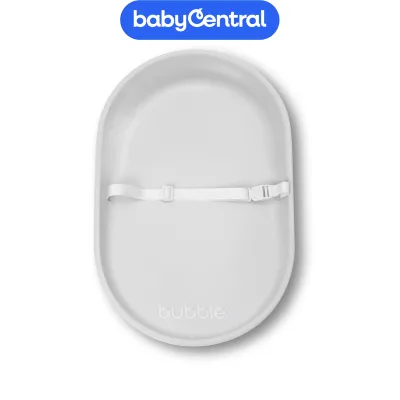
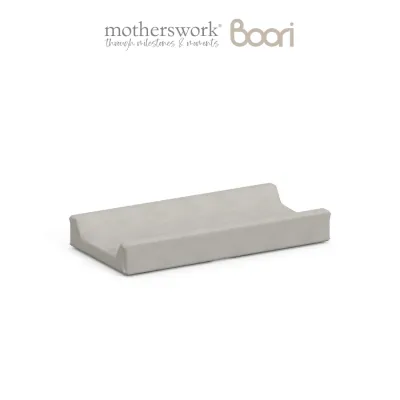

Prices are valid at publication and may change. Please refer to the product page for the latest price.
Ergonomics play a critical role in caregiver health, as repetitive bending can lead to significant lower back strain. Selecting a setup that places the baby at an optimal working height—typically around hip-to-waist level—is vital. A fixed dresser-top setup is highly advantageous for a stable, raised surface, whereas a floor-based setup requires more physical effort.
To guide your decision, keep this simple mental checklist in mind: if you have ample space and prefer a permanent, organized station with immediate access to storage, a dresser-top changing pad is your best option. If your space is highly constrained or serves multiple functions, a foldable changing pad provides a firm surface that can be easily tucked away. If you are frequently on the move or want multi-room flexibility without heavy lifting, a lightweight portable changing pad is the most practical choice.
Dresser-Top Changing Pads: For Dedicated Spaces and Storage
Dresser-top changing pads are the classic choice for a traditional, dedicated nursery layout. These pads are designed to sit securely on top of an existing chest of drawers or a dedicated changing table, transforming a standard piece of furniture into a highly functional diapering station. This setup is ideal for caregivers who prefer a single, organized hub for all diapering tasks.

The primary advantage of a dresser-top changing pad is its integration with existing storage. By placing the pad on a dresser, you position the baby directly above drawers filled with diapers, wipes, clothing, and barrier creams. This proximity allows you to maintain one-handed contact with your baby at all times while easily reaching necessary supplies. Additionally, these pads are typically contoured, featuring curved or raised sides that gently guide the baby toward the center of the pad, providing a secure and comfortable cradle.
Despite these benefits, there are distinct limitations to consider. A dresser-top pad occupies permanent real estate on your furniture, rendering that surface unavailable for other uses. It is also heavy and cumbersome to move, meaning you cannot easily relocate the station to another room if your daily routine changes. Furthermore, babies grow rapidly; your child may outgrow the physical length of a standard dresser-top pad long before they are fully potty-trained, requiring you to transition to a different changing method.
Safety and installation requirements for dresser-top pads are exceptionally stringent. The pad must be securely anchored to the dresser using the manufacturer-provided safety straps or brackets, which are typically screwed into the back of the furniture piece. Caregivers must verify that the dresser itself is structurally stable, deep enough to fully support the pad without any overhang, and anchored securely to the wall to prevent tip-over hazards. Always consult the manufacturer’s specific installation instructions to ensure the pad and furniture are compatible and safe for use.
Foldable Changing Pads: For Compact Rooms and Hidden Storage
Foldable changing pads offer a middle ground for caregivers who require a firm, supportive changing surface but cannot dedicate permanent furniture space to a changing station. These pads typically feature a segmented design with a rigid internal board, allowing them to unfold into a flat, stable platform and fold back down into a compact shape for easy storage.
This style is suited for small nurseries, shared bedrooms, or multi-functional spaces. When the pad is not in use, it can be folded flat and slid under a crib, tucked behind a wardrobe, or stored in a closet, keeping the room clutter-free. The rigid internal structure provides excellent, firm support for the baby’s back, which is superior to the soft, unstructured surface of a blanket or towel. Additionally, the outer materials are usually designed to be highly wipeable and waterproof, making cleanups straightforward.
However, the foldable design introduces certain daily inconveniences. You must physically retrieve, unfold, and set up the pad for every single diaper change, which can feel tedious during exhausting middle-of-the-night changes. Unlike dresser-top setups, foldable pads do not have built-in drawers or shelves, meaning you must carry your diapering supplies with you or set up a secondary mobile storage caddy nearby.
When using a foldable changing pad, safety and surface stability are paramount. These pads must only be placed on flat, stable, and non-slippery surfaces, such as a firm bed or a low, sturdy table. Because foldable pads generally lack high, contoured sides or safety straps to secure them to the underlying furniture, they do not prevent a baby from rolling off the sides. Caregivers must maintain continuous physical contact with the baby during the entire changing process to ensure safety.
Portable Changing Pads: For Travel and Multi-Room Flexibility
Portable changing pads are designed for maximum mobility, making them indispensable for travel, outdoor excursions, and quick transitions between different rooms in the home. Typically constructed from lightweight fabrics with a waterproof lining, these pads often roll up or fold into a compact clutch-style packet that can easily fit inside a diaper bag or hang from a stroller handlebar.
The main benefit of a portable pad is its ability to provide a clean, hygienic barrier wherever you are. Whether navigating public changing tables, visiting family, or changing your baby on the living room floor, a portable pad protects sensitive skin from unsanitary surfaces. Many models feature integrated mesh pockets designed to hold a small supply of diapers and a travel-sized wipe case, allowing you to carry a complete, self-contained changing kit in one hand.
The trade-off for this extreme portability is a lack of structural support and safety boundaries. Portable changing pads are thin and flexible, offering minimal cushioning and no rigid support. They do not feature raised, contoured edges or safety harnesses, which means an active, older baby who has learned to roll or wiggle can easily move off the pad. Consequently, they are not suitable as a primary, elevated changing station for daily home use.
To ensure safety, portable changing pads should be used primarily on the floor or within secure, enclosed spaces such as a travel playard or crib. Using a portable pad on elevated furniture like a dining table, kitchen counter, or high bed is highly discouraged due to the extreme risk of the baby rolling or sliding off the edge. When utilizing public changing facilities, always keep one hand firmly on your baby, as these thin pads do not provide any physical containment.
Safety, Materials, and Features to Verify Before Buying
Regardless of the type of changing pad you select, verifying specific safety standards, material compositions, and functional features is critical before making a purchase. Your choice should prioritize the physical security of your baby and the chemical safety of the materials that will come into direct contact with their skin.
Evaluate the fall-prevention features of the pad first. Look for models equipped with robust safety straps, ideally featuring a secure three-point harness that fastens comfortably over the baby’s torso. The underside of the pad should feature a reliable non-skid or high-friction material to prevent the pad from sliding across the furniture surface. For dresser-top models, verify that the package includes heavy-duty anchoring hardware and check that it is fully compatible with your specific dresser.
Material safety is equally vital, as babies have delicate skin that is highly sensitive to chemical irritants. Carefully read the product labels and manufacturer declarations to confirm the materials used. Look for waterproof, easy-to-wipe surfaces that are labeled as PVC-free, phthalate-free, and lead-free. Rather than relying solely on vague marketing terms, verify whether the product holds reputable third-party material safety certifications, such as Oeko-Tex Standard 100 or CertiPUR-US, which indicate rigorous testing for harmful substances.
Additionally, you must verify the manufacturer’s stated weight limits and developmental milestones for the pad. Most elevated changing pads are rated for babies up to a specific weight (often around 13 to 15 kilograms), but developmental milestones are frequently more critical than weight. Once your baby begins to roll over aggressively, push up on their hands and knees, or attempt to sit up, the risk of a fall from an elevated surface increases dramatically, signaling that it is time to transition to a floor-based changing routine.
Ultimately, the most important safety feature in any nursery is the caregiver’s undivided attention. The non-negotiable golden rule of diaper changing is to never leave your baby unattended on a changing pad, even for a single second. Even a newborn can unexpectedly wiggle or slide, and older babies can roll over in the blink of an eye. To maintain constant supervision, establish a routine of gathering all necessary supplies—including clean diapers, wipes, creams, and a change of clothes—and placing them within arm’s reach before you lay your baby down on the pad.
Frequently Asked Questions (FAQ)
Do I really need a changing pad, or can I just use a towel?
While you can change a baby on a towel on the floor, a dedicated changing pad offers distinct safety, hygiene, and comfort advantages. Towels are highly absorbent, meaning any accidental spills or leaks will soak through directly to your carpet or flooring, creating a hygiene challenge. Furthermore, towels lack a non-slip backing, which can cause them to bunch up or slide under an active baby. Dedicated changing pads feature waterproof, wipeable surfaces that isolate messes, non-skid bases to prevent sliding, and contoured edges or safety straps that are essential for secure changing on elevated surfaces.
When should I stop using an elevated changing pad?
You should stop using an elevated changing pad as soon as your baby reaches the manufacturer’s specified weight limit or exhibits certain developmental milestones, whichever occurs first. Key physical signs to watch for include your baby learning to roll over actively, pushing up onto their hands and knees, or attempting to sit up or climb. These movements significantly increase the risk of the baby shifting the pad or falling from a high surface. When these milestones are reached, it is safest to transition to changing your baby on a portable pad placed directly on the floor, where there is zero risk of a fall injury.
Can I put a changing pad on top of any dresser?
No, you cannot safely place a changing pad on just any dresser. To use a dresser as a changing station, the furniture must be highly stable, structurally sound, and have a flat top surface deep enough to accommodate the pad without any portion of the pad hanging over the edge. You must be able to securely anchor the changing pad to the back of the dresser using the manufacturer’s safety straps. Furthermore, because the combined weight of the pad, the baby, and the caregiver’s downward pressure can alter the furniture’s center of gravity, you must install an anti-tip furniture anchor kit to secure the dresser firmly to the wall studs to prevent a catastrophic tip-over accident.
Community discussion
Share your experience or ask a question. Comments are reviewed before publication.