
Navigating Singapore’s bustling urban landscape with a baby requires a diaper bag that balances mobility, climate resilience, and rapid accessibility. Whether you are boarding a crowded MRT train during peak hours, maneuvering a stroller through narrow shopping mall aisles, or stepping out into sudden tropical downpours, your choice of bag directly impacts your comfort and peace of mind. The ideal diaper bag for local day trips is not just a storage container; it is a mobile organization system designed to handle high humidity, frequent transitions between air-conditioned spaces and outdoor heat, and the fast-paced nature of urban parenting. By focusing on streamlined packing and selecting a style that matches your primary mode of transit, you can enjoy stress-free outings across the island.
When planning a day trip in Singapore, parents must prepare for a unique set of environmental factors. The transition from the intense outdoor heat to highly air-conditioned malls or train stations requires carrying extra layers, such as a light blanket or cardigan for the baby. Sudden afternoon showers, common throughout the year, mean that a diaper bag must offer some degree of water resistance to protect clean clothes, diapers, and electronics. Furthermore, navigating public transit systems like the MRT requires a bag that remains compact and secure against your body, allowing you to pass through fare gates smoothly without bumping into other commuters.
Accessibility is another critical factor when managing a baby in public spaces. Singapore is highly stroller-friendly, with step-free access across most public areas, but there are times when you must fold your stroller to board a bus or climb stairs. In these moments, having a diaper bag that is easy to carry while holding your baby becomes invaluable. A well-designed bag allows you to retrieve essential items—such as wet wipes, pacifiers, or a baby bottle—with one hand, minimizing stress during diaper changes in public nursing rooms or unexpected spills at a cafe table.
Products mentioned in this guide
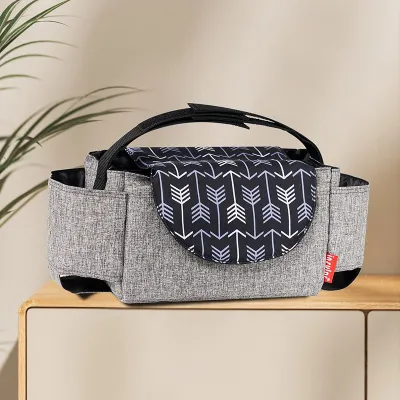
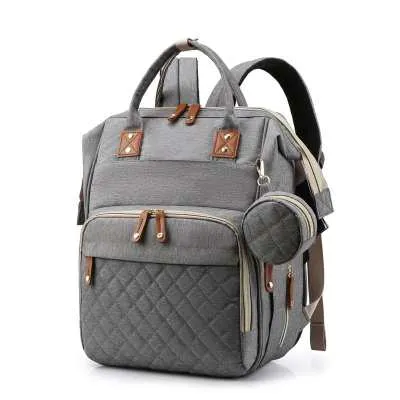
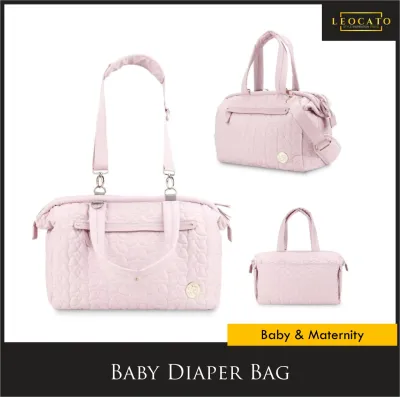
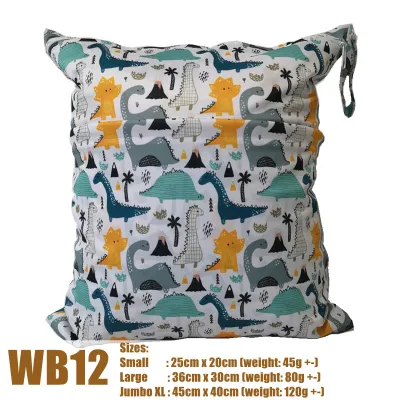
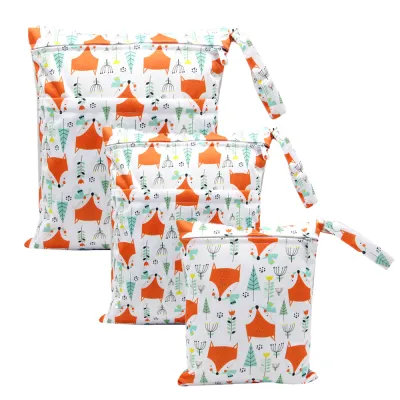
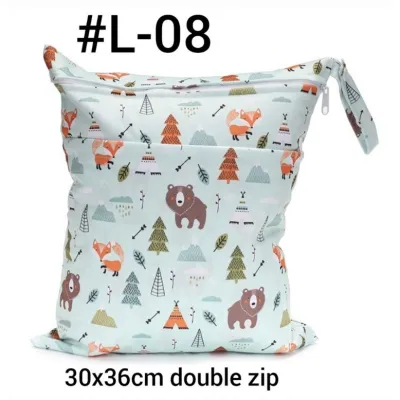
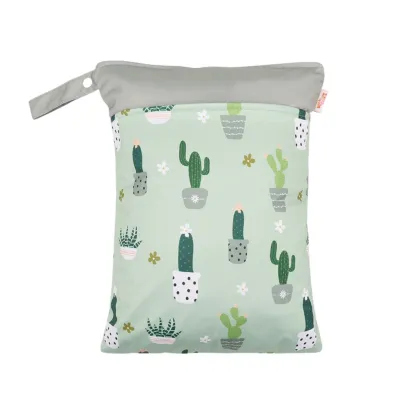
Prices are valid at publication and may change. Please refer to the product page for the latest price.
Rather than packing for every possible scenario, successful day trips rely on a streamlined approach. Carrying an excessively heavy bag can lead to physical fatigue and make navigating crowded spaces frustrating. By understanding your specific travel patterns and choosing a bag that accommodates only the essentials for a few hours, you can maintain your mobility and focus on enjoying the outing with your child. This guide outlines the key styles, essential features, and practical packing strategies to help you select the perfect diaper bag for your urban adventures.
Diaper Bag Styles Suited for Urban Day Trips
Selecting the right diaper bag style is closely tied to how you plan to travel and the destinations you frequent. Different carrying styles distribute weight differently across your body, affecting your comfort during long walks or quick errands. By matching the bag’s design to your primary mode of transport—whether that is pushing a stroller through a shopping center, wearing your baby in a carrier, or commuting via public transit—you can ensure a much more comfortable experience.
Backpacks for Active Commuting and Park Visits
Backpack-style diaper bags are highly favored by parents who prioritize hands-free mobility and ergonomic comfort. By distributing weight evenly across both shoulders, a backpack reduces strain on your back and neck, making it ideal for longer walking trips. This style is particularly beneficial when navigating outdoor spaces like the Singapore Botanic Gardens, walking along East Coast Park, or managing multiple children on public buses and trains. With both hands free, you can easily hold handrails, tap your travel card at MRT gantries, or carry your baby safely.
When selecting a diaper backpack, look for models that feature ergonomic, padded shoulder straps and a breathable back panel. Singapore’s tropical climate can quickly cause discomfort and sweat buildup if a backpack rests flat against your back without proper ventilation. Mesh panels or airflow channels help mitigate this issue, keeping you cooler during outdoor walks. Additionally, check for integrated stroller straps or clips that allow you to hang the bag from your stroller handlebar when you want to rest your shoulders.
However, hanging a heavy backpack on a stroller requires caution. Always verify the stroller manufacturer’s weight limits and safety guidelines to prevent the stroller from tipping backward when your child is removed. A safe practice is to place heavier items at the bottom of the stroller basket and use the handlebar straps only for lighter, frequently accessed items. Backpacks with a wide-opening top or a back-access zipper are especially useful, as they allow you to retrieve items from the bottom of the bag without unpacking everything from the top.
Totes and Crossbody Bags for Mall Hopping and Cafes
For parents who spend most of their outings in air-conditioned shopping malls, cafes, or indoor play areas, tote and crossbody diaper bags offer unmatched convenience. These styles typically feature wide, open-top access, allowing you to quickly reach inside and grab a toy, wipe, or snack without having to take the bag off. This rapid accessibility is incredibly helpful when you are seated at a compact cafe table or utilizing a busy mall nursing room where space is limited.
Totes often come with structured internal compartments that keep bottles, diapers, and personal items upright and organized. Many designs also include a detachable crossbody strap, giving you the flexibility to carry the bag hands-free over one shoulder when needed. This versatility makes totes an excellent choice for short outings, indoor playdates, or quick trips to the supermarket where you do not need to carry a heavy load for extended periods.
The primary trade-off with totes and crossbody bags is weight distribution. Carrying a fully loaded bag on one shoulder for several hours can lead to muscle strain and posture imbalance. To avoid discomfort, these bags are best paired with a stroller that has a spacious under-seat storage basket where the bag can rest when you are walking long distances. When choosing a tote, look for wide, padded shoulder straps that help distribute the weight more comfortably across your shoulder.
Essential Features and Materials to Verify Before Buying
Before purchasing a diaper bag, it is essential to inspect its functional details and material specifications to ensure it can withstand daily use in Singapore’s climate. High-quality hardware and thoughtful design elements make a significant difference in how easily you can manage the bag under pressure.

First, examine the insulated bottle pockets. Many diaper bags feature dedicated compartments lined with thermal material to keep milk, formula, or water at the desired temperature. Verify the physical dimensions of these pockets against the specific baby bottles you use, as some wide-neck or extra-tall bottles may not fit comfortably. Additionally, check the manufacturer’s specifications regarding thermal retention; while these pockets are excellent for short trips, they are not a substitute for a dedicated cooler bag if you need to store breast milk safely for many hours in warm weather.
Second, check the inclusion and quality of the changing mat. A portable changing mat is an essential accessory for hygienic diaper changes on the go. Verify that the included mat is sufficiently padded for your baby’s comfort and large enough to accommodate their growth. The surface must be made of a non-porous, waterproof material that can be easily wiped clean with a sanitizing wipe after each use. Some bags feature a dedicated, quick-access pocket for the changing mat, keeping it separate from clean clothes and feeding supplies.
Third, prioritize durable, easy-care materials. The interior lining of the bag should be water-resistant and light-colored, which makes it much easier to locate small items at the bottom of the bag. Look for fabrics that are treated for stain resistance and can be spot-cleaned easily. If you prefer a low-maintenance option, verify whether the bag or its removable liner is machine-washable by checking the care label. For the exterior, tightly woven nylon or polyester fabrics offer excellent durability and water resistance against sudden rain showers.
Finally, test the zippers and hardware. When you are holding a crying baby with one hand, you must be able to open and close your diaper bag smoothly with the other. Look for heavy-duty, smooth-gliding zippers with large pull tabs that are easy to grip. Magnetic closures on external pockets can also facilitate quick, quiet access. Avoid bags with flimsy plastic clasps or zippers that catch easily, as these components are prone to breaking under the strain of a fully packed bag.
How to Pack Efficiently for a Short Urban Outing
Overpacking is a common challenge for parents, often resulting in a heavy, cluttered bag that makes finding essential items difficult. By streamlining your packing list and organizing your gear systematically, you can keep your diaper bag light and highly functional for a typical three-to-four-hour outing.
A practical packing list for a short urban day trip should focus strictly on the essentials. For a baby under one year old, this typically includes three to four diapers, a travel-sized pack of wet wipes, a small tube of diaper cream, a changing mat, and a complete change of clothes in case of blowouts. If bottle-feeding, pack pre-measured formula dispensers, clean bottles, and a thermos of warm water. For breastfed babies, a lightweight nursing cover can provide privacy in public spaces. Do not forget to pack a small, sealable wet bag or plastic bag to store soiled clothes or used diapers when a trash bin is not immediately available.
To maintain order inside your bag, utilize a modular packing system. Instead of letting small items float freely in the main compartment, group them into separate, color-coded pouches or packing cubes. For example, place all diapering essentials (diapers, wipes, cream, and mat) in one pouch, and spare clothing in another. This allows you to grab only the specific pouch you need when heading to a changing room, rather than carrying the entire diaper bag with you. It also makes switching between different bags incredibly simple.
Finally, adjust your packing list based on your destination’s amenities. Singapore’s modern shopping malls often feature exceptionally well-equipped nursing rooms complete with hot water dispensers, private feeding cubicles, and paper towels. If you are spending your afternoon in such a facility, you can safely leave out heavy thermoses of water. Conversely, if you are visiting an outdoor park, nature reserve, or older neighborhood center, you must pack more self-sufficiently. This means carrying extra drinking water, a portable mini-fan to keep your baby cool, insect repellent, and additional sanitizing supplies.
Frequently Asked Questions (FAQ)
Can I use a regular backpack instead of a dedicated diaper bag?
Yes, you can certainly use a standard backpack, but you may miss the specialized organizational features of a dedicated diaper bag. Standard backpacks typically lack insulated bottle pockets, dedicated quick-access compartments for wet wipes, and waterproof linings designed to contain spills. If you choose to use a regular backpack, consider purchasing a diaper bag organizer insert. These removable inserts fit inside standard bags and provide structured pockets, bottle holders, and compartments, allowing you to convert your favorite backpack into a functional baby bag while maintaining its original aesthetic.
How do I clean and maintain a diaper bag in a humid climate?
Singapore’s high humidity creates an environment where mold, mildew, and unpleasant odors can develop quickly if a diaper bag is not properly maintained. To prevent this, make it a habit to empty your bag completely at the end of every outing, removing any damp clothes, used bibs, or leftover snacks. Wipe down the interior and exterior surfaces with a damp cloth and a mild, baby-safe detergent, paying close attention to seams and pockets where crumbs can accumulate. Always refer to the manufacturer’s care label before attempting to machine-wash or submerge the bag. After cleaning, open all zippers and compartments fully, and allow the bag to air-dry completely in a well-ventilated, shaded indoor area before storing it away.

Community discussion
Share your experience or ask a question. Comments are reviewed before publication.