
Finding the right diaper bag is not about buying the most expensive or highly rated option on an online marketplace; it is about matching the bag’s physical design to your daily movement, feeding choices, and physical comfort. The best bag for a parent who primarily navigates public transit with a stroller will look vastly different from one chosen by a parent who drives everywhere. By analyzing your routine first, you can identify which specifications are essential and which are simply adding unnecessary weight and cost.
Assess Your Daily Lifestyle and Commute
Your daily transit mode is the single most important factor in determining the ideal diaper bag silhouette. If you frequently rely on public transport like buses and the MRT in Singapore, or if you walk long distances, a backpack style is often the most practical choice. It distributes weight evenly across both shoulders, keeps your hands completely free to manage a stroller or carrier, and remains secure when boarding and exiting trains.
Conversely, if your routine primarily involves driving, a tote bag or a structured crossbody bag might serve you better. These styles can sit upright on a car seat, offering quick, wide-open access to diapers and wipes without requiring you to unbuckle or unzip multiple compartments while parked. The key is to look at where the bag will rest during your journey and how often you need to carry it on your body.
Products mentioned in this guide
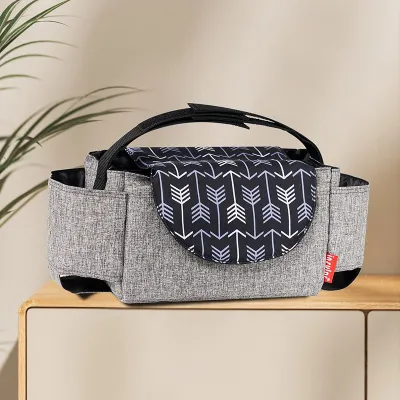
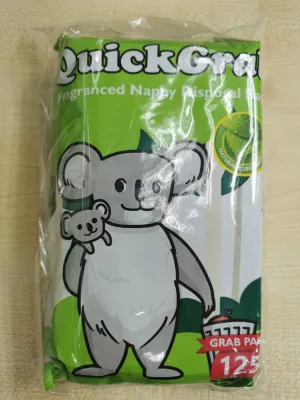
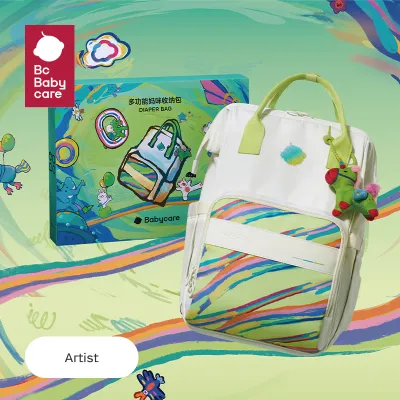
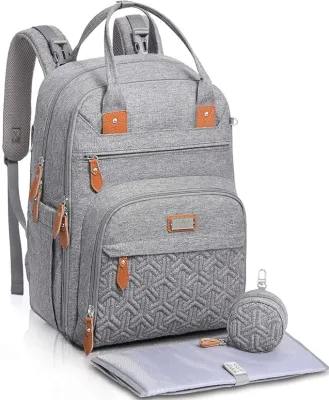
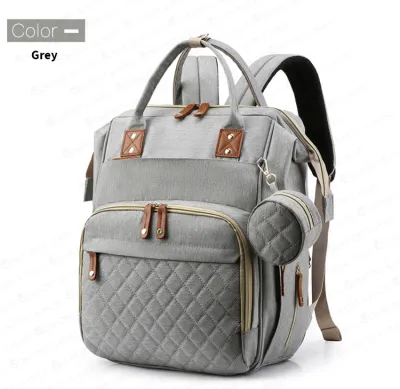
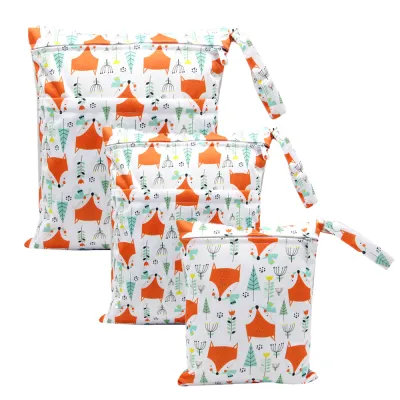
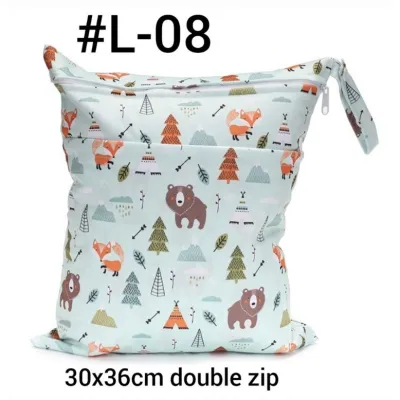
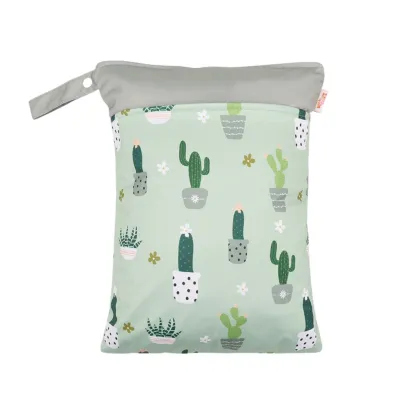
Prices are valid at publication and may change. Please refer to the product page for the latest price.
The duration of your typical outings also dictates the necessary capacity. If you are usually away from home for only two to three hours at a time, a compact bag with a streamlined profile will prevent you from overpacking and carrying unnecessary bulk. For full-day excursions, you will need a larger volume to accommodate multiple changes of clothes, extra diapers, feeding supplies, and personal items.
Do not underestimate the physical toll of carrying a fully loaded bag. Look for wide, padded shoulder straps that prevent the material from digging into your skin. If you plan to hang the bag from a stroller, verify the stroller manufacturer’s weight limits and stability guidelines first, as hanging heavy bags can cause some lightweight strollers to tip over unexpectedly.
Evaluate Essential Storage and Organization Features
Organization is where diaper bags differ most from standard fashion bags. An open-concept tote offers a single large cavity, which is excellent for bulky items like blankets or winter wear, but it can quickly turn into a chaotic void when you are searching for a tiny pacifier. If you prefer a place for everything, a multi-pocket backpack with dedicated compartments allows you to assign a permanent home to every item, reducing stress during urgent diaper changes.

Feeding methods heavily influence your storage needs. If you are formula feeding or carrying expressed breast milk, insulated bottle pockets are highly beneficial for maintaining temperature stability during short trips. However, always check the manufacturer’s guidelines regarding how long these pockets can safely maintain temperatures, and consult a healthcare professional for safe milk storage durations, especially in warm climates. If you are exclusively direct breastfeeding, you might bypass insulated pockets entirely in favor of more dry storage space.
A dedicated parent pocket is another feature that saves significant time. This separate compartment keeps your keys, wallet, phone, and hand sanitiser isolated from baby items, ensuring you do not have to dig past dirty clothes or half-empty bottles to answer a call.
Additionally, look for bags that feature distinct wet and dry storage zones. A zippered, waterproof compartment is invaluable for isolating soiled clothes, damp bibs, or used washcloths from clean items. Interior linings should be light-colored to help you easily spot small items at the bottom of the bag, and they must be easy to wipe clean with a damp cloth.
Check for Convenience and Add-On Accessories
Many diaper bags come bundled with accessories like changing pads, stroller straps, and luggage sleeves. While these additions can seem like excellent value, evaluate whether they fit your actual routine. A fold-out, padded changing pad is highly useful for public restrooms, but you should verify its dimensions and material to ensure it is easy to sanitize and fits comfortably on standard changing tables.
Stroller straps or integrated clips allow you to attach the bag directly to your stroller handlebar. If you choose to use these, ensure they are robust and compatible with your specific stroller model. Always prioritize safety by removing the bag before lifting your child out of the stroller to prevent tipping.
Luggage sleeves are a niche feature, primarily useful if you travel frequently by air. If you rarely visit airports, a bag with a bulky luggage sleeve might simply add unnecessary fabric and weight.
Before purchasing, always check the empty weight of the bag in the manufacturer’s specifications. A bag that weighs over one kilogram when completely empty will quickly become exhausting to carry once packed with water bottles, diapers, spare clothes, and toys. Prioritize lightweight base materials so that the bulk of the weight you carry consists of actual essentials.
Match Materials and Durability to Your Environment
The materials you choose must be able to withstand both daily wear and tear and your local environmental conditions. In Singapore, where high humidity and sudden tropical downpours are common, choosing an exterior fabric with water-resistant properties is highly practical. Materials like treated nylon, polyester, or water-resistant canvas help protect the contents of your bag from getting damp during a sudden shower.
Review the product labels and manufacturer care instructions carefully. While some bags are fully machine-washable, others are spot-clean only. If you anticipate frequent spills, a machine-washable bag offers unmatched convenience, but you must follow the exact washing temperature and drying instructions to prevent warping or damage to the water-resistant coatings.
Examine the quality of the hardware, as zippers and clasps are often the first components to fail under daily use. Look for heavy-duty metal or high-quality molded plastic zippers that glide smoothly without catching. Reinforced stitching at the stress points where the straps meet the main body of the bag is a strong indicator of long-term durability.
Avoid delicate materials like untreated leather or highly textured fabrics that trap dirt and are difficult to sanitize. A smooth, wipeable exterior allows you to quickly clean off mud, spilled milk, or food purees with a simple baby wipe while on the go.
Build Your Personalized Diaper Bag Shortlist
To find the perfect match, start by creating a simple matrix of your must-have features versus nice-to-have options based on your daily routine. For example, if you commute via MRT daily, a lightweight backpack with padded straps and a wet/dry compartment might be your non-negotiable must-haves, while insulated bottle pockets remain a nice-to-have.
Once you have a shortlist of potential bags, verify their physical dimensions and empty weight against your personal comfort limits. If possible, visit a physical store to try on the bag. Pay close attention to how it sits on your shoulders and whether the straps slip when you move.
If buying online from an ecommerce platform, perform an at-home packing test immediately upon delivery while keeping the tags intact. Pack the bag with your typical daily gear—including your water bottle, a travel pack of wipes, and a few diapers—to validate whether the compartment layout is intuitive and if the bag remains comfortable to carry when fully loaded.
Frequently Asked Questions (FAQ)
Can I use a regular backpack instead of a designated diaper bag?
Yes, you can certainly use a standard backpack, especially if you already own a durable, comfortable one. However, standard backpacks often lack specialized features like wipe-clean interior linings, insulated bottle compartments, and quick-access side pockets designed specifically for baby wipes. If you choose a regular backpack, you can compensate for the lack of built-in organization by using color-coded packing pouches to keep diapers, clothes, and feeding supplies separated and easy to locate.
When should I downsize to a smaller diaper bag?
You can typically begin downsizing your diaper bag as your child reaches developmental milestones that require less specialized gear. When your baby transitions fully to solid foods and cup drinking, you will no longer need to carry multiple bottles, formula dispensers, or breast pumps. Once potty training is complete and your child is highly mobile, a small crossbody bag or a compact waist pack containing just a spare change of clothes, a travel pack of wipes, and a small snack is often all you need for daily outings.
Community discussion
Share your experience or ask a question. Comments are reviewed before publication.