
Choosing the right diaper backpack capacity is a balancing act between being prepared for any baby emergency and avoiding the physical strain of carrying an oversized, heavy bag. The ideal capacity depends heavily on how long you plan to stay out, your baby’s age, and your specific feeding method. A bag that is too small will leave you struggling to zip it shut over essential spare clothes, while an excessively large backpack can become a bulky burden during quick trips to the local supermarket or neighborhood clinic.
To find your ideal fit, you need to translate your typical daily outings into a concrete volume of gear. By understanding how standard capacity categories align with different trip lengths, you can make an informed decision that keeps you organized and comfortable on the go.
Mapping Outing Duration to Your Baby's Gear Checklist
To avoid guessing which bag size you need, start by categorizing your typical outings. A quick errand lasting one to two hours requires minimal gear: two diapers, travel wipes, a compact changing mat, one bottle, and a spare pacifier. This lightweight load fits easily into almost any small bag or stroller organizer. Half-day activities lasting three to five hours demand a more comprehensive checklist, including three to four diapers, a full pack of wipes, a complete change of clothes, feeding supplies for two feeds, a small toy, and a wet bag. Full-day adventures or overnight trips lasting six hours or more require maximum preparation, including six or more diapers, multiple changes of clothes, a lightweight blanket, extensive feeding gear, extra water, and personal items. This heavy load requires a spacious, structured backpack that distributes weight evenly.
Products mentioned in this guide
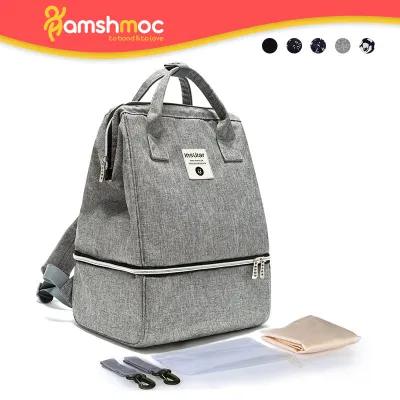
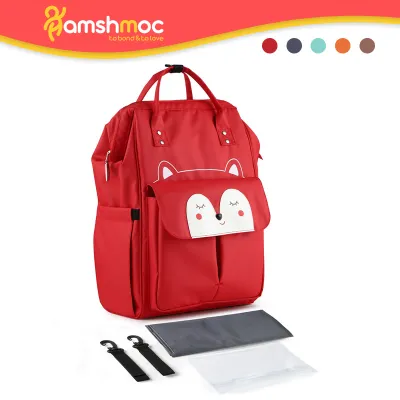
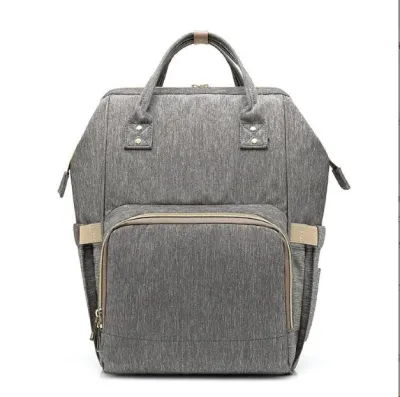
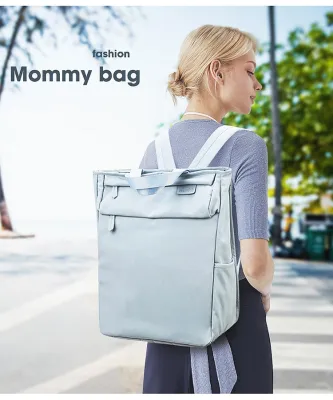
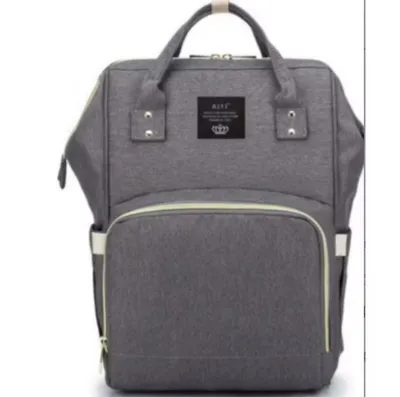
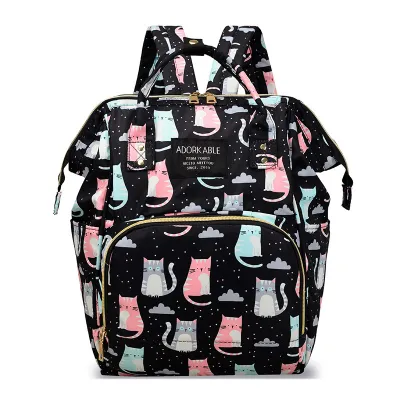
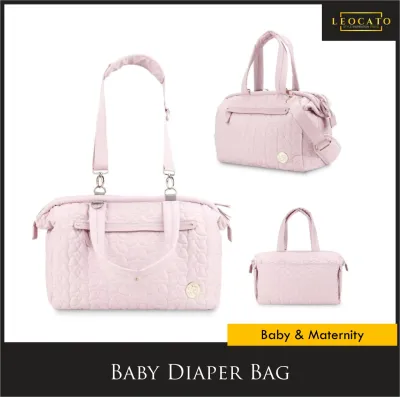
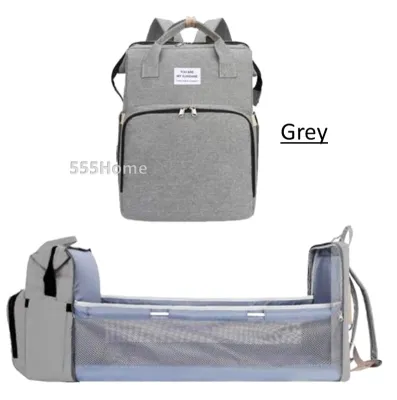
Prices are valid at publication and may change. Please refer to the product page for the latest price.
Your baby’s developmental stage also drastically changes the volume of gear you need to carry. Newborns up to six months old require a high volume of soft items, such as frequent diaper changes, spit-up cloths, swaddles, and extra onesies. While these items are lightweight, they take up significant physical space in your bag. As your baby starts solid foods between six and twelve months, the gear shifts from soft fabrics to rigid, bulky items like food jars, spoons, bibs, and sippy cups. Toddlers need fewer diapers, but their clothes are larger, and they require substantial snacks, larger water bottles, and toys.
To estimate your baseline volume before looking at bag specifications, try the mental checklist method. Gather your typical outing gear on a table and group the items together. Measuring the physical footprint of this pile will give you a clear visual representation of the space you actually need, helping you avoid buying a bag that is too small for your daily routine.
Understanding Diaper Backpack Capacity Categories
Diaper backpacks are generally categorized by their internal volume. Compact or mini backpacks typically offer a capacity of under 15 litres. These sleek, lightweight bags are ideal for quick errands, short trips to a nearby park, or for parents of older toddlers who only need a single diaper and a water bottle. Many parents also use these compact bags as secondary organizers that attach directly to the stroller handlebar.

Standard mid-size backpacks range from 15 to 22 litres and represent the most versatile choice for typical half-day outings. This size category balances main compartment space with dedicated, insulated bottle pockets and quick-access slots for wipes. Large capacity or travel backpacks offer 23 to 30+ litres of space, which is necessary for full-day adventures, family travel, twins, or when carrying bulky breast pump equipment alongside daily baby essentials.
When evaluating product specifications, do not rely solely on the manufacturer’s stated litre capacity. Litre measurements can sometimes be misleading, as they often include the volume of all external mesh pockets and zippered sleeves. Instead, pay close attention to the physical dimensions—specifically the height, width, and depth of the main compartment. A diaper backpack with a wide, structured base and a doctor-bag style opening will always be easier to pack and organize than a tall, narrow bag of the same volume. A structured opening allows you to see all your gear at a glance, preventing you from having to rummage through the bottom of the bag in an emergency.
Hidden Variables That Increase Your Capacity Needs
Beyond the duration of your outing, several secondary factors can significantly expand your required backpack space. Your chosen feeding method is one of the most influential variables. Direct breastfeeding requires minimal gear, but formula feeding requires you to pack formula dispensers, multiple sterilized bottles, and a thermos flask of hot water, which adds substantial weight and volume. If you are pumping, you must accommodate the breast pump unit, shield kits, milk storage bottles, and insulated cool packs, which can easily occupy more than half of a standard mid-size backpack.
Climate considerations also play a major role in determining your bag size. In Singapore’s hot and humid weather, staying hydrated and clean requires extra packing. You will need to carry larger water bottles for both yourself and your child, cooling towels, portable mini-fans, and extra changes of clothes to deal with sweat or sudden tropical downpours.
Finally, you must consider your own personal items. A diaper backpack often doubles as a parent’s personal bag, meaning it needs to accommodate your wallet, keys, phone, umbrella, and perhaps a laptop or tablet. Choosing a bag with a dedicated parent pocket or a padded laptop sleeve ensures your personal belongings remain safe, clean, and easily accessible without cluttering the baby’s gear space.
Pre-Purchase Verification and Packing Ergonomics
Before purchasing a diaper backpack, it is essential to evaluate its real-world usability and ergonomics. While a bag with dozens of internal pockets might seem highly organized, excessive dividers can actually reduce the usable space in the main compartment. Rigid dividers prevent you from packing bulky, irregular items like a thick jacket, a rolled-up swaddle, or a large formula container. Look for a backpack with a wide-open main compartment and flexible, stretchy pockets that expand only when filled.
You should also evaluate the empty weight of the backpack and the quality of its straps. A large-capacity diaper backpack can weigh over 1 kg even when completely empty. Once you pack water flasks, bottles, and spare clothes, the total weight can easily exceed 4 kg, placing significant strain on your shoulders and back. To ensure long-term comfort, look for wide, ergonomically shaped shoulder straps with thick, breathable mesh padding. A chest strap can also help distribute the weight more evenly across your torso, making long walks much more comfortable.
If you plan to hang your diaper backpack on your stroller, always check the stroller manufacturer’s weight limits. Hanging a heavy, fully loaded large-capacity backpack on the stroller handlebar can cause the stroller to tip backward, posing a serious safety hazard to your child. To prevent tipping, prioritize placing heavy items at the bottom of the backpack to maintain a low center of gravity, and consider storing the bag in the stroller’s under-seat basket when it is fully loaded.
Frequently Asked Questions (FAQ)
Is it better to buy one large diaper backpack or two smaller ones?
Deciding between a single large diaper backpack and a two-bag system depends on your lifestyle and budget. A single, high-quality mid-size or large backpack is highly cost-effective and ensures you always have all your gear in one place, reducing the risk of forgetting essential items when switching bags.
However, a modular approach using two bags offers superior ergonomic comfort. You can use a compact mini backpack or stroller organizer for quick errands to the local shops, and reserve a larger travel backpack for full-day outings or weekend trips. While this approach requires a higher initial investment and more storage space at home, it prevents you from carrying unnecessary weight on short trips.
How do I know if a diaper backpack will fit all my bottles?
Standard litre capacity does not guarantee that a diaper backpack will accommodate your specific baby bottles. Many diaper bags feature dedicated, insulated front pockets designed to keep bottles warm or cool, but these pockets are often tailored to standard, narrow-neck bottles.
To ensure compatibility, measure the height and diameter of your preferred bottle brand, including the cap. Compare these measurements against the physical dimensions of the backpack’s insulated pockets before purchasing. If you use wide-neck or extra-tall bottles, look for diaper backpacks with expandable, elasticized side pockets or a spacious main compartment that can accommodate a separate, standalone insulated bottle bag.

Community discussion
Share your experience or ask a question. Comments are reviewed before publication.