
Diaper rash is an incredibly common challenge for parents, particularly in warm, humid climates like Singapore where trapped moisture can quickly irritate a baby’s delicate skin. Choosing the right Desitin variant is the most direct way to address this discomfort, but the correct choice depends entirely on matching the cream’s formulation to the visual severity of your baby’s rash. By understanding how the active ingredients—specifically zinc oxide—work at different concentrations, you can select a product that either prevents irritation or treats active inflammation effectively.
The Desitin product line offers distinct formulations designed for different stages of skin irritation, ranging from daily preventative care to high-concentration treatments for severe, stubborn rashes. Selecting the wrong variant can lead to ineffective treatment or unnecessary difficulty when cleaning your baby’s skin during diaper changes. To make an informed decision, you must first assess the current state of your baby’s skin, understand the purpose of each product variant, and apply the cream using techniques that maximize its protective barrier properties.
Assessing Your Baby's Diaper Rash Severity
Before reaching for any diaper cream, you must perform a careful visual inspection of your baby’s diaper area. This assessment is best conducted during a routine diaper change under bright, clear lighting so you can accurately identify the color, texture, and spread of the irritation. Gently pull back the diaper and examine the creases of the thighs, the buttocks, and the genital area, noting how your baby reacts when the skin is touched or cleaned.
Products mentioned in this guide
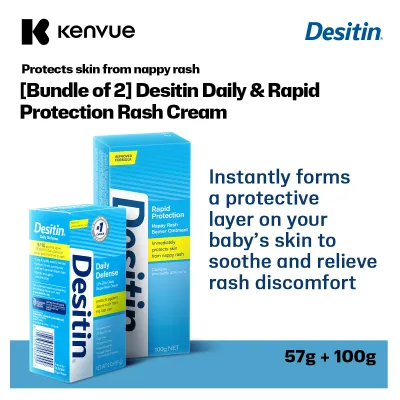
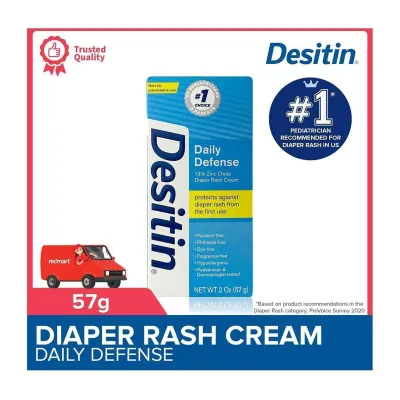
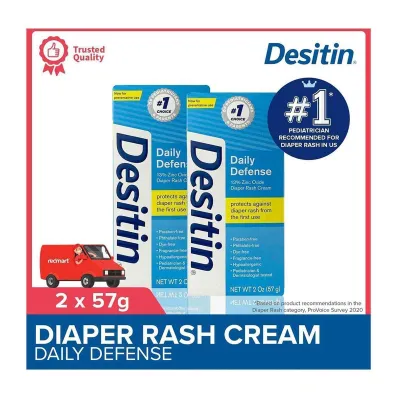
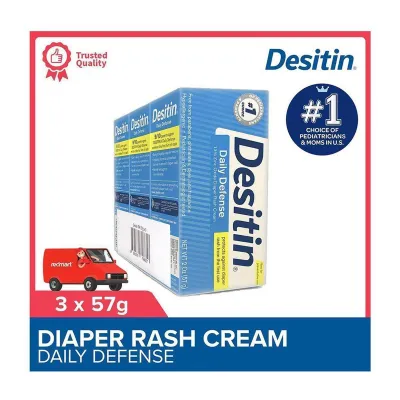
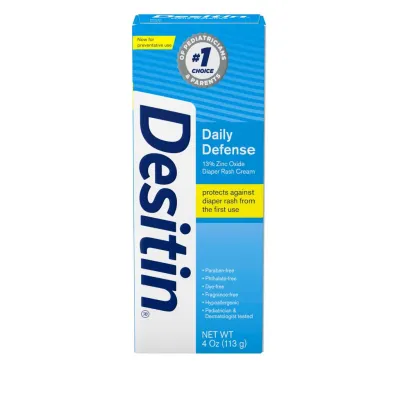
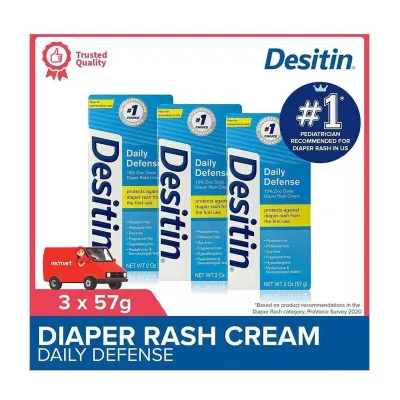
![[Bundle of 3] Desitin Daily Defense Diaper Rash Protection Cream Instantly Soothe Diaper Rash Discomfort 57g](https://img.lazcdn.com/g/p/b74ae21f7b47f8ec6b2c02dbfd829fc2.jpg_400x400q80.jpg_.webp)

Prices are valid at publication and may change. Please refer to the product page for the latest price.
A mild diaper rash is characterized by slight pinkness or very light redness across limited areas of the skin. The skin remains completely intact with no open sores, peeling, or swelling, and your baby will generally remain comfortable, showing little to no fussiness during diaper changes or when urinating. At this stage, the skin’s natural barrier is only slightly compromised, meaning the primary goal is to prevent further friction and moisture contact.
A moderate diaper rash presents as bright red, well-defined patches of irritated skin that cover a larger portion of the diaper area. You may notice slight swelling, and the skin might feel warmer to the touch than the surrounding areas. At this level of severity, your baby is likely to show signs of discomfort, such as fussing, crying, or pulling away when you wipe the area or when urine comes into contact with the irritated skin.
A severe diaper rash is a highly uncomfortable condition that requires immediate, targeted intervention. The skin will appear deep red or purple, swollen, and may exhibit raw, peeling, or bleeding spots. You might also notice small blisters or open sores, and your baby will likely experience extreme distress, crying intensely during diaper changes and showing general irritability throughout the day. Recognizing these distinct stages of severity is the essential first step in matching the correct barrier cream to your baby’s immediate needs.
Matching Desitin Variants to Rash Severity
Once you have assessed the condition of your baby’s skin, you can select the most appropriate Desitin variant to address the issue. Each product is formulated with a specific concentration of zinc oxide, a safe and effective physical barrier agent that shields the skin from wetness and enzymes present in dirty diapers. Understanding the differences between these variants ensures you do not under-treat a painful rash or over-apply an unnecessarily thick formula.

Daily Prevention and Mild Redness
For babies with healthy skin or those showing only the earliest signs of mild pinkness, the everyday prevention variant—often labeled as Desitin Daily Defense or Creamy Protection—is the most suitable choice. This formula is designed for routine use at every single diaper change to create a thin, breathable moisture barrier that protects delicate skin from the constant friction of the diaper.
When shopping for this variant, always verify the product packaging for terms such as “everyday use,” “prevention,” or “daily protection” to ensure you are purchasing the correct formula. This cream typically contains a lower concentration of zinc oxide, making it much smoother and easier to spread over large areas of skin. A major practical benefit of this daily variant is that it is relatively easy to wipe off during standard diaper changes, minimizing the amount of friction applied to your baby’s skin during cleanups.
Moderate Irritation and Discomfort
When a mild pinkness escalates into a visible, moderate rash with bright red patches, your baby requires a faster-acting solution that can calm active irritation while providing a more robust physical shield. The moderate-strength variant, commonly known as Desitin Rapid Relief, is formulated specifically to address this level of discomfort by rapidly soothing the skin and reducing redness.
When selecting this option, check the packaging label to verify the zinc oxide concentration and look for indications such as “fast-acting” or “soothing relief.” This variant strikes a balance between ease of application and barrier strength; it provides a significantly more durable protective layer than the daily prevention cream, yet it remains easier to apply and remove than maximum-strength alternatives. It is ideal for those transitional periods when your baby’s skin is clearly irritated but has not yet developed open sores or severe swelling.
Severe, Stubborn, or Persistent Rashes
For severe rashes characterized by deep redness, swelling, raw spots, or persistent irritation that has failed to improve with milder creams, you must step up to the highest level of protection available over the counter. Desitin Maximum Strength, packaged in the easily recognizable purple tube, is engineered specifically to manage these highly compromised skin conditions.
This maximum-strength formula contains the highest percentage of zinc oxide available in the product line, typically 40%, though you should always verify the exact ingredients and manufacturer indications on your local product label before use. Because of this high concentration, the cream is exceptionally thick and heavy, designed to form an impenetrable barrier that completely seals out moisture, urine, and fecal enzymes. This thick shield allows the underlying raw skin to heal undisturbed by the harsh environment inside the diaper, providing critical relief to highly distressed babies.
How to Apply Desitin Effectively for Best Results
Choosing the correct variant is only half the battle; the effectiveness of any barrier cream depends heavily on how it is applied to your baby’s skin. Improper application can trap moisture against the skin, worsening the very rash you are trying to treat, or cause unnecessary pain to your baby during cleanups. Following a consistent, gentle application routine will ensure the cream performs exactly as intended.
The first and most critical step is to ensure the skin is thoroughly clean and completely dry before applying any cream. Use a soft cloth and warm water, or alcohol-free, unscented wipes, to gently clean the diaper area, avoiding any rubbing or scrubbing motions. After cleaning, gently pat the skin dry with a clean, dry towel, or allow the area to air-dry completely for a few minutes. In Singapore’s humid climate, air-drying is particularly beneficial as it ensures no residual environmental moisture is trapped beneath the thick barrier cream, which could otherwise foster bacterial or fungal growth.
When applying the cream, the thickness of the layer should match the purpose of the application. For daily prevention using the mild variant, a thin, even layer that covers the areas most prone to friction is sufficient. However, when treating an active, moderate, or severe rash, you must use the “thick layer” method, often compared to spreading icing on a cake. Do not attempt to rub the cream completely into the skin; instead, apply a generous, visible layer over the irritated areas so that the skin is completely covered and protected from direct contact with wetness.
Your wiping technique during subsequent diaper changes also plays a major role in skin healing. Parents often make the mistake of scrubbing off every trace of diaper cream during every single diaper change, which repeatedly irritates the healing skin underneath. Instead, use a gentle wipe to remove only the soiled top layer of cream along with any waste matter. If a clean, white layer of cream remains on the skin, leave it in place and simply apply a fresh layer of Desitin directly over it, preserving the protective barrier and protecting the fragile skin from unnecessary friction.
When to Stop Home Treatment and See a Pediatrician
While over-the-counter zinc oxide creams are highly effective for standard diaper dermatitis, there are clear safety boundaries where home treatment must stop. Diaper rashes can sometimes be complicated by secondary bacterial or fungal infections, or they may be a symptom of an underlying medical condition that requires prescription treatment. Recognizing these red flags is vital for your baby’s health and safety.
You should monitor the progression of the rash closely and note the timeline of recovery. If you have been using the appropriate Desitin variant consistently and correctly for 3 to 4 days without any noticeable improvement, or if the rash continues to worsen during this timeframe, it is time to seek professional medical advice. Persistent rashes that do not respond to zinc oxide often require targeted prescription ointments.
There are also specific visual signs of infection that demand a prompt visit to a pediatrician. If you observe blisters, small pus-filled bumps, yellow crusting, or bleeding, these are indicators of a potential bacterial infection. Additionally, a bright red rash with distinct, small red spots spreading outward from the main red patch—known as “satellite lesions”—frequently points to a yeast (Candida) infection, which cannot be cured by zinc oxide and requires a specific antifungal treatment prescribed by a doctor.
Finally, watch for systemic symptoms that indicate the irritation is affecting your baby’s overall well-being. If your baby develops a fever, becomes unusually lethargic, or if the rash spreads rapidly beyond the diaper area to the abdomen, back, or upper thighs, stop using home remedies immediately. Under any of these circumstances, consult a qualified pediatrician in Singapore to obtain an accurate diagnosis and a safe, effective treatment plan tailored to your baby’s specific condition.
Frequently Asked Questions (FAQ)
Can I use Desitin Maximum Strength for everyday prevention?
While it is generally safe to use the maximum-strength variant, it is usually unnecessary and impractical for daily prevention on healthy skin. The 40% zinc oxide formula is exceptionally thick, making it difficult to wipe away during routine diaper changes, which can lead to excessive product buildup and unnecessary friction on your baby’s skin. The milder daily prevention variant is specifically formulated to be lighter, easier to apply, and simpler to clean, making it the ideal choice for routine maintenance.
How long should it take for Desitin to clear up a diaper rash?
For mild to moderate diaper rashes, you should expect to see a noticeable improvement, such as reduced redness and improved skin texture, within 24 to 48 hours when using the cream consistently alongside frequent diaper changes. However, if the rash shows no signs of improvement or continues to deteriorate after 3 to 4 days of proper application, you should stop home treatment and consult a pediatrician to check for secondary infections.
Is it safe to use Desitin on newborns?
Zinc oxide barrier creams like Desitin are generally considered safe for use on newborns, as they provide a gentle physical barrier rather than absorbing deep into the skin. However, because a newborn’s skin is exceptionally thin and highly sensitive, you must always carefully read the specific product label for age recommendations and manufacturer warnings before application. If you have any concerns about your newborn’s skin sensitivity, consult your pediatrician before introducing any new skincare products.

Community discussion
Share your experience or ask a question. Comments are reviewed before publication.