
Selecting the right Cubble postpartum binder variant depends on your delivery method, recovery goals, and comfort preferences. To make the best choice, you need to evaluate how different designs support your body during the initial weeks after childbirth, check the specific material specifications for breathability, and ensure the sizing aligns with your postpartum measurements. Consulting your obstetrician or physiotherapist is the most reliable way to determine when to start wearing a binder and what level of compression is safe for your unique recovery path.
Assessing Your Postpartum Recovery Needs
The postpartum period brings rapid physical changes as your uterus contracts to its pre-pregnancy size and your abdominal muscles begin to recover from deep stretching. During this transition, your body requires different types of support depending on how far along you are in your recovery journey. Immediate postpartum needs typically focus on gentle stabilization, wound protection, and easing the initial discomfort of movement. Over time, your focus may shift toward long-term core support, posture correction, and rebuilding abdominal strength.
Identifying your personal comfort preferences and daily mobility requirements is a crucial first step before purchasing any support garment. Some individuals prefer a highly structured binder that offers maximum stability during light household activities, while others prioritize a softer, more flexible wrap that allows for comfortable sitting and nursing. Your daily routine, the amount of help you have at home, and your tolerance for firm compression will all influence which design features will serve you best.
Products mentioned in this guide
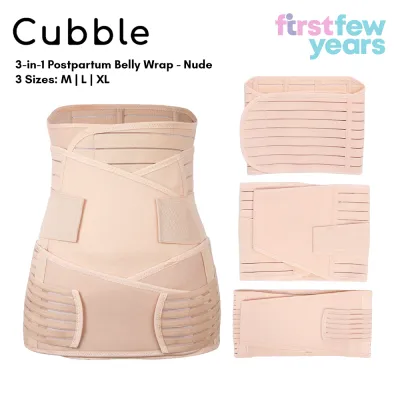
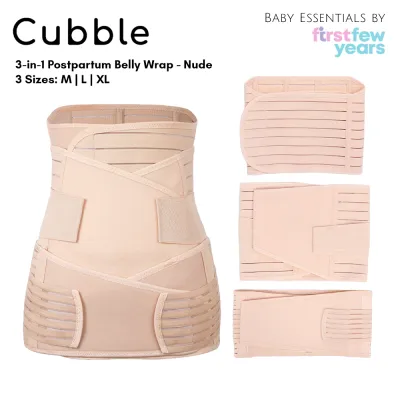
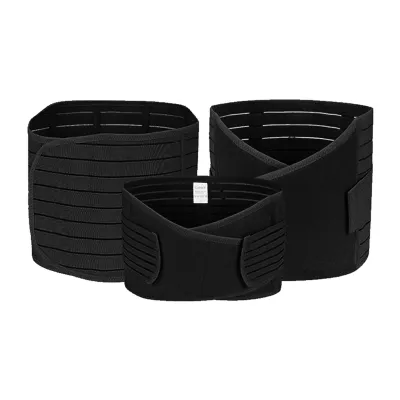
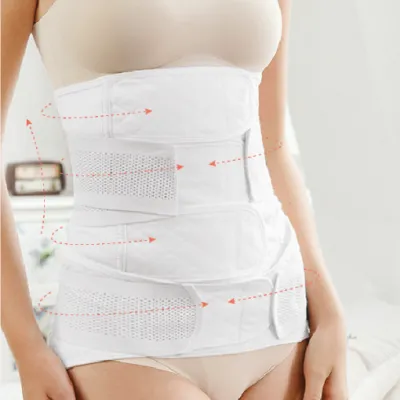
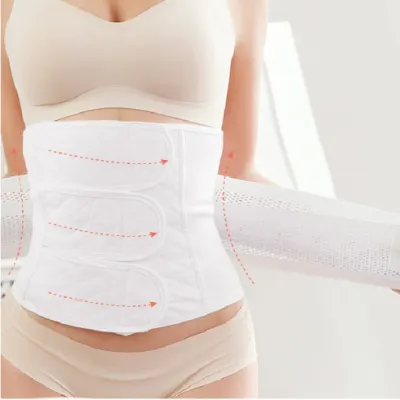
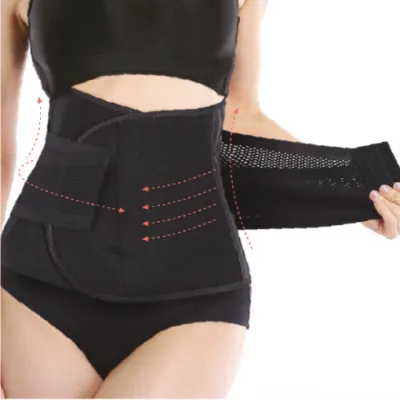
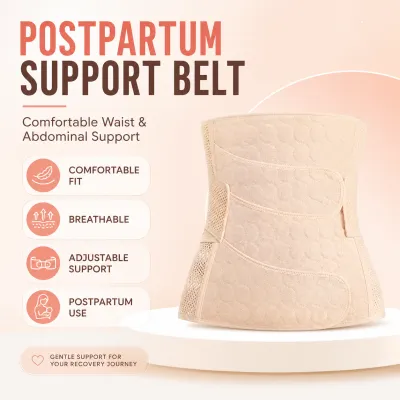
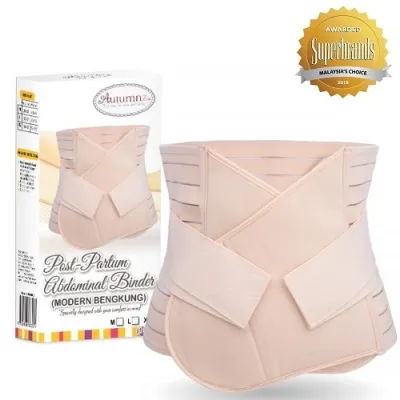
Prices are valid at publication and may change. Please refer to the product page for the latest price.
It is important to remember that a postpartum binder is a temporary supportive aid rather than a permanent solution for abdominal weakness. Relying too heavily on external support without engaging your muscles can actually delay your natural recovery process. The goal should always be to use the binder as a tool to facilitate safe movement while you gradually rebuild your intrinsic core strength through gentle, progressive rehabilitation.
Because every birth experience is unique, consulting your healthcare provider is essential to establish a safe and personalized recovery timeline. Your doctor or physical therapist can assess your abdominal wall, check for conditions like diastasis recti, and provide specific recommendations on compression levels. This professional guidance ensures that you do not apply excessive pressure to your pelvic floor or abdominal muscles before they are ready to handle it.
Evaluating Cubble Binder Variants by Design and Features
When comparing different postpartum binder options, the closure mechanism is one of the most important structural features to evaluate. Many variants utilize adjustable hook-and-loop fasteners, commonly known as Velcro, which allow you to customize the tightness across different sections of your torso. Other designs may feature hook-and-eye closures or simple pull-on styles. Adjustable fasteners are generally preferred during the early weeks because they accommodate the natural reduction in your abdominal size without requiring you to buy a completely new garment.

The physical height of the binder is another key design element that affects both comfort and coverage. Some variants are relatively narrow, focusing compression solely around the waist and lower abdomen, while others are wider and extend from just below the bust down to the hips. A wider binder provides more comprehensive support for the entire torso, which can be beneficial for posture, but it may also feel more restrictive when sitting down. Choosing the right height depends largely on your torso length and where you require the most support.
Fabric breathability and stretch are critical considerations, particularly for those living in Singapore’s warm and humid climate. A binder made from dense, non-porous material can trap heat and sweat, leading to skin irritation, rashes, or discomfort during extended wear. Look for variants that incorporate mesh panels, perforated fabrics, or lightweight elastic blends that promote airflow. Checking the product label for breathable materials will help ensure you can wear the support comfortably throughout the day.
Compression levels and targeted support zones vary significantly across different binder models. Some variants offer uniform compression across the entire midsection, while others feature multi-panel designs where you can adjust the tension on the upper abdomen, waist, and pelvis independently. Multi-panel systems allow you to apply firmer support where you feel weakest while keeping pressure lighter over sensitive areas. Reviewing the product specifications on the packaging will help you identify which model matches your targeted support needs.
Matching Binder Styles to Your Delivery Type
Your delivery method plays a decisive role in determining which binder style is most appropriate for your recovery. Following a vaginal delivery, the primary goals of abdominal binding are to provide gentle compression to the lower abdomen, support the pelvis as ligaments return to their pre-pregnancy state, and facilitate comfortable movement. For this path, a binder that offers flexible, low-to-moderate compression is often ideal, as it supports the abdominal wall without placing downward pressure on a recovering pelvic floor.
Some multi-piece postpartum support sets include a dedicated pelvic band designed to be worn lower on the hips. This specific component can be highly beneficial after a vaginal delivery, as it helps stabilize the pubic symphysis and sacroiliac joints. Applying gentle, targeted compression around the pelvis can alleviate lower back and hip discomfort, allowing you to move more comfortably during those first few weeks of frequent lifting and carrying.
For those recovering from a Cesarean delivery, the priorities shift significantly toward incision protection and scar management. A C-section incision requires a binder that provides high-waist coverage to prevent the garment from slipping down and rubbing against the sensitive wound. The inner lining of the binder must be exceptionally soft and smooth to avoid catching on stitches or staples. Many mothers find that a wider, multi-panel binder helps stabilize the abdominal wall, reducing the painful pulling sensation near the incision when coughing, laughing, or standing up.
Before wearing any binder after a surgical birth, it is vital to verify the manufacturer’s guidelines and obtain explicit clearance from your doctor. Applying compression directly over a fresh surgical wound too early can restrict blood flow, interfere with wound healing, or increase the risk of infection. Always inspect your incision daily for signs of redness, swelling, or discharge, and ensure the binder is positioned in a way that does not compress the scar directly unless specifically advised by your medical team.
Sizing, Fitting, and Daily Wear Guidelines
Selecting the correct size is paramount to ensuring both the safety and effectiveness of a postpartum binder. To find your size, take accurate measurements of your abdominal circumference using a flexible measuring tape, typically around the level of your belly button. Because your body will change rapidly after delivery, many manufacturers recommend taking this measurement in the late third trimester or immediately after birth to align with their specific size charts. Avoid the temptation to order a size smaller than recommended, as an overly tight binder can cause serious health complications.
When fitting the binder, the goal is to achieve a snug, supportive compression that feels like a firm hug, rather than a restrictive bind. You should be able to breathe deeply, speak comfortably, and sit down without the garment digging into your ribs or hips. If you feel a downward pressure on your pelvic floor, or if your breathing becomes shallow, the binder is adjusted too tightly. Always loosen the straps or choose a larger size to maintain proper circulation and muscle function.
Establishing a safe daily wear schedule involves a gradual progression that allows your body to adapt. In the initial days, you might wear the binder for short intervals of one to two hours during periods of physical activity, such as standing or walking. Gradually, you can increase the wear time as tolerated, but it is important to build in regular breaks where you remove the binder completely. This practice allows your core muscles to engage naturally and prevents them from becoming dependent on external support.
Safety, Maintenance, and When to Stop
Proper maintenance of your postpartum binder is essential for preserving its elasticity and ensuring hygienic use. Because the binder sits close to your skin and potentially near healing wounds, it should be washed regularly to prevent the buildup of sweat, bacteria, and dead skin cells. Refer to the manufacturer’s care label for specific washing instructions; most recommend hand washing in cool water with a mild detergent and air drying flat. Avoid using high heat in a dryer, as this can degrade the elastic fibers and warp the closure mechanisms.
It is crucial to remain vigilant and recognize the signs of an improper fit or physical strain while using a binder. If you experience skin redness, itching, or a rash, discontinue use immediately to allow your skin to heal, and check if the material is causing an allergic reaction. Furthermore, any sensation of increased pelvic pressure, urinary incontinence, or difficulty breathing indicates that the binder is placing undue stress on your internal organs and pelvic floor muscles.
There are several conditions that require you to stop wearing the binder immediately and seek professional medical consultation. If you develop a fever, notice increased pain or swelling around a C-section incision, or observe any unusual discharge from your wound, do not wear the binder. These symptoms can indicate an underlying infection or complication that requires prompt medical evaluation. Your health and safety must always take precedence over any aesthetic or recovery goals.
Frequently Asked Questions (FAQ)
Can I wear a postpartum binder while sleeping?
It is generally not recommended to wear a postpartum binder while sleeping unless specifically instructed by your healthcare provider. During sleep, your body needs to rest, recover, and maintain unrestricted circulation and breathing patterns. Continuous compression overnight can restrict deep diaphragmatic breathing and place prolonged pressure on your pelvic floor. Removing the binder at night also gives your skin a necessary break from the fabric, reducing the risk of irritation and sweat buildup.
How long should I wear a postpartum binder each day?
The ideal daily wear time varies based on your stage of recovery and comfort levels, but starting with short intervals of two to four hours during active periods is a common approach. You can gradually increase this time as your body adapts, but you should avoid wearing it continuously for the entire day. It is important to take regular breaks to allow your core muscles to work independently. Always listen to your body’s signals and remove the binder if you experience fatigue, discomfort, or pressure.
Will a postpartum binder help me lose belly fat?
No, a postpartum binder does not burn fat or contribute to permanent weight loss. The temporary reduction in abdominal size observed while wearing a binder is due to the physical compression of fluids, support of organs returning to their original positions, and temporary containment of relaxed abdominal walls. Actual fat loss and long-term core recovery are achieved through a balanced diet, proper hydration, adequate rest, and a gradual return to safe postpartum exercises under medical guidance.

Community discussion
Share your experience or ask a question. Comments are reviewed before publication.